Secretary of State Races Face 4 Critical Security Threats and Pivotal Election Battles
Heightened physical security threats and intense electoral campaigns are placing state election officials under unprecedented pressure across the United States. From suspicious white powder mailings in Minnesota and Nebraska to high-stakes policy debates in California and New Mexico, the role of democracy’s chief administrative office is facing its most demanding test yet.
As voting operations accelerate across the country, the office of secretary of state has transformed into a high-stakes frontline under unprecedented administrative scrutiny. What was historically viewed as a low-profile bureaucratic role responsible for managing corporate filings and archiving state records is now operating as the decisive command center for American democratic resilience. Across several states, election workers, legal experts, and constitutional officers find themselves navigating a volatile intersection of real physical danger, intensifying partisan competition, and massive voter education efforts.
The administrative burden placed on state executive leadership has expanded exponentially over the past decade. Secretaries of state must maintain clean voter registries, ensure voting machines comply with rigorous technical certifications, combat digital disinformation, and protect front-line civil servants from harassment. In recent days, that tension reached a new peak as law enforcement agencies and election workers in multiple state capitols mobilized to counter suspicious mailings, while state attorneys and campaign surrogates clashed over ballot access, transparency, and operational protocols.
A Rising Wave of Disruption at the Heart of Election Operations
State election administrators operate as the ultimate arbiters of ballot legitimacy in forty-seven states. When an individual casts an early ballot, checks their registration status online, or submits a mail-in form, the underlying software and oversight protocols lead directly back to state-level administrative divisions. That direct authority has turned the post into a magnet for political friction and hostile actions.
The contemporary environment differs starkly from previous electoral cycles due to the sheer velocity of modern threats. Hostile actors routinely attempt to disrupt standard processing routines by exploiting physical delivery channels and flooding administrative offices with bad-faith public records requests. While global media roadshows often focus on cultural pageantry—in the way Why Is the Today Show in Ireland Explains 4 Strategic Highlights of NBC Live Broadcast illustrates how production teams deploy remote assets—domestic governance demands an unyielding focus on the nuts and bolts of democratic infrastructure.
White Powder Alerts Spark Immediate Law Enforcement Responses
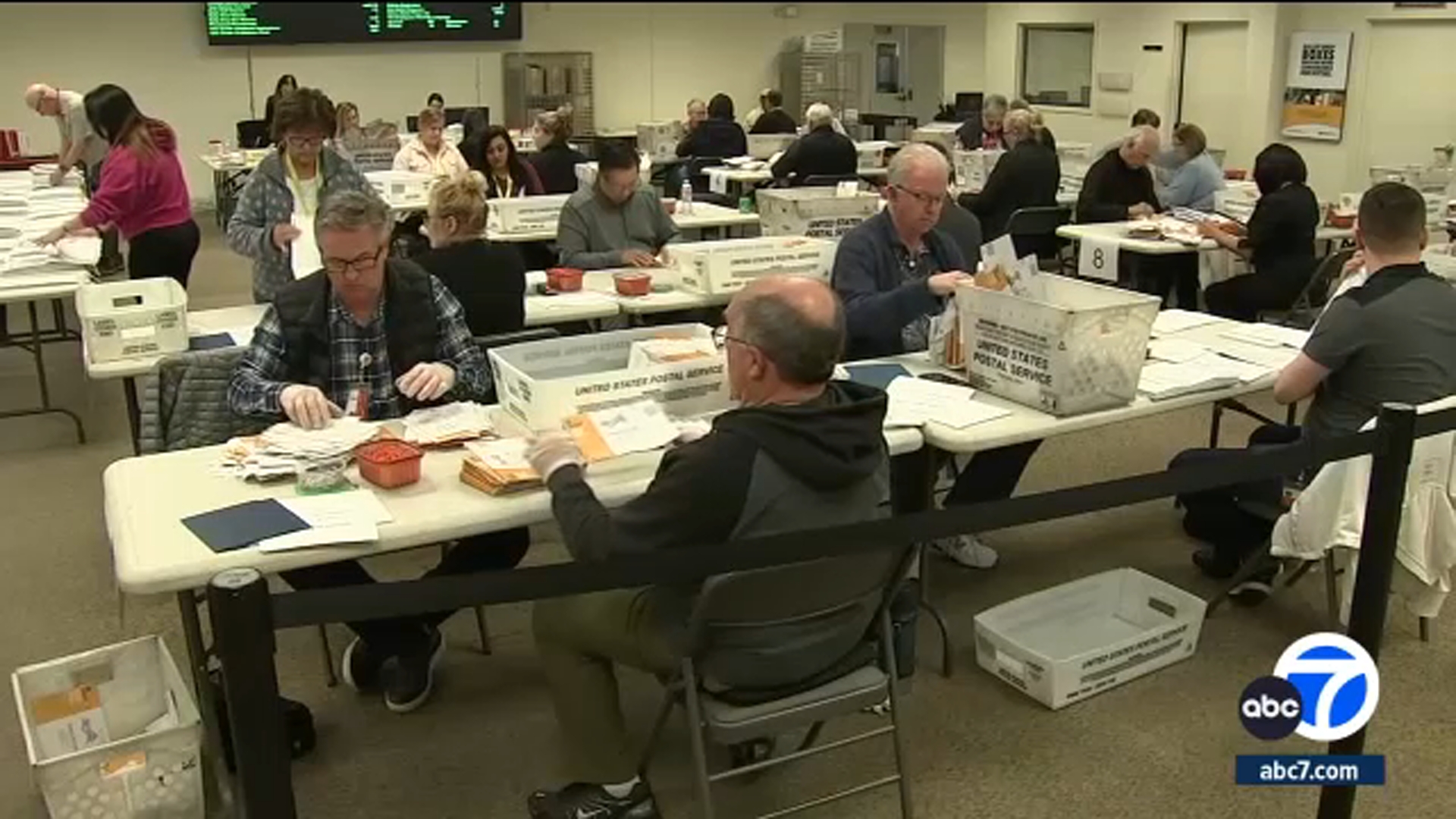
Physical security concerns escalated rapidly this week following alarming incidents in the Midwest. Reporting by CBS News confirmed that a suspicious letter containing white powder arrived at a Minnesota election office as early ballots were actively being processed, an unsettling repeat of mail threats that have confronted the Minnesota secretary of state administration. Federal, state, and local law enforcement personnel rushed to contain the scene, isolating the hazardous envelope and initiating hazardous materials decontamination procedures to ensure the safety of ballot processing staff.
Almost concurrently, south along the Missouri River basin, authorities encountered an equally disruptive scare. According to local reporting from Lincoln outlet KOLN, the Nebraska Secretary of State’s Office reported receiving a suspicious envelope, triggering an immediate security response coordinated between state building security and regional public safety divisions. Hazmat teams evaluated the package while investigators worked to trace its origin and test the substance. These coordinated physical threats highlight a clear pattern of intimidation aimed directly at halting the orderly progression of vote tabulation.
4 Critical Frontlines Shaping American Election Administration
The challenges facing state leadership are not isolated to emergency security measures. Across key battlegrounds and major population hubs, constitutional officers are dealing with conflicting mandates, razor-thin races, and aggressive outreach campaigns designed to protect voter access.
Target Incidents in Minnesota and Nebraska Trigger Emergency Protocols
In Lincoln, local reporting from KOLN detailed how personnel working within the Nebraska secretary of state facilities faced similar hazmat alerts after receiving a questionable postal envelope. The twin scares in Minnesota and Nebraska underscore how physical harassment against election workers has migrated from local precinct polling booths directly into the executive suites of state capitols. When a suspicious package arrives at a central processing hub, work halts entirely while hazardous materials technicians establish perimeters. These interruptions are designed to induce fear, exhaust local resources, and slow down the lawful verification of absentee and mail-in voting documents.
High Stakes Partisan Debates in California Feature Donald Wagner and Shirley Weber
Beyond emergency responses, the ideological struggle over who should manage state ballot infrastructure is playing out intensely at the ballot box. Coverage from cbs8.com highlighted the high-profile debate within the California secretary of state race, where Democratic incumbent Shirley Weber and Republican Donald Wagner offer sharply contrasting visions. Weber, a veteran educator and civil rights advocate appointed by Governor Gavin Newsom before winning election, has consistently prioritized automatic voter registration, civic engagement expansion, and voting rights restoration for formerly incarcerated citizens.
Her challenger, Orange County Supervisor Donald Wagner, brings a distinct legal and conservative governance platform to the contest. Wagner emphasizes stringent auditing, stricter voter roll cleanup routines, and administrative efficiency for small businesses registering through state portals. The race underscores how policy disputes over voter ID laws, signature verification thresholds, and automatic mail-in ballot distribution continue to define administrative campaigns in the nation’s largest state economy.
New Mexico Deploys Voter Advisories Against Disinformation and Intimidation
Recognizing the confusion that arises during intense electoral cycles, administrative leaders are taking preemptive legal action to clarify voting rules. Down in the Southwest, Source New Mexico documented an aggressive joint effort where the New Mexico secretary of state and the attorney general released comprehensive guidance to shield the public from deception. The statewide advisory specifically addressed voter rights, statutory protections against physical intimidation at polling places, and explicit rules governing partisan poll watchers.
The New Mexico initiative represents an institutional shift from reactive defense to proactive deterrence. By warning that interfering with ballot drop boxes or intimidating voters carries severe criminal penalties, state officials seek to establish clear boundaries long before polls close on Election Day. This advisory also provides clear instructions on handling damaged ballots and navigating registration deadlines, cutting through online falsehoods with verified, official statutory guidance.
Georgia Voter Scrutiny Reinforces the Importance of Administrative Oversight
In the American South, Georgia remains the central case study for how administrative duties can become intensely politicized. As tracked by the Georgia Recorder voter guides, the Georgia secretary of state office carries historic symbolic weight following years of intense election litigation. Since the controversial adjustments brought by the passage of Senate Bill 202, every operational update—from drop box placement limits to strict absentee ballot identification mandates—is placed under a magnifying glass by both major political parties.
Candidates vying for administrative influence in Georgia must demonstrate mastery over both technical election architecture and public communications. When an election system undergoes sudden software updates or updates its electronic poll pads, the margin for error is non-existent. Georgia election officials must consistently balance statutory compliance with aggressive bipartisan legal challenges seeking to either expand or restrict access to the franchise.
How Administrative Pressure Reshapes Modern Civic Infrastructure
The convergence of hazardous mail scares, voter education pushes, and contentious statewide campaigns proves that modern election oversight has transitioned into an active security discipline. Public confidence relies on whether the modern secretary of state can withstand both physical harassment and political polarization while presiding over an increasingly decentralized network of municipal and county clerks.
In decades past, state election officers spent significant portions of their budgets on corporate filing modernizations and trademark registries. Today, administrative budgets are dominated by cybersecurity firewalls, bulletproof glass installations at municipal counting facilities, and round-the-clock threat intelligence sharing with federal homeland security units. When suspicious letters disrupt operations in states like Minnesota and Nebraska, it diverts vital technical resources away from ballot verification and into crisis response management.
Moreover, the heightened stakes have made cross-agency collaboration mandatory. As demonstrated in New Mexico, election directors can no longer function in administrative silos. They must form continuous tactical alliances with state attorneys general, regional district attorneys, and federal postal inspection services to build a united defensive perimeter around voting staff and voters alike.
The Path Forward for Democratic Resilience
The vitality of democratic governance rests fundamentally on the basic assumption that votes will be recorded accurately, tallied impartially, and certified without external intimidation. Whether managing legislative oversight in Georgia, balancing policy agendas in California, issuing voter alerts in New Mexico, or navigating hazardous mail scares in the Upper Midwest, state chief executives are confronting a demanding operational landscape.
As election calendars push forward, the resilience demonstrated by front-line staff and executive directors serves as the ultimate firewall against disruption. Overcoming coordinated scares and partisan distrust requires an unwavering commitment to administrative transparency, rigorous adherence to state statutory mandates, and rapid, disciplined coordination with law enforcement. Through these collective efforts, election administrators continue to safeguard the essential mechanics that keep representative democracy functional across every precinct in the nation.