Foley sound mechanics and 4 proven methods that create breathtaking cinema
Cinema sound is an elaborate acoustic lie engineered to feel more authentic than raw reality. Discover the physics, psychology, and hands-on artistry that bring silver screen worlds to life.
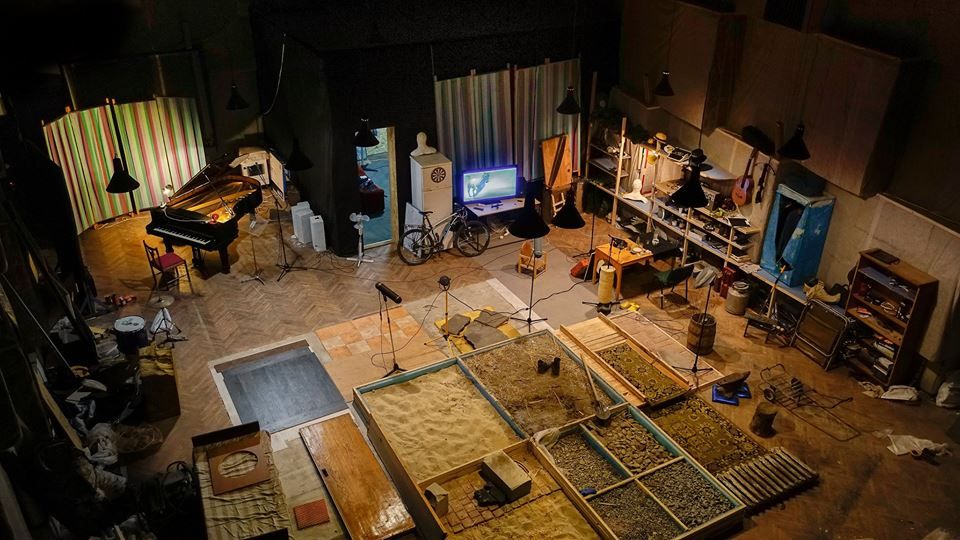
Understanding foley sound mechanics reveals why the most authentic moments in cinema are often constructed from the most absurd physical deceptions. When a solitary detective walks down a snow-covered alley on screen, the sound vibrating through your chest is not crunching ice under heavy winter boots. It is an audio artist standing in a soundproofed room wearing headphones, rhythmically squeezing a pouch of cornstarch against their palms inches away from a hyper-sensitive condenser microphone. If modern cinema relied solely on the raw audio captured on production soundstages, every dramatic film would feel distant, hollow, and uncomfortably artificial.
Film sound is an elaborate sensory architecture built on a fundamental psychological paradox. Our eyes are easily fooled by two-dimensional projections, but our ears demand continuous physical truth to anchor the illusion. Production microphones mounted on long boom poles prioritize clean spoken dialogue above everything else. Consequently, the actual sounds of characters touching furniture, setting down whiskey glasses, drawing swords, or stepping across marble floors are either washed out by set noise or discarded entirely during post-production. Rebuilding that world from scratch requires a unique blend of acoustic engineering, physiological mimicry, and theatrical intuition.
The Hidden Cognitive Psychology Behind Auditory Realism
Delving into foley sound mechanics demonstrates how deeply human perception relies on sonic context to interpret visual information. The human brain continuously performs cross-modal integration, taking visual inputs and marrying them to auditory cues. When there is even a millisecond of desynchronization or a mismatch in acoustic timbre, the neurological disconnect breaks dramatic tension instantly. Cognitive scientists often highlight the McGurk effect to demonstrate how auditory signals can actively rewrite what our eyes believe they are seeing.
Real-life acoustic events are surprisingly anti-climactic. When two people fight in an alleyway, real punches land with a dull, wet thud that lacks theatrical resonance. If an action film reproduced real-world fistfights accurately, viewers would perceive the fight as limp, weak, and unconvincing. Sound artists must deliberately construct a heightened sonic reality that matches the audience’s emotional expectation rather than literal physics. According to documented studies from the Audio Engineering Society, human listeners consistently evaluate hyper-detailed, frequency-tailored synthetic sounds as significantly more realistic than unprocessed documentary recordings of the exact same event.
The craft traces its origin to Jack Donovan Foley, a radio and silent film pioneer who realized during the dawn of sound cinema that movies needed immediate human texture. Rather than splicing together short strips of pre-recorded audio tape, Foley projected the film footage inside an acoustic recording stage and performed physical movements in exact synchronization with the actors. That real-time bodily empathy remains the core foundation of modern post-production audio.
Why Studio Sets Sound Completely Dead Without Custom Acoustic Textures
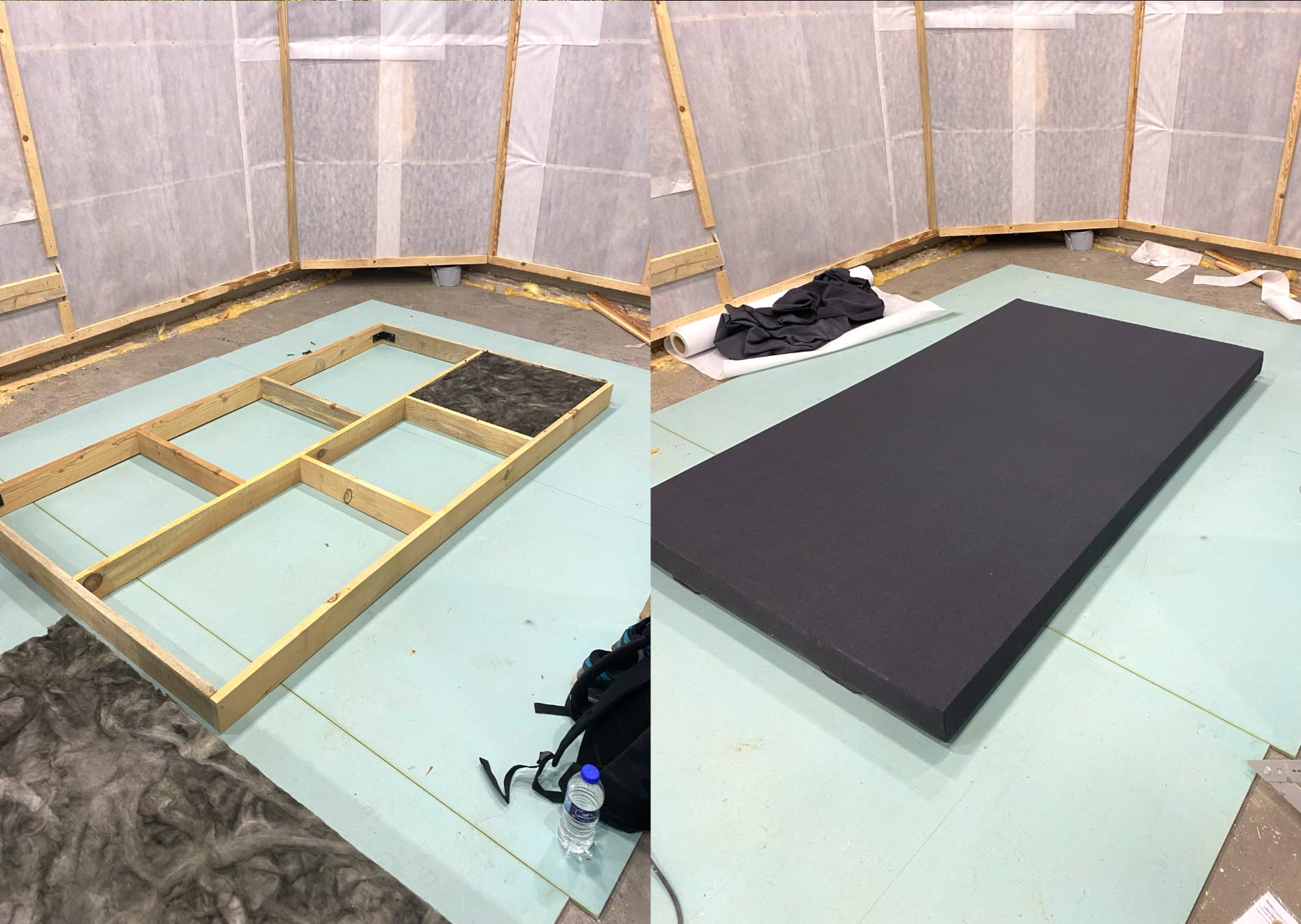
Modern studio sound stages are acoustically designed to kill sonic energy. Walls are lined with dense, sound-absorbing fiberglass baffles, and ceilings are suspended with massive acoustic traps designed to eliminate room flutter, reverberation, and environmental pollution. While this dead environment guarantees pristine dialogue capture for the actors, it completely eliminates the subtle acoustic reflections that make human movement feel physically grounded in a space.
When an actor sits on a leather sofa or puts a porcelain teacup onto a saucer on set, the production microphone is positioned several feet above their head to capture their voice. The delicate acoustic transient of the teacup never reaches the microphone capsule with sufficient frequency definition. Left untreated, the scene feels strangely weightless, like ghosts drifting across a digital rendering. Reintroducing physical presence requires building an entire secondary sound world at the physical intersection of foley sound mechanics and human tactile expectations.
Four Proven Principles That Turn Ordinary Objects Into Visceral Illusions
Mastering practical foley sound mechanics requires bridging the divide between sonic exaggeration and psychological believability. Audio performers must look past what an object is and listen exclusively to what an object sounds like under pressure. By manipulating physical materials, resonance chambers, and microphone positions, artists construct bespoke acoustic layers that breathe life into every frame.
Fabric Layering And The Art Of Silent Characterization
Every human movement produces a continuous symphony of friction before any spoken word emerges. Foley teams record dedicated passes known as cloth tracks to capture this subtle movement. The choice of garment material establishes character temperament and dramatic weight before dialogue begins. A trench coat made of heavy oiled canvas rustles with a dark, threatening stiffness, whereas silk lingerie whispers with delicate fluidity.
Artists drape diverse fabrics over their arms and rhythmically manipulate them in sync with onscreen actors. Heavy denim rubs together to communicate blue-collar weariness, while tailored wool suits project crisp corporate restraint. This continuous bed of textile audio conceals microscopic background noise from dialogue tracks while providing a subconscious cushion that makes human presence tactile.
Non-Literal Material Substitution For Hyper-Real Textures
Literal objects rarely produce their cinematic equivalents. Breaking human bones are routinely brought to life by snapping raw stalks of celery wrapped in wet chamois cloth. A stabbing motion against human flesh is frequently created by driving a hunting knife into a chilled honeydew melon or a head of dense cabbage. Sound designers realize that the internal moisture and fibrous resistance of vegetables provide the wet, crunchy acoustic spectrum that cinema audiences equate with biological trauma.
When human ears encounter raw violence or sudden trauma, our cognitive faculties process the chaos differently than pure visual stimuli. Just as documentary footage of civil unrest feels viscerally immediate—a dynamic explored when the Albania protests escalate with 4 major turning points pushing Tirana past the boiling point—fictional cinematic storytelling requires constructed acoustic signifiers to evoke the same neurological dread. Cracking pine nuts between pliers generates the horrific sound of snapping teeth, while waving heavy bamboo stalks through the air creates the whistling rush of heroic martial arts strikes. This practice underlines the counterintuitive genius of foley sound mechanics, proving that acoustic truth is forged through imagination rather than literal replication.
Acoustic Pits And Dynamic Surface Choreography
A professional recording stage resembles an eclectic junkyard built around a grid of recessed floor pits. These pits are filled with contrasting materials, ranging from crushed red gravel, river rocks, and packed dirt to weathered floorboards, linoleum, and shallow steel water troughs. Foley walkers keep collections of vintage shoes with distinct heel compositions because a soft rubber running sneaker sounds radically different from a hard leather dress shoe.
The performer does not simply walk in place. They must physically absorb the emotional posture of the onscreen actor. If a character is exhausted, nervous, or pursuing a target, the weight distribution between heel strike and toe roll must mirror that psychological state. Applying heavier downward pressure on the ball of the foot transfers low-frequency resonance into the floorboards, instantly signaling predatory stealth or physical bulk to the viewer.
Spatial Perspective And Proximity Mechanics
Microphone technique governs whether a captured sound feels intimate or vast. If a character is framed in a tight extreme close-up, the microphone is positioned mere inches away from the prop, capturing rich low frequencies through the acoustic proximity effect. This close capture accentuates microscopic details, such as the quiet clicking of fingernails on an envelope or the soft creak of a leather holster.
Conversely, if an actor is seen walking across a distant horizon in an extreme wide shot, tracking that movement with a closely miked, bass-heavy footstep destroys spatial perspective. The foley artist must back away from the microphone capsule and let the natural reflections of the live room interact with the sound wave. Balancing directional shotgun microphones with omnidirectional room pairs allows the mixer to position the sound accurately within the visual depth of field.
The Modern Synthesis Of Analog Craft And Digital Precision
In an era dominated by computer-generated imagery and algorithmic tools, contemporary digital production has not replaced traditional foley sound mechanics. While modern digital audio workstations contain millions of pre-recorded sound effects, static audio files lack dynamic performance variation. If a digital editor pastes the exact same canned footstep or door latch sound ten times across a sequence, the human brain instantly flags the acoustic repetition as artificial.
Human movement is characterized by continuous micro-variations. Every stride across a wooden floor hits a slightly different grain, strikes at an altered angle, and disperses energy across different harmonic frequencies. Physical performers instinctively deliver those variations in real time, reacting organically to the actor’s pacing on screen. Digital processors, convolutional reverbs, and transient shapers are now used to polish and position these physical performances within multi-channel surround sound beds, marrying analog spontaneity with surgical spatial accuracy.
The Enduring Triumph Of Physical Deception In Modern Storytelling
Cinema remains an intoxicating medium because it invites audiences into worlds that never existed. We suspend our disbelief because every frame of light is matched by an acoustic environment that feels warm, tactile, and indisputably alive. Behind every thundering explosion, every intimate whisper, and every eerie creak of an opening door stands a tireless performer manipulating ordinary junk in the quiet shadows of a darkened stage.
Developing an enduring appreciation for foley sound mechanics reminds us that the ear does not seek factual truth. The ear seeks psychological resonance, emotional rhythm, and physical texture. By mastering the intricate mechanics of acoustic physics and tactile psychology, audio artists will continue to craft the rich, invisible illusions that make storytelling timeless.