P Diddy Faces 4 Critical Realities Behind His Violent Prison Transfer
Following reports of a violent altercation, an unexplained head injury, and disciplinary violations, Sean Combs has been abruptly transferred between federal facilities. Here is the investigative breakdown of what transpired behind prison walls.

The federal incarceration of P Diddy took a chaotic turn this week as reports of violence, physical injuries, and abrupt facility transfers surfaced. Following a series of cascading controversies behind prison walls, the embattled music mogul found himself at the center of conflicting institutional statements, persistent rumors of severe disciplinary infractions, and an emergency hospital visit that federal corrections officials have struggled to clarify.
Sean Combs, who has spent recent months navigating intense legal battles while detained under federal supervision, became the subject of intense media scrutiny after accounts emerged detailing an alleged brawl resulting in trauma to his head. What began as whispers inside the correctional grapevine rapidly exploded into international headlines, prompting immediate reviews of inmate management protocols and institutional transparency across the United States federal carceral system.
The Sudden Escalation Inside Federal Confinement
Operating under the intense glare of global media interest, federal detention facilities maintain rigorous protocols designed to isolate high-profile defendants from targeted violence and illicit privileges. However, the volatile reality inside federal walls often defies bureaucratic containment. As reported by Page Six, federal authorities recorded multiple disciplinary violations linked to Combs, ranging from unauthorized communication activities to involvement in physical confrontations with fellow inmates.
Tensions reached an undeniable breaking point when news broke that Combs had required specialized medical evaluation outside routine perimeter checks. While correctional representatives frequently attempt to downplay internal violence to preserve order and avoid legal scrutiny, the visibility of the detainee made full secrecy impossible. Public safety advocates and legal observers quickly raised pointed questions regarding how an inmate of such immense public recognition could become entangled in violent disciplinary scenarios without immediate administrative intervention.
A Mysterious Head Injury and Conflicting Official Accounts
The timeline of the incident grew increasingly contentious when TMZ reported that the physical damage sustained by Combs was the direct outcome of a violent altercation involving high-profile Jamaican inmate Christopher “Dudus” Coke. Coke, a notorious figure serving a lengthy federal narcotics sentence, reportedly crossed paths with Combs in a clash that left the hip-hop producer nursing a distinct head injury.
Yet, the official response from authorities immediately contradicted the narrative established by investigative outlets. As reported by People, prison representatives flatly denied that an altercation between inmates had taken place, attempting to quell speculation regarding a massive security failure within their housing unit. Despite this categorical denial, the Bureau of Prisons conspicuously failed to offer any alternative explanation for how Combs sustained the visible head trauma that necessitated immediate medical attention.
The institutional ambiguity only deepened the controversy surrounding P Diddy and the violent altercation claims. Yahoo reported that the subsequent hospitalization of Combs took an increasingly mysterious turn when internal Bureau of Prisons paperwork and administrative filings clashed with eyewitness leaks and outside reporting. By denying the fight while refusing to account for the physical injuries, correctional administrators inadvertently fueled broader concerns regarding inmate safety, institutional accountability, and potential administrative cover-ups within federal compounds.
Four Critical Pressures That Triggered the Allenwood Transfer
The convergence of physical altercations, behavioral write-ups, and systemic media attention eventually forced federal authorities to take decisive action. Understanding how P Diddy found himself in such hazardous crosshairs requires examining the distinct pressures that culminated in his emergency relocation.
The Alleged Physical Altercation with Christopher Dudus Coke
The most alarming development emerged from reporting by TMZ, which pinpointed Christopher “Dudus” Coke as the primary individual involved in the violent clash. Coke, who once wielded immense power through the Shower Posse syndicate in Jamaica before his extradition and subsequent federal conviction in the United States, represents a hardened carceral demographic entirely disconnected from celebrity circles. While correctional spokespersons firmly pushed back against reports of this specific clash, security analysts emphasize that interactions between high-profile cultural elites and entrenched organized crime figures present severe structural vulnerabilities that federal facilities often struggle to mitigate.
Documented Infractions Involving Unauthorized Phone Usage
Physical danger was not the sole catalyst for administrative disruption. According to reporting from Page Six, disciplinary records documented against P Diddy during his stay detailed chronic violations of facility communication regulations. Specifically, investigators uncovered instances of unauthorized phone usage, circumventing established monitoring channels designed to track detainee correspondence. Inside federal facilities, unauthorized communication is treated as a major administrative breach because it undermines institutional surveillance, compromises evidence retention, and creates underground leverage among inmates seeking unauthorized outside contact.
Public Backlash Over Allegations of a Luxury Lifestyle
The disciplinary friction was further amplified by mounting complaints concerning perceived preferential treatment. ABC7 Chicago highlighted that regulatory monitors and fellow detainees grew frustrated over persistent reports that Combs was maintaining an unauthorized luxury lifestyle behind bars. Allegations that prominent prisoners receive special provisions, premium commissary access, or lax enforcement regarding standard facility mandates routinely ignite acute resentment among the general prison population. In an environment governed by strict rationing and systemic deprivation, any hint of celebrity exceptionalism paints an immediate target on the individual receiving perceived favors.
The Abrupt Facility Shift from Fort Dix to Allenwood Low
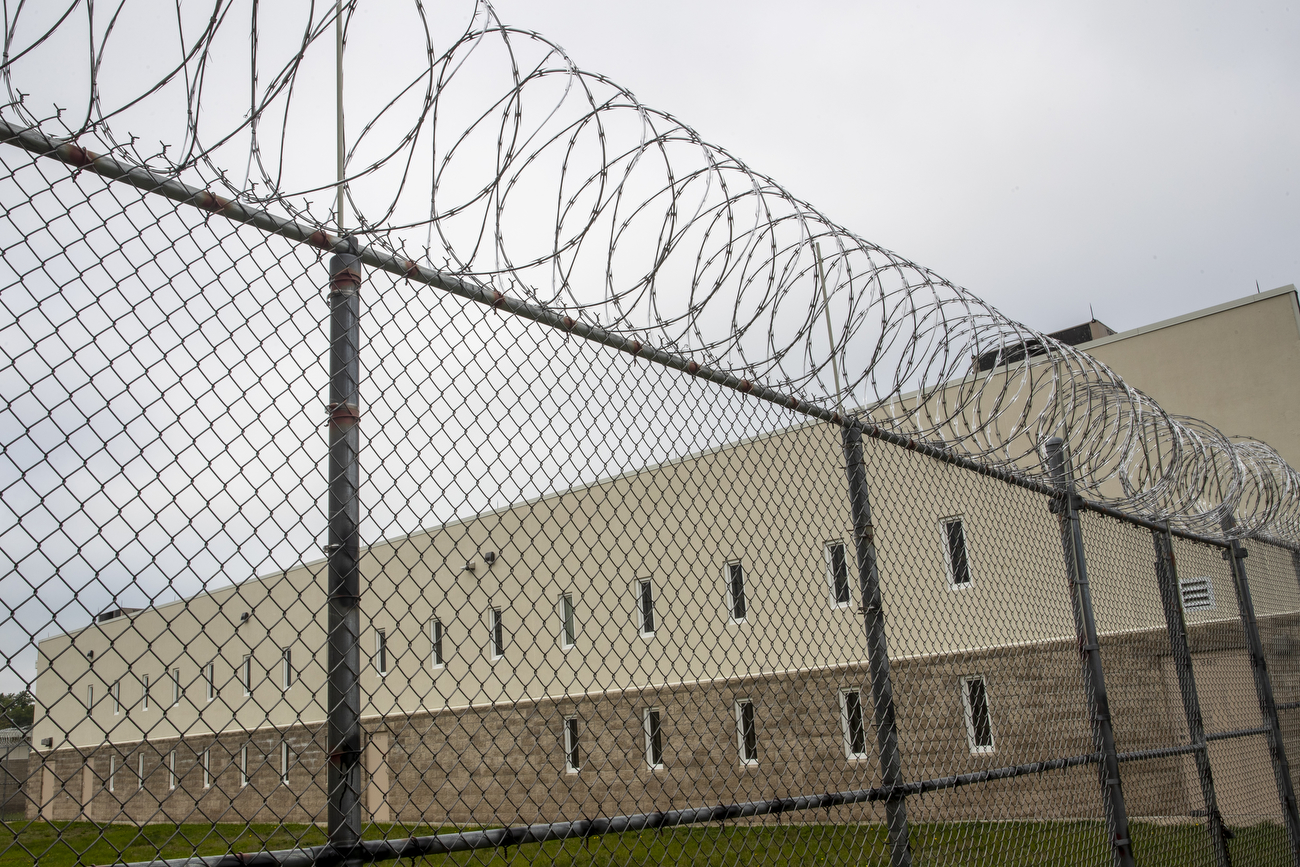
Faced with an unsustainable cocktail of violence, administrative infractions, and public outrage, authorities orchestrated an immediate transfer. As confirmed by ABC7 Chicago, Combs was quietly extracted from FCI Fort Dix in New Jersey and relocated to FCI Allenwood Low, a federal facility situated in central Pennsylvania. This strategic repositioning was executed to reset the inmate’s security parameters, sever established underground networks inside Fort Dix, and isolate the defendant from active physical disputes that could generate catastrophic institutional liability.
Bureau of Prisons Silence and Contradictory Public Narratives
The institutional response from the Bureau of Prisons has drawn fierce condemnation from legal analysts who monitor federal carceral conditions. When high-profile detainees suffer injuries under federal custody, transparent accounting is essential not only to preserve public confidence but also to ensure compliance with constitutional protections against cruel and unusual punishment. The agency’s decision to deny an inmate altercation while staying silent on the origin of the head wound reflects a long-standing pattern of bureaucratic containment.
Behind closed doors, correctional managers frequently balance competing priorities. Acknowledging a high-profile physical clash between prominent inmates exposes systemic gaps in perimeter security, staff oversight, and conflict de-escalation protocols. Conversely, issuing vague denials without documenting medical causes fuels speculation that authorities are either unable to safeguard their facilities or actively suppressing documentation to avert political fallout. As scrutiny intensified around P Diddy as corrections administrators faced mounting questions, the operational reality of managing volatile personalities under strict federal standards became an urgent point of institutional debate.
Navigating these institutional pressures requires calculated maneuvers where every step carries severe legal and physical ramifications. Much like how high-stakes tactical pivots unfold under extreme external pressure—as analyzed when Tommy Paul Eyes 3 Proven Strategic Moves to Dismantle Daniil Medvedev in Shanghai—managing defense mechanisms inside a volatile federal facility demands constant strategic calculation. In federal custody, a single miscalculated interaction or unchecked disciplinary infraction can fundamentally compromise an inmate’s personal safety and entire judicial standing.
Furthermore, the narrative constructed around P Diddy shifted rapidly from legal battles in the courtroom to primal survival inside the correctional compound. When disciplinary write-ups for unauthorized communication align with physical brawls and emergency transfers, the legal defense team faces an uphill battle in arguing for lenient confinement standards or bail reconsiderations. Federal judges review institutional conduct reports meticulously, and persistent behavioral infractions invariably harm ongoing defense motions.
The Road Ahead for Federal Custody Protocols
The transfer to FCI Allenwood Low represents a clean operational slate, yet it simultaneously introduces a fresh array of challenges. Allenwood Low maintains distinct administrative cultures, housing guidelines, and operational routines compared to Fort Dix. While lower-security installations generally present lower baseline rates of institutional violence, the presence of a global superstar carrying a history of documented infractions and reported altercations guarantees continued vigilance from correctional officers.
Investigators and legal representatives will likely continue pressing for internal documentation concerning the initial hospitalization. Freedom of information requests, inmate testimony, and formal administrative remedies are expected to target the discrepancy between the Bureau of Prisons’ public statements and medical triage reports. Until official logs reveal precisely how the physical trauma occurred, public intrigue will remain unquenched.
Ultimately, the future for P Diddy hinges on whether institutional stability can be restored amidst the unending storm of civil suits, federal charges, and carceral challenges. The transition to Pennsylvania serves as a stark reminder that immense wealth and cultural influence provide little protection once an individual is placed under the uncompromising custody of the federal penal system.