Karoline Leavitt Reveals 4 Critical Truths Behind Her White House Exit and Rising Spotlight
Former White House press secretary Karoline Leavitt has broken her silence on persistent exit rumors, West Wing pressure, and personal scrutiny. Here is an investigative breakdown of her latest revelations alongside fresh turmoil at the podium.
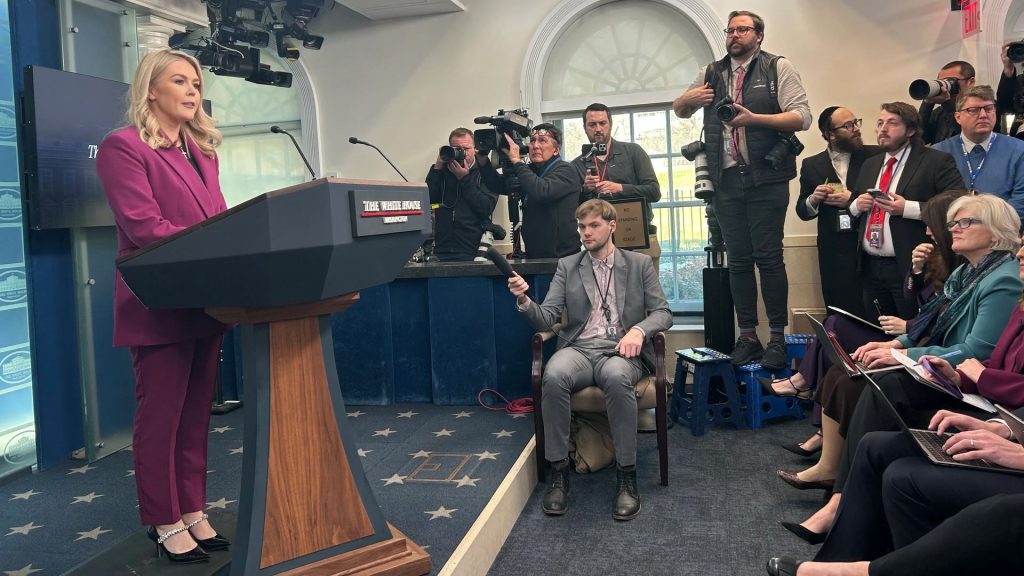
When former presidential press secretary Karoline Leavitt stepped away from the most visible lectern in global politics, speculation instantly flared across Washington and cable news studios. The White House briefing room represents one of the most grueling assignments in modern governance, a high-stakes arena where a single misspoken phrase can trigger international market fluctuations or spark a multi-day political crisis. In recent days, the public discourse surrounding her tenure, her sudden departure, and her personal life has reached a boiling point.
As documented across major reporting by Fox News, USA Today, and Yahoo, Leavitt has broken her silence to address the swirl of speculative narratives that followed her out of the West Wing. She delivered pointed responses to what she characterized as baseless rumors concerning her exit, offered rare insight into the daily reality of serving Donald Trump, and spoke openly about the delicate balance between high-profile communications work and early motherhood. Concurrently, new turbulence inside the executive press office has drawn fresh attention to her legacy.
The Whirlwind Briefing Room and the Aftermath of West Wing Pressure
For Karoline Leavitt, the transition from aggressive campaign trail combatant to the principal public voice of the executive branch was both rapid and historically unprecedented. Stepping into the national spotlight at a young age, she assumed the responsibility of translating an erratic, fast-moving policy agenda for an adversarial press corps. The West Wing briefing room rarely offers a learning curve, and her tenure was marked by combative daily exchanges, sudden policy pivots, and unrelenting camera presence.
Fox News reported that Leavitt recently pulled back the curtain on the intense psychological and physical toll of holding that podium while embarking on first-time motherhood. The constant churn of crisis management left little room for personal respite. Rather than fading quietly into private political consulting, she has found herself navigating a secondary wave of scrutiny centered on the circumstances surrounding her departure and her private household dynamics.
Much of Washington operates on palace intrigue, where sudden personnel transitions are immediately parsed for signs of West Wing infighting or executive displeasure. As USA Today reported, Leavitt took direct aim at gossip mill theories attempting to reframe her exit, refusing to allow unnamed sources and political commentators to dictate the history of her government service.
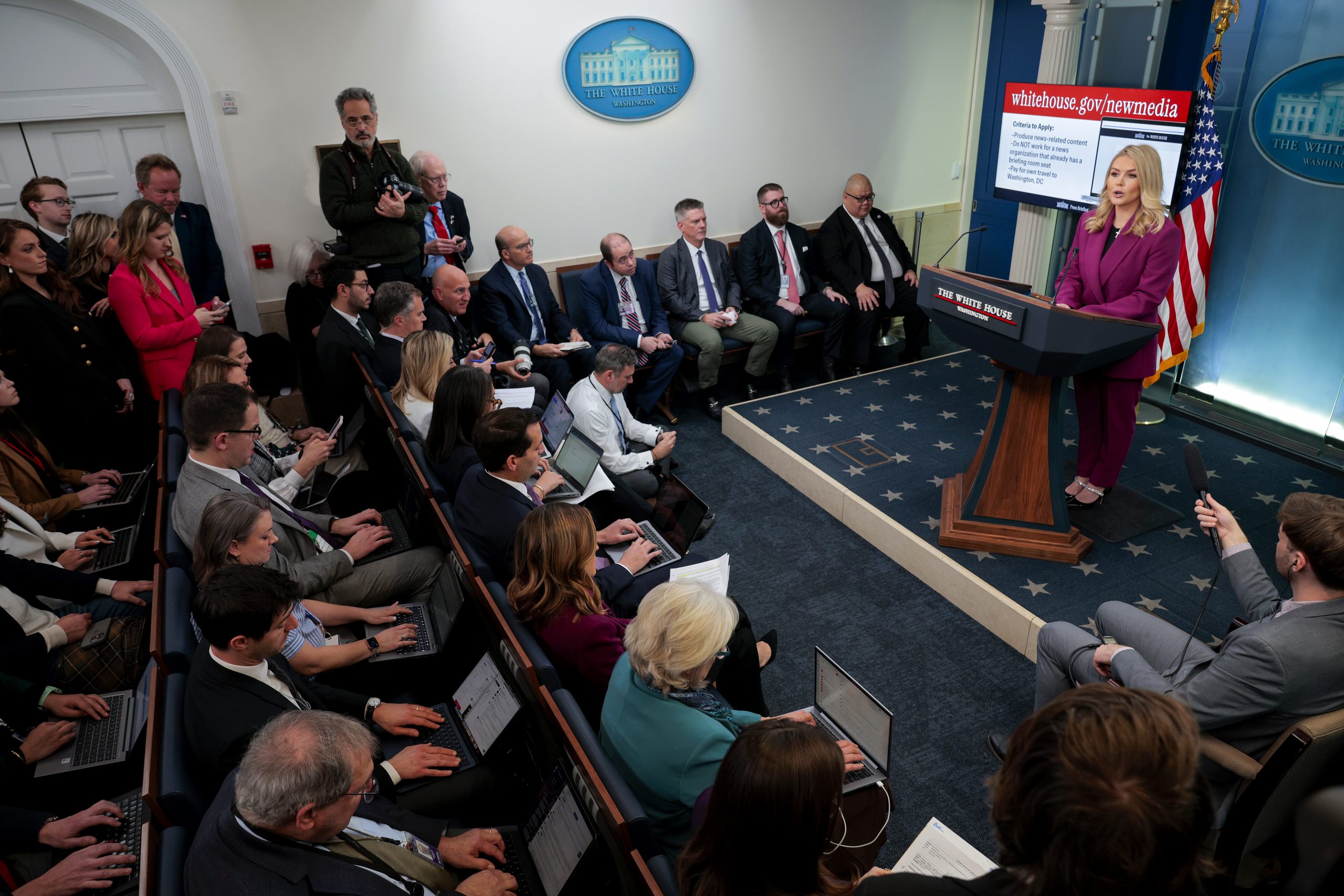
4 Critical Revelations Defining the Latest Karoline Leavitt Spotlight
Understanding the current media firestorm requires unpacking the specific points where the former press secretary has chosen to draw a line in the sand. By examining how Karoline Leavitt navigated the sharpest transitions of her career, an illuminating picture emerges of how modern political communicators defend their records beyond the briefing room gates.
Pushing Back Against Exit Gossip with Defiant Clarity
The rumor mill in the nation’s capital rarely pauses for verification, particularly when a high-profile aide steps aside. In an interview covered comprehensively by USA Today, Leavitt addressed prevailing speculation regarding her departure, directly labeling the circulating narratives as outright stupid. She dismissed whispers that internal disputes or policy fractures hastened her departure, emphasizing that decisions about her career timeline were deliberate rather than reactionary.
Washington has long weaponized leaks to cast departing officials as either casualties of power struggles or figures sidelined by West Wing rivals. By directly confronting these rumors with unvarnished language, she sought to neutralize the anonymous briefing wars that often define administration departures. Her rebuttal underscored a calculated determination to protect her professional standing from revisionist political theater.
Unfiltered Reflections on Working Directly Under Donald Trump
Managing communications for Donald Trump requires a skill set entirely distinct from standard political public relations. As detailed by Yahoo, Leavitt dropped revealing comments about the practical mechanics of working under a president who essentially acts as his own chief communications strategist. She described a breakneck working environment where news cycles do not conform to traditional business hours or prepared briefing binders.
In detailing this experience, what Karoline Leavitt characterized as an environment driven by relentless speed highlighted the expectations placed upon executive spokespeople. A press secretary under Trump cannot simply recite talking points; they must anticipate executive sentiment in real time, absorbing incoming media pressure while projecting total alignment with a leader who often drives the narrative via late-night digital broadcasts.
Navigating Personal Scrutiny and Age Gap Relationship Judgment
Beyond legislative arguments and press pool clashes, Leavitt has also faced persistent commentary concerning her marriage. Reporting from People documented her frank advice to women who find themselves navigating age-gap relationships amid public commentary, telling them unequivocally to ignore the critics and dismiss external judgment.
In an era where political figures have their private domestic choices analyzed through political and cultural lenses, her willingness to tackle digital criticism head-on reflects a modern counter-punching communications strategy. Rather than maintaining an aloof, traditional silence, as Karoline Leavitt noted when speaking about cultural scrutiny, pushing through unsolicited public opinions has become a necessary armor for high-visibility figures.
Balancing Modern Motherhood with High Stakes Public Defense
The intersection of national governance and motherhood remains one of the most taxing challenges in professional public life. In her sit-down with Fox News, the former press secretary detailed the stark operational reality of running a premier government press shop while caring for an infant. The sheer stamina required to brief reporters, field emergency inquiries at midnight, and maintain familial stability proved to be a defining test.
Her reflections provided a rare human dimension to an office often viewed purely through a partisan lens. She shed light on the intense personal compromises that senior officials frequently make, arguing that female conservative communicators should not feel forced to choose between reaching the pinnacle of national media strategy and building a family life.
The Revolving Podium and the Katie Zacharia Seven Day Shakeup
Leavitt’s retrospective comes at an extraordinarily volatile moment for executive communications. According to breaking reports from People, Katie Zacharia is out as White House Press Secretary after serving a dizzying tenure of just seven days. Zacharia, a former conservative commentator elevated to steer the daily briefing, saw her tenure end almost immediately after it began, setting off fresh alarms regarding stability within the administration’s messaging apparatus.
The sudden removal or departure of Zacharia underscores the unique perils of the lectern. Stepping behind that podium demands far more than television polish or partisan credentials; it demands an innate grasp of executive policy, an ability to handle ambush questioning, and an unbreakable rapport with West Wing leadership. As explored throughout our editorial library on political communications and media strategy, rapid turnover at the White House podium often signals deeper structural friction between communication teams and the executive principal.
Zacharia’s rapid departure immediately contextualized Leavitt’s prior endurance. Managing to survive the relentless operational tempo of the Trump press office for months looks far more formidable against the backdrop of an aide whose tenure unraveled in a single week. To political analysts, the brief tenure underscored why Karoline Leavitt had faced such an intense challenge in sustaining public credibility while managing the unpredictable demands of the Oval Office.
The Strategic Future of Political Communications in Modern Washington
The post-podium trajectory for modern presidential spokespeople has fundamentally shifted. Decades ago, former press secretaries quietly transitioned into corporate public relations, academic fellowships, or network commentary desks, strictly maintaining a degree of institutional decorum. Today, figures emerging from high-profile administrations increasingly operate as independent political brands, confronting rumors directly, leveraging social media followings, and engaging in cultural discourse.
By blending aggressive defense of her tenure with candid reflections on motherhood and personal relationships, the public trajectory of Karoline Leavitt serves as a definitive case study in how new-generation political actors manage public narrative equity. Rather than allowing anonymous insiders to characterize her exit, her proactive approach has established a clear counter-narrative.
As the executive press shop searches for steady footing following the startling seven-day exit of Katie Zacharia, the demands placed upon the White House podium will only intensify. Communicators must navigate a splintered media ecosystem where viral digital clips outshine formal policy statements. Whether fielding questions from White House correspondents or navigating online speculation, surviving the West Wing spotlight requires both unyielding political discipline and the willingness to push back when the narrative veers off course.