Meat brining mechanics and 4 proven secrets to lock in incredible juiciness
Submerging meat in salted water is not simple passive absorption; it is an active biochemical reconfiguration of muscle tissue. Discover the precise physics of salt penetration, filament swelling, and thermal moisture retention.
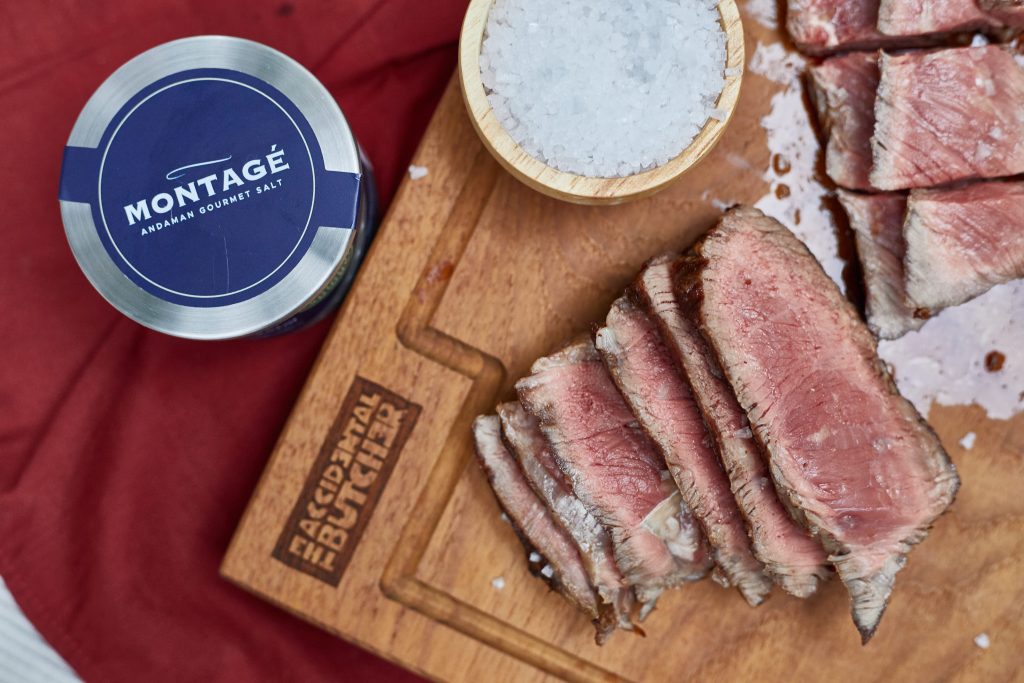
Mastering meat brining mechanics transforms lean, temperamental cuts into succulent centerpieces by fundamentally altering how muscle proteins trap water under intense heat. Many home cooks approach the process as simple soaking, imagining that submerging a bird or roast in saltwater merely forces hydration through hydrostatic presence. The reality is far more elegant and complex. When raw muscle tissue meets a concentrated saline environment, a multi-stage biochemical cascade unfolds within every sarcomere and myofibril bundle. Proteins unravel, filament spaces widen, and the electrical charge of cellular components shifts to attract and hold polar water molecules. Without these structural modifications, cooking inevitably forces muscle fibers to contract like tightly wrung sponges, expelling internal juices onto the cutting board.
Understanding this internal architecture is what separates accidental kitchen successes from repeatable, professional-grade results. Whether you are dealing with lean heritage pork loins, skin-on chicken breasts, or a sprawling holiday turkey, the behavior of salt at the cellular boundary determines whether your final dish tastes luscious or resembles dry, fibrous twine.
The Hidden Physics of Moisture Migration in Muscle Fibers
Raw muscle is roughly seventy-five percent water, twenty percent protein, and five percent lipids and minerals. That vast reservoir of water is not sloshing around loosely inside cellular chambers; it exists primarily within the tiny spaces between the thick myosin and thin actin filaments that generate muscular contraction. In living tissue, these filaments slide past each other smoothly. Once harvested and chilled, the actomyosin cross-bridges lock firmly in place, compressing the interstitial space where water naturally resides.
When you apply heat to unbrined muscle tissue, these structural proteins begin to denature and coagulate. Myosin begins shrinking at around one hundred and twenty degrees Fahrenheit, followed by actin contracting violently around one hundred and fifty degrees. As these filaments tighten along their longitudinal and transverse axes, they squeeze the capillary channels between them. Water that was loosely immobilized inside the protein grid gets forced out of the cell, surfacing as pan evaporative loss or pooling runoff. An unbrined chicken breast can surrender up to thirty percent of its total mass purely to thermal shrinkage.
Salt acts as a molecular pry bar against this destructive contraction. When sodium and chloride ions penetrate the muscle fiber, they disrupt the electrostatic bonds holding the protein chains together. Myosin filaments dissolve at specific ionic strengths, while actin lattices relax their mechanical grip. As these dense structures partially unpack, the internal matrix swells. Instead of expelling water during the early stages of cooking, the relaxed protein scaffolding creates expansive capillary zones capable of absorbing and anchoring supplementary moisture.
Why Osmosis Alone Fails to Explain Salt Penetration
Culinary folklore frequently mislabels brining as a purely osmotic event. If conventional osmosis were the only physical mechanism at play, standard brining would actually ruin your dinner. Osmosis dictates that solvent molecules migrate through a semipermeable membrane from an area of low solute concentration to one of high solute concentration to achieve equilibrium. If meat were governed strictly by this rule, submerging a six-percent water bird into an eight-percent saline bath would pull internal water out of the cells, dehydrating the protein until the interior shriveled.
Truly grasping the real process requires a deeper dive into meat brining mechanics than simple textbook definitions provide. In animal tissue, the sarcolemma membrane is compromised shortly after slaughter, rendering it permeable not just to water, but directly to dissolved ions. What actually occurs is a delicate two-phase sequence driven by diffusion alongside protein swelling. Initially, hypertonic surface contact does pull a minuscule film of moisture outward. However, sodium and chloride ions immediately dissolve within that exterior moisture, moving steadily down their chemical gradient into the interior of the muscle.
Structural transformation rarely occurs through a single isolated reaction; rather, it hinges on sustained, competing forces working across multiple biological fronts. Just as systemic shifts in institutional balance illustrate how underlying pressures reshape long-term policy—analyzed comprehensively in Ellie Chowns Sparks 3 Critical Battles Reshaping Green Politics—the physical reorganization of cellular tissue relies on opposing gradient forces that systematically redefine the entire protein matrix. Detailed studies within the Exploratorium food science archives on salt chemistry reveal that once internal ionic concentration reaches roughly one percent, the chloride ions bind preferentially to actin and myosin filaments. This increases the net negative charge of the proteins, causing adjacent filaments to repel one another like matching magnetic poles. That electrostatic repulsion creates an internal vacuum, actively pulling the displaced water back deep into the newly expanded cellular lattice.
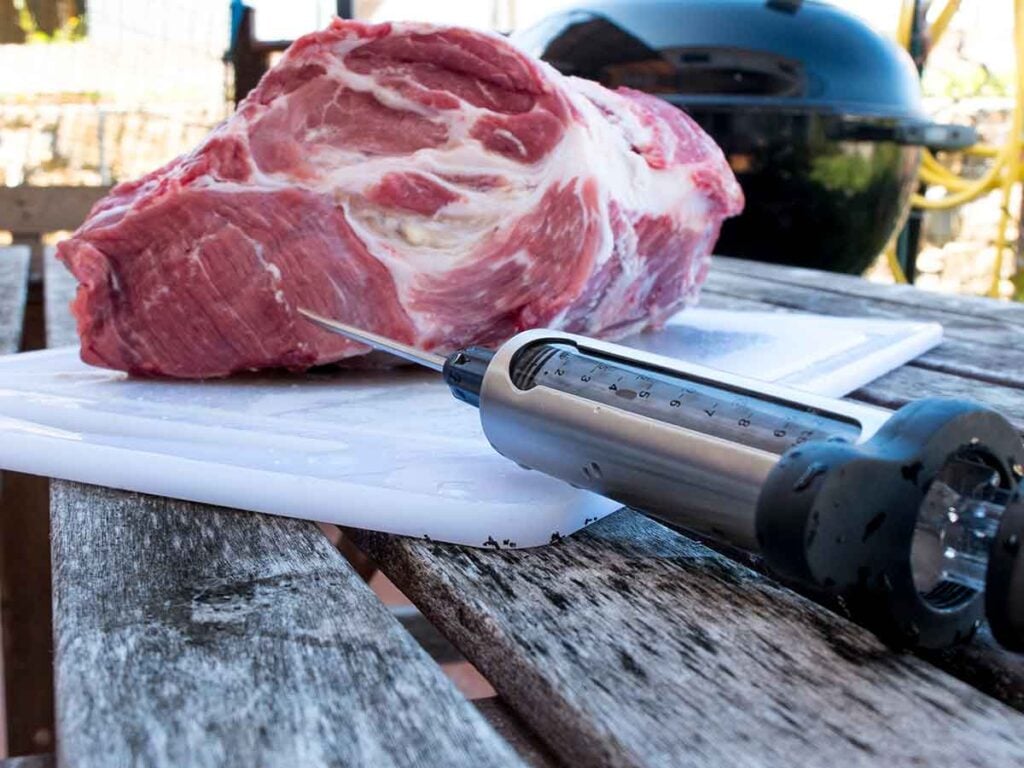
Mastering Meat Brining Mechanics Across 4 Essential Methods
Unlocking the full potential of meat brining mechanics requires selecting the correct methodology for your specific culinary goal. Protein density, fat distribution, surface skin presence, and target cooking temperatures all dictate which physical approach yields maximum juiciness without sacrificing exterior texture.
Wet Brining for Porous Lean Cuts
Traditional wet brining involves immersing meat into a water-based saline solution, typically formulated between five and eight percent salinity by weight. This method excels with exceptionally lean cuts that possess rapid thermal conductivity and low intramuscular collagen, such as pork tenderloin, turkey breast cutlets, and shrimp. The sheer volume of available external water allows the muscle to absorb up to ten percent of its initial raw weight during an extended soak.
The critical drawback of wet brining lies on the surface. Waterlogged skin cannot brown effectively because surface moisture must vaporize entirely at two hundred and twelve degrees Fahrenheit before the Maillard reaction can initiate at three hundred degrees. If you utilize a wet bath for poultry, you must incorporate a secondary refrigeration phase, resting the bird uncovered on a wire rack for twelve to twenty-four hours to form a tacky, dehydrated skin layer known as a pellicle.
Dry Brining to Preserve Surface Crispness
Dry brining eliminates the water bath entirely, relying on precise surface salting between one and one-and-a-half percent of the total meat mass. When coarse kosher salt touches raw meat, it immediately extracts concentrated surface water via localized osmotic draw. Within thirty minutes, that moisture dissolves the salt crystals, creating an intensely concentrated microscopic brine film on the exterior.
Over the subsequent several hours, diffusion pulls that concentrated surface brine deep into the interior fibers, where it dissolves myosin filaments exactly like a wet brine. Meanwhile, the surrounding refrigerator air actively wicks away lingering surface humidity. This dry approach represents the pinnacle of modern meat brining mechanics for poultry and steaks, achieving deep internal cellular hydration while leaving the exterior parchment-dry for blistering, crackling crust development.
Equilibrium Brining for Flawless Salinity Control
High-concentration brining introduces a perilous margin of error; pull your roast out two hours late, and the exterior layers become aggressively salty. Equilibrium brining solves this through closed-loop mathematics. By placing the cut of meat and a measured quantity of water inside an airtight vacuum bag and calculating the combined weight, you add an exact percentage of salt—typically between one point two and one point five percent of the total combined mass.
Because the total environment cannot exceed your target salinity, the system naturally balances out and halts once interior and exterior reach parity. You can leave a pork roast or chicken submerged in an equilibrium brine for three days without any danger of over-salting, making it the most scientifically reliable iteration of meat brining mechanics developed to date.
Acid and Enzyme Hybridization for Tough Collagen
While standard saline treatments relax myofibrillar muscle bundles, they exert negligible influence over dense connective tissues like collagen and elastin. Hybridizing your brine with mild organic acids such as buttermilk, yogurt, or cultured whey, or utilizing targeted proteolytic enzymes found in ginger or grated onion, targets both structural systems simultaneously.
The salt systematically relaxes the internal myofibrils, while modest acid concentrations activate endogenous enzymes (cathepsins) that weaken surface connective sheaths. Caution remains paramount: excessive acidity with a pH below four point zero will over-denature the exterior, precipitating proteins into a mushy, curd-like paste before the salt can carry the flavor inward.
Critical Errors That Turn Tender Protein Mushy
A common misstep when ignoring meat brining mechanics is confusing salt concentration with time. Subjecting a delicate chicken breast to a saturated twelve-percent brine in an attempt to hurry the process causes catastrophic unevenness. The outermost five millimeters of the flesh become violently over-salted and chemically cured, taking on the dense, rubbery texture of raw ham, while the core remains untouched and susceptible to moisture loss.
Another frequent oversight involves temperature abuse. Brining must always take place beneath the bacterial reproduction threshold of forty degrees Fahrenheit. Warm water accelerates diffusion rates, but it simultaneously invites enzymatic degradation and microbial proliferation that degrade meat quality long before cooking begins. Always thoroughly dissolve your salt in boiling water first, then chill the liquid down to refrigerator temperature before allowing raw protein to make contact.
Volumetric measurements introduce tremendous inconsistency across kitchens. A cup of dense table salt contains nearly twice the sodium chloride mass of a cup of coarse flaky kosher salt due to crystalline packing voids. Relying on tablespoons instead of digital gram scales will swing your salinity wildly between bland under-hydration and unpalatable salt saturation.
The Science of Finishing Heat After Salt Restructuring
The true triumph of proper brine mechanics appears inside the oven or smoker. In unbrined protein, cooking past one hundred and sixty degrees Fahrenheit forces actin filaments to shrink drastically, driving out virtually all free water. In properly brined protein, the denatured, negatively charged filaments hold onto their hydration envelope up to ten degrees higher on the thermal spectrum.
Even when cooked to well-done temperatures, brined muscle retains between ten and fifteen percent more total moisture by weight than its untreated counterpart. Furthermore, as the meat rests post-cook, the relaxed capillary channels facilitate rapid redistribution of remaining liquids, preventing the flood of juices commonly witnessed when slicing hot, untreated meat. When you align thermal precision with foundational meat brining mechanics, the resulting roast retains unprecedented juiciness, delivering a tender texture that turns even the most notoriously difficult cuts into reliable culinary triumphs.