Ellie Chowns Sparks 3 Critical Battles Reshaping Green Politics
Westminster leader Ellie Chowns has emerged as the bookmakers’ frontrunner to lead the Green Party while warning against extremist capture. Her push to overhaul internal party governance signals a decisive turning point in British politics.
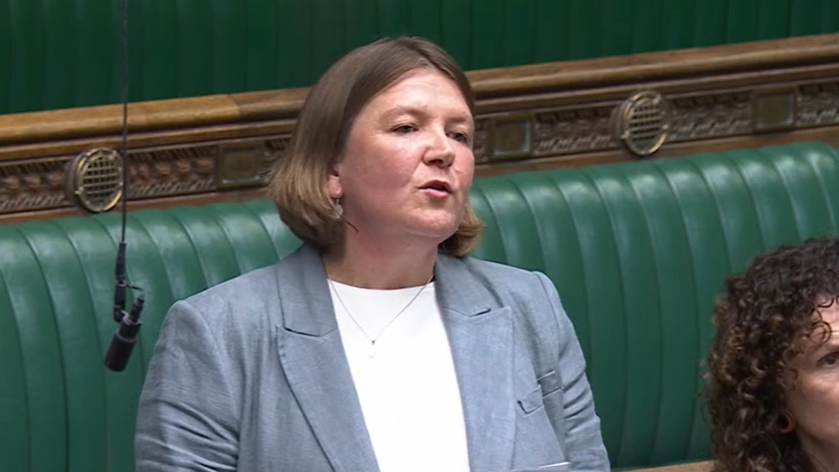
When Westminster leader Ellie Chowns warned that fringe factions threatened her party, the North Herefordshire MP ignited a fierce internal national debate. The intervention arrived during a historic turning point for the Greens, coming on the heels of major parliamentary breakthrough victories that transformed the organisation from a regional insurgent group into an influential parliamentary caucus. Yet the challenges of institutional growth have introduced acute administrative friction, pitching grassroots procedural purism directly against the demands of mainstream political discipline.
As reported by The Guardian, Chowns cautioned that the Green Party must urgently shield itself from being hijacked by outside disruptors. The flashpoint ignited after party conference delegates passed a contentious policy motion declaring Zionism a form of racism. Critically, that landmark ideological declaration was enacted by a micro-contingent representing roughly 0.4 percent of the total party membership. For parliamentary leaders fighting for broad democratic credibility across British constituencies, the episode highlighted structural vulnerabilities that could undermine years of electoral advancement.
The Westminster Crossroads for British Greens
The parliamentary arrival of Ellie Chowns following her breakthrough victory in North Herefordshire represented a seismic transformation in the traditional map of British politics. Rural, agrarian, and previously conservative heartlands witnessed a progressive surge built on direct constituent engagement and pragmatic environmental advocacy. Entering the House of Commons alongside three other Green colleagues established an unprecedented parliamentary platform, granting the party systemic media visibility and legislative leverage.
However, governing in Westminster requires consistent political clarity and immediate public accountability. When internal activist balloting produces headlines that conflict sharply with mainstream diplomatic consensus, parliamentary leaders find themselves answering for resolutions they neither authored nor endorsed. Yahoo News detailed how Chowns, operating in her capacity as the party’s Westminster parliamentary leader, voiced direct concern over low-threshold policy votes that leave institutional mechanisms open to organized subversion. The tension between open-floor democracy and disciplined governance has become impossible to sidestep.
Party administrators now confront an inescapable operational paradox. Opening decision-making channels broadly without strict participation safeguards invites factional mobilization. Conversely, centralizing control risks alienating grassroots activists who dedicated decades to sustaining local branches. As Westminster scrutiny intensifies, every ambiguous resolution approved at an underattended weekend conference echoes loudly inside committee rooms and broadcast studios.
Betting Markets Surge Around the North Herefordshire MP
Bookmakers have recently named Ellie Chowns as the runaway favorite to become the next leader of the Green Party, according to reports published by The Ross Gazette and The Hereford Times. Betting markets adjusted sharply as political observers assessed her elevated parliamentary profile, communicative authority, and strategic positioning at the intersection of grassroots appeal and legislative decorum. While existing party figures like Zack Polanski hold significant activist followings, the emergence of a sitting member of parliament at the front of bookmaker odds reveals an escalating appetite for traditional electoral authority.
Bookmakers often serve as an unsentimental barometer of political realignments. Their sudden elevation of the North Herefordshire MP reflects widespread awareness that parliamentary presence alters the dynamics of modern leadership contests. Holding a Commons seat provides continuous broadcast access, procedural power, and national standing that non-parliamentary or regional figures struggle to match over an extended news cycle.
Speculation surrounding the future direction of the leadership highlights an unresolved debate over political doctrine. Should the Greens function primarily as an activist vanguard pushing unapologetic radical causes, or should they consolidate their parliamentary beachhead to rival established parties across suburban and rural England? For thousands of newly registered supporters who voted Green for the first time in general elections, public confidence hinges largely on visible representatives demonstrating pragmatic competence.
3 Strategic Friction Points Defining the Green Leadership Race
The convergence of bookmaker leadership forecasts, administrative reform demands, and ideological flashpoints has crystallized into three major strategic battles that will determine the Greens’ institutional future.
1. Reforming Fragile Internal Voting Architecture
According to The Guardian, Ellie Chowns openly challenged the party’s voting mechanics after discovering that a resolution defining Zionism as racism passed on the backing of a tiny sliver of members. In an organization boasting tens of thousands of registered fee-payers, permitting approximately 0.4 percent of the membership base to enact binding geopolitical policy statements illustrates structural dysfunction. Such infinitesimal turnout numbers mean disciplined factions can organize targeted voting blocs to steer policy manuals without broad democratic legitimacy.
Chowns explicitly argued that these outcomes prove the party’s traditional internal processes are broken. When constitutional mechanisms allow fractional minorities to dictate national political stances, the resulting manifestos rarely match the broader membership’s values, let alone those of general election voters. Modernizing delegate accreditation, digital verification, and turnout thresholds is no longer a minor procedural adjustment. It is a foundational survival mechanism for a party seeking serious governmental relevance.
2. Safeguarding Westminster Legitimacy Against Radical Entryism
In interviews documented by Yahoo News, Westminster leader Ellie Chowns echoed serious warnings originally raised by former leader Caroline Lucas. Lucas raised explicit alarms that opportunistic single-issue campaigners had joined the party specifically to cast ballots in high-profile ideological votes before departing. This classic entryist strategy exploits low-turnout conventions to co-opt recognized brand equity for controversial niche platforms.
This vulnerability is not exclusive to British environmental politics; ideological insurgencies disrupting established institutions echo patterns seen across global governance, as detailed when the New York Times Exposes 4 Major National Flashpoints Shaking Washington and Wall Street. For the Greens, allowing unvetted or extreme factions to capture policy apparatuses risks alienating rural and suburban voters who backed candidates on platforms of river restoration, local public transport, and clean energy independence. Guarding the party against extremist capture has evolved into an essential test of institutional maturity.
3. Shifting Betting Odds and the Shadow over Zack Polanski
The betting odds reported by The Hereford Times and The Ross Gazette highlight a fundamental contest between contrasting visions of Green leadership. Zack Polanski has maintained a high-visibility media presence rooted in assertive left-wing progressivism and activist organizing. Yet the surging odds favoring an alternative path suggest growing recognition that parliamentary incumbency carries singular weight in contemporary British politics.
Having an MP as national leader creates institutional cohesion, ensuring that the party’s principal voice debates directly opposite cabinet ministers across the parliamentary despatch box. The odds race indicates that donors, institutional strategists, and wider observers perceive a seat-holding leader as better suited to defuse internal factional crises while sustaining electoral credibility among middle-ground voters across Britain’s competitive constituencies.
Bridging Rural Representation and Party Governance
Grassroots organizing remains a pillar for Ellie Chowns, who recently headlined an evening engagement with Chloe Turner, the leader of Stroud District Council, organized via Action Network. These constituent-focused events underscore how the party’s electoral victories were achieved in practice: building sustained, regional trust around regional infrastructure, agricultural preservation, public service renewal, and council-level competence. Bridging the cultural divide between rural farming regions and inner-city activist cells requires tactical dexterity and diplomatic patience.
The contrast between regional pragmatism and metropolitan conference resolutions could not be more stark. In areas like North Herefordshire, voters delivered their trust based on relentless advocacy regarding contaminated waterways, underfunded public clinics, and community transport networks. When national headlines become dominated by controversial foreign policy resolutions passed on negligible turnout, local trust can quickly deteriorate under scrutiny from political opponents eager to brand the Greens as unmoored from everyday domestic realities.
Navigating this geographic and philosophical divide is central to any candidate seeking to unify the national movement. Local government leaders, such as those steering district councils in Gloucestershire and the West Midlands, understand that maintaining council majorities demands delivering functional services rather than adopting divisive ideological purity tests. Balancing high-concept international solidarity with localized constituency service remains an ongoing, intricate assignment.
The Broader Struggle for Contemporary Political Identity
Minor parties that achieve sudden parliamentary scale face severe growing pains. Across Western democracies, insurgent political groups frequently stumble during the hazardous transition from protest movements to institutional players. The structural debate roiling the Greens touches the heart of democratic representation. Does internal democracy demand allowing any motivated fringe to alter party doctrine on a handful of conference floor votes, or does it mandate safeguarding the broader mandate granted by hundreds of thousands of general election voters?
Former leader Caroline Lucas laid the groundwork by demonstrating that an articulate, focused parliamentary presence could command cross-party respect and alter national policy debates. Replicating that success across a larger caucus requires clear rules, defensive firewalls against hostile entryism, and a refusal to let fringe factions dictate external messaging. For reform-minded MPs, protecting the hard-won parliamentary platform from extremist rhetoric is not ideological capitulation; it is strategic common sense.
Whether this momentum will carry Ellie Chowns directly into the formal leadership post remains the critical question occupying bookmakers and party members alike. What is already certain is that the procedural battle she launched has permanently altered internal Green politics. By directly naming the threat of institutional capture and challenging low-turnout policy votes, the North Herefordshire representative has forced the Greens to decide precisely what kind of movement they intend to be on the national stage.