Sourdough fermentation mechanics reveal 4 essential secrets to bake incredible artisan bread
Transforming flour and water into an airy, blistered artisan loaf requires far more than strict adherence to a kitchen timer. By decoding the underlying microbiology and gluten physics of wild fermentation, you can consistently achieve magnificent oven spring and unforgettable flavor.
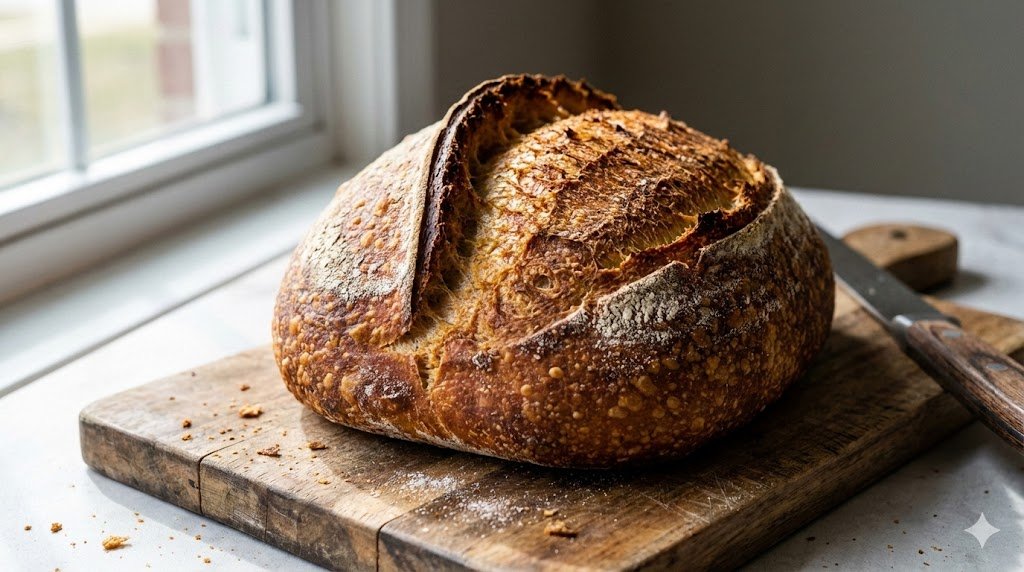
Demystifying sourdough fermentation mechanics unlocks the profound difference between a dense, gummy brick and an airy, blistered artisan loaf with blistering flavor. Home bakers often obsess over decorative scoring blades or cast-iron cloches, yet true baking mastery occurs long before dough encounters heat. The transformation rests upon millions of invisible microscopic workers negotiating a fragile balance of sugars, organic acids, and expanding gas pockets.
When flour mixes with water, dormant biological forces spring awake. Starches dissolve into sugars, native enzymes activate, and a complex ecological drama begins to unfold. If you treat this living system like an inert chemical cake mix, failure is virtually guaranteed. Successful bread crafting demands that you perceive your dough as a dynamic habitat where every degree of warmth and minute of rest produces profound structural consequences.
The Microscopic Symphony Inside Wild Fermentation Starters
When you break down sourdough fermentation mechanics, you realize your kitchen counter is not merely a prep station but an active biochemical reactor. Unlike store-bought baker yeast, which contains a single, isolated strain of Saccharomyces cerevisiae, a healthy wild starter teems with an intricate community of wild yeasts and lactic acid bacteria. These organisms live in a cooperative metabolic partnership that has sustained traditional human nourishment across millennia.
Alpha and beta amylases within wet flour immediately begin dismantling damaged starch molecules, cleaving complex carbohydrates into simple maltose and glucose. Wild yeasts consume these sugars, exhaling carbon dioxide to inflate the dough while synthesizing trace alcohols that perfume the unbaked mass. Simultaneously, lactic acid bacteria feast upon maltose fragments and release lactic and acetic acids. These organic acids lower dough pH dramatically, establishing an antimicrobial fortress that shields your loaf from harmful pathogens while strengthening the surrounding protein mesh.
This acidic drop reshapes everything. Gluten proteins bond more tightly in a mildly acidic environment, increasing dough elasticity and resilience. However, excessive acidity eventually activates indigenous protease enzymes, which feast on the gluten lattice and turn resilient dough into runny porridge. Navigating this razor-thin biological boundary defines the true difference between mediocre amateur attempts and seasoned artisan mastery.
Why Commercial Packets Cheat You Out of Complex Flavor and Digestibility
Unlike industrial leavening, sourdough fermentation mechanics rely on a slow, cooperative symbiosis between thousands of microorganism strains. Commercial active dry yeast is engineered for blinding, violent speed. It floods a bowl with carbon dioxide gas within sixty minutes, inflating gluten bubbles before the surrounding flour components undergo meaningful biological conversion.
Because commercial dough expands rapidly, native enzymes never get sufficient runway to digest complex phytates. Phytic acid naturally locks away essential minerals such as iron, zinc, and magnesium inside wheat grain. A extended wild fermentation period neutralizes up to ninety percent of these anti-nutrients through prolonged microbial phytase activity, yielding a loaf that provides superior nutrient bioavailability and effortless digestion for sensitive stomachs.
Flavor development suffers equally under artificial haste. Fast-acting commercial yeast produces generic ethanol notes, but wild bacteria generate complex flavor compounds through slow acidification. A comprehensive microbiome study published by the American Society for Microbiology confirmed that starter diversity produces hundreds of distinct aromatic esters, aldehydes, and volatile organic acids that industrial packets cannot replicate.
Timing in wild fermentation demands the same razor-sharp situational awareness celebrated in professional sports, where capturing an athletic window requires recognizing peak readiness before decay sets in. Just as analyzing how Trevon Brazile gives Denver 3 major reasons for an urgent early rotation role highlights the value of seizing kinetic potential at the exact right moment, a baker must seize dough when its structural and gas-producing energies peak simultaneously.
Four Proven Principles That Govern Fermentation Dynamics
Examining sourdough fermentation mechanics reveals how wild yeasts generate carbon dioxide while bacteria acidify the dough. To steer this miniature ecosystem toward bakery-quality perfection, you must manipulate four underlying physical and environmental levers with conscious intention.
The Microbial Tug of War Between Wild Yeast and Lactic Acid Bacteria
Your sourdough dough is not a single entity but a contested feeding ground. Wild yeasts thrive on sugar to build gas volume, while lactic acid bacteria compete for the identical carbohydrate reservoir to churn out acid. If the bacterial colony outpaces yeast proliferation, acid production runs rampant, degrading gluten stability before gas volume swells the loaf.
Conversely, starving your bacterial partners by cutting bulk fermentation short produces bland, anemic bread that lacks structural character. Balancing this partnership requires monitoring starter feeding ratios. Giving your culture larger feeding inoculations balances yeast vigor against acid accumulation, keeping your levain sweet and potent.
Temperature as the Master Regulator of Acid Production and Dough Strength
A baker who commands sourdough fermentation mechanics adjusts ambient temperatures rather than wrestling with stubborn dough that refuses to rise. Temperature serves as the physical accelerator for different species within your culture. Wild yeasts reach peak gas production between seventy-eight and eighty-two degrees Fahrenheit, favoring rapid expansion and mild, creamy flavor profiles dominated by lactic acid.
Drop that ambient environment below sixty-five degrees Fahrenheit, and yeast activity slows down dramatically. Lactic acid bacteria, specifically heterofermentative strains, remain active at lower temperatures, shifting production toward sharp, vinegar-scented acetic acid. Shrewd bakers exploit this thermal lever by conducting bulk fermentation in warm chambers for dough volume, followed by long overnight cold retardations in the refrigerator to maximize crust blister and nuanced sour complexity.
Hydration Ratios and Gas Trapping Across the Gluten Architecture
Water functions as both lubricant and conduit in bread chemistry. In low hydration mixtures under sixty-five percent, water molecules cling tightly to starches and protein strands, slowing enzymatic diffusion. While lower hydration creates dough that holds its physical shape easily, gas cells struggle to expand, yielding tight, sandwich-style crumb structures.
Pushing hydration above seventy-five percent accelerates enzyme migration, encouraging rapid fermentation and dramatic gas expansion. However, excessive moisture dilutes structural gluten polymers. Without sufficient mechanical manipulation, such as stretch-and-folds or coil folds during early bulk fermentation, the internal bubble walls dissolve, letting precious gas vent fruitlessly into the atmosphere.
Reading Tactile Biomarkers Instead of Obeying Kitchen Timers
Kitchen clocks are notoriously poor gauges of fermentation progress. A change in seasonal humidity, minor draft variations across your workspace, or fluctuating water hardness shifts metabolic speed dramatically. Successful fermentation relies entirely on physical biomarkers rather than arbitrary clock increments.
Look for rounded, convex doming along the top edges of your fermentation vessel, signaling that internal gas pressure exceeds atmospheric drag. Aeration bubbles should visibly cluster beneath the translucent surface film, and shaking the bowl should produce a light, aerated jiggle reminiscent of set custard. Pressing a floured fingertip gently into the dough should leave an indent that slowly springs halfway back, confirming peak structural tension.
Mastering Dough Handling and Oven Physics for Maximum Spring
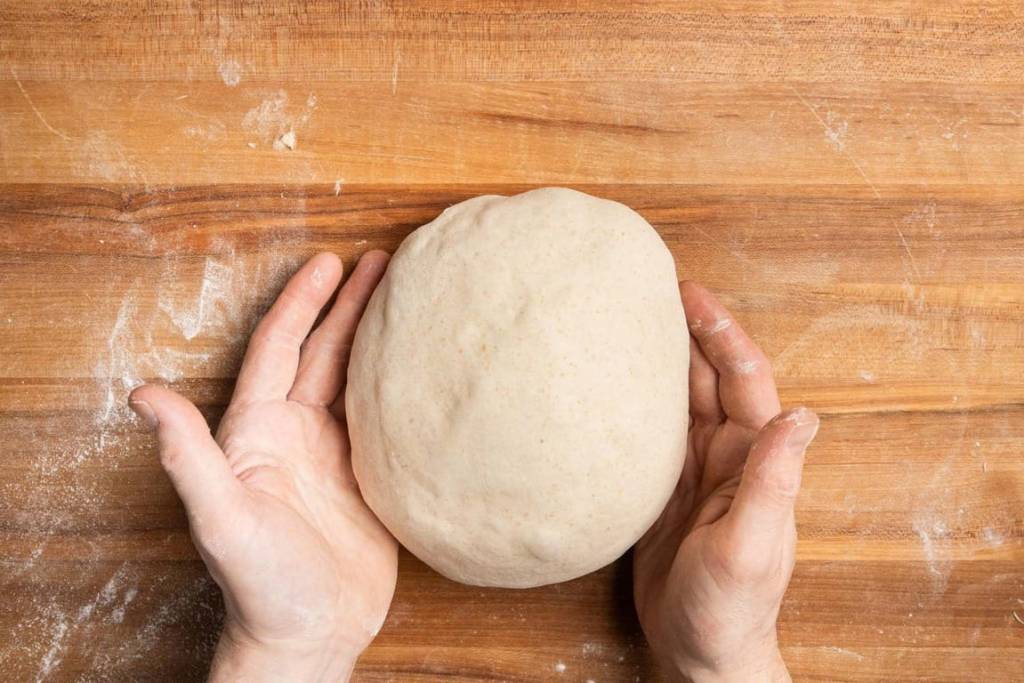
Applying sourdough fermentation mechanics correctly at the shaping stage locks in structural integrity before the loaf ever meets the oven hearth. Once bulk fermentation concludes, handling must transition from gentle cultivation to decisive structural engineering. Pre-shaping forms a tight, cohesive outer skin that prevents escaping carbon dioxide from collapsing weak internal gluten strands.
During final bench rest, surface tension holds the dough upright. When scoring with a razor blade at an acute thirty-degree angle, you provide a designated structural weak point where surging internal steam can vent cleanly. Without this intentional incision, internal pressure fractures random fissures along the loaf perimeter, deflating crumb volume and marring external aesthetics.
Baking physics finishes what biological fermentation started. Introducing saturated steam during the opening twenty minutes of baking prevents the outer dough skin from crusting over prematurely. In high-humidity conditions, surface starches dissolve into a glossy liquid film while internal moisture vaporizes, expanding gas chambers to their absolute limit. When you vent the steam or remove your Dutch oven lid, those liquid surface starches gelatinize and bake into translucent micro-blisters that crackle with distinct artisanal crispness.
Mastering these fundamental sourdough fermentation mechanics ultimately replaces anxious guesswork with effortless intuition. By honoring wild biological timetables, managing thermal inputs, and maintaining gluten elasticity, you transform mundane pantry staples into timeless, soul-nourishing bread.