
Sound design in horror films and 4 proven techniques that craft genuine dread
Cinema may be defined as a visual art form, but fear is fundamentally acoustic. Explore the sophisticated psychoacoustic engineering and hidden frequencies that turn movie soundtracks into instruments of visceral terror.
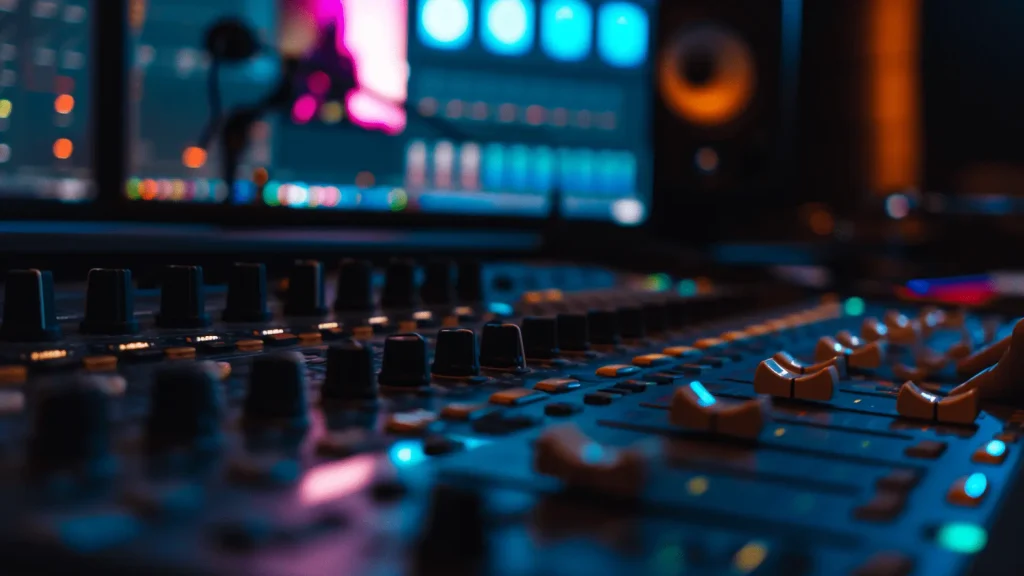
Effective sound design in horror films commands human physiology long before an audience consciously registers visual danger on the screen. The human optic nerve might process shapes and shadows with discerning intellect, yet the auditory cortex remains wired directly into primal survival circuitry. A shadow across a hallway is merely an ambiguous curiosity until a sharp, metallic scrape reverberates through the left channel. That solitary audio event immediately bypasses rational filtering, triggering an involuntary spike in cortisol, tightening neck muscles, and quickening the pulse.
Cinema is fundamentally categorized as an optical medium by commercial standards, but fear is distinctly acoustic. Long before directors developed sophisticated visual rendering or prosthetic makeup, theater storytellers understood that human beings are deeply unsettled by what they hear yet cannot identify. Sound travels around corners, penetrates closed eyelids, and permeates solid barriers. You cannot shut your ears the way you shut your eyes. This biological vulnerability makes the sonic landscape of scary cinema uniquely potent. When crafted with psychological precision, audio elements do not merely accompany the visual narrative; they weaponize the sanctuary of the theater, transforming passive spectators into trembling participants.
Why acoustic vulnerability shapes cinematic fear
Human evolutionary biology prioritizes auditory warning signals because our prehistoric ancestors frequently relied on sound to survive pitch-black environments. Rustling grass or a snapped twig signaled imminent danger hours before an apex predator emerged into torchlight. This biological quirk explains why sound design in horror films carries an evolutionary authority that optical effects simply cannot replicate. Our neurological response to unexpected auditory stimuli occurs within milliseconds, bypassing conscious appraisal through direct amygdala activation.
Filmmakers leverage this instinctive sensitivity by subverting the expectations of everyday acoustic environments. In ordinary life, our brains constantly filter out background hums, distant traffic, and subtle air currents through a process known as habituation. Masterful horror storytellers intentionally break this auditory truce. They introduce ambient frequencies that refuse to settle, creating an uncanny valley of noise where familiar domestic spaces suddenly sound threatening. A refrigerator hum dropped half an octave or a floorboard creak delayed by a fraction of a second sends quiet signals to the nervous system that something fundamental has gone wrong. The viewer cannot pinpoint why their heart rate is climbing, but the body has already registered the breach.
The biomechanics of psychoacoustics and visceral dread
Psychoacoustics explores the bridge between physical sound waves and psychological interpretation. It is the territory where engineering meets emotion, examining how frequency, reverberation, and spatial movement dictate neurological states. When examining how sound design in horror films manipulates nervous systems, one cannot overlook the role of infrasound. Infrasonic waves fall below the nominal human hearing threshold of twenty hertz, yet they are not entirely silent to the human body. Instead of being perceived by the eardrum, these deep vibrations resonate within the chest cavity and inner ear fluid, prompting subconscious feelings of intense sorrow, dizziness, and irrational hypervigilance.
Beyond extreme frequencies, audio directors manipulate spatial panning to violate psychological boundaries. Natural hearing relies on subtle timing differences between ears to localize threats in physical space. When sound mixers artificially manipulate binaural cues, panning unnervingly close whispers directly into a single channel while muting ambient reflections, they compress the perceptual distance between the threat and the viewer. The danger no longer exists across the room on a flat screen; it feels uncomfortably close, breathing against the back of the neck. This psychological proximity dismantles the emotional defense mechanisms that viewers naturally erect while watching fictional peril.
Four proven audio techniques that manipulate audience perception
Manipulating human emotion through pure sound requires far more nuance than simply elevating volume levels during a jump scare. Audio engineers treat the sonic canvas as an architecture of tension, systematically dismantling a listener’s sense of safety through deliberate psychoacoustic anomalies.
The eerie disorientation of infrasound and low frequency rumbles
The strategic deployment of sub-bass tones operates beneath conscious awareness. By saturating the low-frequency register between fifteen and thirty hertz, audio engineers evoke physical sensations of ambient pressure akin to approaching storms or volcanic seismic rumblings. Legendary cinema sound departments harness these vibrations to create an atmosphere of inescapable environmental dread. When an audience member experiences a sustained low-frequency vibration, their physiology mimics the somatic response to natural catastrophes. The chest wall vibrates sympathetically, the gastrointestinal tract tenses, and the visual field can even blur slightly as ocular fluids react to low resonant frequencies. Directors do not need to display an explicit monster when the room itself feels structurally unstable.
The Shepard tone illusion of never ending psychological escalation
Named after cognitive scientist Roger Shepard, the Shepard tone is an auditory optical illusion consisting of superimposed sine waves separated by octaves. As the higher frequencies gradually fade out, lower frequencies fade in at identical intervals, creating the disorienting impression of a tone that continuously climbs in pitch without ever actually moving higher. By introducing perpetual auditory ascents into sound design in horror films, directors generate an unbearable claustrophobia. The human brain instinctively anticipates a tonal resolution or climax that never arrives. This creates an uninterrupted state of autonomic arousal where anxiety compounds with every passing second, leaving audiences breathless and desperate for relief that remains deliberately withheld.
Sudden acoustic sensory deprivation before the release of tension
Most amateur scary scenes rely on cheap, blaring jump scares that spike decibels arbitrarily. In contrast, true cinematic masters recognize that maximum auditory impact requires an absolute vacuum. Stripping away room tone, musical scoring, and ambient environmental cues forces the audience into intense acoustic sensory deprivation. When the soundtrack suddenly plummets into utter silence, viewers reflexively strain their ears forward, leaning into the screen to detect any hint of information. Their auditory gain turns up to maximum sensitivity. When a sound finally shatters that vacuum, even a delicate rustle or a quiet footstep feels catastrophic. Contrast, rather than absolute volume, produces genuine dread. The silence is not an absence of sound; it is an active predator stalking the viewer.
Nonlinear foley distortions that weaponize biological survival instincts
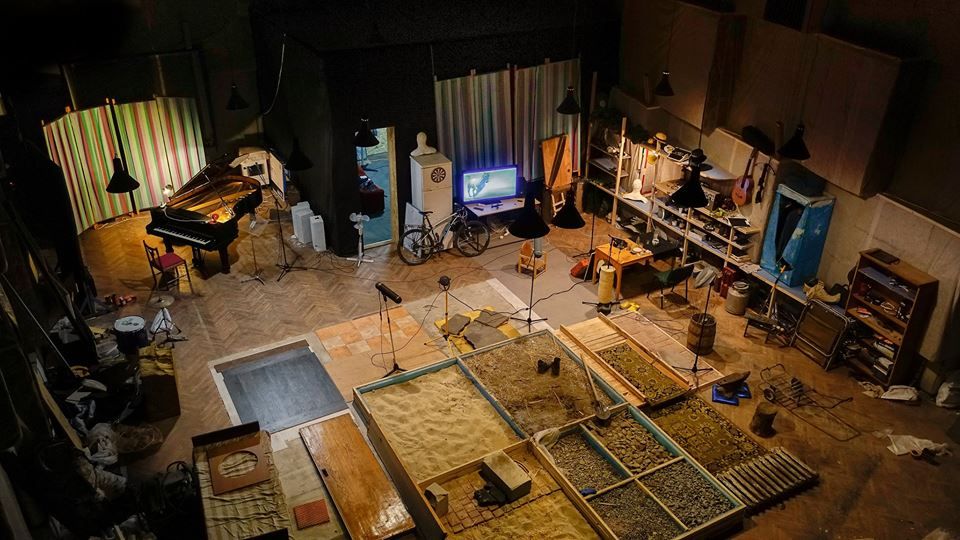
Nonlinear sounds are acoustic events that exceed the normal physical elasticity of an instrument or vocal cord, resulting in sudden distortion, squeaks, and unpredictable harmonic overtones. In the natural world, these acoustic signatures belong almost exclusively to animals undergoing acute physical trauma or infant mammals screaming in mortal terror. Foley artists specializing in sound design in horror films frequently repurpose mundane organic matter to simulate internal trauma. Breaking celery, tearing cantaloupes, or dragging wet chamois leather across asphalt creates textures that evoke visceral disgust. When layered beneath distorted human vocalizations, these textures bypass higher cognitive reasoning and tap directly into mammalian distress detectors, provoking instinctual nausea and revulsion.
Balancing the sonic spectrum against sensory fatigue
Audio engineering requires relentless vigilance against ear fatigue. If a soundtrack bombards an audience with relentless low-end rumble and piercing shrieks for ninety minutes straight, the brain adapts, dampening neural receptivity and rendering subsequent scares completely ineffective. Dynamic contrast must be carefully orchestrated across the full frequency spectrum. Just as investors discover that portfolio rebalancing and 4 proven moves that shield hard-earned wealth prevent catastrophic asset drawdown through measured risk distribution, sound engineers must periodically balance their sonic spectrum to protect audience ears from acute sensory numbness.
A sophisticated horror mix constantly oscillates between high-density chaos and spacious clarity. By pulling back the mid-range frequencies during quiet investigative scenes, sound designers reset the listener’s acoustic baseline. This recalibration ensures that when violent low-end transients or piercing high-frequency screeches eventually strike, they hit with maximum physical weight. Dynamic preservation remains paramount because excessive sound design in horror films can quickly desensitize a viewer to genuine shock. Great audio storytelling is a chess match of acoustic restraint, where every loud moment is earned through patient, meticulous quietude.
The enduring emotional resonance of sculpted silence
When analyzing iconic horror cinema across generations, the most indelible moments rarely hinge on overwhelming orchestral fanfares. They endure because of how silence is sculpted around human breath, trembling whispers, and the unnerving absence of ambient life. Pioneer researchers at the Audio Engineering Society have consistently documented how sudden acoustic vacuums provoke rapid shifts in heart rate variability, demonstrating that what the ear misses triggers far greater physiological upheaval than what it hears directly.
Ultimately, visionary sound design in horror films succeeds not because it is persistently loud, but because it respects the terrifying gravity of quietude. When an entire auditorium sits motionless, holding its collective breath while a solitary drop of water echoes through an abandoned subterranean corridor, cinema achieves its ultimate immersive power. The true monster never lives entirely within the frame of the projection. It lives in the dark spaces between the speakers, where auditory imagination fills the void with our deepest, unspoken terrors.