Esteban Ocon Replacement Haas Selects New Star Among 5 Major Contenders
Haas has officially locked in its future Formula 1 driver lineup to replace Esteban Ocon alongside Oliver Bearman. Investigative reporting reveals how Maranello ties and market shifts determined the American squad’s bold decision.
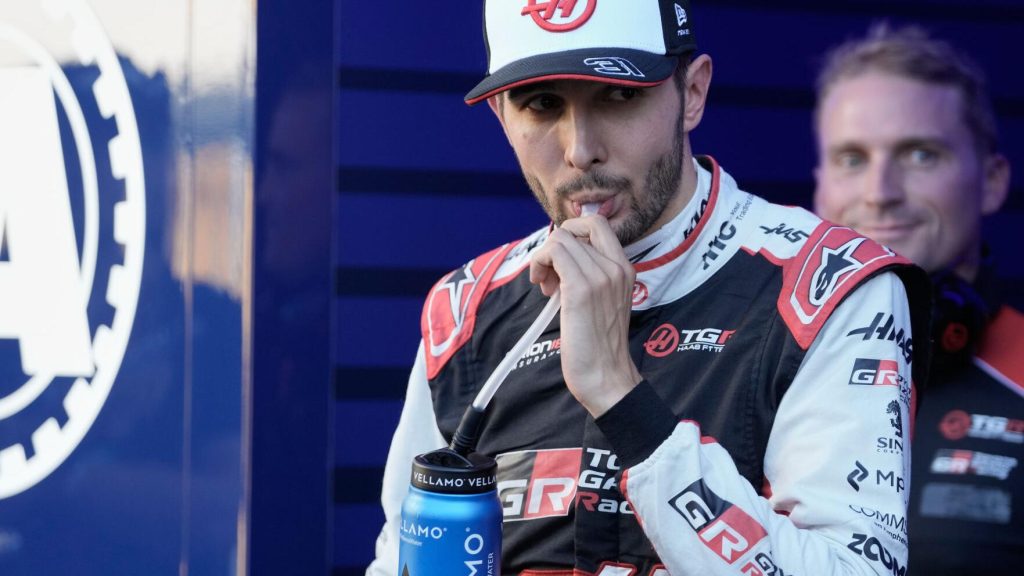
Speculation surrounding the designated Esteban Ocon replacement Haas locked in has finally turned into reality, as team officials solidified their future Formula 1 lineup alongside Oliver Bearman. The American outfit had faced intense paddock scrutiny regarding its long-term stability, prompting management to accelerate discussions and clarify its garage structure before the season enters its final stretch.
As reported by RacingNews365, Haas leadership finalized its internal decision on who will step into the cockpit, confirming that a successor has been chosen to partner Britain’s Oliver Bearman. The development brings immediate clarity to a fluid market, answering weeks of paddock whispers following reports that Esteban Ocon would not remain with the squad heading into future campaigns.
The Sudden Paddock Realignment Behind the American Team Garage
The timing of the decision caught many industry observers by surprise, coinciding with race-weekend coverage surrounding the Singapore Grand Prix where paddock whispers reached a fever pitch. Reports initially surfaced via The Race indicating that Esteban Ocon was slated for an early departure from Haas, setting off immediate ripples across driver management circles. Paddock insiders recognized that securing a suitable Esteban Ocon replacement Haas needed to stabilize its garage was essential to maintaining development momentum under team principal Ayao Komatsu.
The American squad has worked tirelessly to shed its reputation as an unpredictable environment, choosing instead to build structured technical pathways. With Bearman already locked in on a multi-year deal, team executives prioritized finding a driver whose operational rhythm complemented the young Briton rather than introducing internal friction. The speed at which negotiations reached completion suggests that management held a very clear profile in mind from the moment exit talks materialized.
Inside the Decision to Move Forward from the Frenchman
Esteban Ocon arrived at Haas with grand ambitions to spearhead a resurgent midfield effort, bringing grand prix-winning credentials and aggressive racecraft to the table. However, analytical insights from Beyond the Flag highlighted growing friction regarding alignment for the upcoming 2027 regulation cycle and beyond. When diverging philosophies regarding team development emerged, leadership concluded that a mutual parting of ways would prevent friction during pivotal design transitions.
By acting swiftly in finalizing the Esteban Ocon replacement Haas addressed growing speculation across the European paddock before external narratives could derail race operations. Komatsu and team owner Gene Haas have consistently maintained that performance relies on cohesive engineering collaboration. When internal synchronicity begins to fray, modern Formula 1 operations rarely hesitate to cut ties, favoring long-term cultural cohesion over individual accolades.
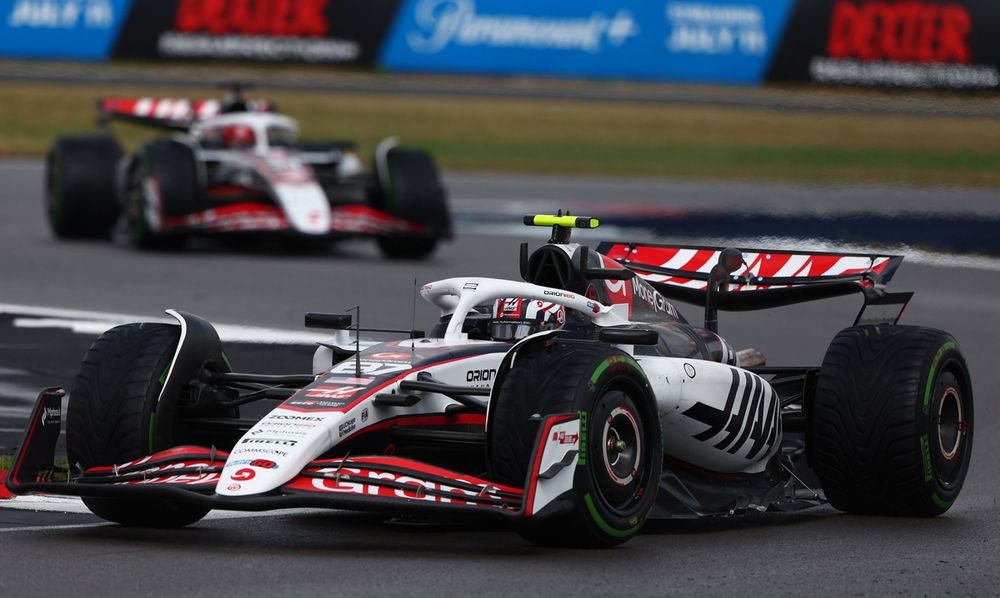
Evaluating 5 Major Contenders for the Open Haas Cockpit
When the seat alongside Bearman opened, motorsport analysts immediately began mapping out potential candidates. Motorsport.com outlined five primary contenders capable of stepping into the role, ranging from seasoned veterans seeking redemption to rising junior stars backed by factory academies. Paddock reporting confirms that when weighing each prospective Esteban Ocon replacement Haas prioritized technical adaptability and Ferrari simulator familiarity to safeguard continuity.
Ferrari Academy Protege Rafael Leads the Frontline
According to detailed reporting from The Race, Ferrari Driver Academy standout and Formula 2 title contender Rafael emerged as the overwhelming favorite to secure the seat. The young phenom has turned heads across junior formulae, demonstrating exceptional tire management and raw single-lap pace. His direct affiliation with Maranello makes him a natural fit for Haas, which relies heavily on Ferrari technical architecture, wind tunnel time, and power unit infrastructure.
Experienced Formula 1 Veterans Eyeing Grid Re-Entry
Beyond junior standouts, established drivers on the periphery of the grid mounted aggressive bids for the seat. Established competitors with multiple podium finishes saw the Haas cockpit as an ideal vehicle to rebuild market value following recent midfield shuffles. While their experience offered turnkey reliability for race weekends, management ultimately weighed the financial expense of a veteran contract against the long-term upside of youthful development.
Alternative Ferrari Pipeline Prospects on Standby
The Scuderia’s junior roster includes multiple drivers who have logged extensive mileage in private testing and simulator sessions. These internal academy competitors represented logical fallbacks should negotiations with the primary candidate encounter contractual roadblocks. Their deep familiarity with Ferrari power unit mapping and energy harvesting systems offered Haas engineers an immediate plug-and-play solution for winter testing.
Free Agent Paddock Specialists Seeking Long-Term Stability
Several experienced test and reserve drivers currently embedded with rival manufacturers quietly threw their hats into the ring. These free agents brought valuable operational intelligence from top-tier operations, offering insights into competitor correlation techniques and suspension setups. However, committing to an outside free agent would have required navigating messy non-compete clauses and gardening leave schedules.
Emerging International Single-Seater Challengers
Rounding out the field were standout performers from American open-wheel championships and global endurance series who caught the eye of Gene Haas. While transitioning from outside categories into Formula 1 presents steep learning curves, their commercial viability and fresh perspectives kept them in preliminary evaluation discussions before the squad narrowed its focus onto European ladder talent.
The Ferrari Connection and Oliver Bearman Dynamic
The operational logic behind the driver market pivot cannot be separated from Haas’s strategic relationship with Scuderia Ferrari. Ever since Haas entered Formula 1 in 2016, its technical nerve center in Maranello has served as the backbone of its competitive capability. Selecting Bearman was the first clear sign of deepening institutional alignment; choosing a partner from that same developmental ecosystem cements the American squad as Ferrari’s definitive testing ground for premier talent.
Managing modern sporting assets requires intense digital synchronization and swift corporate execution. Just as industrial giants face sudden operational exposure when corporate narratives leak prematurely, paddock teams face immense pressure to protect technical proprietary data. Similar structural pivots occur across high-stakes industries, an operational reality mirrored when Rockstar Games GTA VI Faces 3 Major Threats Amid CyberLeek Extortion Chaos, proving that organizational discipline matters just as much as raw creative output. For Haas, the chosen Esteban Ocon replacement Haas finalized represents a deeper alignment with Maranello’s development pipeline, minimizing simulator adaptation time and maximizing data sharing between both garages.
What This Driver Pivot Means for the Formula 1 Grid
The consequences of this signing reverberate far beyond the walls of the Kannapolis and Banbury race shops. By determining an immediate Esteban Ocon replacement Haas sent clear ripples through the broader driver market, effectively shutting off a premier landing spot for several displaced drivers. Esteban Ocon must now navigate an increasingly crowded midfield landscape, with realistic openings limited to projects undergoing significant structural transitions.
For Oliver Bearman, the arrival of a new teammate alters the team dynamic entirely. Rather than serving as the apprentice alongside an experienced grand prix winner, Bearman suddenly steps into the role of the incumbent garage anchor. The internal competition will test his ability to lead car development, analyze aerodynamic updates, and provide direct feedback to engineers during high-pressure qualifying sessions.
The Strategic Road Ahead for the American Outfit
Ayao Komatsu’s tenure as team principal has been defined by pragmatic decision-making, transparent communication, and efficient resource allocation. Moving on from a proven talent like Ocon was undoubtedly a complex political calculation, yet the technical staff clearly favored long-term stability over short-term expediency. By formally locking in the Esteban Ocon replacement Haas can now shift its full engineering attention toward future chassis regulations without the distraction of ongoing driver contract sagas.
Formula 1 rewards organizations that establish unified sporting visions before sweeping technical overhauls take effect. With the driver roster settled, Haas enters the final rounds of the campaign equipped with clarity, purpose, and a revamped lineup designed to maximize every development dollar on the road ahead.