
Foley Sound Design and 4 Essential Secrets Behind Immersive Cinematic Magic
Behind every spine-chilling footstep and bone snap lies an acoustic illusionist working in a dark room. Discover how physical props and psychoacoustics trick the human brain into feeling cinematic mass.
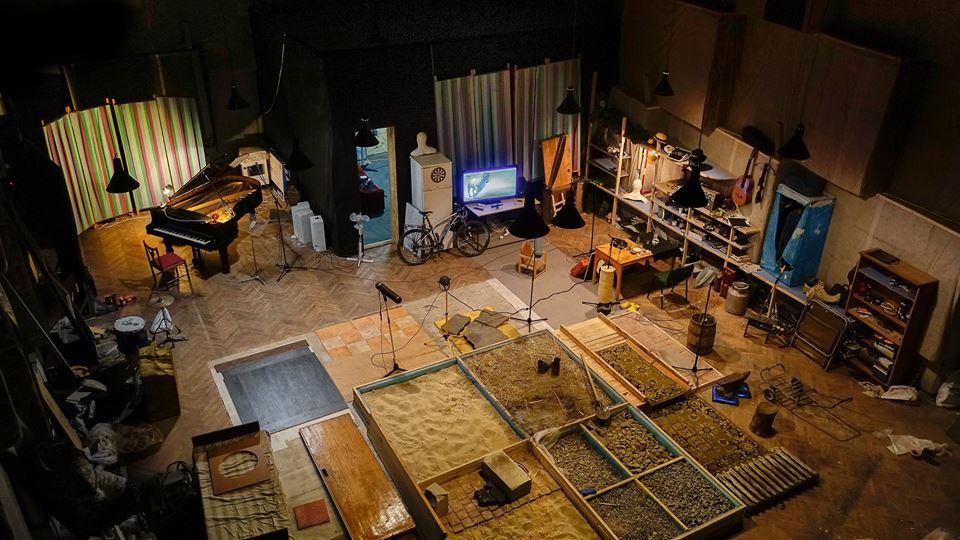
Mastering Foley sound design allows filmmakers to manufacture raw physical intimacy out of dead studio silence, tricking human perception into believing that flickering projected shadows carry genuine mass. When an audience watches a lone wanderer trek across frozen tundra, the biting crunch beneath their boots feels immediate, biting, and dangerously real. In reality, that wanderer was recorded on a padded soundstage where high-end boom microphones deliberately muted their footsteps to isolate dialogue, while the actual crunch was generated months later by an artist squeezing a chamois pouch stuffed with cornstarch inside a soundproofed warehouse.
Cinema is a profound optical illusion, but sound is physical vibration that collides directly with human physiology. While visual effects often dazzle the eye, the foundational bedrock of Foley sound design remains shockingly organic, tactile, and rooted in classical physics. Without custom-performed audio, movies feel hollow, synthetic, and emotionally detached. Understanding the mechanics behind this discipline reveals how artists manipulate simple household garbage, vintage footwear, and spatial acoustic properties to manufacture belief inside the listener’s brain.
The Invisible Craft That Breathes Physical Life into Silent Footage
The practice traces its lineage back to the transitional chaos of late-nineteen-twenties Hollywood. When the medium pivoted from silent cinema to synchronized sound, directors faced a brutal engineering hurdle. Early microphones were crude, directional fidelity was primitive, and recording live dialogue alongside environmental movements produced an unintelligible acoustic soup. Jack Donovan Foley, a former stunt double and studio stagehand, stepped into a soundstage during the production of Show Boat and pioneered a live, synchronized physical performance technique that permanently transformed motion pictures.
Jack realized that audio recorded on a live film set is inherently compromised. Boom microphones point exclusively toward the actors’ mouths to capture clean spoken words, filtering out ambient movement, clothing rustles, and hand gestures. Production mixers want clean vocal tracks so lines can be equalized, tuned, and translated during international dubbing. Consequently, once production audio undergoes cleaning, the visual action becomes an eerie pantomime. A heavy wooden door swings shut without a creak. A character drops keys onto a glass table, producing pure silence. Foley artists step into that vacuum, acting as sonic surrogates who physically perform every tactile interaction seen on screen.
Unlike automated sound effect libraries, which supply generic, repetitive sound files, a bespoke performance mirrors human micro-hesitations. If an actor limps, hesitates, or drags their heel across gravel, the sound artist matches that exact cadence in real time while watching a projection screen. This live physical empathy injects human weight into every movement, transforming flat visual sequences into visceral three-dimensional experiences.
Why Clean Production Microphones Destroy Cinematic Realism
Modern cinema cameras capture images at breathtaking resolutions, yet our ears detect artificiality far quicker than our eyes spot flawed CGI. When production crews record dialogue on a contemporary movie set, the recording engineers intentionally treat the surrounding environment as hostile territory. Air conditioners hum, camera dollies squeak, fluorescent lights buzz, and fabric rustles compete against critical spoken performances. To salvage pristine vocal clarity, sound recordists utilize hypercardioid shotgun microphones aimed tight on the speaker, actively rejecting off-axis sounds.
This technical necessity strips the scene of its physical environment. If an actor sets a ceramic mug down during an intense monologue, production mixers pray the cup makes no noise at all, because an accidental clatter over a crucial syllable can ruin a multimillion-dollar take. Once dialogue editors strip the remaining background rumble through spectral repair software, the scene exists in an acoustic vacuum. The visual frames show a world full of texture, dust, friction, and kinetic energy, but the audio track contains nothing more than isolated voices hovering in dead space, which is why modern post-production leans heavily on dedicated Foley sound design to reconstruct presence from scratch.
Rebuilding that sonic tapestry requires specialized recording rooms known as Foley stages. These spaces feature zero reverberation and are equipped with custom pits filled with dirt, gravel, slate, sand, marble, and wooden flooring. Artists spend decades curating bizarre collections of scrap metal, leather gloves, broken musical instruments, and antique shoes. In these dead acoustic chambers, even the gentlest brush of a fingernail against denim produces an explosive waveform when captured by ultra-sensitive condenser microphones.
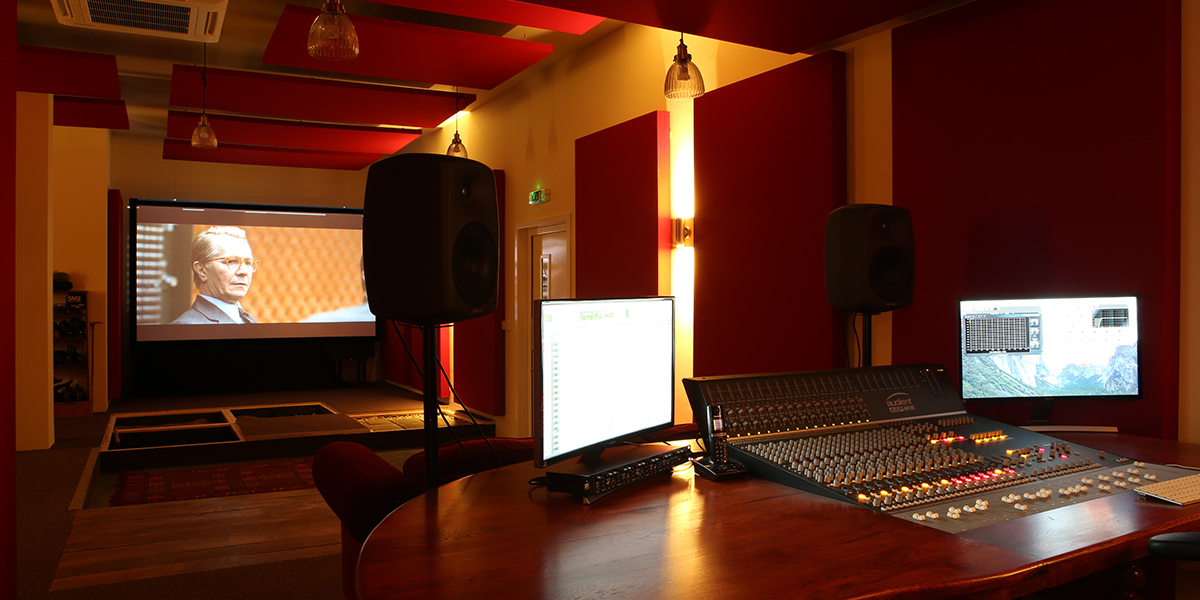
The Technical Mastery and 4 Essential Secrets of Seasoned Sound Artists
Achieving absolute sonic persuasion demands far more than banging pots together in front of a microphone. Behind every legendary sequence, the craft of Foley sound design relies on four enduring secrets of physical manipulation and acoustic psychology.
Tactile Deception and Everyday Materials That Sound More Real Than Reality
The human ear is notoriously gullible, yet deeply dogmatic. Counterintuitively, recording the literal object seen on screen rarely yields a believable result on film. A real sword drawn from a leather scabbard produces a dull, muffled friction sound that registers as flat and anti-climactic. To convey danger, sharpness, and lethal intent, sound artists slide rusted spatulas against vintage kitchen knives. The metallic scrape satisfies what the audience believes steel should sound like, rather than what it actually is.
Similarly, fracturing real bones on a soundstage is obviously impossible, but breaking frozen heads of celery, twisting head-cabbage, or crushing walnut shells inside a thick cloth sack produces a sickening, visceral splinter that evokes genuine bodily harm. Old audiocassette tape unspooled and crushed into a ball becomes dry brush snapping underfoot in an autumn forest. A worn leather motorcycle jacket, twisted violently close to a large-diaphragm microphone, creates the creaking tension of an ancient wooden pirate ship navigating stormy waters. Practitioners do not look for the source of an object; they listen for acoustic velocity, attack transients, and harmonic resonance.
Physical Synchronization and the Biomechanics of Believable Footsteps
Footsteps represent roughly half of a Foley artist’s daily workload, and they remain the most grueling discipline to master. Footsteps convey identity, emotional distress, fatigue, age, and intention. A grief-stricken character drags their heels with delayed cadence, while an anxious detective walks forward on the balls of their feet, shifting weight rapidly across uneven floorboards.
To capture authentic movement, artists maintain vast footwear libraries. A single scene may require a heavy work boot with a worn rubber heel to walk across gravel, followed by a vintage leather-soled wingtip stepping onto polished parquet. The secret lies in physical weight distribution. The artist cannot simply march in place; they must tilt their torso, mimic the actor’s stride length, and lean into the strike. When the heel lands, followed by the rolling compression of the sole and the subtle lift of the toe, the microphone captures three distinct acoustic events per step. Perfect synchronization requires the performer to internalize an actor’s breathing and physical center of gravity, translating visual momentum into pure kinetic sound.
Subtle Cloth Passes and the Art of Psychological Proximity
Between explosive collisions and clear footsteps lies an underappreciated layer known as the cloth pass. In cinema, silence never truly exists. Whenever a human being breathes, gestures, or shifts their weight on a sofa, their clothing produces friction. In the discipline of Foley sound design, cloth movement acts as an emotional thermometer that establishes intimacy, vulnerability, and tension.
Sound artists execute an entire pass dedicated solely to garments. Holding tailored swatches of silk, denim, heavy wool, or stiff leather, the performer sits inches from a sensitive microphone, rubbing the fabrics in sync with the actor’s on-screen gestures. Silk whispers softness, wealth, or fragility; coarse canvas signals rugged labor or emotional isolation. When two characters lean in for a whisper, the subtle rustle of clothing conveys physical closeness that pulls the viewer into their immediate perimeter. Because these textures reside in high-frequency spectrums, they mask tiny background dropouts and create a seamless bed that unites isolated vocal tracks with the visual environment.
Psychoacoustic Distortion and the Dramatic Value of Hyperrealism
Foley artists are not documentarians; they are emotional sculptors. Real life is sonically messy, washed out, and often devoid of dramatic punctuation. In cinema, sound must serve thematic narrative beats. If an assassin picks up a sniper rifle, every latch, bolt, and magazine click is exaggerated to sound like massive, surgical machinery locking into place. This hyperrealism leverages psychoacoustics, the study of how human brains process and interpret physical sound waves.
Extensive documentation preserved in the Audio Engineering Society research archives demonstrates that human perception constantly prioritizes acoustic cues that signal imminent threat, tactile contact, or spatial changes. Sound designers exploit this cognitive hardwiring by exaggerating dynamic range. They intentionally place the microphone millimeters from tiny events to capture low-frequency proximity effects that do not exist in real-world human hearing. An ear resting ten feet away from a coffee cup would never hear the porcelain grind against wood, but hearing that exaggerated texture on screen anchors the listener directly into the character’s subjective consciousness.
Sensory Engineering and the Cognitive Power of Manufactured Realism
The psychological mechanisms governing Foley sound design illustrate a profound principle about human cognition. We do not perceive reality raw; our brains construct a functional model based on sensory synthesis. When our eyes see an action and our ears register a synchronized acoustic transient, our neurology immediately glues them together into a singular event, completely ignoring how improbable the physical pairing might be. A viewer fully accepts that a damp towel slapping an old telephone book is the devastating punch of a heavyweight boxer.
This cognitive pliability demonstrates how easily structured inputs shape subjective reality across all communication mediums. When audiences are presented with coherent, rhythmically unified narratives, they naturally suspend disbelief and accept constructed paradigms as objective fact. Just as sound artists engineer sensory buy-in to guide belief, media ecosystems rely on collective reinforcement, an effect explored in analysis of Pack Journalism and 4 Hidden Pressures That Corrupt Objective News, where consensus framing dictates what an audience accepts as unquestioned truth. Whether within an audio suite or a newsroom, the human brain consistently defaults to trusting manufactured consensus whenever sensory cues align with internal expectations.
Cultivating the Attentive Ear of a Sonic Architect
Once you understand how the acoustic machinery functions behind the screen, the everyday world transforms into a sprawling catalog of sonic possibilities. A squeaking metal gate is no longer urban noise; it is the rusty hinge of a dungeon door. A plastic bottle rolling down a flight of concrete stairs is the brittle exoskeleton of an alien predator. The physical objects surrounding us possess rich, untamed acoustic signatures waiting to be unlocked by an observant ear.
Cinema remains our most complete modern mythology precisely because it attacks multiple sensory gateways at once. While cameras capture the light, sound artists craft the weight, temperature, and friction that convince the body that the light is real. Appreciating this invisible craft transforms the passive act of viewing into a deep appreciation of human performance. The next time a quiet cinematic scene grips your chest with suspense, close your eyes for a brief second. You will realize that the visual performance pulled you in, but the patient, deliberate wizardry of Foley sound design held your heart in its hands.