Natanael Cano Halts 3 Major Stadium Concerts Over Urgent Health Concerns
Natanael Cano has abruptly suspended his remaining stadium dates in Mexico to prioritize his personal health and well-being. The shocking postponement coincides with a wave of touring pauses across the Latin music landscape.
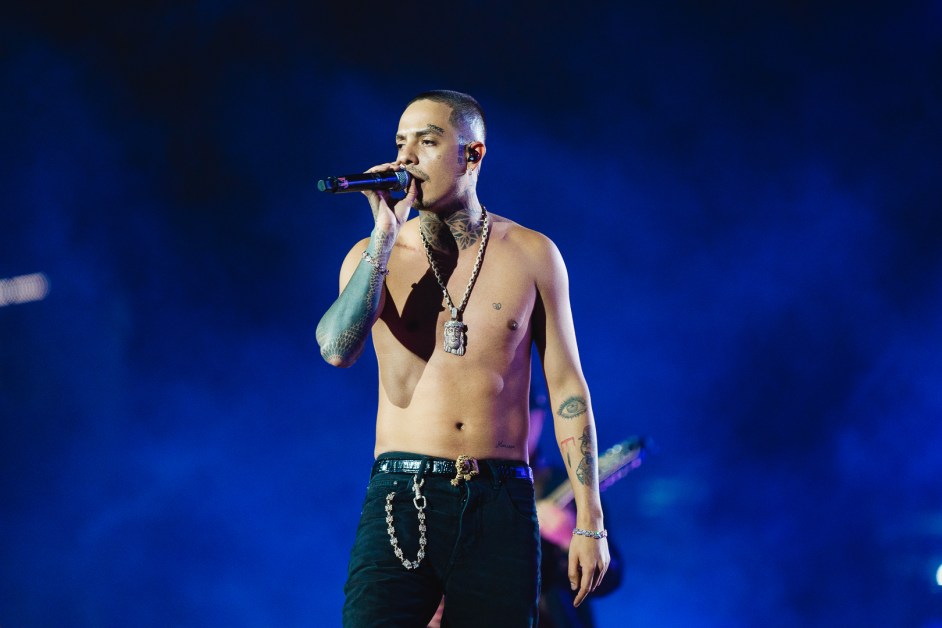
When Mexican music trailblazer Natanael Cano abruptly postponed the remaining dates of his Mexico stadium run, shockwaves reverberated across the international music community. The sudden halt arrived at the undisputed peak of his commercial power, leaving hundreds of thousands of ticket holders navigating unexpected refunds while sparking widespread dialogue about the intense demands of modern stadium touring.
The announcement arrived directly from the artist and his representation, confirming that the remaining appearances on his calendar would be put on pause. Rather than citing production snags or scheduling conflicts, the official communication placed personal recovery front and center. The move immediately disrupted one of the highest-grossing live entertainment seasons in Mexican touring history.
As reported by Billboard and Latin Times, Natanael Cano stepped away from the stage to focus directly on his health and well-being, requesting privacy while venues coordinate ticket refunds. The news prompted an immediate outpouring of public empathy, alongside an urgent examination of what it takes to mount sustained stadium tours in the modern era.
The Meteoric Rise and Stadium Ambitions of Musica Mexicana
Documented by Pollstar News earlier this year, Natanael Cano announced ambitious stadium shows across Mexico, cementing his status as one of the defining figures in the global música Mexicana movement. Transitioning from packed theaters and outdoor festival headlining slots to multi-thousand-capacity soccer arenas represented a massive historical milestone for the corrido genre. Only a few years ago, traditional regional Mexican music rarely headlined multi-city stadium runs of this magnitude.
The singer had spent recent months expanding his commercial footprint at a blistering pace. Industry outlets including HOLA recently highlighted his involvement among major new release rollouts, showcasing an artist operating simultaneously as a streaming giant and an inescapable cultural phenomenon. The stadium tour represented the physical manifestation of that streaming dominance, turning viral digital metrics into tangible ticket sales across central and northern Mexico.
Stepping onto massive stadium stages requires an unprecedented operational engine. Beyond the logistical complexities of sound rigging, lighting, and heavy travel itineraries, stadium headlining places extraordinary physical demands on a performer. Every performance demands sustained vocal power, crowd engagement across massive perimeters, and constant travel across distinct climatic regions and altitudes.
Official Statements and the Call for Artist Well-Being
The decision to halt the live schedule was not taken lightly. The official statement delivered across Cano’s digital channels made it clear that continuing the current performance schedule would jeopardize his long-term recovery. Representatives explicitly requested discretion from the media and the public during this recuperation window, choosing not to publish intrusive clinical specifics while maintaining that personal wellness took precedence over commercial commitments.
Promoters and regional venue representatives confirmed that ticket holders for the Natanael Cano Vol. 1 Tour would receive full refunds through official channels. The communication outlined clear guidelines advising fans on how to process their reimbursement directly through authorized ticketing outlets. By guaranteeing swift financial remediation, the production team prevented unnecessary confusion among attendees who had traveled across states to attend the anticipated stadium dates.
The move represents an increasingly mature posture within the entertainment sector. Where previous generations of touring musicians were often pressured to work through severe exhaustion or acute medical distress, modern artists are progressively drawing boundaries to preserve their physical and psychological longevity.
Parallel Suspensions Shaking the Mexican Touring Circuit
The postponement gained even greater industry attention because it did not happen in complete isolation. Billboard reported that within a single 24-hour window, fellow artist Tito Double P suspended his La People Tour stadium dates across Mexico just as Natanael Cano announced his postponement. The near-simultaneous pause of two of the brightest stars in contemporary Mexican music sent shockwaves through regional promoters and venue operators.
Having two prominent stadium runs paused in rapid succession highlighted the sheer weight resting on the shoulders of the genre’s leading figures. Both artists have operated at an unforgiving tempo, navigating non-stop studio sessions, international press junkets, festival appearances, and rigorous cross-country routing. The sudden suspension of these stadium rosters forced promoters to recalculate the operational feasibility of continuous large-scale road schedules.
Industry analysts noted that the double suspension underscored the unique challenges of mounting stadium tours in emerging live markets. Unlike standardized indoor arena circuits, outdoor stadiums involve complex weather contingencies, heightened production costs, and severe bodily fatigue caused by variable outdoor acoustics and demanding performance dynamics.
3 Critical Pressures Behind High-Stakes Stadium Touring
Mounting an independent stadium production in a hyper-accelerated market brings immense strain to any creative team. Understanding why this hiatus became necessary requires looking at the interconnected variables that influence high-stakes live entertainment today.
The Brutal Physical Toll of Rapid Venue Expansion
The physical transformation required to move from 3,000-seat auditoriums to 40,000-seat stadiums is immense. In a stadium environment, an artist must physically traverse massive staging layouts, battle dry atmospheric conditions, and deliver vocally demanding performances across two continuous hours. Sustaining that level of kinetic output night after night demands the same meticulous pacing and energy conservation seen in elite sports, where athletes master Running Economy and 4 Proven Principles That Transform Distance Speed to avoid catastrophic physical burnout.
For Natanael Cano, who pioneered the blend of traditional corrido phrasing with trap and urban beats known as corridos tumbados, the jump to massive arenas has been historic. Yet human biology does not always adapt to the sudden multiplication of touring pressures. Without adequate recovery windows between stops, vocal strains, chronic exhaustion, and immune breakdowns can compound rapidly, creating situations where stepping off the road becomes the only viable medical recommendation.
Complex Logistical Friction and Multi-City Stadium Demands
Executing stadium dates outside major traditional metropolitan hubs involves intricate structural coordination. Moving dozens of production trucks, heavy staging rigs, and massive visual setups across fluctuating regional highway networks creates substantial logistical friction. Delays, technical malfunctions, and grueling transit schedules compress the time artists have to rest, rehearse, and acclimate to new environments.
When artists are forced to travel under tight turnaround times without adequate downtime between shows, the cumulative sleep deprivation and physiological stress reach a tipping point. Stadium dates leave virtually no margin for error. If equipment arrival is delayed or staging checks run long, the headliner bears the brunt of the compressed schedule, sacrificing sleep and personal care to ensure show readiness.
The Urgent Cultural Pivot Toward Prioritizing Mental and Physical Longevity
Historically, the live music ecosystem operated under the unbending mantra that the show must go on regardless of personal consequence. That outdated doctrine led countless legacy performers into severe substance dependency, acute burnout, and premature career conclusions. The contemporary generation of Latin music stars is deliberately breaking that destructive cycle.
By openly prioritizing his well-being, the young star sent an unmistakable signal to the broader industry. The response from his fan base has been overwhelmingly supportive, emphasizing that the preservation of the artist’s health holds far greater value than keeping a temporary tour calendar intact. This paradigm shift validates health breaks as responsible professional maintenance rather than professional defeat.
What the Hiatus Means for the Future of Live Regional Music
The pause of these stadium dates marks a reflective juncture for the música Mexicana industry. As regional Mexican sounds continue their historic run at the top of international streaming charts, promoters must design more sustainable live frameworks that protect their top talent. Spacing tour dates more evenly, building mandatory rest days into schedules, and prioritizing wellness infrastructures backstage will be critical adaptations moving forward.
While fans eagerly await rescheduled dates, Natanael Cano has underscored a crucial modern precedent by prioritizing human wellness over grueling tour schedules. His legacy as the foundational architect of corridos tumbados remains untouchable, and his willingness to step back ensures that when he does return to the stage, he will do so with the strength, focus, and energy that his groundbreaking sound demands.