Practical Special Effects Mechanics Reveal 4 Proven Secrets to Create Jaw Dropping Movie Illusions
Behind every timeless movie sequence lies a masterclass in tactile engineering and optical manipulation. Discover how physical materials, forced perspective, and kinetic wizardry bring authentic wonder to the silver screen.

Mastering practical special effects mechanics allows visionary filmmakers to ground impossible illusions in the palpable, tactile reality of physical materials, light, and motion. Long before algorithmic pixels populated the silver screen, craftspeople solved visual paradoxes through ingenious carpentry, pneumatic cylinders, chemical wizardry, and calculated optical illusions. When a camera captures an actual object occupying space, the lens records micro-imperfections that a computer workstation can spend weeks attempting to simulate. Light bounces unpredictably off textured urethane skin. Airborne dust settles across a handcrafted model ship. These subtle environmental interactions bypass our intellectual scrutiny, hitting the primitive centers of the brain that whisper that what we are witnessing is genuinely happening right before our eyes.
Why Physical Illusions Resonate Deeply in Human Perception
At the core of practical special effects mechanics lies a fundamental neurological truth: the human visual cortex evolved to navigate an unyielding three-dimensional world. We spend our lives observing how natural sunlight falls across coarse stone, how shadows soften as a moving body steps away from a window, and how gravity imposes its will on falling water. The human eye operates as an exquisite error-detection device. When lighting directions diverge by even a fraction of a degree, or when an object moves without authentic mass and inertia, the subconscious registers an uncanny disconnect.
Physical effects solve this dilemma automatically. By constructing miniature fortresses, detailed prosthetic appliances, or scaled vehicle rigs on set, the production ensures that the physical illumination bathing the actor also strikes the effect. Photons scatter identically across both foreground and background. Micro-dust floating in the stage air catches the backlight, wrapping the entire composition in an authentic atmospheric glue. This unified physics engine is not generated by lines of code; it is rendered by the universe itself.
The Hidden Tension Between Tactile Props and Digital Rendering
When dissecting how practical special effects mechanics hold up against photorealistic CGI, the difference usually boils down to how photon scattering interacts with real-world matter. Modern visual effects artists are among the most gifted creators in entertainment history, yet they fight an uphill battle against computational perfection. Algorithms prefer clean math. In contrast, physical reality is gloriously, irreducibly messy.
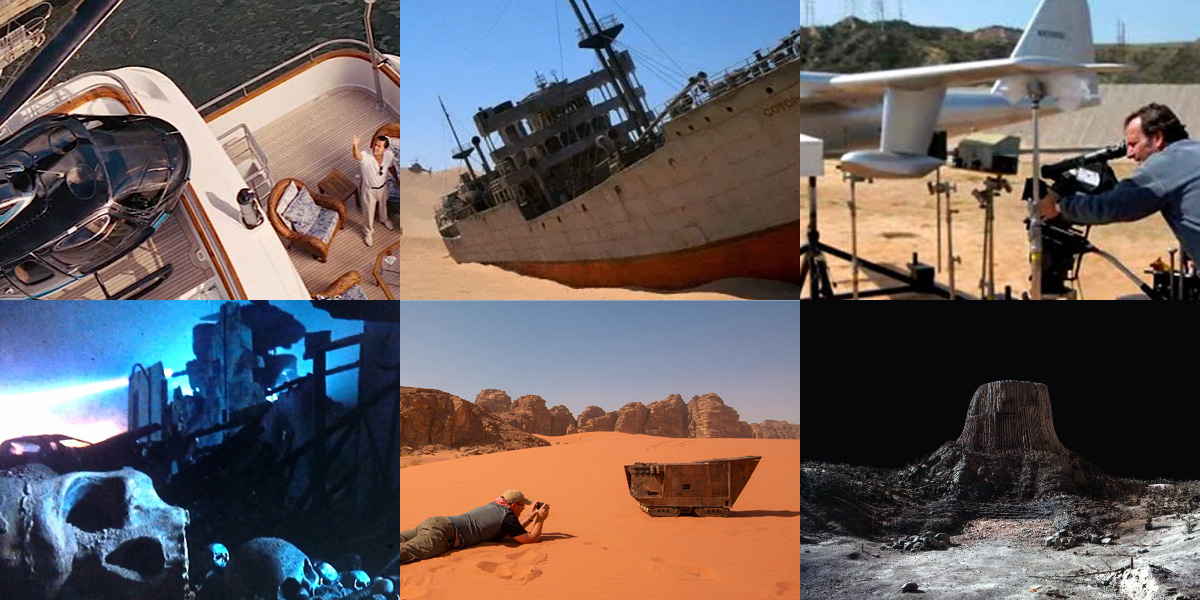
Consider the surface of an animatronic alien or a weathered spacecraft miniature. The practical prop carries minute physical flaws: micro-scratches in the enamel, subtle variations in silicone thickness, and grease stains that absorb light unevenly. When illuminated by heavy studio lamps, these imperfections produce specular highlights that defy synthetic replication. Digital artists often spend months adding artificial imperfections—digital grain, lens aberrations, chromatic fringing—to recreate what physical fabrication yields for free. A hybrid philosophy, blending practical builds with subtle digital cleanups, routinely yields the most enduring film sequences because it anchors the impossible within an authentic physical footprint.
Four Foundational Principles That Drive Physical Filmmaking Magic
To truly appreciate this discipline, one must study how practical special effects mechanics operate across four specialized disciplines. Each branch relies on rigorous engineering, clever visual trickery, and an intimate understanding of optics to accomplish what common sense suggests should be impossible inside a studio soundstage.
Forced Perspective and the Geometry of Optical Scaling
Before digital compositing permitted endless layering, directors manipulated human depth perception through raw geometry. Forced perspective relies on monocular cues, exploiting the fact that a film camera captures the world through a single objective lens rather than the stereoscopic vision of human eyes. By carefully aligning sightlines, an object placed twenty feet from the camera can appear to interact directly with an object resting fifty feet behind it.
This mechanical sleight of hand requires bespoke architectural design. Sets are built with sloped floors, non-parallel walls, and scaled furniture that systematically shrink or expand relative to the focal point. Actors must rehearse millimeter-precise movements along divergent diagonals to maintain the illusion of eye contact, even when standing yards apart. If a performer steps half an inch past their mark, the optical convergence shatters. Yet when executed with clinical precision, the camera prints two dramatically disparate scales onto a single strip of film, bypassing any need for post-production composites.
Pneumatics Hydraulics and the Choreography of Creature Rigs
In animatronics and prosthetic puppetry, applied practical special effects mechanics convert mechanical leverage into organic, lifelike behavior. Fabricating a monstrous predator or an expressive alien creature demands far more than sculpting skill; it requires an internal skeleton engineered to withstand torque, friction, and heat. Cable-operated armatures utilize aircraft-grade stainless steel wire wound through low-friction conduits, translating the finger twitches of off-camera puppeteers directly into delicate facial sneers.
For larger creature movements, hydraulic and pneumatic actuators take over. Hydraulic cylinders provide immense fluidic force, moving tons of simulated flesh with fluid, unstoppable inertia. Pneumatics, by contrast, offer snappy, elastic bursts of motion, replicating the sudden lunges and rapid respirations of predatory animals. Skilled teams coordinate dozens of proportional valves in real time. A single mechanical head might house thirty distinct micro-servos operating eyelids, lip curling, and tongue extension, transforming cold steel linkages into breathing, expressive anatomy.
High Speed Cinematography and Miniature Fluid Dynamics
Scaling down an ocean, an avalanche, or an exploding skyscraper presents an unforgiving physics puzzle: scale models look remarkably real until they start moving. Gravity and fluid viscosity do not scale down proportionally with the physical dimensions of a miniature set. Water droplets falling off a one-tenth scale boat appear ten times too large, instantly exposing the miniature nature of the sequence to the audience.
Technicians conquer this obstacle by manipulating the speed of time itself through frame rates. Just as an understanding of how spinning spheres manipulate surrounding air streams in sports—much like how Baseball Pitch Spin Mechanics Reveal 4 Proven Secrets to Create Unhittable Movement explains aerodynamic deflection—cinematographers and model makers calculate the exact weight and drag of scaled objects to preserve visual authenticity. By filming miniatures at ninety-six, one-hundred-and-twenty, or even two-hundred frames per second, the action slows down dramatically upon playback. Scaled debris floats with majestic heaviness, water splashes shatter into what looks like fine oceanic mist, and miniature flames billow with the lumbering cadence of a catastrophic inferno.
Pyrotechnic Chemistry and Controlled Explosive Dissipation
Studio pyrotechnics bear little resemblance to military-grade ordnance. A cinematic blast must be visually dramatic, completely controllable, and entirely safe for the crew standing just beyond the safety perimeter. Achieving high-visibility fireballs requires precise chemical formulation and ingenious blast chamber shaping. Black powder offers rapid expansion with heavy smoke, whereas propane mortars produce towering bursts of clean, luminous flame that linger photogenically in the air.
Special effects technicians pack specialized mortars with combinations of fuller’s earth, lightweight cork fragments, and atomized flammable fuels. The directional funneling of the mortar directs the kinetic shockwave upward away from actors, transforming a potentially hazardous shock into an optical spectacle. Gypsum dust and soft balsa wood simulate shattering masonry without producing lethal fragmentation. The art lies in balancing rapid thermodynamic expansion with visual longevity, providing the camera with breathtaking destruction while keeping every stunt performer safe from flying shrapnel.
The Psychological Weight of On Set Reality for Performers
The mechanical brilliance of practical effects ripples directly into theatrical performance. Acting against an empty green backdrop demands extraordinary imaginative labor. An actor must visualize the scale, threat, and spatial rhythm of a monster that exists solely inside a computer monitor months in the future. Their eye lines wander, their emotional reactions risk becoming abstract, and their physical posture lacks visceral reactivity.
When cast and crew interact with authentic practical special effects mechanics on a soundstage, the dynamic shifts from imaginative conjecture to genuine reaction. When a two-ton mechanical beast slams its jaws mere inches from an actor’s face, the pupil dilation, sudden adrenaline spike, and startled flinch are genuine physiological responses. The actor can smell the heated motor oil, feel the concussive thump of a compressed air blast against their chest, and adjust their footing as simulated seismic floor plates tilt beneath their boots. That instinctive biological resonance transfers directly through the camera lens, infusing the scene with dramatic conviction that no digital placeholder can elicit.
Preserving Physical Craft in an Algorithmic Visual Landscape
The cinema landscape continues to oscillate between digital abundance and a rekindled reverence for artisanal fabrication. While computing power can render billions of simulated polygons, audiences increasingly report visual fatigue when confronted with weightless, frictionless imagery. The tactile friction of real matter grounding an impossible story carries an irreplaceable emotional authenticity that stands up to repeated viewing over decades.
Documenting and honoring these techniques—exemplified by institutions like the Academy of Motion Picture Arts and Sciences Scientific and Technical archives—ensures that the lineage of mechanical craftsmanship remains vital for future generations of world-builders. The lasting survival of practical special effects mechanics proves that human audiences instinctively crave real light hitting real physical surfaces. As emerging directors rediscover the raw power of in-camera alchemy, the boundary between engineering science and theatrical dreams remains the beating heart of cinema magic.