NYT Connections Hints and 4 Strategic Secrets Behind the Viral Daily Obsession
When sixteen innocuous words challenge morning routines worldwide, digital deduction takes center stage. Here is an investigative look at how daily logic puzzles transformed modern media habits.
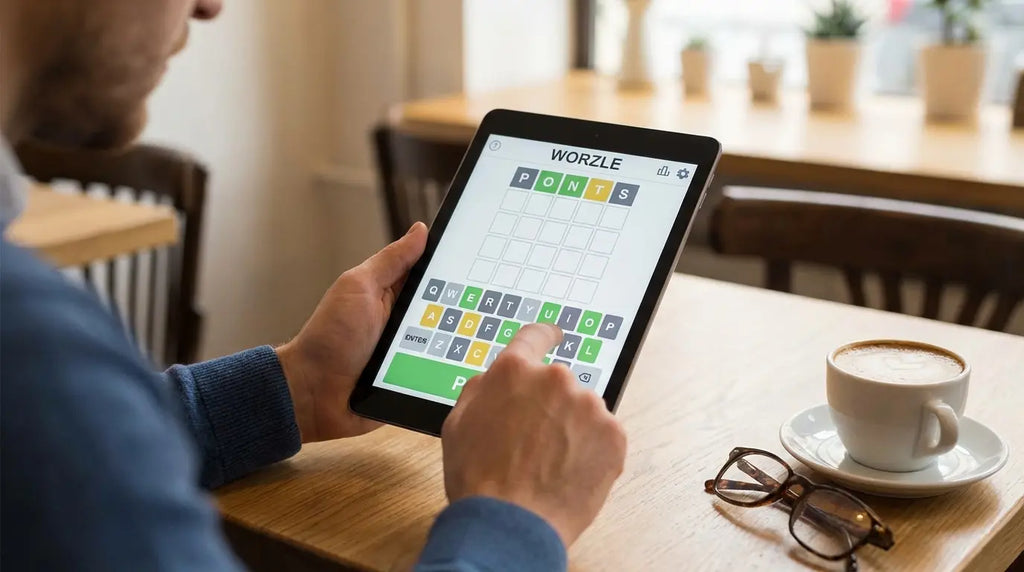
Every single morning, millions of players turn to nyt connections hints before risking their daily winning streak on an unusually cryptic puzzle grid. The ritual has quietly embedded itself into morning commutes, boardroom breaks, and group messaging threads across the globe. What appears to be an innocent four-by-four grid of sixteen words frequently conceals intricate linguistic ambushes, syntactic double-crosses, and deceptive category overlaps designed to exhaust a player’s four permitted mistakes. As digital audiences seek to protect hard-earned winning records, searching for gentle guidance without outright spoiling the solution has evolved into an essential digital reflex.
The daily obsession reached another fever pitch with Friday puzzle release number 1230, prompting major publications to mobilize their analytical desks. As reported by Forbes contributor Kris Holt and gaming analysts at CNET, thousands of solvers encountered clever traps designed to dismantle quick assumptions. The rapid mobilization of dedicated explainers from Mashable, Lifehacker, and Parade Magazine demonstrates that word gaming is no longer an isolated pastime. It is a shared international spectacle driven by the psychological thrill of untangling semantic misdirection.
The Modern Word Puzzle Phenomenon Captivating Global Commutes
The meteoric ascent of Connections reflects a broader transformation in digital consumption. Following the global takeover of Wordle, publishers recognized that modern digital audiences crave brief, friction-free intellectual workouts that respect their time while offering genuine friction. Instead of passive scrolling, players allocate five to ten minutes of intense focus toward finding order in apparent chaos. The game presents sixteen tiles that must be sorted into four distinct quartets, each united by an unstated common denominator.
What gives the grid its bite is the deliberate architecture of false associations. In puzzle 1230, as documented by Lifehacker and Mashable, individual words routinely masqueraded as belonging to five or six potential groups. A word might evoke kitchen utensils, financial markets, nautical terminology, and colloquial slang simultaneously. Navigating these layers requires an alert mind, which explains why search interest around nyt connections hints escalates dramatically during peak morning hours in major metropolitan centers. Solvers do not necessarily want the full answers handed to them on a platter; they seek calibrated nudges that confirm whether their working hypothesis aligns with editorial intent.
Unlike traditional crosswords that demand broad trivia recall, this format operates strictly on lateral thinking and semantic categorization. The game relies on a color-coded difficulty hierarchy: yellow represents the most straightforward conceptual link, green introduces foundational thematic groupings, blue highlights nuanced cultural or topical associations, and purple unleashes devious wordplay involving prefixes, palindromes, or hidden homophones. When an editorial team designs a grid where every quadrant seems interconnected, players face an intellectual labyrinth where hasty clicks lead directly to defeat.
How Puzzle 1230 Exposed the Psychology of Daily Digital Play
The specific friction points analyzed in coverage of puzzle number 1230 by CNET and Forbes underscore why daily solvers frequently hit cognitive roadblocks. Human cognition relies on heuristic shortcuts, grouping related concepts automatically to conserve mental energy. When a solver spots four words related to physical fitness or culinary tools, the subconscious instinct urges an immediate click. Yet the grid’s architects anticipate these reflexive leaps, deliberately seeding four or five plausible candidates to bait early blunders.
Tracking the emergence of nyt connections hints across leading culture desks reveals a collective thirst for clarity against these linguistic minefields. Parade Magazine highlighted how consecutive mid-autumn puzzles tested thematic flexibility, pulling terms that straddled professional jargon and casual idioms. When players burn two of their four allotted lives within sixty seconds, anxiety spikes. The stakes may be entirely virtual, but the emotional investment in preserving an unbroken streak is undeniably authentic.
This psychological tension fuels the daily media ecosystem. Readers turn to trusted explainers not to cheat the system, but to calibrate their internal compass. Publications serve as digital sounding boards, offering categorical nudges such as the general theme of the yellow category or the grammatical trick anchoring the purple tier. This dynamic keeps the game satisfyingly difficult while preventing the demoralizing frustration that drives casual users away from daily digital challenges.
Four Strategic Secrets Serious Solvers Use to Crack Tough Grids
Conquering the grid consistently requires moving past raw intuition toward disciplined pattern analysis. Top solvers treat each daily puzzle as a small-scale deductive investigation rather than a guessing contest. Applying structured principles dramatically reduces the risk of falling into curated editorial traps.
Isolate the Obvious Straightforward Categories Early
The initial scan of the board frequently reveals words that appear unmistakably linked. However, experienced solvers refrain from submitting immediately. Instead of rushing to clear the yellow or green sets, write down the potential four-word cluster and verify whether a fifth word on the board could plausibly belong to that same family. If five candidates exist, the category is actively compromised by a decoy. Stepping back until the extraneous term finds a definitive home elsewhere prevents costly mistakes during the opening moments of play.
Identify Overlapping Distractors Before Committing Any Guesses
Decoys are the lifeblood of difficult boards. Designers frequently plant terms that evoke iconic cinema, sports franchises, or musical terms to draw attention away from abstract grammatical patterns. Successful players actively search for words with dual grammatical identities, such as terms that operate equally well as nouns and verbs. By cataloging words that harbor multiple definitions, you expose the seams of the puzzle and isolate the actual intended groupings before burning valuable attempts.
Shuffle the Visual Layout to Break Mental Associations
Spatial proximity exerts a powerful influence on human perception. The game’s default layout places specific words side by side to suggest spurious connections that do not exist conceptually. Utilizing the built-in shuffle button rearranges the tiles, dislodging visual biases and forcing the brain to evaluate each entry on its own merits. Multiple shuffles can instantly illuminate overlooked relationships that remained invisible when two vital tiles were marooned at opposite corners of the screen.
Reserve Intuition for the Notorious Purple Wildcard
The purple category rarely hinges on straightforward definitions. Instead, it frequently demands phonetic deconstruction, missing compound elements, or anagrammatic twists. Words in this tier might share a missing first syllable, function as homophones for foreign numbers, or represent terms that follow a specific prefix. When seeking reliable nyt connections hints, experienced solvers often look specifically for clues pointing toward the purple tier’s structural mechanism, allowing the remaining twelve tiles to fall into logical order through process of elimination.
The Massive Cultural Surge Behind Digital Deduction Games
The explosive demand for daily puzzle walkthroughs points to a fundamental shift in entertainment journalism. Platforms like Forbes, Mashable, and Lifehacker dedicate regular editorial bandwidth to game breakdowns because these articles cater to recurring, deeply engaged audiences. Daily solvers exhibit high retention, returning at the exact same hour every morning to benchmark their performance against professional commentary.
This digital ritual mirrors other daily pursuits centered on precision and systematic technique. While mastering systematic pattern recognition in logic puzzles requires deliberate practice, similar methodical rigor applies across daily life disciplines, as detailed in our guide on Meat brining mechanics and 4 proven secrets to lock in incredible juiciness where understanding cellular moisture transfer transforms everyday kitchen results. Both pursuits reward an appreciation for underlying structures rather than superficial guesswork.
Furthermore, social media amplifies this communal engagement. The minimalist grid of colored squares shared across social feeds allows players to broadcast their deductive prowess without revealing the actual words, generating intrigue and healthy peer competition. Seeing a friend solve the puzzle without a single misplaced tile creates immediate pressure to match that precision, prompting cautious competitors to consult nyt connections hints before finalizing speculative submissions.
Cognitive Resilience and the Long-Term Appeal of Daily Word Puzzles
Beyond competitive bragging rights, the enduring popularity of deduction puzzles lies in their cognitive rewards. In an era dominated by hyperactive feeds and passive video consumption, interactive word games provide structured mental exercise. Solving a board activates semantic networks, working memory, and executive function, delivering a legitimate burst of dopamine when sixteen disparate tiles collapse into four tidy bars of color.
The ongoing search for nyt connections hints reflects an audience that values cognitive challenge but respects tactical moderation. Solvers view these resources as an intellectual safety harness rather than an easy bypass. As long as puzzle editors continue weaving intricate traps and brilliant wordplay into daily boards, the global community will assemble each morning, coffees in hand, eager to decode the language that connects us all.