Levante Faces 3 Major Crises as Violent Ultra Clashes Erupt Ahead of Sevilla Fixture
Hours before kickoff at the Estadi Ciutat de València, violent street clashes between rival ultra factions overshadowed high-stakes La Liga action. Here is an investigative breakdown of the operational failures, broadcast fallout, and sporting disruptions shaking Spanish football.
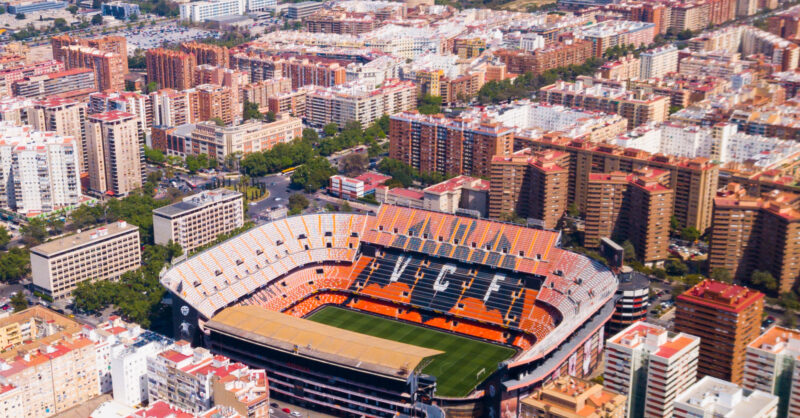
Hours before kickoff in Valencia, Levante supporters found their matchday transformed into an unexpected battlefield as rival ultra groups clashed violently in the surrounding streets. What was intended to be an electric celebration of top-tier Spanish football quickly dissolved into pandemonium. Smoke bombs ignited, metal barricades clattered across city asphalt, and hundreds of residents watched in shock as organized hooligan factions transformed everyday thoroughfares into combat corridors. Eyewitness accounts flooded digital feeds as law enforcement sirens echoed across the northern districts of the city.
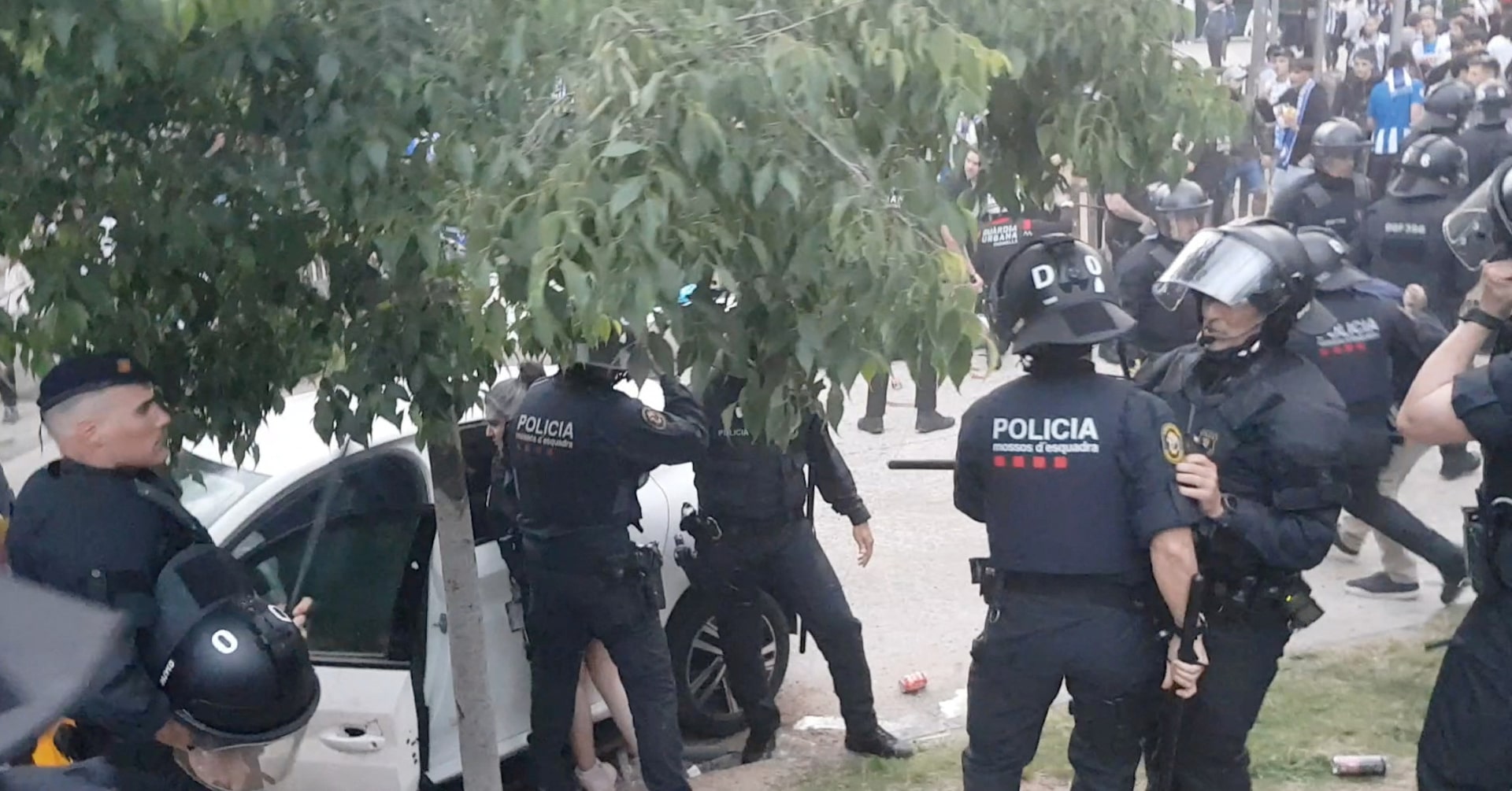
According to initial reporting from Yahoo Sports, the pre-match build-up between Levante and their Andalusian visitors transformed into a pitched battle that overwhelmed municipal security buffers. Social media recordings documented dozens of hooded individuals trading blows, hurling heavy street furniture, and deploying tactical flares right in the vicinity of residential apartment complexes. Rather than the customary festive procession of singing supporters, local authorities were forced to mobilize anti-riot units in an attempt to contain rapid guerrilla skirmishes between ideological ultras.
The incident ignited immediate alarm across Spain and rapidly spread to international headlines. While football hooliganism across Western Europe has increasingly been pushed out of stadiums thanks to biometric ticketing and heavy surveillance, the violence before this showdown proved that the subculture has simply migrated outside stadium perimeters. The clashes took place well ahead of the evening whistle, catching transit personnel, local shopkeepers, and casual families completely off-guard as Valencia’s peaceful neighborhoods were turned into contested territory.
Street Chaos Shatters the Pre-Match Atmosphere in Valencia
The sudden explosion of violence erupted along traditional transit arteries leading toward the ground. Eyewitness accounts gathered by local radio stations detailed how opposing groups converged with coordinated precision, brandishing blunt objects and launching glass bottles into crowded café terraces. Bystanders fled into nearby shops as roll-down security shutters were slammed shut in broad daylight. The sheer speed of the altercation pointed toward premeditated arrangements orchestrated via encrypted messaging channels rather than spontaneous tavern friction.
Municipal police units deployed tear gas and smoke dispersal tactics to sever contact between the rival fronts. While emergency responders treated several individuals for contusions and lacerations, the broader psychological damage to the local community was immediate. For decades, Spanish football administrators have fought relentlessly to project an image of pristine, modern entertainment. Watching riot police navigate burning trash bins outside an elite sporting venue laid bare the enduring fractures beneath the sport’s polished commercial veneer.
High Sporting Stakes Fuel Intense Focus on Estadi Ciutat de València
The street turmoil arrived at a critical competitive juncture for both clubs. Coverage from The New York Times and Fubo underscored the sporting weight of this fixture, noting how Levante prepared to confront a fourth-place Sevilla squad boasting seven points from three matches and a strong positive goal differential. For the visiting Andalusians, the road trip presented an opportunity to solidify their place in the upper echelon of the league table, establishing European qualification credentials early in the campaign.
For the home side, often celebrated by local fans as the Granotas, the match represented a vital test of survival and institutional resilience. Competing in round eight of the league calendar, every individual point at the Estadi Ciutat de València is precious in insulating the squad against relegation pressures. Live analytical hubs such as BBC Sport and OneFootball were tracking kick-off windows, highlighting the tactical chess match between the two managers while tactical analysts anticipated an aggressive counter-attacking display from the Valencia hosts.
The encounter also enjoyed unusual cross-border prominence. With the match kicking off at 3 p.m. Eastern Time in the United States and 19:00 local time in the United Kingdom, millions of international viewers settled in for an exclusive Monday afternoon showcase. Global sports platforms had heavily marketed the single-fixture slate, transforming a regular league clash into prime-time programming for overseas audiences. The sudden intersection of this broadcast spotlight with raw street violence instantly elevated the match into a trending talking point worldwide.
Three Critical Consequences of the Pre-Match Violence
The fallout from the Valencia skirmishes extends far beyond damaged outdoor seating and police incident reports. By penetrating mainstream sports headlines hours before the whistle, the disorder triggered multifaceted repercussions that challenge modern football operations.
Fierce Ultra Factions Threaten Spanish Football Safety Protocols
The sudden brawl exposed persistent operational vulnerabilities in how municipal forces monitor travelling supporter contingents. Police intelligence historically monitors radical groups such as Sevilla’s Biris Norte and local radical firms, yet the clandestine nature of modern ultra gatherings allows factions to bypass scheduled transportation routes. Instead of arriving under guarded police escorts, organized groups orchestrated an illicit rendezvous where Levante Ultras and visiting Sevilla radicals collided in unpoliced public plazas.
This evolution of ultra tactics poses a grave headache for La Liga administrators. Over the past decade, Spanish football authorities have championed strict stadium bans, criminal registries, and heavy financial penalties to cleanse venues of extremism. However, when violent factions deliberate choose locations blocks away from the turnstiles, private club security becomes essentially powerless. The event demonstrates that stadium-centric safety frameworks are fundamentally incomplete without comprehensive urban intelligence tracking mobile fringe groups across intercity transit networks.
Global Broadcast Windows Amplify Negative International Scrutiny
Because this contest served as the primary televised fixture of the day, international interest was at an absolute peak. American viewers tuning in via channels highlighted by The New York Times and digital subscribers monitoring stream updates on Fubo were seeking sporting drama, but instead encountered chaotic news bulletins. In an era where digital feeds aggregate updates in real-time, fans eager to follow the Levante match discovered viral footage of street fights rather than tactical previews.
For La Liga, which has aggressively invested in marketing campaigns across North America and Asia to compete with the English Premier League, scenes of uncontained public violence inflict measurable brand damage. Sponsors and broadcast partners invest hundreds of millions of dollars on the premise of family-friendly, premium athletic entertainment. When international trends are dominated by violent disorder surrounding a standard domestic match, league executives face difficult questions from commercial stakeholders regarding fan safety and brand reputation.
Competitive Focus Fractures Under Acute Off-Pitch Turmoil
The psychological toll on the athletes and technical staff inside the dressing rooms cannot be overstated. Professional athletes spend days fine-tuning their cognitive preparation, rehearsing set pieces, and calibrating their emotional energy. When the immediate vicinity of the ground becomes an active containment zone with sirens wailing, police helicopters circling overhead, and tear gas potentially drifting across access gates, pre-match routines crumble. In this chaotic environment, tactical preparation for Levante took an immediate psychological hit as coaches grappled with delays and safety concerns for arriving staff and family members.
In elite athletics, unforeseen disruptions routinely shatter competitive momentum. Just as sudden systemic setbacks can instantly unravel a franchise’s defensive integrity—much like how the Javon Hargrave Injury Delivers 3 Costly Blows to Green Bay Packers Defense reshuffled tactical game plans overnight—violent street conflicts disrupt player psychology and pre-match routines before high-stakes league fixtures. When players step onto the pitch wondering whether loved ones outside have safely navigated riot barriers, their collective tactical discipline inevitably wavers, turning what should have been a pure sporting contest into an exercise in crisis management.
Institutional Reform and the Long Shadow Over Matchday Security
The chaotic scenes outside Estadi Ciutat de València mark an uncomfortable turning point that will compel Spanish regulatory bodies to act swiftly. The National Commission against Violence, Racism, Xenophobia, and Intolerance in Sport is expected to convene emergency sessions to review camera footage, identify instigators, and levy severe individual travel bans. Municipal authorities in Valencia will likely face municipal audits examining why rapid-response squads failed to intercept the gathering before blows were exchanged in populated commercial corridors.
For the clubs themselves, passive disavowal will no longer suffice. While modern club administrations routinely issue standardized statements condemning all forms of violent behavior, real reform requires proactive, preventative measures. Clubs must collaborate with domestic intelligence to eliminate ticket distribution loops that inadvertently supply tickets to organized radicals travelling across provinces under the guise of general fan clubs. Strict background vetting, personalized digital passes, and coordinated bus convoys must become non-negotiable standards for matches bearing high risk profiles.
Ultimately, Spanish football must reckon with the stark contrast between its glittering global television product and the persistent underbelly of localized fan hostility. Matchdays are intended to serve as cultural anchors that bring communities together in celebration of athletic skill, tactical ingenuity, and collective pride. When thuggish skirmishes overshadow the artistry of 22 players on the pitch, everyone suffers—from young supporters attending their first fixture to global audiences watching thousands of miles away. As authorities process arrests and assess urban damages, the long-term reputation of Levante depends on severing all ties with violent factions and reclaiming the matchday experience for authentic supporters.