Avengers Doomsday Roster Cuts Reveal 3 Critical Marvel Phase 6 Gambles
Jeremy Renner revealed he has not been contacted for Marvel’s upcoming crossover, warning that Earth’s Mightiest Heroes usually lose without Hawkeye. Meanwhile, a cryptic comment from Josh Brolin adds fresh mystery to the Phase 6 ensemble.
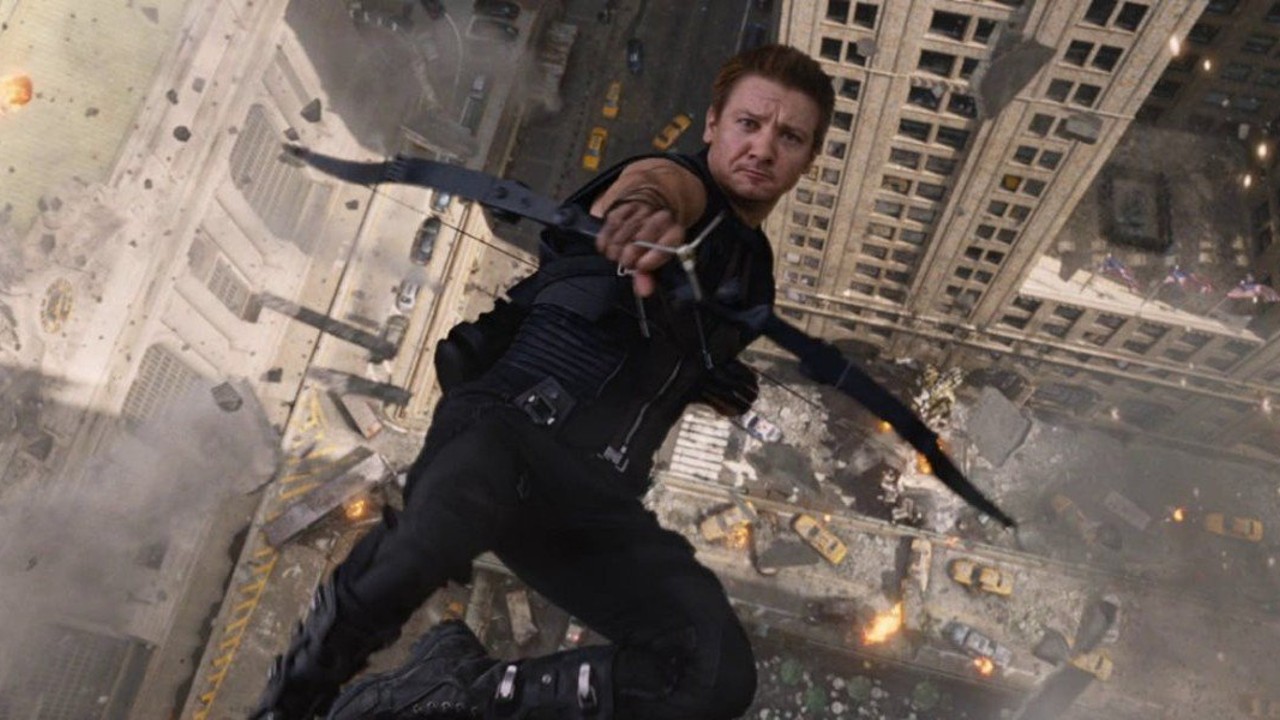
Anticipation around Avengers Doomsday reached a fever pitch this week after original cast member Jeremy Renner dropped a candid bombshell regarding his Marvel Cinematic Universe status. Speaking candidly during recent promotional appearances, the veteran actor revealed that Marvel Studios has not reached out to him regarding an appearance in the upcoming Phase 6 tentpole. Rather than expressing bitterness, Renner delivered a razor-sharp quip rooted in MCU canon, declaring that without Clint Barton on the frontline, Earth’s Mightiest Heroes are almost certainly doomed to fail.
Renner’s blunt admission reverberated across Hollywood trades and fan communities within minutes. As first highlighted by reporting from Forbes and further detailed by Yahoo Entertainment, ComicBook.com, and ComicBookMovie.com, the archer’s potential absence breaks a foundational continuity thread that stretches back to the franchise’s inception in Phase 1. Renner’s observation carries genuine historical weight within the fictional universe. In every theatrical outing where Clint Barton stood shoulder-to-shoulder with the team, the Avengers walked away victorious. When Barton was sitting on the sidelines under house arrest during the events of Avengers: Infinity War, the universe lost half its living population.
Adding fuel to an already roaring speculative fire, Josh Brolin entered the conversation with an entirely different posture. As reported by The Direct, Brolin offered an intensely guarded, cryptic one-word response when pressed on whether Thanos could make a shock return alongside Robert Downey Jr.’s Doctor Doom. The collision of Renner’s surprising exclusion and Brolin’s evasive tease exposes the massive creative recalibration currently underway inside Marvel Studios.
Jeremy Renner Sounds the Alarm on Marvel Roster Decisions
The disclosure from Renner arrives at a fascinating moment in his career and personal journey. Following his remarkable survival and recovery from a near-fatal snowplow incident on New Year’s Day 2023, fans widely anticipated that his return to acting would culminate in a celebratory curtain call within the next massive ensemble event. Instead, Renner made it plain that his phone has remained silent regarding the production schedule currently forming under directors Joe and Anthony Russo.
According to coverage from ComicBookMovie.com, Renner insisted he is not in the feature, deadpanning that “The Avengers will probably lose” if Marvel attempts to confront its next multiversal catastrophe without Hawkeye’s steady hand. Paul Tassi at Forbes observed that benching one of the few surviving members of the original six Avengers signals a dramatic shift in how Marvel intends to allocate screen time. With Robert Downey Jr. returning not as Tony Stark but as the villainous Victor von Doom, audiences expected legacy anchors to carry the emotional ballast of confronting a villain wearing the face of their fallen mentor.
Clint Barton has consistently functioned as the grounding moral center of the Avengers. In 2015’s Avengers: Age of Ultron, it was Barton’s secluded farmhouse that sheltered a fractured team, and it was his blunt pep talk to Wanda Maximoff that forged a frightened recruit into an Avenger. By the time Avengers: Endgame arrived, Barton’s grief-fueled crusade as Ronin and his sacrifice on Vormir with Natasha Romanoff solidified him as the soul of the collective roster. Leaving him off the call sheet completely underscores why the development surrounding Avengers Doomsday caught fans off guard.
Josh Brolin Stirs the Multiverse With a Cryptic Thanos Tease
While Renner offered complete transparency about his exclusion, Josh Brolin chose the opposite path by fanning the flames of narrative speculation. During a recent media exchange documented by The Direct, Brolin offered a tantalizing, single-word reaction when asked if he would reprise the Mad Titan in Avengers Doomsday, setting Marvel forums ablaze with theories regarding how the franchise could accommodate two apex villains.
On paper, Thanos has met his definitive end twice over within sacred timeline continuity. Thor decapitated the prime version of the warlord at the onset of Avengers: Endgame, while Tony Stark’s climactic infinity snap dusted the 2014 variant and his entire armada. However, the Multiverse Saga operates without standard mortality barriers. In Jonathan Hickman’s seminal 2015 Secret Wars comic book run, Doctor Doom establishes Battleworld and encounters Thanos in a legendary confrontation where Doom violently dispatches the Titan to prove his absolute supremacy.
If Marvel Studios intends to demonstrate that Victor von Doom represents a threat far more lethal than the warlord who wiped out half the cosmos, staging a direct confrontation between Downey Jr.’s Doom and Brolin’s Thanos would deliver instant narrative clarity. Brolin’s refusal to shut the door completely suggests that Marvel brass may be quietly orchestrating high-impact legacy appearances behind locked doors, even as other foundational players find themselves left outside the gates.
3 Critical Shifts Reshaping the Marvel Phase 6 Strategy
Navigating the monumental production scale of Avengers Doomsday requires unprecedented discipline from a studio attempting to recapture its peak theatrical dominance. Much like the precise chemical balance required in culinary craft—where studying Pan sauce emulsion mechanics and 4 proven rules that create unforgettable velvety depth proves that too many conflicting elements without an emulsifier ruin the reduction—Marvel’s writing team must balance bloated character rosters against raw emotional substance. The contrasting situations surrounding Renner and Brolin illuminate three structural gambles defining this transition.
The Narrative Void of Missing Original Earths Mightiest Heroes
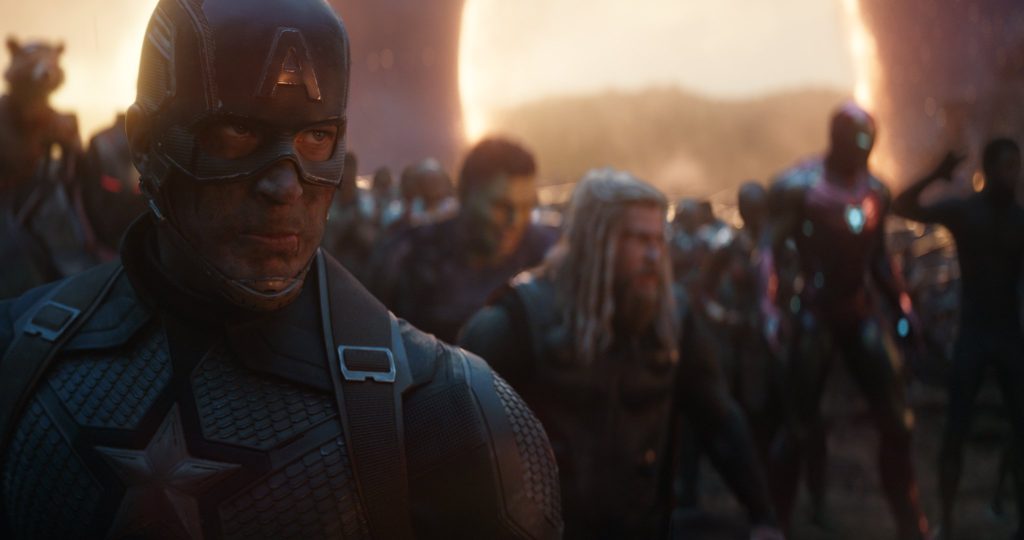
The original six Avengers provided a narrative shorthand that Marvel utilized for over a decade. Audiences understood the interpersonal friction between Steve Rogers and Tony Stark without needing continuous exposition. Today, that baseline chemistry is gone. Chris Evans’ Rogers has aged into retirement, Scarlett Johansson’s Black Widow is dead, and Downey Jr. is returning as the primary antagonist. If Renner’s Barton is sidelined, the original connective tissue rests entirely on Chris Hemsworth’s Thor and Mark Ruffalo’s Bruce Banner.
Stripping the core roster down to its absolute minimum forces the story to lean entirely on newer, less proven dynamics. While characters like Shang-Chi, Florence Pugh’s Yelena Belova, and the Fantastic Four bring fresh energy, none possess the battle-tested shorthand that made prior Avengers climaxes resonate on an emotional level. Excluding Clint Barton removes the direct perspective of a human archer looking across a battlefield at a conqueror wearing Tony Stark’s visage.
Balancing Bloated Production Budgets Against Character Priorities
The financial mechanics behind modern superhero tentpoles have reached an inflection point. Industry reporting surrounding the return of Joe and Anthony Russo, alongside the blockbuster compensation package negotiated by Robert Downey Jr., indicates that Marvel Studios is committing extraordinary resources to above-the-line talent. In an era where Disney leadership has mandated strict budget discipline and reduced production volume, assembling the star-studded ensemble of Avengers Doomsday has become a high-stakes financial calculation.
Every legacy star added to an ensemble feature brings multi-million-dollar salary requirements, profit participation points, and extensive trailer commitments. When Marvel decides not to dial Jeremy Renner’s number, financial realities cannot be decoupled from creative decisions. The studio appears to be making cold, calculated bets on which legacy contracts yield maximum box office impact, prioritizing fresh multiversal spectacles over retaining veteran supporting heroes.
The Danger of Villain Cannibalization Between Thanos and Doctor Doom
The thematic stakes of Phase 6 rest entirely on establishing Doctor Doom as the undisputed master of this cinematic era. Marvel already suffered a devastating narrative disruption when real-world legal troubles forced the studio to abandon Kang the Conqueror as their overarching multiversal antagonist. Pivoting rapidly toward Doom demands that audiences view him not merely as a substitute villain, but as the supreme existential crisis facing the multiverse.
Introducing Josh Brolin’s Thanos back into the narrative stream carries tremendous creative hazards. If Thanos appears without purpose, it risks devolving into cheap nostalgia bait that muddles the dramatic stakes. Conversely, utilizing Thanos exclusively as narrative fodder for Doom to obliterate could diminish the legacy of the Infinity Saga’s greatest threat. Balancing these legendary comic icons without cannibalizing Doom’s menacing aura represents the thinnest tightrope Marvel has walked in years.
What Clint Bartons Absence Tells Fans About Russo Brothers Direction
Joe and Anthony Russo built their reputation within the Marvel machine on airtight character efficiency. Across Captain America: The Winter Soldier, Captain America: Civil War, and their two *Avengers* epics, the directing duo earned praise for giving every costumed hero a distinct tactical voice and a tailored narrative arc. That reputation makes Renner’s absence even more telling for the trajectory of this upcoming shoot.
There remains, of course, the ever-present Hollywood caveat of contractually mandated deflection. Actors operating within the Marvel ecosystem have repeatedly denied their involvement in marquee projects, only to show up in theater screenings months later. Andrew Garfield famously spent over a year lying directly to journalists about his appearance in Spider-Man: No Way Home. Yet Renner’s candid tone across multiple independent outlets suggests his remarks reflect legitimate contractual reality rather than elaborate press-tour subterfuge.
Whether Renner’s exclusion from Avengers Doomsday is an intentional creative pivot or a misdirection, his core joke remains undeniably true to Marvel history. Hawkeye has spent over a decade proving that ordinary human grit often serves as the anchor that keeps divine gods, super-soldiers, and armored billionaires from tearing themselves apart. As cameras prepare to roll, Avengers Doomsday stands as the ultimate litmus test for the Marvel Cinematic Universe, testing whether the franchise can build a triumphant new era while leaving its most dependable foundational ingredients behind.