Game of Thrones Inspires 5 Major Cultural Shockwaves Across Global Entertainment Today
A sudden media convergence has brought Westeros back to the forefront of global entertainment discourse. From star-studded reunions to new competitive threats, here is why the fantasy titan is dominating conversations once again.
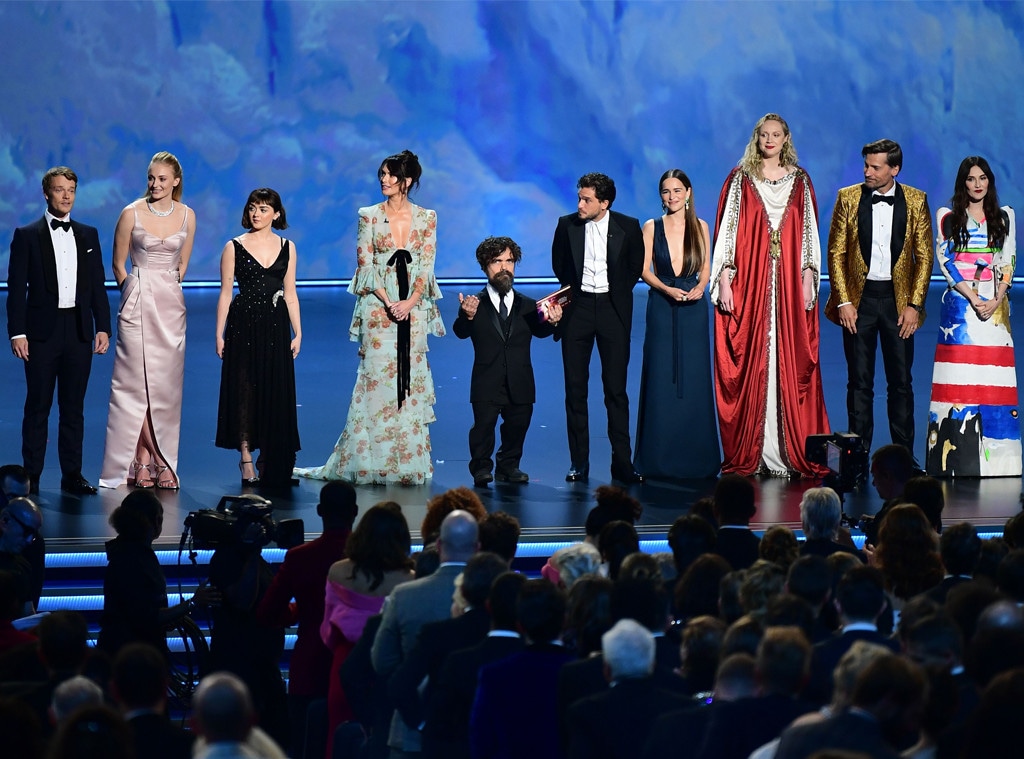
The enduring cultural dominance of game of thrones remains an undisputed phenomenon, resurfacing at the center of global entertainment discussions with remarkable velocity. Decades after premiere dates and years past contentious finales, prestige television franchises rarely command simultaneous breaking coverage across industry trades, celebrity news desks, and analytical criticism. Yet over a single twenty-four-hour cycle, the world created by George R. R. Martin and brought to screen by HBO ignited an interconnected wave of nostalgia, forward-looking industry speculation, and retrospective dissection.
Cultural trends rarely emerge in total isolation. Instead, they crystallize when multiple distinct narrative threads collide to remind audiences of an unresolved fascination. From intimate personal milestones shared by beloved ensemble actors to high-stakes streaming developments that threaten legacy television hierarchies, the sprawling Westerosi universe continues to cast an inescapable shadow over modern speculative fiction and narrative television production.
The Sudden Resurgence of Westeros in Modern Pop Culture
Understanding why prestige television discourse shifts overnight requires examining the fragmented attention spans of contemporary audiences. When a flagship intellectual property re-enters public dialogue, it typically follows an official corporate promotional push or a sequel announcement. In this instance, however, the momentum was completely decentralized, generated by spontaneous interpersonal reunions, hard-hitting literary analyses, and competitive posturing by major streaming platforms aiming to construct their own genre-defining phenomena.
Global viewers retain an emotional attachment to the ensemble cast that anchored eight seasons of unprecedented narrative spectacle. When those personal journeys intersect with wider industrial shifts—such as streaming competitors investing historic sums to engineer rival fantasy flagships—the cultural memory of prestige drama instantly reactivates. Audiences are consistently comparing modern releases against the benchmark set during the height of the fantasy boom, creating a perpetual cycle of reference and re-evaluation.
Five Critical Factors Fueling the New Wave of Fan Discourse
Five distinct storylines collided over the past two days to reignite interest in Martin’s cinematic universe, demonstrating how an iconic intellectual property maintains relevance through nostalgic, competitive, and retrospective lenses.
Emilia Clarke Celebrates a Milestone with Familiar Westerosi Allies
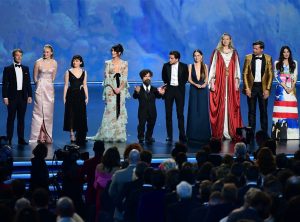
The human element of any long-running television production often outlasts the sets and costumes. As reported by The Times of India, fans received a powerful dose of nostalgia when key cast members gathered to celebrate Emilia Clarke’s 40th birthday bash. Clarke, who spent nearly a decade portraying the formidable Daenerys Targaryen, was pictured alongside foundational co-stars including Kit Harington, Nathalie Emmanuel, and Alfie Allen.
The visual of Clarke reunited with Harington, alongside Emmanuel and Allen, prompted an immediate outpouring of affectionate retrospection across social media platforms. For millions of viewers worldwide, seeing these performers together stripped away the fictional grievances of King’s Landing, replacing them with genuine admiration for an acting ensemble that weathered global scrutiny and unmatched production demands over several grueling production cycles.

Michael McElhatton Steps into Slow Horses While Hinting at Endgames
Simultaneously, veteran talent from the franchise continues to shape the broader prestige television landscape. In an in-depth interview published by The Times, Irish actor Michael McElhatton reflected on moving from his chilling portrayal of Roose Bolton to join the celebrated spy thriller Slow Horses. Entering the cast for its eighth season, McElhatton provided thoughtful perspective on whether the Apple TV+ espionage hit might be approaching its natural narrative culmination.
McElhatton’s appearance in the news cycle served as a potent reminder of the peerless character acting that distinguished early seasons of fantasy adaptations. The actor who orchestrated the brutal logistics of the Red Wedding remains an authoritative presence on screen. His reflections on television pacing, graceful story conclusions, and ensemble dynamics carried significant weight for an audience that experienced firsthand how tricky closing acts can be in sprawling narrative television.
Collider Reopens the Debate on Literary Character Sacrifices
While cast members shared milestones, narrative analysis gained substantial traction through a biting critical evaluation published by Collider. The analysis ranked five major book characters that the television adaptation fundamentally compromised when transitioning from Martin’s dense A Song of Ice and Fire novels to the small screen. The piece argued that scaling Martin’s literary mountain resulted in severe narrative shortcuts that undermined characters who possessed intricate, morally grey motivations in print.
This retrospective scrutiny reminded readers of how creative deviations split the fandom in later seasons. Longtime book enthusiasts have persistently pointed out that streamlining the labyrinthine political networks of Dorne, the Iron Islands, and the Northern conspiracies eroded the psychological complexity that originally set the story apart from conventional high fantasy. The lingering hunger for narrative fidelity remains one of the sharpest touchstones of ongoing debate among dedicated readers.
Netflix Mounts a Formidable Fantasy Challenger with Magic
The hunger for premier speculative television has triggered an arms race among rival studios. According to an analytical report by Comic Book Resources, Netflix is positioning its upcoming Magic: The Gathering adaptation as the direct competitor capable of challenging HBO as the undisputed King of Fantasy. The analysis suggests that the streaming giant is intentionally designing the animated and live-action expansion of the world’s most popular trading card game to usurp the gritty throne.
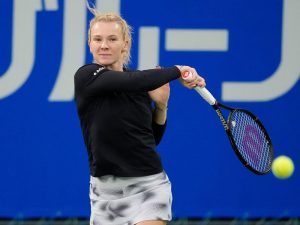
By leveraging decades of established lore, deep multidimensional worlds, and complex magical conflicts, Netflix seeks to capture the massive demographics that have felt adrift since the original series concluded. Building a global flagship requires unpredictable character dynamics, real stakes, and high-wire narrative execution—elements as critical in premier storytelling as the stunning athletic triumphs chronicled when Katerina Siniakova Delivers 3 Major Shocks in Dominant Japan Open Final Surge on the international tennis stage.
Polygon Pinpoints Critical Role as an Immersive Free Antidote
While giant corporations invest hundreds of millions chasing prestige fantasy gold, an organic cultural movement has flourished on digital platforms. Polygon recently published an extensive feature urging fantasy enthusiasts to abandon endless waits for studio productions and instead embrace Critical Role. The outlet identified the wildly popular tabletop roleplaying series, accessible entirely for free on YouTube with over 100 hours of continuous content, as the ideal substitute for those seeking gritty, high-stakes ensemble narratives.
Polygon’s reporting illuminated how actual-play tabletop programming captures the spontaneous moral danger and intricate worldbuilding that initially defined Westeros. Guided by veteran voice actors who live inside their characters for hundreds of hours, Critical Role offers the emotional investments, unpredictable casualties, and sprawling political machinations that traditional scripted television struggles to deliver within modern truncated eight-episode streaming constraints.
The Complex Struggle for the Fantasy Television Throne
The simultaneous emergence of these disparate stories illustrates an undeniable reality regarding modern entertainment economics. Studios continue to hunt for the elusive formula that captured international watercooler conversation throughout the 2010s. The fantasy genre remains uniquely lucrative, yet notoriously unforgiving to creators who prioritize spectacle over character development.
When Collider dissects adaptational missteps and Polygon recommends hundred-hour YouTube broadcasts, both critiques underline the exact same artistic truth. Audiences do not merely crave swords, dragons, and high production budgets. They crave dense consequences, consistent thematic integrity, and an authentic sense of living within a fully realized, morally complex ecosystem. The current fragmentation of viewership across digital platforms proves that capturing mass attention requires relentless respect for the audience’s emotional and intellectual investment.
Narrative Integrity and the Lasting Impact on Modern Fandoms
Ultimately, the sudden online resurgence surrounding the fantasy epic reflects an enduring collective yearning for shared cultural events. As Clarke and her former castmates demonstrate through enduring personal bonds, the collaborative achievement of mounting a decade-defining production creates a legacy that defies the rapid churn of algorithmic trend cycles.
Whether examining McElhatton’s veteran insights, debating literary fidelity, or following Netflix’s multi-million dollar attempts to mount a successor, the standards established during the peak era of modern fantasy television continue to govern creative ambitions across the industry. The world may explore new kingdoms, discover fresh tabletop campaigns, and track new streaming experiments, but the foundational benchmarks established by that icy, blood-soaked saga continue to dictate how epic storytelling is measured worldwide.