Foley sound design mechanics reveal 4 proven secrets to forge astonishing cinematic realism
Behind every bone crunch, delicate footstep, and rustling trench coat lies an invisible art form perfected on specialized sound stages. Explore the timeless mechanics that turn ordinary physical props into visceral cinematic reality.
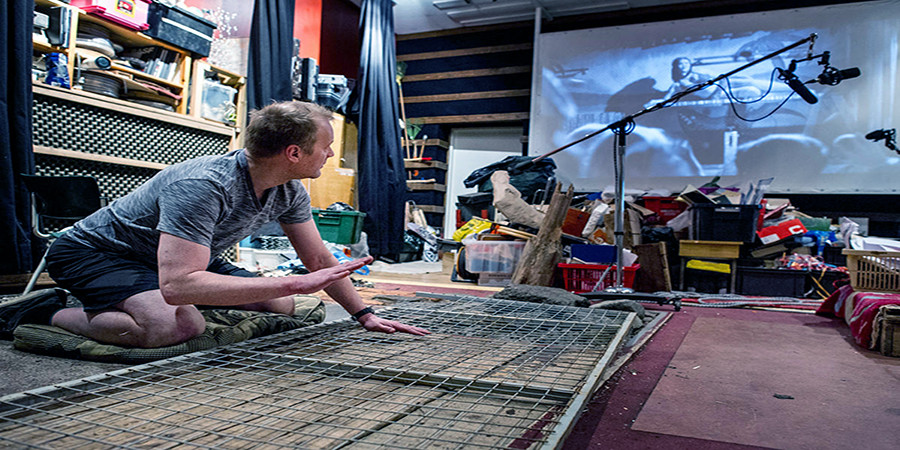
Mastering foley sound design mechanics transforms an ordinary visual sequence into an unforgettable visceral experience that pulls viewers directly through the silver screen. When an on-screen detective buttons an overcoat or creeps across an aged floorboard, our brains do not merely register sight. We anticipate the dull scrape of bone toggles against coarse tweed and the dry whine of groaning timber. If those micro-sounds vanish or feel artificial, the entire spell shatters. Audiences do not demand literal reality; they crave emotional believability, and delivering that requires an astonishingly methodical synthesis of physical kinetic motion, tactile material manipulation, and psychoacoustic deception.
The craft traces back to the dawn of talking pictures, yet its foundational physics have never been superseded by computer algorithms. Named after early pioneer Jack Foley, this discipline replaces the sterile, chaotic, or non-existent audio captured during filming with tailored physical performances recorded in post-production. A close examination of foley sound design mechanics reveals why direct production audio alone can never manufacture true cinematic presence.
The Hidden Acoustic Architecture Behind Every Moving Picture
Most moviegoers assume boom microphones suspended over actors capture every sigh, scuffle, and dropped teacup alongside the dialogue. In truth, location recording prioritizes speech intelligibility above all else. Sound recordists point high-gain directional microphones directly at the actors’ mouths, deliberately cutting out the clatter of shoes on concrete, the rustle of clothing, and the handling of props. Background clutter ruins dialogue editing, meaning set dressers often coat hard surfaces with rubber pads, quiet squeaky hinges with mineral oil, and instruct extras to mime cheers and laughs in dead silence.
This necessary hygiene leaves the production sound track hollow. Without bespoke replacement sounds, high-definition cinematography looks eerie and detached, resembling a pantomime filmed behind soundproof glass. Foley artists step onto purpose-built stages to rebuild that acoustic world from nothing. Working on elevated pits filled with dirt, gravel, slate tiles, and parquet flooring, these audio performers watch playback monitors and mirror the physical cadence of every actor on screen. Every heel strike, scuffed toe, and weight transfer must align with visual frames down to the millisecond.
This performance requires exceptional bodily control. A performer cannot merely walk; they must inhabit the emotional weight, exhaustion, and urgency of the character. A brisk strut across wet cobblestones conveys arrogance, while a dragging shuffle communicates profound sorrow. Foley is kinetic storytelling translated into sonic pressure waves.
Why Studio Sets Strip Away the Life of Sound
Studio sets are built for cameras and lighting grids, not acoustic perfection. Plywood walls flex under heavy footfalls, fiberglass boulders resonate like hollow drums when struck, and cavernous warehouse stages create chaotic reflections that betray the intimacy of an on-screen bedroom. Production tracks recorded in these environments capture an ugly bath of room rumble, ventilation hum, and lighting inverter whine. Stripping these tracks bare through surgical filtering leaves the character dialogue isolated in an acoustic vacuum.
Reintroducing fidelity demands absolute physical control over the sound source. On a dedicated foley stage, ambient background noise falls below the threshold of human hearing, hovering near ten to fifteen decibels. This pristine environment allows sensitive condenser microphones to capture transient micro-details that would disappear on a standard filming location. The scrape of fingernails against raw silk, the moist parting of dry lips before an utterance, or the faint click of a revolver hammer require an extraordinarily low signal-to-noise ratio to register with punch and weight.

Just as sudden kinetic momentum drives drama in competitive sports, where quick physical execution mirrors the raw impact seen when Blake Coleman Powers Wild Victory With 2 Crucial Goals Against Seattle, an editor relies on tactile audio impacts to anchor visual speed to our visceral nervous system. When acoustic textures hit our eardrums in lockstep with rapid movement, our sensory cortex integrates the visual frame into a coherent physical reality.
Four Essential Principles That Create Convincing Tactile Illusion
Creating believable audio illusions requires more than waving props before an open microphone. Dismantling core foley sound design mechanics exposes the intricate physical workflows that deceive the human brain into feeling weight, texture, and emotional intimacy across every frame.
Synchronous Impact Velocity and Kinetic Resonance
Human beings possess an intuitive grasp of gravity and mass. If an actor drops a cast-iron skillet on an oak table, our ears expect a bright transient metallic ping followed immediately by a heavy, low-frequency wooden thud. If the foley artist taps a lightweight tin tray instead, the listener immediately senses the shortfall in mass, even without knowing why. Achieving genuine physical resonance requires the foley performer to match the acceleration curves of the movement displayed on screen. The impact velocity determines the rise time of the sound wave. Striking a surface with decelerating caution produces a muted, unconvincing strike, whereas committing to the genuine inertia of the prop imparts kinetic truth to the microphone diaphragm.
Organic Texture Substitution That Traces Perceptual Expectation
One of the great paradoxes of sound reproduction is that real objects rarely sound like themselves through an audio monitor. Real bones snapping sound like dull wood splinters; real human punches sound like damp, fleshy slaps lacking dramatic authority. Under practical conditions, these foley sound design mechanics rely on counterintuitive physical analogs rather than literal objects. To create a sickening compound fracture, artists snap dense stalks of celery wrapped inside a wet chamois cloth. A haymaker punch finds its acoustic signature in the violent collision of a wet leather glove against a thawed pork roast. Feathers, pine needles, cornstarch, and rusted iron chains serve as sonic doppelgängers that fulfill our psychological expectations far more convincingly than authentic materials ever could.
Spatial Micro-Acoustics and Proximity Management
Sound changes fundamentally as it travels across space. Direct sound waves arrive straight from the source with sharp high frequencies intact, while reflected sound bounces off surrounding boundaries, losing top-end brilliance and accumulating room reverberation. Experienced foley artists use microphone proximity as an instrument. To track a character retreating down a narrow hallway, the artist does not merely lower the recording volume. They alter their performance angle, turning their bodies away from the microphone capsule to replicate high-frequency off-axis roll-off while working farther back on the stage to blend natural wall reflections into the tail of each step. This mimics how air molecules absorb fragile acoustic energy over distance.
Dynamic Layering and Frequency Separation
Real-world sounds are composites of discrete frequency bands operating in tandem. A footsteps pass rarely consists of a single tap; it comprises three distinct layers: the initial transient impact of the sole, the textured friction of the surface dust or grit, and the trailing flutter of trouser cuffs snapping around the ankle. Professional artists record these passes separately to prevent sonic clutter. By tracking footsteps with stiff boots first, then overlaying a dedicated pass using heavy canvas or corduroy cloth close to the microphone, the sound mixer gains total autonomy to carve out competing frequencies. This separation ensures the footstep punches cleanly through orchestral music without muddying the lead actor’s spoken dialogue.
The Psychoacoustics of Suspension of Disbelief
Sound operates on our emotions faster than vision. While our eyes process around thirty to sixty visual events per second with conscious scrutiny, our auditory system functions as an early warning system, analyzing auditory transients within milliseconds. Analyzing the cognitive psychology behind foley sound design mechanics clarifies why hyper-realism consistently outperforms literal recordings.
This phenomenon aligns closely with broader findings from Audio Engineering Society research on acoustic perception, which demonstrate that listeners project immense narrative weight onto high-frequency transient clarity and spatial cues. The human brain continuously performs cross-modal confirmation checks. If the eyes see an old leather satchel opening in pouring rain, the ears search for the tacky peel of damp hides and the cold metallic rattle of a buckle. Foley artists exploit this acoustic confirmation bias by subtly exaggerating tactile frequencies between two and five kilohertz, the exact frequency bracket where human ears demonstrate maximum sensitivity. By emphasizing these crisp textures, sound creators induce a phantom sense of touch in the audience, making viewers physically feel cold rain, dusty gravel, or sharp steel.
The Enduring Craft of Physical Sound Making in a Digital Age
In an era dominated by generative neural networks and multi-terabyte digital sound libraries, one might wonder why film studios still maintain soundstages filled with piles of junk, worn shoes, and rusted automotive parts. The answer lies in the human element of mechanical interaction. A pre-recorded digital audio sample represents a static snapshot: a door latch click recorded once, under specific velocity and angle conditions. Looping or pitch-shifting that sample across a sequence quickly produces the dreaded machine-gun effect, alerting the brain to mechanical repetition.
A living performer naturally introduces chaotic, micro-scale variations. No two footfalls land at precisely the same angle; the heel catches slightly, the ankle shifts weight across the instep, and the toe pushes off with varied friction. Even with massive algorithmic toolsets available today, authentic foley sound design mechanics continue to dominate high-end filmmaking because human motor performance introduces subtle non-linearities that code cannot fake. Physical props respond to dynamic touch with infinite gradations of friction and acoustic resonance. By embracing the tactile messiness of the physical world, foley ensures cinema remains deeply, undeniably human.