FA Vase Second Round Draw Unveils 64 Crucial Ties in Fierce Wembley Hunt
The FA Vase second round draw has officially mapped out 64 high-stakes ties across English grassroots football, igniting fierce local derbies from Kent to Suffolk. Here is the investigative breakdown of the regional clashes, financial prize funds, and the arduous winter road to Wembley.
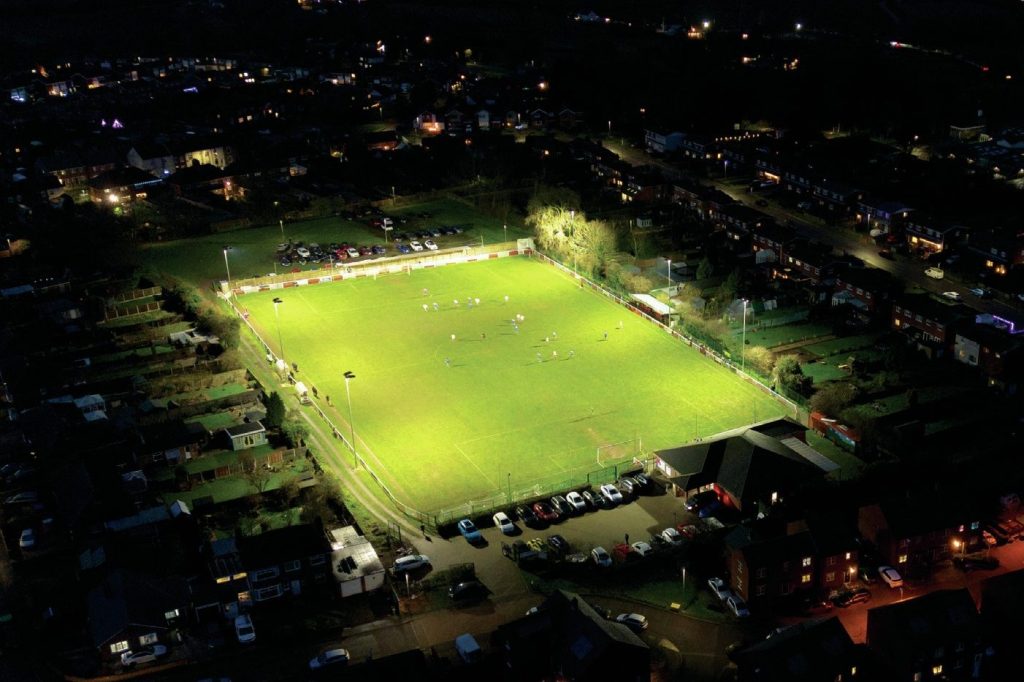
The official FA Vase second round draw has set the stage for 64 intense grassroots football clashes across England, igniting local rivalries and fueling dreams of playing under the Wembley arch. Published by TheFA.com following the formal procedure on Monday 12 October, the schedule pairs 128 non-league clubs in a direct knockout format where community prestige collides with operational survival. For teams competing at Steps 5 and 6 of the National League System, the tournament represents the pinnacle of realistic national silverware, transforming modest parish grounds into cauldrons of competitive drama.
Unlike the multi-billion-pound machinery operating at the zenith of elite English football, this tier thrives on raw passion, hyper-local devotion, and volunteers running turnstiles. The confirmation of the match schedule signals an abrupt shift in the autumn calendar. Regional clubs that spent September scraping through qualifying rounds now face seasoned Step 5 stalwarts, creating an unpredictable landscape where league form often counts for little over ninety volatile minutes.
The Scope and Stakes of the Second Round Proper
The sheer arithmetic of 64 fixtures highlights the sweeping geographic scale of the competition. As confirmed by official FA announcements, this stage pares down hundreds of hopeful entrants into a focused field of contenders. Every club entering the hat carries distinct community identities, supported by matchday turnouts ranging from several dozen diehards to thousands of roaring suburban supporters. Following the FA Vase second round draw, grassroots managers quickly calculated travel logistics, ticket allocations, and squad depth across a jam-packed schedule.
Competitive parity is what makes this specific tournament round universally captivating across non-league circles. Clubs positioned comfortably within the top tiers of the Counties leagues suddenly find themselves drawn away to stubborn, defensive units from lower divisions whose pitches and supporters present hostile territory. A single mistimed challenge, a bobbled ball on heavy turf, or a flash of individual brilliance from a semi-professional winger can abruptly alter a club’s campaign, either ending their road in disappointment or unlocking unprecedented institutional momentum.
Regional Battles and Local Derbies Across the Draw
The geographic clustering inherent in early tournament stages inevitably manufactures fierce local drama. Across counties like Sussex, Suffolk, and Kent, the FA Vase second round draw has delivered high-stakes rivalries that pit neighboring communities directly against each other.
Sussex Contenders and an All-County Showdown
County pride sits firmly on the line in the south of England, where SussexWorld reported that eight regional clubs successfully advanced into the hat to chase their Wembley aspirations. The regionalized nature of the bracket ensured that internal territorial clashes were virtually inevitable, culminating in a marquee matchup where two Sussex sides were drawn against one another in an all-county duel. For the victorious squad in that derby, advancement offers not only tournament longevity but unassailable local bragging rights for the remainder of the campaign. The remaining six Sussex contenders must navigate perilous ties against visiting out-of-county opponents who bring contrasting tactical identities, testing whether Southern Combination form can withstand external pressure.
Suffolk Division Rivalry in the Thurlow Nunn League
In East Anglia, the draw created instant friction between familiar foes. As detailed by Suffolk News, the second round proper delivers an all-Thurlow Nunn League First Division North affair, with Halesworth Town handed home advantage against Hadleigh United. Having two sides from the exact same regional division paired together strips away any element of tactical surprise. Both coaching staffs already possess exhaustive dossiers on individual player traits, set-piece routines, and disciplinary vulnerabilities. In high-leverage knockout environments, maintaining squad equilibrium and composure under pressure is paramount. Non-league managers understand that maintaining structural consistency mirrors the exact discipline seen in culinary masterclasses, where applying Emulsion stability science and 4 proven rules that prevent broken sauces prevents fragile mixtures from collapsing under extreme heat. On the pitch, an uncontrolled temper or an overzealous defensive shift can shatter a club’s defensive shape just as quickly.
Kent Football Strength in the Southern Counties East League
The southeast quadrant of the draw is heavily populated by the Southern Counties East Football League. Reporting from Kent Online highlighted that an impressive 11 SCEFL clubs survived the opening salvos to take their places in the second round proper draw. This significant contingent underlines the ferocious competitive depth present in Kent and southeast London football. With 11 outfits in contention, several teams must embark on demanding away expeditions, testing their semi-professional squads against physical setups designed to disrupt fluid possession. For SCEFL chairmen, having a heavy league presence deep into November reinforces the regional division’s pedigree on the national stage.
Financial Implications for Non-League Pyramid Clubs
While the romantic notion of walking out at Wembley Stadium captures headlines, the concrete economic realities of non-league football are equally decisive. As emphasized by The Non-League Football Paper in their comprehensive draw breakdown, significant prize money allocations accompany progression into the third round, making the outcome of these 64 fixtures financially transformative for small clubs operating on shoestring budgets.
Careful scrutiny surrounding the FA Vase second round draw reveals how vital tournament funds are for clubs existing outside the professional leagues. Winning clubs bank crucial cash injections that directly fund pitch maintenance equipment, winter floodlight utility bills, physiotherapy support, and long-distance travel coaches. Even the smaller consolidation fees allocated to defeated clubs provide a welcome financial buffer against operational deficits. In a grassroots ecosystem where an unplayable, waterlogged pitch can wipe out a month of bar and gate revenue, advancing a few rounds in the national vase can safeguard a club’s balance sheet for the entire fiscal year.
Tactical Discipline and the Winter Path to Wembley
Knockout football in November demands an entirely different tactical mindset than sunny late-summer qualifying ties. The anticipation following the FA Vase second round draw will only intensify as managers adapt their playbooks to deteriorating weather and muddy pitches. Step 5 and Step 6 sides built around patient, intricate passing often struggle when forced to play on heavy winter surfaces against direct, physically imposing teams that specialize in long throws and aerial set-pieces.
Squad rotation becomes an acute headache for managers whose players juggle full-time employment with midweek training and weekend fixtures. Injuries sustained during heavy league schedules in late October threaten to deplete rosters just as the national spotlight brightens. Teams that advance past this 64-tie hurdle typically possess not necessarily the most expansive tactical philosophies, but the most resilient mental fortitude and defensive cohesion. In knockout football, surviving a late onslaught on a freezing, blustery afternoon is worth far more than theoretical stylistic elegance.
Ultimately, the narrative established by the FA Vase second round draw is defined by community identity and the enduring magic of the non-league pyramid. When matchday arrives, 128 clubs will step onto regional pitches with completely clean slates, separated by only 90 minutes from either tournament elimination or the next step toward a dream appearance beneath the Wembley arch.