Dry brining mechanics and 4 proven rules that create breathtakingly juicy roasts
Surface salting is far more than a basic seasoning step. Discover how cellular osmosis, protein denaturation, and wire-rack airflow deliver restaurant-caliber roasts every single time.
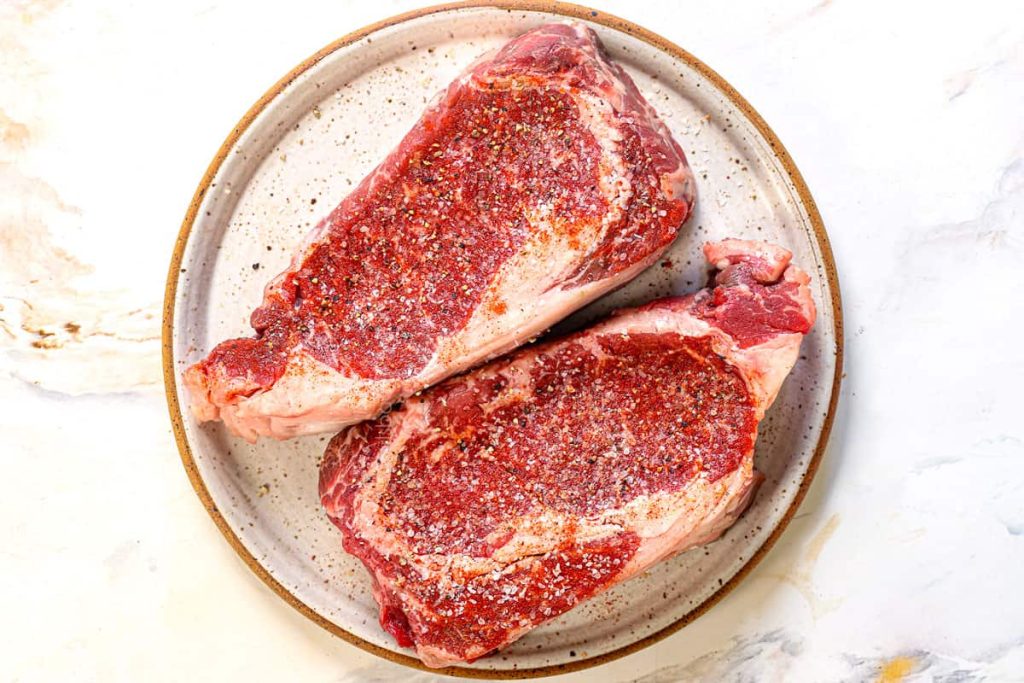
Mastering dry brining mechanics transforms an ordinary grocery store steak into an astonishingly tender masterpiece with a blistered, restaurant-quality crust. Most home cooks treat seasoning as an afterthought, flicking crystals of table salt across cold beef seconds before it drops onto a smoking skillet. The result is predictably tragic. You get a gray, soggy band of overcooked meat, an under-seasoned center, and an exterior that steams rather than sears. When you alter the timing and physics of how salt interacts with raw protein, everything changes. Instead of bouncing off hot cast iron in a cloud of bitter smoke, salt becomes an architectural tool that works from the cellular level outward.
The microscopic journey of salt through raw muscle tissue
A closer look at dry brining mechanics reveals that salting meat is far more than a simple seasoning step; it is a controlled biochemical chain reaction. Raw meat consists of roughly seventy-five percent water, twenty percent protein, and five percent fat and minerals. That water is locked inside a tight matrix of muscle fibers held together by connective tissue filaments known as actin and myosin. When you sprinkle salt onto the surface of cold muscle tissue, you immediately trigger an osmotic gradient.
Because the concentration of sodium chloride is higher outside the meat than inside, the meat immediately surrenders its free moisture. Droplets of water bead along the surface, dissolving the salt into a concentrated, glistening brine. Many novice cooks panic at this exact stage, assuming they have dried out their dinner. In reality, you are witnessing the initial half of a two-way journey. As the salt fully dissolves into liquid, diffusion takes command. The sodium and chloride ions, possessing a minute molecular profile, slowly migrate back into the interior of the meat, traveling down the concentration gradient toward salt-depleted muscle cells.
Once inside, those ions perform molecular magic. They interact with the charged side chains of myosin and actin, altering the electrical charges that keep muscle filaments packed tightly together. The muscle fibers relax, uncoil, and separate. This partial denaturation creates spacious structural pockets that can hold onto trapped water molecules during the violent heat of cooking.
Why liquid marinades dilute flavor while surface salting concentrates it
When you analyze dry brining mechanics alongside wet soaking methods, the sensory contrast becomes obvious. For decades, conventional kitchen folklore instructed cooks to submerge poultry and pork in buckets of salted water spiced with bay leaves, peppercorns, and citrus peel. While wet brining undoubtedly makes meat juicy, that juiciness is largely an illusion. The meat absorbs massive volumes of tap water via osmotic swelling, which dilutes the genuine flavor of the animal. You end up biting into an unnervingly spongy turkey breast that tastes more like lukewarm broth than rich poultry.
Worse yet, wet brining is the mortal enemy of high-heat browning. The Maillard reaction, that intricate chemical dance between amino acids and reducing sugars that generates savory, complex crusts, cannot occur until surface moisture completely boils away. Liquid water vaporizes at two hundred and twelve degrees Fahrenheit, whereas the Maillard reaction only hits its stride above two hundred and eighty degrees. When you drop wet-brined meat into a pan or onto a grill, thousands of calories of thermal energy are wasted simply boiling off excess surface water. The meat steams, turns a dreary shade of battleship gray, and overcooks internally long before a mahogany crust can form. Dry brining achieves the exact opposite by pulling moisture inward while desiccating the exterior, setting the stage for instant searing.
The 4 proven rules for flawless protein transformation
A foundational understanding of dry brining mechanics starts with eliminating volumetric guesswork. Transforming tough or delicate cuts into culinary triumphs demands strict adherence to physical laws. These four actionable principles govern the interaction between sodium, moisture, and heat.
Weigh your coarse salt instead of relying on unreliable volumetric pinches
Not all salt crystals are created equal. A single tablespoon of fine table salt contains nearly twice the sodium by mass as a tablespoon of fluffy Diamond Crystal kosher salt, with Morton kosher salt falling somewhere in the middle. Relying on measuring spoons or vague hand pinches guarantees inconsistency. The only reliable path to perfection is using a digital gram scale. Aim for a salt ratio between zero point eight percent and one point two percent of the meat’s total raw weight. For a thick two-pound bone-in ribeye, that translates to roughly eight to eleven grams of coarse kosher salt. Coarse crystals disperse more evenly across irregular surfaces, melting gradually into the exterior tissues rather than dissolving instantly into aggressive, localized salt patches.
Respect the critical dwell time required for full interior diffusion
Salt does not rush. In typical domestic refrigerator environments hovering around thirty-eight degrees Fahrenheit, sodium ions penetrate raw mammalian muscle tissue at an average rate of roughly one to two millimeters per hour. If you salt a thick roast and throw it into an oven after thirty minutes, you catch the meat in the worst possible physiological state. Surface moisture has been drawn out by osmosis to create a liquid brine, but the ions have not yet had sufficient time to diffuse back into the core. You end up searing a sopping wet exterior while the center remains unseasoned. As documented in Michigan State University Extension research on meat brining science, allowing sufficient dwell time allows the natural proteins to fully trap moisture within the interior network. For standard one-inch steaks, provide at least eight hours. For heavy roasts or whole spatchcocked birds, allocate twenty-four to forty-eight hours of resting time.
Keep the meat uncovered on an elevated wire rack for surface moisture evaporation
Never trap dry-brining meat under plastic wrap or inside sealed storage bags. The entire secondary objective of this process is absolute surface dehydration. Place a stainless steel wire cooling rack inside a rimmed sheet pan and set the salted protein on top. Elevating the meat allows cold, dehumidified refrigerator air to circulate around every square inch of the surface, including the bottom. Over twelve to twenty-four hours, the exterior moisture vanishes into the refrigerator air, forming a thin, slightly tacky exterior skin known as a pellicle. This dehydrated boundary acts as an impenetrable shield that seals in internal juices while creating the ideal launchpad for explosive browning.
Adjust your ambient cooking thermodynamics to exploit the dry crust
Because a dry-brined piece of meat carries virtually zero free moisture on its surface, its thermal dynamics during cooking shift dramatically. When your steak hits hot fat in a skillet or searing grates over charcoal, browning happens almost immediately. You do not need to subject the meat to prolonged, punishing contact with high heat to develop a deep bark. Observing this rapid browning demonstrates dry brining mechanics at their thermodynamic best. Short searing intervals prevent the formation of that dreaded, rubbery gray band beneath the crust, ensuring that the meat transitions cleanly from a crisp outer crust directly into a uniform medium-rare interior.
The disastrous mistakes that ruin the brining cycle
Even the most scientifically sound technique falls flat when critical details are neglected. The most frequent blunder occurs when cooks inadvertently brine meats that industrial packing plants have already enhanced. Major supermarkets routinely sell pork loins, chicken breasts, and frozen holiday turkeys injected with an eight to fifteen percent solution of water, sodium phosphate, and salt to artificially plump product weight. Applying a dry brine to an enhanced protein creates an inedible, rubbery salt bomb. Always inspect packaging labels for phrases like basted, injected, or contains up to twelve percent broth solution.
Another common pitfall stems from rushing the refrigeration setup. Crowding multiple large cuts together on a single tray chokes off air circulation, creating damp pockets where moisture pools instead of evaporating. Similarly, using fine table salt laden with iodine imparts a harsh, bitter metallic aftertaste that permeates deep into the meat fibers.
Navigating stressful holiday dinner expectations can sometimes feel as chaotic as when Harry and Meghan trigger 4 major clashes across Britain over royal duties, but mastering the protein on your cutting board ensures that the centerpiece remains an undisputed triumph. Failing to check whether a supermarket bird has already been pumped with sodium ruins dry brining mechanics before the meat even hits the refrigerator. Keep your ingredients pure, your spacing generous, and your patience intact.
Everyday kitchen applications from humble pork chops to holiday centerpieces
Applying this technique is not reserved exclusively for lavish holiday prime ribs or prime dry-aged porterhouses. In truth, dry brining yields its most dramatic transformations on humble, lean everyday cuts that are notoriously prone to drying out. Modern supermarket pork chops, bred lean to meet outdated dietary trends, lose their chewiness and emerge tender when given just four to six hours of salted rest on a wire rack.
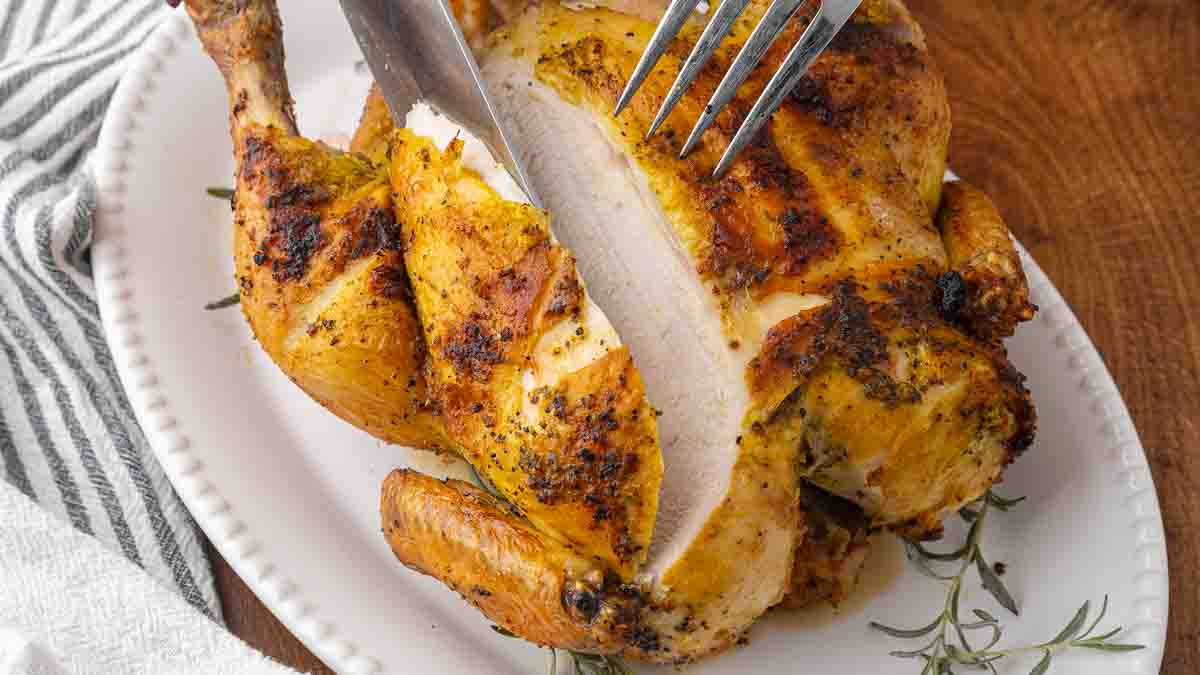
When applied to poultry, the transformation borders on miraculous. Chicken thighs and whole spatchcocked chickens develop paper-thin, shatteringly crisp skin because the salt breaks down surface proteins while the refrigerator’s dry airflow strips away epidermal humidity. As the fat beneath the skin renders over dry roasting heat, it fries the skin from within without any barrier of trapped water. Once you embrace dry brining mechanics as your default culinary baseline, cooking expensive meats shifts from an anxiety-ridden gamble into a repeatable, triumphant craft. Every roast emerges uniformly seasoned, spectacularly juicy, and crowned with an unforgettable crust.