Harry and Meghan Trigger 4 Major Clashes Across Britain Over Royal Duties
A surprise trip to Nottingham and explosive remarks from close friends have reignited tensions between the Sussexes and the royal establishment. Here is what their defiance reveals about royal service.
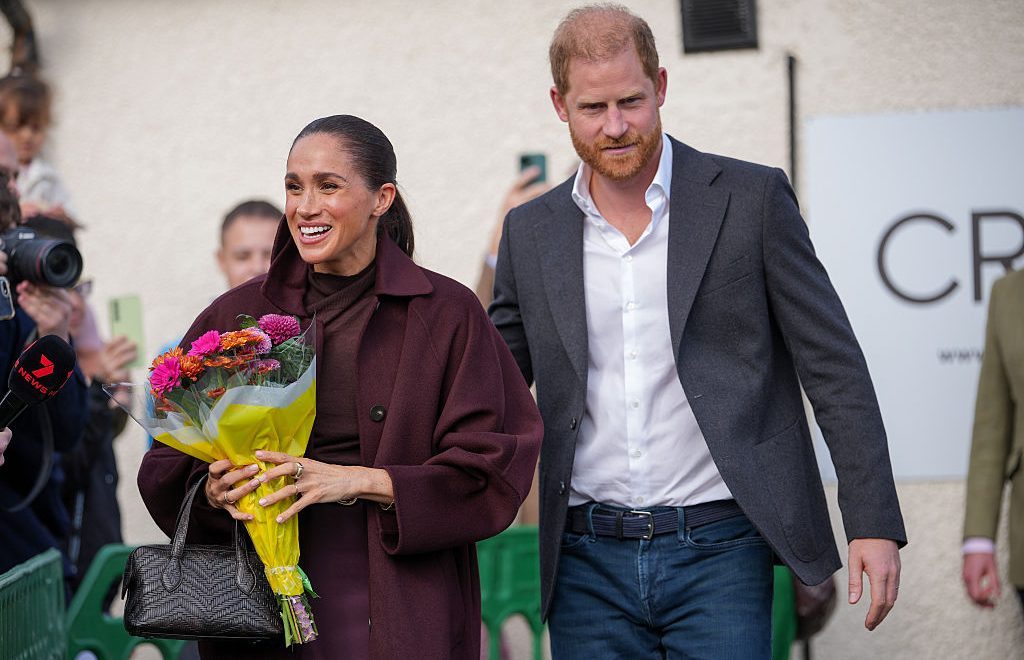
The enduring public evolution of Harry and Meghan has escalated into a high-stakes constitutional conversation about who gets to represent modern public service in Britain. During an unannounced joint trip to Nottingham, the Duke and Duchess of Sussex walked into a community engagement that felt remarkably similar to a traditional royal walkabout. The energetic reception did not simply remind observers of their early popularity before stepping back from institutional duties in 2020. Instead, it exposed a simmering philosophical rift between Montecito and Buckingham Palace over the exact boundaries of philanthropic responsibility.
Behind the scenes, the couple’s allies are pushing back hard against the palace vernacular that has defined them for nearly half a decade. Friends speaking to British and American media outlets have made it abundantly clear that the Sussexes reject the institutional framing that reduced their historic departure to a rigid binary choice. Far from fading quietly into private commercial endeavors, their latest actions signal an active refusal to let royal courtiers dictate how, where, and when they can support causes within the United Kingdom.
The Nottingham Visit and Why the Sussexes Reject Palace Labels
When Harry and Meghan traveled to Nottingham last Thursday, the trip carried deep sentimental resonance. Nottingham was the location of their very first official joint royal engagement following their engagement announcement in late 2017. As reported by Yahoo, the recent return featured an unexpected reunion with a familiar face from their royal days, an interaction that anchored the visit in personal history rather than formal statecraft. Those close to the couple described them as emotional and overjoyed at the public reception they encountered on the ground.
Yet, that public warmth stands in sharp contrast to the institutional chill emanating from London. Reporting from The Times revealed that friends of the couple say they harbor intense frustration toward the official lexicon used by courtiers. Specifically, they hate the phrase working members of the royal family, dismissing the classification as a lazy concept that artificially divides civic dedication from family identity. In their view, public service should not be treated like a closed-shop corporate status where only individuals operating under the direct control of the Sovereign Grant are deemed legitimate community advocates.
This pushback touches the very heart of the modern monarchy’s public identity. In an era where digital audiences dissect institutional shifts and media narratives—much like how entertainment analysis such as the breakdown of Red Dead Redemption 2 Sparks 4 Major Shocks Over PS5 Upgrades and Release Rumors dominates gaming culture—the royal beat thrives on parsing every official statement and personal appearance. The Sussexes appear entirely conscious of this dynamic, opting to challenge institutional constraints directly in front of the public.
The Institutional Dilemma Confronting King Charles
The re-emergence of the couple on British soil poses an unmistakable challenge to the reigning monarch. As reported by The Daily Beast, Harry and Meghan are creating an operational headache for King Charles III. The central friction stems from Buckingham Palace’s strict insistence that the Sussexes cannot present themselves as working royals while maintaining full commercial autonomy in California. Palace planners fear that quasi-royal public visits blur the lines of royal patronage, potentially overshadowing the sovereign and the thin bench of full-time working royals currently managing state duties.
The King’s position has remained institutionally firm since the late Queen Elizabeth II’s historic Sandringham summit. Palace officials argue that royal service cannot be compartmentalized or run as a hybrid enterprise without creating unavoidable conflicts of interest. However, the Sussexes appear determined to demonstrate that civic goodwill does not require royal warrants or diary clearance from the Lord Chamberlain’s Office. This ideological divergence has transformed routine charitable visits into high-stakes public diplomacy.
4 Major Fronts in the Royal Service Showdown
The friction over royal duty and autonomy is not an abstract debate. It centers on concrete disputes regarding agreements made during their departure and their fundamental rights as British figures. These four central issues define the current impasse.
Point 1 The 2020 Sandringham Decision That Was Never Mutually Agreed
Friends who spoke with People magazine emphasize that Harry and Meghan never agreed to the absolute terms laid out during their departure negotiations. The narrative long promoted by palace insiders suggested that Queen Elizabeth II presented an unavoidable either-in-or-out mandate that both parties ultimately accepted. The new revelations dispute that premise entirely. Sources close to the Sussexes assert that the couple felt sidelined by a unilateral ruling that flatly rejected their initial proposal for a blended, half-in, half-out model of service, which would have allowed them to retain non-commercial patronages while earning an independent living abroad.
Point 2 The Dispute Over the Lazy Working Royals Moniker
According to reports from The Times, the Sussexes view the term working royal as an elitist administrative construct rather than a meaningful reflection of social impact. From their perspective, reducing service to the tally of official circulars published in the Court Circular degrades the authentic connection between civic champions and vulnerable communities. The Duke and Duchess have long argued that their philanthropic initiatives through the Archewell Foundation achieve substantial social good without needing the structural apparatus of the British court.
Point 3 The Defiant Claim of a Right to Serve in the United Kingdom
Beyond disagreements over terminology, there is an assertive legal and moral posture taking root. According to reports highlighted by InStyle, Harry and Meghan feel they retain a fundamental right to conduct public engagements and charitable interventions in the United Kingdom whenever they choose. They reject the notion that crossing the Atlantic requires an informal gag order or a ban on public appearances. By visiting Nottingham without institutional backing, they established a precedent that they will continue to engage with UK charities, youth programs, and civil society on their own terms.
Point 4 The Diplomatic Friction Facing King Charles and Buckingham Palace
For King Charles, the dilemma is both constitutional and personal. The reporting from The Daily Beast underlines the monarch’s desire to protect the integrity of the firm during a vulnerable transition period. With both the King and the Princess of Wales facing significant health treatments over the past year, the institution has relied on a streamlined roster of senior figures. A rival, highly charismatic royal presence operating independently within British borders creates an optical challenge that Buckingham Palace simply cannot ignore.
The Future of Royal Engagement Beyond Palace Mandates
The core challenge for Harry and Meghan remains the unyielding machinery of the palace, which views hierarchy and exclusivity as foundational to its survival. If private individuals can execute high-profile community walkabouts that mirror official state engagements, the unique public utility of the formal royal roster comes under heightened scrutiny. This dynamic explains why courtiers remain deeply unsettled by visits that elicit genuine public joy without passing through royal comms channels.
Neither side shows any sign of capitulation. Buckingham Palace remains wedded to the rigid boundaries settled in 2020, guarding the brand of the working royal family with bureaucratic discipline. Simultaneously, the Duke and Duchess of Sussex are proving that their commitment to Britain’s grassroots causes was never dependent on royal patronage titles. As their allies continue to dismantle the narrative that they willingly accepted complete exile from British public life, the royal family must confront an uncomfortable reality: the definition of royal service may no longer be entirely within the Crown’s control.