Alejandro Davidovich Fokina Sparks 4 Crucial Shifts in Shanghai Masters
Alejandro Davidovich Fokina has stormed into the ATP Shanghai Masters semifinals following a dramatic win over Arthur Gea. Here is how his campaign reshapes the tournament bracket ahead of a showdown with Alexander Zverev.
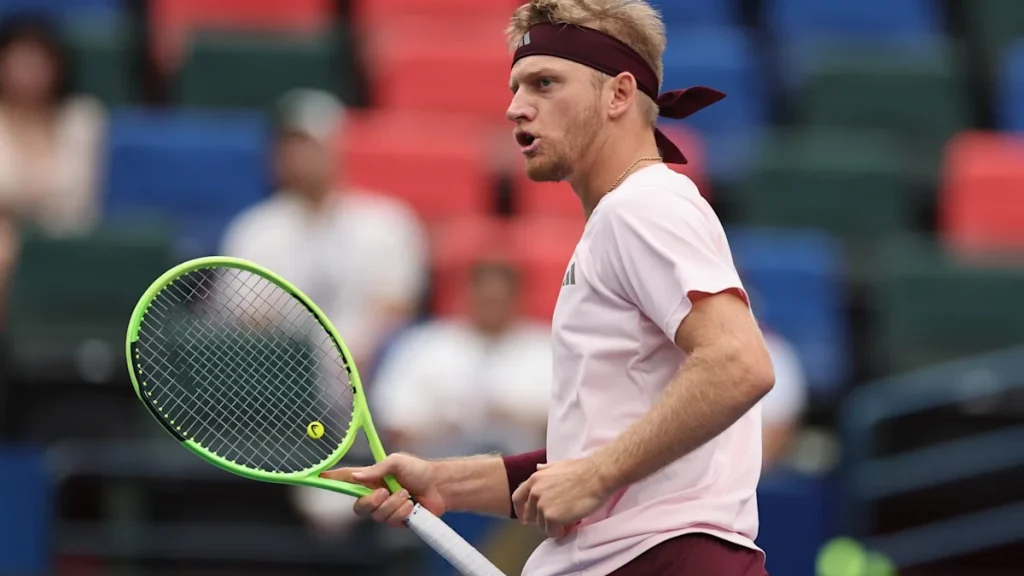
The late-season Asian swing reached a dramatic turning point when Alejandro Davidovich Fokina locked down an emphatic run into the Shanghai Masters semifinals. Navigating a physically demanding draw and high-stakes baseline battles, the Spanish international displayed a blend of disciplined aggression and mental fortitude that has occasionally eluded him in earlier stages of his career. By securing his spot in the final four of an ATP Masters 1000 event, he not only validated his hard-court improvements but also injected fresh unpredictability into a tournament draw dominated by traditional top-tier stalwarts.
His progression through the bracket represents far more than an isolated match win. Reaching the penultimate round of a Masters 1000 tournament is a major benchmark on the ATP Tour, recalibrating ranking projections and tournament seeding for the remainder of the calendar year. While casual observers may focus solely on the scorecards, tennis tacticians recognize that his consistency under fast hard-court conditions signals a deeper strategic evolution, one capable of challenging the sport’s most established baseline titans.
The Path Through Arthur Gea and Quarterfinal Drama
The road to the final four culminated in an emotionally complex quarterfinal encounter against French hopeful Arthur Gea. The matchup, heavily analyzed by The Grandstand prior to first ball, presented a contrast in tour experience. Gea had demonstrated fearless shotmaking throughout the tournament, entering the clash with nothing to lose. However, the physical intensity of elite Masters 1000 tennis took its toll during the match, as Gea suffered an untimely injury setback that ultimately determined the outcome and allowed the Spaniard to advance.
Rather than celebrating outright, the post-match reaction highlighted genuine sportsmanship and mutual respect. As Tennishead captured, Alejandro Davidovich Fokina made clear that celebrating an injury-shortened victory leaves mixed emotions for any true competitor. He openly expressed empathy for Gea’s physical misfortune, acknowledging how devastating injuries can be when a player is on the cusp of a breakthrough run. That maturity and restraint resonated across the locker room, illustrating an experienced competitor who understands the fragile physical boundaries of modern professional tennis.
Tactical Preview of the Showdown Against Alexander Zverev
Standing between the Spanish contender and Sunday’s championship match is world-class heavyweight Alexander Zverev. The German standout earned his spot in the semifinals after subduing Australian speedster Alex de Minaur in a high-octane quarterfinal duel. According to detailed tactical previews from Last Word On Sports and The Grandstand, Alejandro Davidovich Fokina must elevate his return game significantly if he hopes to neutralize Zverev’s formidable first serve, which consistently ranks among the most potent weapons on the men’s circuit.
Zverev enters the semifinal with an established pedigree on quick hard courts, relying on his towering two-handed backhand and dominant service games to control court positioning. To counter this, the tactical blueprint requires disrupting Zverev’s rhythm through aggressive changes of pace, drop shots, and heavy topspin angles designed to pull the taller German out of his comfort zone behind the baseline. If rallies become purely linear, baseline exchanges from corner to corner, the physical mathematics tilt heavily toward Zverev. The battle will be won or lost in the short points, specifically how effectively the returner can neutralize the server within the first three shots.
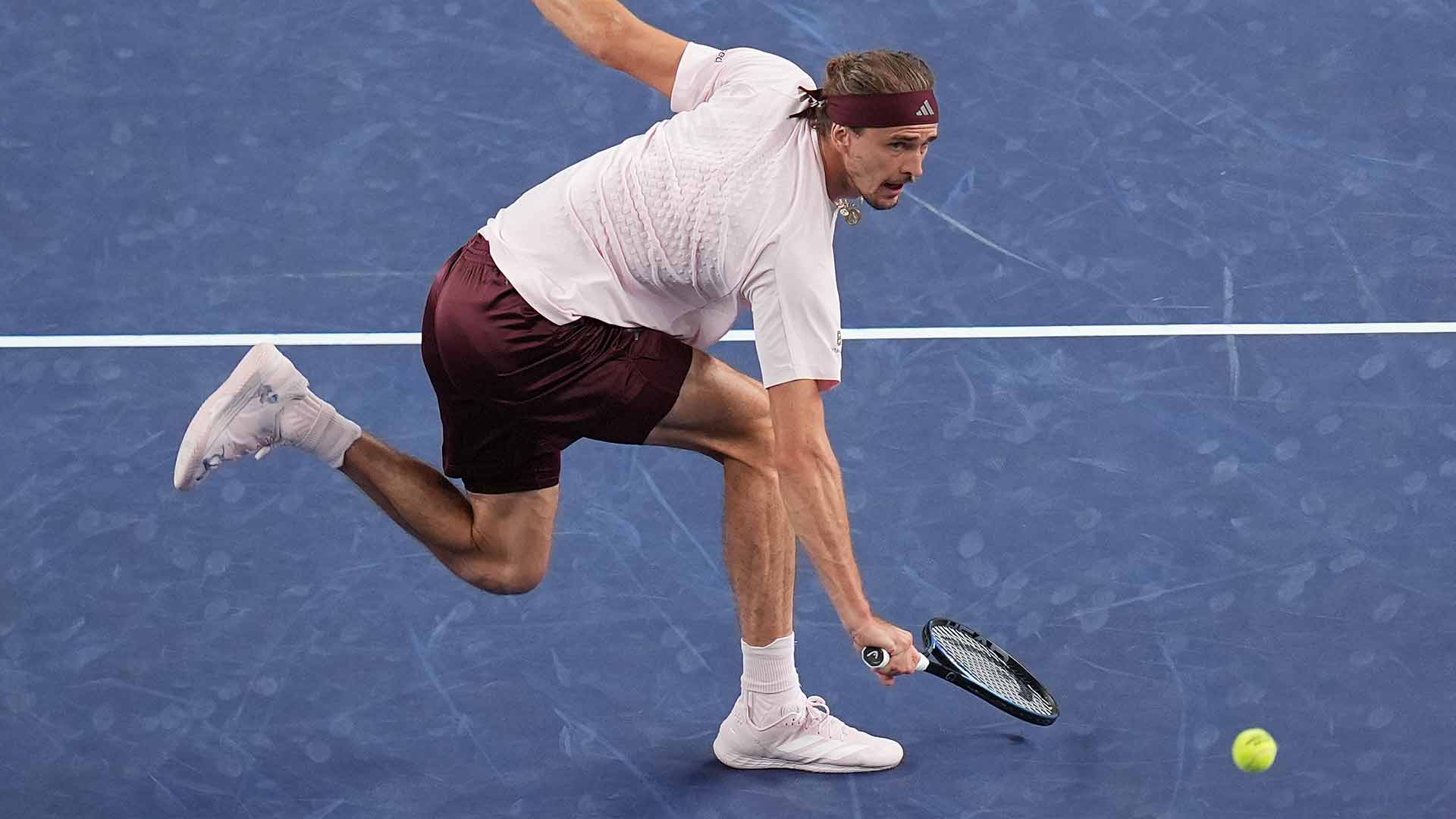
4 Crucial Factors Defining the Shanghai Breakthrough
To grasp why Alejandro Davidovich Fokina is commanding global attention, observers must look at the specific competitive levers driving his late-season surge. His run through Shanghai is neither accidental nor solely the result of favorable bracket breaks. Instead, it reflects noticeable adjustments in four primary dimensions of his game.
1. Tactical Composure Under Heavy Baseline Pressure
Historically known for explosive athleticism paired with occasional lapses in patience, the Spaniard has demonstrated refined point construction throughout the week in Shanghai. Rather than forcing low-percentage winners from defensive positions, he has leaned into sustained heavy rallying, trusting his footwork to wear down opponents. This patience proved essential in managing challenging segments against aggressive ball-strikers.
2. Sportsmanship and Emotional Discipline Against Arthur Gea
Navigating matches against younger, surging talents who suffer unexpected physical ailments can derail an athlete’s focus. When Arthur Gea encountered physical limitations, the Spanish finalist remained professionally locked in without losing his competitive edge. The ability to compartmentalize the emotional weight of an opponent’s physical distress while executing tactical assignments confirmed a heightened level of mental maturity on court.
3. Disrupting Established ATP Heavyweights in Late Season Play
The semifinal test against the German star represents the highest competitive hurdle Alejandro Davidovich Fokina has encountered all week. Breaking through the upper echelon of the ATP rankings requires consistently challenging players of Zverev’s caliber on their preferred surfaces. By arriving in the semifinals with low physical wear compared to his previous tournament runs, he has positioned himself to challenge the established tour hierarchy.
4. Reigniting the Potential for an All Spanish Final
The broader narrative of the Shanghai Masters gained immense traction due to the tournament bracket structure. With premier talents competing simultaneously across both halves of the draw, the prospect of a dramatic all-Spanish final captured the imagination of tennis enthusiasts worldwide. Navigating the semifinal is the vital prerequisite to turning that tantalizing bracket scenario into reality.
Broader Stakes Across the Global Tennis Landscape
The tournament dynamic in Shanghai extends well beyond individual player statistics. As reported by Flashscore, tournament favourites Zverev and Daniil Medvedev entered the final weekend determined to spoil dreams of an all-Spanish Shanghai final. Medvedev’s presence on the other side of the draw ensured that any prospective champion would have to navigate a gauntlet of the tour’s most battle-tested hard-court masters. Flashscore noted that heavyweights Zverev and Medvedev stood ready to derail the dream of an all-Spanish final, underscoring how vital Alejandro Davidovich Fokina has become to his nation’s late-season narrative.
High-stakes tournament tension often produces gripping psychological theater across professional sports. Just as elite championship pressure pushed competitors to their absolute limits in other disciplines, where the Finales de la WNBA Showdown Features 5 Crucial Storylines in Historic Series captivated audiences through dramatic tactical swings, the Shanghai Masters semifinals represent a similar crucible of athletic nerve. Every unforced error, break point conversion, and tactical adjustment carries exponential weight when silverware and Masters 1000 ranking points hang in the balance.
What Comes Next on the Court in Shanghai
As the players take the court under the Shanghai lights, the margins separating triumph from elimination are razor thin. Zverev’s quarterfinal victory over Alex de Minaur proved that his baseline groundstrokes are dialed in, leaving little room for unforced errors from across the net. For the underdog, executing an aggressive tactical scheme while maintaining high first-serve percentages will be non-negotiable prerequisites for victory.
Regardless of whether the semifinal ends in an upset or a defense of the established rankings hierarchy, this tournament run marks an important chapter in late-season men’s tennis. By blending empathetic sportsmanship with aggressive, modern baseline mechanics, the Spanish contender has reaffirmed his status as a dangerous, versatile threat on any surface. The tennis world will be watching closely to see if his tactical blueprint can withstand the heaviest serves that Shanghai has to offer.