Film editing pacing mechanics and 4 proven rules that craft unforgettable suspense
Explore the invisible physics of cinema and the psychological rhythms that keep audiences spellbound. Learn how masters of the cutting room manipulate frame counts and eye trace to forge pure dramatic suspense.
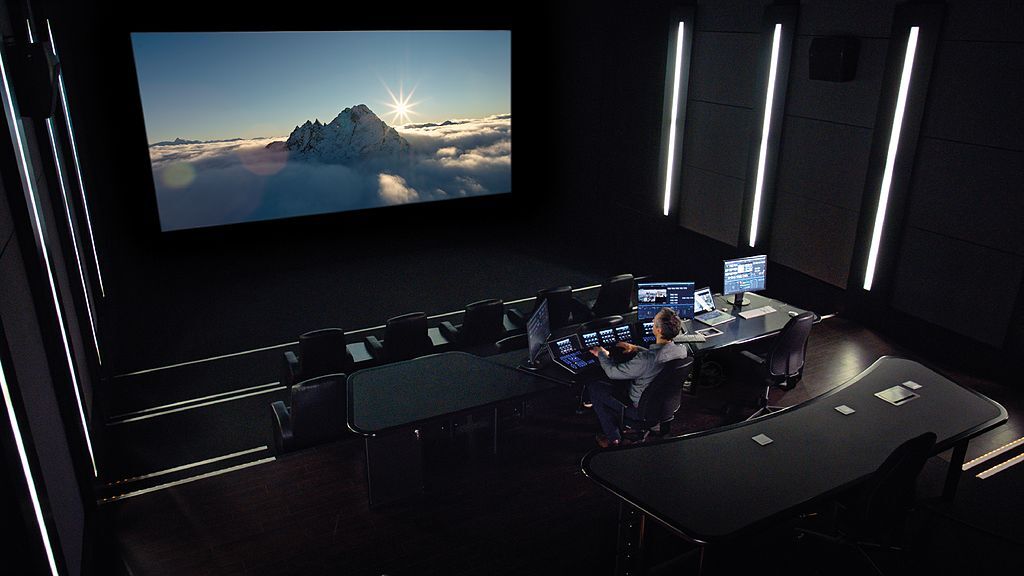
Mastering film editing pacing mechanics allows a storyteller to seize human heart rates without uttering a single spoken syllable. A cut is never a mere technical seam between two strips of recorded footage. It is an assertive neurological trigger that tells the audience precisely when to inhale, when to process dread, and when to blink. Long before an actor finishes their line or an explosive stunt detonates on screen, the editor has already decided whether the viewer feels overwhelming claustrophobia or breathless exhilaration.
Cinema exists in an unnatural dimension where time behaves like hot glass. You can stretch a single second across two minutes of agonizing anticipation, or you can collapse five centuries into the flicker of a matchstick. When done clumsily, temporal manipulation confuses the viewer, snapping the delicate thread of disbelief. When handled with surgical mastery, the audience surrenders their nervous system to the rhythmic current of the narrative.
The Hidden Pulse of Visual Storytelling
Every story carries an internal biological pulse. In traditional theater, that tempo belongs entirely to the performer standing upon the boards. In cinema, however, performance is raw clay. An editor sitting in a darkened bay can transform a calm conversation into an interrogation simply by shortening the pauses between reaction shots, denying the viewer the psychological comfort of emotional resolution.
Editing rhythm does not correlate directly to the raw speed of movement within the frame. A high-speed automotive chase can feel deadening and monotonous if every cut lands at identical two-second intervals, creating a predictable cadence that puts the human brain on cruise control. Conversely, two characters sitting across a diner table exchanging glances can generate dizzying adrenaline if the editorial choices manipulate anticipation, subtext, and focal shifts.
Rhythm is built through contrast. If an editor wants a gunshot to feel deafening, they first build a cathedral of stillness around it. If they want a sprint to feel frantic, they precede it with shots of agonizing immobility. Narrative friction occurs at the intersection of expectation and delivery, and the cutting room is where that friction is ground into emotional heat.
The Neurobiology Behind Cut Frequency and Eye Trace
Human vision is fundamentally active. When we look at the world, our eyes execute rapid jumps called saccades, gathering visual information in discrete bursts rather than a continuous, smooth panoramic feed. Film editing works because it mimics this perceptual mechanism, replacing the biological blink with a mechanical cut that reorients visual attention instantly.
Cognitive load determines how long a spectator needs to comprehend a frame. A wide establishing shot overflowing with architectural detail, changing weather patterns, and dozens of background figures requires significant cognitive processing time. Cut away too quickly, and the viewer experiences mental fatigue as their brain struggles to locate the focal point. Conversely, a tight macro shot of a ticking wristwatch delivers its narrative information in five frames; holding on that watch for four seconds signals to the viewer that something profound, terrifying, or tragic is tied to that specific object.
Understanding the psychological foundation of film editing pacing mechanics reveals why a three-frame trim can turn a laughable scare into a moment of pure dread. The concept of eye trace represents the foundational science of this process. When an editor cuts from one camera perspective to another, the viewer’s pupil rests at a specific coordinate on the two-dimensional screen. If the focal subject of the incoming shot aligns perfectly with that coordinate, the visual handoff is seamless. If the incoming subject lands in the opposite corner, the brain experiences a microscopic shock of disorientation. Tension lives inside that precise visual friction.
The 4 Proven Editorial Rules That Build Breathless Tension
Suspense cannot survive on spectacle alone. It requires an architectural framework that systematically denies gratification while promising inevitable consequence. When tension evaporates from a scene, the failure almost always stems from a violation of core temporal dynamics.
Master the Breath of the Metric Cut
Metric editing determines tempo strictly by frame length rather than the organic action unfolding inside the shot. When directors study foundational film editing pacing mechanics, they realize that meter operates like a musical metronome governing narrative expectation. Establishing an unwavering metric cadence creates a hypnotic pattern in the viewer’s mind, and patterns breed comfort.
To build suspense, the editor must execute a controlled metric decrescendo. Imagine a bomb ticking under a table: the first shot of the conversation lasts eight seconds, the second shot lasts seven, the third lasts six. As the duration of the shots systematically shrinks, the audience feels a rising sensation of physical panic, even if the characters on screen are simply discussing the weather. The editor cuts into the rhythm of the actor’s breath, compressing human behavior into a mechanical trap.
Harness Rhythmic Disruption Through Eye Trace Guidance
Continuity editing has long preached the doctrine of invisible cutting, where spatial geography remains pristine and eye movements glide effortlessly across transitions. Yet true suspense thrives on calculated turbulence. By intentionally breaking eye trace during moments of escalating narrative conflict, an editor forces the spectator into visual alertness.
Placing an incoming point of interest in an unexpected quadrant of the frame demands cognitive effort from the audience. When applied judiciously, this split-second visual disorientation makes the physical environment feel unpredictable and hazardous. The audience can no longer rely on visual autopilot; their eyes must actively hunt across the screen, elevating their baseline state of anxiety.
Deploy Temporal Elasticity to Stretch Agony
Objective clock time is meaningless in dramatic storytelling. What matters is subjective experiential time. Within the broader architecture of film editing pacing mechanics, temporal elasticity is the supreme weapon of dramatic tension. This technique involves expanding a micro-event into an epic sequence through cross-cutting, overlapping action, and strategic reaction cutaways.
Consider an executioner reaching for a release lever. In physical reality, that physical action requires less than a second. On the editing timeline, that second can be dismantled into an eternity: a shot of the fingers curling around cold metal, a cut to a witness gripping the railing, a shot of water dripping from a stone ceiling, and a cut back to the trembling knuckles. By withholding the completion of the action, the editor forces the viewer to endure the agonizing weight of inevitability.
Anchor Rhythms in Spatial Counterpoint and Audio Bridges
Visual cuts do not operate in an acoustic vacuum. Sound is the editorial connective tissue that allows radical tempo shifts to register without alienating the audience. Utilizing J-cuts, where audio precedes visual introduction, and L-cuts, where audio carries over a cut, establishes emotional momentum that pulls the audience forward across hard visual transitions.
Sound design reinforces these structural film editing pacing mechanics by softening visual jarring or deliberately exaggerating narrative shock. While modern digital media illustrates how raw real-time streaming creates spontaneous community bonds, as explored when Twitch streaming trends reveal 5 critical shockwaves gripping the digital world, cinematic editing operates on the opposite principle of ruthless intentional compression. Sound can run counter to picture tempo: a visual montage can accelerate to breakneck velocity while a solitary, prolonged musical drone plays underneath, producing an unsettling sense of calm amidst chaos.
Dangerous Editorial Traps That Destroy Narrative Momentum
The most common failure in modern visual storytelling is the confusion of kinetic motion with emotional momentum. When a scene lacks dramatic urgency, amateur editors often reflexively cut faster, tossing together a flurry of micro-shots in a desperate attempt to manufacture energy. Over-relying on frenetic rapid-fire cuts betrays a fundamental misunderstanding of film editing pacing mechanics and blunts emotional impact.
Visual saturation inevitably triggers emotional desensitization. When every frame is cut at twenty-four frames per second, the human eye ceases to register significance, and the viewer checks out mentally. Pacing requires breathing room. The silence after a scream gives the scream its horror; the static wide shot after a frantic chase allows the exhaustion of the character to seep into the bones of the audience.
Another dangerous trap is cutting purely on dialogue cues. An editor who cuts to a character only when they speak reduces cinema to illustrated radio. Dramatic tension lives predominantly in the reaction, in the involuntary swallow, the tremor of an eye, or the silence that stretches between two uncomfortable truths. Classical cinematic theories documented in historical British Film Institute archive studies on cinematic montage affirm that meaning emerges not from individual images, but from the psychological collision between them. Trimming away the spaces between lines eliminates the very subtext that makes a story feel authentic.
The Enduring Art of Temporal Architecture
In the quiet solitude of the cutting room, storytelling moves beyond language. An editor does not merely arrange coverage captured on a production set; they assemble a complex machinery of perception. Every splice represents a calculated decision to reveal or conceal, to accelerate adrenaline or enforce stillness.
Great editors develop an instinctive feel for visual phrasing. They know precisely how many frames a human face can hold an emotion before it turns performative, and they know the exact fraction of a second a camera can linger on an empty doorway before suspense curdles into boredom. That temporal intuition cannot be fully automated by algorithms or templates because it relies on empathy, on sensing how a weary spectator breathes in the dark.
Ultimately, refined film editing pacing mechanics separate hollow spectacle from timeless, gut-wrenching cinematic art. By orchestrating cut frequency, guiding human eye trace, expanding narrative time, and respecting the power of rhythmic contrast, the storyteller builds a universe where every tick of the clock is deliberate, every visual collision is felt, and tension grips the viewer until the final fade to black.