AJ Dybantsa Injury Scare Reveals 4 Crucial Stakes for Washington
AJ Dybantsa exited the Washington Wizards preseason finale with an ankle injury shortly after delivering electric highlights. Here is an investigative look at what this setback means for the franchise.
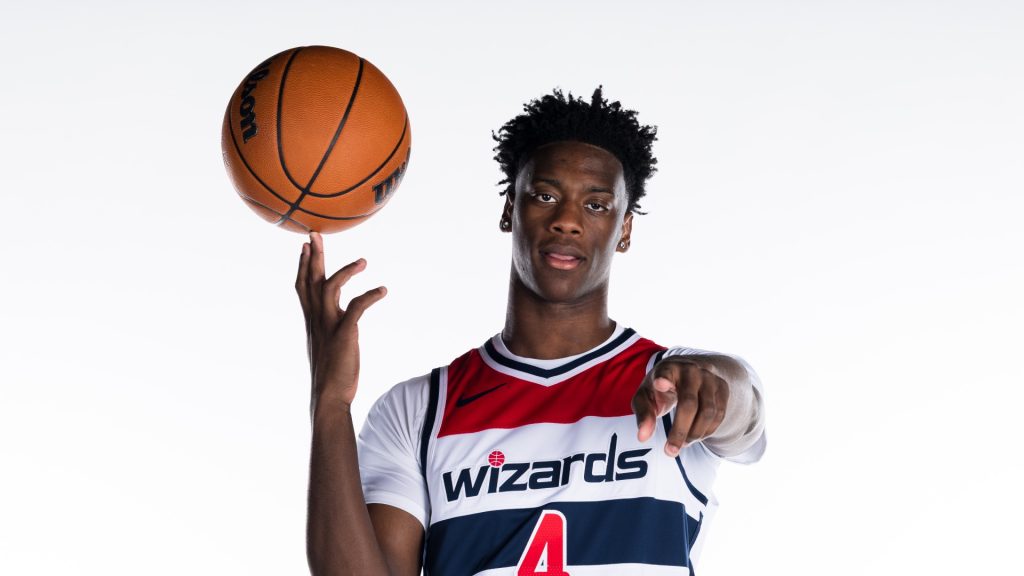
WASHINGTON, DC - SEPTEMBER 28: AJ Dybantsa #4 of the Washington Wizards poses for a portrait during Media Day at CareFirst Arena on September 28, 2026 in Washington, DC. NOTE TO USER: User expressly acknowledges and agrees that, by downloading and or using this photograph, User is consenting to the terms and conditions of the Getty Images License Agreement. (Photo by Scott Taetsch/Getty Images).
AJ Dybantsa ignited genuine apprehension across the District on Friday night when an abrupt ankle injury cut short his final preseason exhibition. For a basketball organization that spent months anticipating the arrival of its premier cornerstone, the sight of the top draft pick limping toward the locker room was an unwelcome reminder of how fragile championship aspirations can be. The incident instantly transformed an otherwise routine preseason tune-up into a high-stakes medical vigil, leaving supporters and league evaluators parsing every second of court footage for clues about the severity of the sprain.
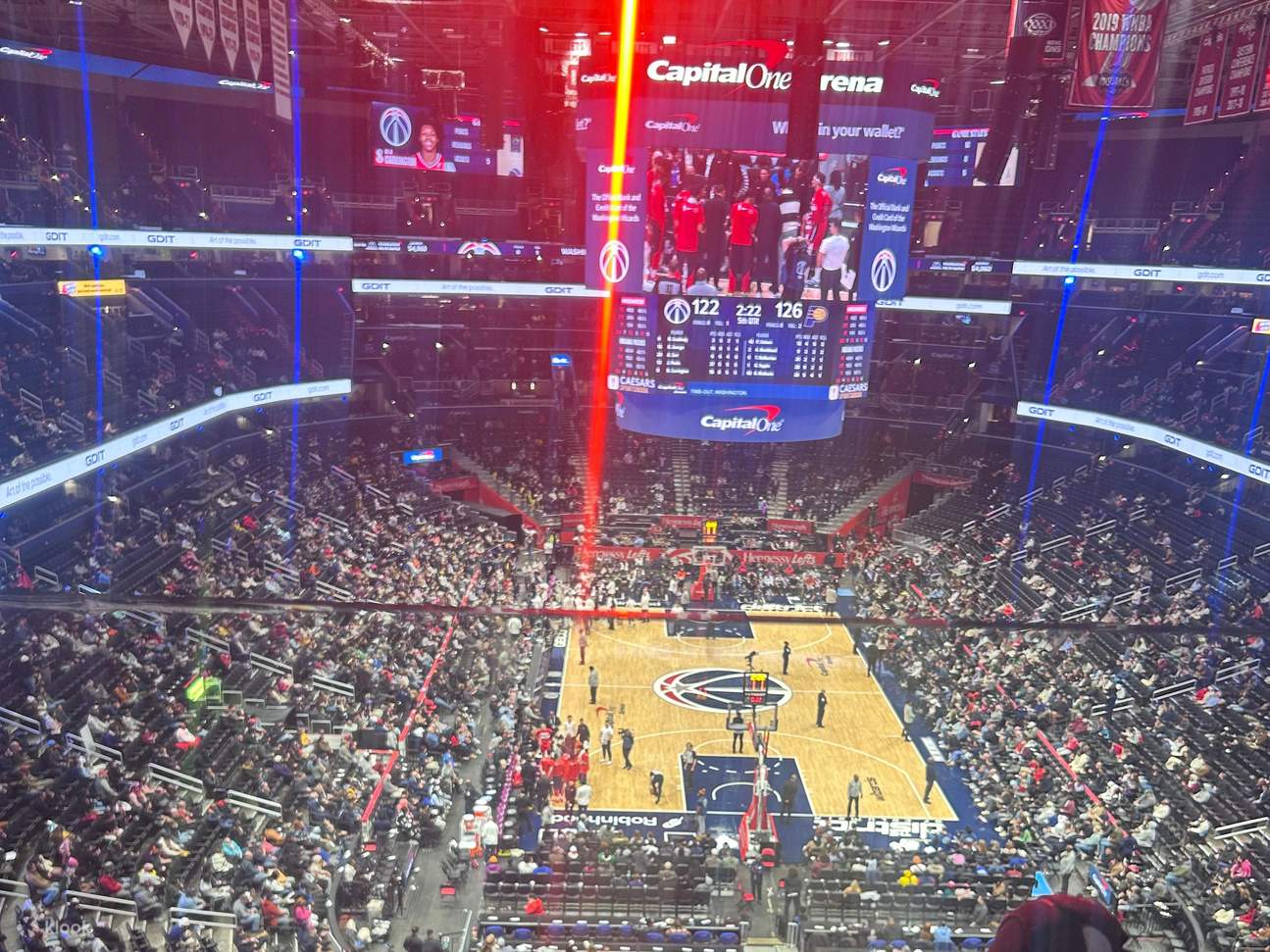
Before the training staff escorted the prized rookie to the back rooms of Capital One Arena, the evening had unfolded like an idealized showcase of modern basketball potential. The crowd witnessed the effortless fluidity, spatial awareness, and rim pressure that turned the young creator into the consensus top talent of his class. Yet professional athletics rarely follows a clean script. Within a matter of minutes, celebratory cheers gave way to a tense silence, refocusing public attention on player safety, injury risk management, and the immense burdens placed upon a teenager asked to resurrect an entire sports market.
Preseason Finale Fireworks and Sudden Medical Drama
The early stages of the Friday contest delivered everything the Washington coaching staff hoped to see from their new centerpiece. As Yahoo Sports highlighted in real-time game video, AJ Dybantsa rattled the rim with commanding authority during an explosive transition play that showcased his premier downhill burst and aerial finishing. The sequence was an emphatic demonstration of why scouts spent the past year raving about his vertical pop and deceleration ability. Defenses collapsed in panic whenever he attacked the paint, creating open perimeter passing lanes and generating energetic second-chance opportunities for his teammates.
That momentum shifted late in the contest during an ordinary defensive rotation. The rookie challenged an offensive drive, landed awkwardly along the baseline, and immediately grimaced while clutching his lower leg. The initial sideline response was swift. According to real-time updates from NBC Sports, the rookie headed directly to the locker room for evaluation, and team officials formally announced that the young star would not return for the rest of Friday’s preseason finale due to the ankle issue. The declaration shut the door on his exhibition campaign, shifting all eyes to the postgame diagnostic reports.
Medical Realities Behind the Locker Room Exit
Tracking the progression of lower-extremity trauma in young, high-flying athletes is an exact science that demands conservative handling. As reported by BasketNews.com, the official confirmation of the ankle ailment sparked immediate concern among team observers, even as the organization withheld definitive diagnostic labeling pending imaging results. Ankle sprains remain the most frequent injury across professional basketball, but the specific mechanics of inversion or eversion dictate vastly different recovery timetables. A mild lateral strain might require only a brief therapeutic window, whereas high-ankle structural trauma could shelf a dynamic ball-handler for several weeks.
For a Washington squad that has zero incentive to rush their franchise pillar into regular-season combat prematurely, caution will certainly guide every clinical milestone. The physical demands placed on modern ball-dominant wings involve relentless cutting, lateral slides, and sudden decelerations from full sprint. Reintroducing an athlete before joint stabilization exercises and swelling reduction are complete elevates the risk of compensatory issues elsewhere along the kinetic chain, particularly across the knee and hip joints.
4 Crucial Pressures Defining the Rookie Phenom Era
The ankle scare serves as a stark catalyst for examining the broader ecosystem surrounding the player. Washington did not simply draft an elite wing; the franchise tied its institutional identity and future operational credibility to his development. Navigating this initial medical hurdle exposes several interconnected realities that will dictate how his rookie campaign unfolds once he receives full medical clearance.
The Pedigree of Brockton and BYU Facing Pro Rhythms
The journey that brought the talented forward to the top of the draft board was defined by remarkable poise across high-pressure environments. From his developmental roots in Brockton, Massachusetts to his high-profile collegiate run at BYU, AJ Dybantsa arrived in the capital bearing the expectations of an elite prodigy who consistently played years ahead of his age bracket. His time in Provo validated his ability to function as a primary offensive initiator while carrying heavy defensive responsibilities against older, physically developed opponents.
Translating that collegiate dominance to the rigorous eighty-two-game schedule of the highest tier requires profound biological and mechanical adjustments. In college, top prospects often compensate for physical fatigue with sheer athletic superiority. In the professional ranks, every single matchup pits a rookie against world-class physical specimens who exploit minor physical limitations. The minor ankle setback illustrates how quickly the relentless physical toll of professional scheduling compounds, requiring comprehensive durability protocols.
Uncommon Demands on Rookie Two-Way Execution
Most premier selections join rebuilding organizations and receive free rein to post hollow scoring totals without accountability on the opposite end of the floor. That is not the developmental roadmap Washington has established. As detailed by Wiz of Awes, the coaching staff is already pushing AJ Dybantsa to establish defensive communication, fight through screen navigation, and impact winning habits through uncommon two-way accountability rather than focusing merely on personal offensive production.
This tactical philosophy asks the newcomer to read dynamic offensive schemes while anchoring weak-side rotations and boxing out veteran glass crashers. Imposing such defensive obligations accelerates a player’s basketball maturity, but it undeniably increases the cardiovascular strain and physical collisions absorbed over forty-eight minutes. When a player expends maximum energy securing defensive stops, every jump shot and transition push carries additional muscle fatigue, testing structural stability in late-game situations.
Four Decades of Franchise Frustration on Young Shoulders
The psychological weight accompanying this arrival cannot be divorced from regional basketball history. The New York Times underscored how the franchise has endured over four decades of misery, making AJ Dybantsa the centerpiece of an elusive cultural reset that local supporters have craved since the late 1970s. Decades of draft miscues, ill-fated veteran trades, and perpetual lottery finishes have left the local fan base desperate for a transformative superstar who can elevate the club back into championship legitimacy.
Placing the emotional burden of a forty-year postseason drought upon an eighteen-year-old athlete creates an atmospheric pressure cooker. Every minor medical alert generates disproportionate public panic, as observers fear another derailed rebuilding blueprint. Front-office leaders must erect a psychological barrier around their young asset, ensuring outside expectations do not pressure the medical staff into shortening recovery protocols or pushing through lingering discomfort.
High-Stakes Resilience Across the Modern Basketball Landscape
Championship organizations are defined by their capacity to navigate unexpected adversity during pivotal moments. Elite athletes across every tier encounter structural setbacks that test organizational depth and competitive fortitude. As witnessed when the Finales de la WNBA Showdown Features 5 Crucial Storylines in Historic Series, managing superstar availability and tactical adjustments under intense physical strain separates sustainable programs from fragile contenders.
Washington must adopt that exact championship patience. The temptation to trot out a marquee draft selection on opening night for promotional momentum is formidable. However, sustainable long-term roster construction demands prioritizing the athlete’s structural health in month six over ceremonial participation in month one. Establishing that organizational discipline now signals a departure from past institutional blunders.
Strategic Imperatives for Washington Ahead of Opening Night
With the preseason schedule officially completed, the Washington front office and medical department must calibrate their opening week strategy around meticulous rehabilitation benchmarks. The immediate protocol entails continuous anti-inflammatory therapy, pool conditioning to maintain cardiovascular fitness without joint impact, and extensive neuromuscular re-education to fortify the ankle against future rolling incidents. Practicing non-contact half-court sets will provide the coaching staff with a realistic assessment of his lateral mobility before permitting full-contact five-on-five scrimmages.
If the training staff detects even minor hesitation or lingering joint stiffness, holding the top overall pick out of the regular-season lid-lifter is the only prudent decision. Modern basketball analytics demonstrate that recurring soft-tissue and joint strains frequently stem from rushing players back before proprioception is fully restored. The surrounding rotation players must step up to shoulder early offensive volume, allowing the rookie creator to rejoin active competition only when his kinetic chain is entirely uncompromised.
For an organization that has waited forty-seven years for a transcendent savior, exercising patient restraint with AJ Dybantsa represents the only rational basketball path forward. A bruised or twisted ankle in mid-October is an inconsequential blip on a decade-long developmental timeline, provided management refuses to compromise the player’s long-term health for short-term optics. Washington has finally secured the transcendent foundational talent required to escape basketball irrelevance; protecting that investment is now the franchise’s single most critical responsibility.