Cast Iron Seasoning Mechanics Reveal 4 Proven Secrets to Build an Indestructible Nonstick Pan
Tear down the culinary myths of bacon grease and delicate handling to uncover the true molecular science of nonstick cookware. Master the chemical cross-linking that turns ordinary plant oils into an unbreakable, slick kitchen patina.
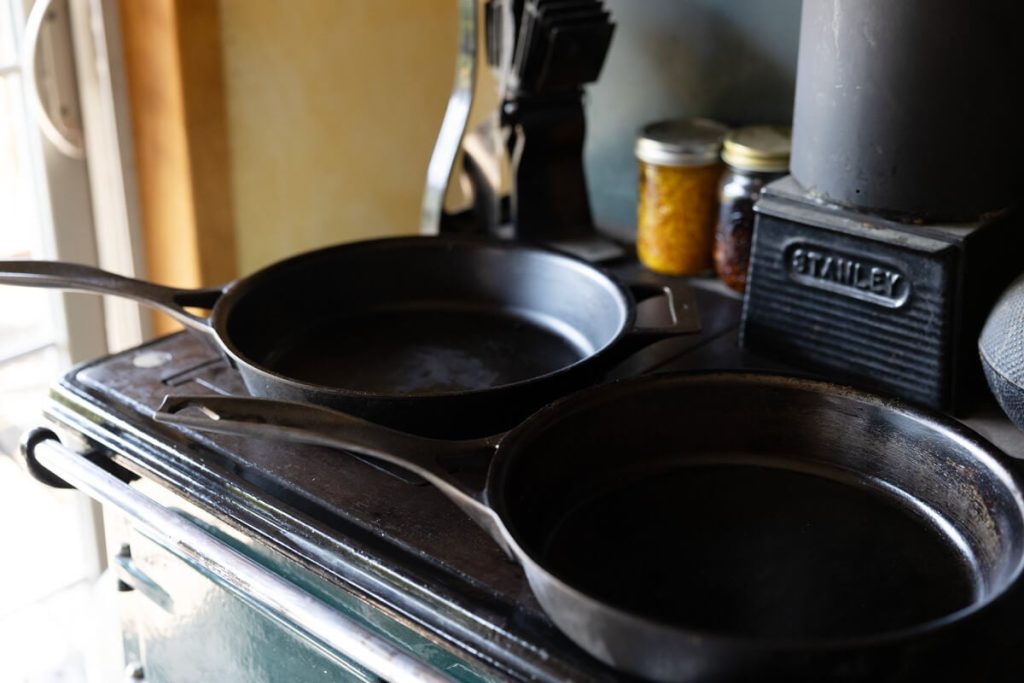
Mastering cast iron seasoning mechanics transforms a raw, abrasive slab of porous metal into the most resilient nonstick tool in your kitchen arsenal. Generations of home cooks have treated skillet maintenance like an arcane ritual passed down through whispered family secrets, often warning that a solitary drop of detergent or a stray drop of lemon juice will instantly ruin decades of hard work. The truth is far more liberating, grounded entirely in metallurgical physics and organic chemistry rather than fragile superstition.
When you strip away generations of kitchen folklore, cast iron seasoning mechanics boil down to high-temperature lipid polymerization and covalent surface bonding. What feels like smooth, slippery glass beneath your spatula is actually a manufactured plastic created on demand from edible oils. By understanding the exact thermodynamic and chemical transitions that convert liquid fat into an impermeable solid matrix, you can build a pitch-black patina on raw iron in an afternoon and keep it functional for generations.
The Molecular Alchemy Behind Polymerized Oil
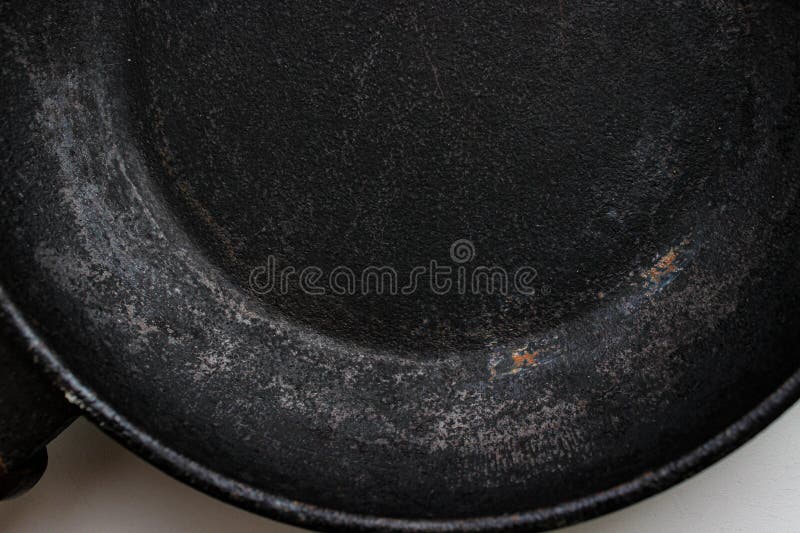
Cast iron appears dense and monolithic to the naked eye, yet under high magnification its surface resembles a jagged mountain range. Gray cast iron is poured into sand molds, leaving an irregular lattice riddled with microscopic peaks, fissures, and graphite pockets. If you drop a raw protein onto bare, unheated iron, the contracting muscle fibers anchor themselves directly into these microscopic ravines. As proteins denature under heat, they form chemical complexes with the free iron atoms, effectively gluing your food to the metal.
Seasoning prevents this bond by capping the jagged iron topography with an ultra-thin, hydrophobic shield. This barrier is not dried oil, nor is it melted grease. Liquid cooking oils consist primarily of triglycerides, which are three fatty acid chains bound to a glycerol backbone. When exposed to sustained heat in the presence of atmospheric oxygen, these fatty acids begin to break apart, shedding volatile compounds and generating highly reactive free radicals.
These newly destabilized carbon chains reach out and bond to one another, forming massive, interconnected networks through radical cross-linking. The once-liquid triglycerides assemble into an insoluble polymeric film. At the same time, the base layer chemically anchors into the iron substrate, filling microscopic valleys and creating a continuous carbonized surface that repels water, prevents oxidation rust, and denies proteins any mechanical grip.
Why Traditional Seasoning Advice Frequently Fails
Almost every frustrating experience with sticky, mottled, or flaking cast iron stems from well-intentioned advice inherited from mid-century home economics manuals. The most common recommendation tells cooks to rub a generous scoop of lard or bacon fat across the pan, bake it briefly in a warm oven, and let it cool. Without understanding fundamental cast iron seasoning mechanics, enthusiastic home cooks often recreate the same disappointing sticky pan that frustrates beginners everywhere.
Applying too much oil is the primary culprit behind gummy surfaces. Polymerization requires atmospheric oxygen to react with the heating lipids. When oil pools inside a skillet, the surface skin cures while the thicker layer trapped beneath remains starved of oxygen and only partially oxidized. The result is a soft, tacky amber varnish that smells of rancid oil and peels away under the edge of a stainless steel spatula.
The second major misstep is fearing heat. Polymerization requires thermal activation energy. Heating a pan just up to the flashpoint of an oil without pushing through the breakdown zone leaves the triglycerides intact. You are left with a skillet coated in greasy residue rather than an impermeable polymer shield. Creating an enduring patina demands deliberate temperatures that push chosen lipids past their smoke points, driving off volatile smoke and leaving behind pure, cross-linked structural resilience.
Four Proven Principles That Guarantee an Unbreakable Patina
Constructing a durable nonstick surface does not require decades of slow, passive frying. By aligning your technique with the foundational physical laws governing lipid polymers, you can rapidly establish a dense, resilient coat that withstands heavy metal utensils and aggressive daily cooking.
Selecting Unsaturated Triglycerides High in Polyunsaturates
Under proper cast iron seasoning mechanics, this chemical conversion hinges entirely on the structural profile of the fat molecules you introduce. Saturated fats like tallow, coconut oil, and butter lack the chemical handles necessary to assemble strong polymers. Saturated fatty acids have carbon chains completely filled with hydrogen atoms, meaning they have no double carbon bonds available to open up and link with neighboring molecules.
Polyunsaturated fats, by contrast, possess multiple reactive double carbon bonds. As documented in American Chemical Society research on fatty acid lipid oxidation, drying and semi-drying oils with high iodine values undergo rapid auto-oxidation and radical cross-linking when heated. Refined grapeseed oil, sunflower oil, and food-grade refined flaxseed oil provide exceptional concentrations of linoleic and linolenic acids. These unsaturated chains link tightly together into a dense, hard structural lattice rather than remaining soft and malleable.
Applying Ultra Thin Monomolecular Films
The universal secret to a smooth, glass-like finish lies in reducing the applied oil layer to an almost imperceptible film before heating. Pour a teaspoon of high-smoke polyunsaturated oil into the center of a clean, warm skillet, then use clean paper towels or a lint-free cotton cloth to rub the liquid across every square millimeter of the metal, including the exterior walls, bottom, and handle.
Once the iron is completely glossy, take a second, completely dry cloth and spend two full minutes attempting to wipe all of the oil back out of the pan. You must wipe the metal aggressively until the skillet appears completely dry and matte, as though your initial application was an accident you are trying desperately to hide. Capillary action ensures a microscopic film remains nestled deep within the microscopic peaks and valleys of the iron. This ultra-thin coat allows oxygen to diffuse evenly throughout the entire molecular sheet, ensuring instant, uniform curing without sticky pooling.
Breaching the Smoke Point to Drive Free Radical Cross Linking
A curing polymer cannot solidify until heat drives off volatile short-chain fatty acids and catalyzes thermal decomposition. Place your thoroughly wiped skillet upside-down on the middle rack of a cold oven, placing a sheet of aluminum foil on the lower rack beneath it to catch any accidental stray drips. Set the oven temperature between 450 and 475 degrees Fahrenheit, allowing the pan to heat gradually alongside the oven.
Aligning oven heat precisely with cast iron seasoning mechanics ensures the liquid oil transitions beyond volatile degradation and cures into a rigid lattice. Sustaining this high heat for a full sixty minutes forces the thin oil film through three distinct phases: evaporation of volatile moisture, thermal oxidation, and final carbonization. When the hour completes, turn the oven off entirely and leave the pan untouched inside the closed chamber until it returns naturally to room temperature.
Progressive Layer Stacking Through Thermal Annealing
An indestructible nonstick finish is never forged in a single baking cycle. A solitary polymerized film measures mere microns thick, leaving the taller peaks of the iron profile partially exposed. The true power of a mirror-smooth skillet comes from stacking multiple microscopic layers on top of one another, gradually burying the rough texture of the sand-cast iron beneath a laminated composite.
Just like evaluating the veteran persistence chronicled in How Old Is Pat Murphy and 4 Major Milestones That Define His Remarkable Baseball Career, seasoned cookware achieves greatness through deliberate repetition rather than overnight shortcuts. Repeating the wipe-and-bake cycle three to four times constructs a layered matrix characterized by exceptional tensile strength. Slow cooling between cycles acts as thermal annealing, relieving internal mechanical stresses within the polymer chains so the coating will not fracture or flake during sudden thermal expansion on the stovetop.
Debunking Ancient Pan Myths and Daily Care Realities
Cooks who misunderstand cast iron seasoning mechanics often live in constant terror of ruining their skillet with a single drop of dish soap. This widespread phobia traces directly back to the nineteenth century, when household soap was manufactured by boiling rendered animal fat with caustic lye, also known as sodium hydroxide. True lye is an aggressive base that attacks cross-linked polymers and reacts directly with iron, stripping seasoning completely.
Modern commercial dish soaps, however, contain zero lye. They are gentle liquid detergents formulated around synthetic surfactants designed to encapsulate and dissolve loose surface grease. Because a fully cured seasoning layer is an insoluble polymer rather than free-floating fat, standard dish detergent cannot dissolve it. Washing your pan with warm water, mild soap, and a non-abrasive sponge keeps the surface sanitary and prevents old, degraded cooking fats from turning rancid on top of your durable base patina.
A similar degree of unnecessary panic surrounds acidic ingredients. Simmering a slow-cooked tomato marinara inside a brand-new skillet for four hours will indeed degrade a thin seasoning layer, as acid slowly hydrolyzes the ester linkages within the polymer matrix. However, deglazing a well-seasoned pan with a splash of dry white wine or searing an acidic citrus glaze across a protein poses no threat to an established, multi-layered patina. Simply rinse the pan promptly after service, dry it thoroughly over low heat on the stovetop, and rub a microscopic droplet of oil across the warm surface before putting it away.
Lifelong Kitchen Resilience and the Art of Cooking Forward
Once you establish a solid foundational matrix through proper chemical curing, the oven-based seasoning process rarely needs to be repeated. Daily cooking naturally maintains and reinforces the surface. Every time you sear a steak, sauté aromatics in olive oil, or roast vegetables at high heat, trace amounts of fats encounter thermal zones hot enough to cross-link fresh polymer chains into micro-abrasions left behind by everyday kitchen tools.
A well-maintained skillet will never look like a pristine museum showpiece. It will exhibit natural variations in sheen, subtle color gradients from deep charcoal to burnished bronze, and the honest hallmarks of frequent use. Embracing the chemical realities of your cookware replaces anxiety with effortless utility. Mastering these cast iron seasoning mechanics turns routine cooking into an ongoing cycle of passive restoration rather than delicate preservation, unlocking a dependable cooking surface that will comfortably outlive you.