Asset Rebalancing Mechanics Reveal 4 Proven Secrets to Protect Lifelong Wealth
Portfolios left untouched inevitably drift into dangerous, unhedged territory as winners swell and losers shrink. Understanding the mathematical forces behind systematic portfolio realignment transforms volatile market swings into compounding advantages.
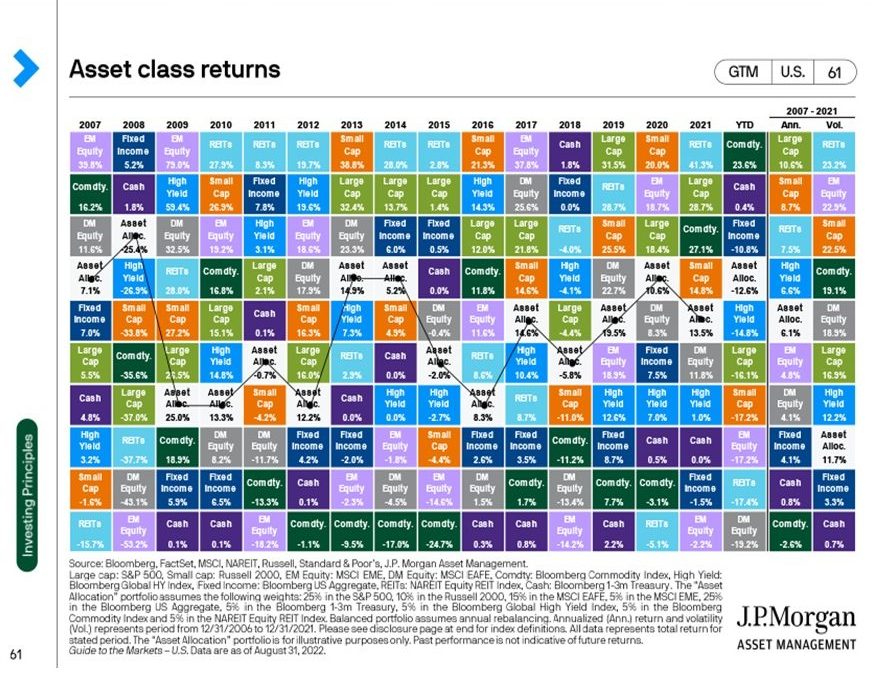
Mastering asset rebalancing mechanics separates disciplined wealth builders from those who watch their hard-won portfolio gains vanish during unexpected cyclical market downturns. Left to its own devices, any portfolio composed of multiple asset classes will distort over time. Equities naturally expand faster than fixed income during expansionary cycles, quietly tilting a moderate risk profile into an aggressive, unhedged gamble. When the economic weather inevitably changes, that silent tilt extracts a heavy toll.
Investors frequently mistake strong performance for permanent safety. They celebrate outsized gains in high-flying growth sectors while paying zero attention to the structural shifts happening beneath the surface of their brokerage statements. Without a methodical framework to restore baseline allocations, market forces dictate your risk exposure rather than your personal financial goals. Realizing lasting financial independence demands an operational understanding of how asset weights fluctuate, how risk accumulates, and how mathematical precision can triumph over behavioral panic.
The Silent Portfolio Drift That Sabotages Wealth
Every asset class carries a distinct engine of return and an associated footprint of volatility. Over any meaningful horizon, stocks, bonds, commodities, and cash equivalents run at different velocities. When multi-year bull runs unfold, the fundamental asset rebalancing mechanics are often abandoned because trimming surging equities feels completely counterintuitive to the euphoric human brain. Yet this psychological reluctance is precisely where danger takes root.
Consider an investor who establishes a classic allocation of sixty percent global equities and forty percent investment-grade debt. Following an extended bull cycle where equities surge while debt yields remain compressed, that portfolio naturally drifts toward an eighty-twenty distribution. The investor has not actively purchased additional stock shares, yet their downside exposure has expanded by a third. When a severe correction strikes, a portfolio carrying eighty percent equity exposure suffers a drawdown nearly double what the original sixty percent mandate was engineered to withstand.
This creeping vulnerability represents portfolio drift. It changes your financial risk profile without your explicit consent. A portfolio calibrated to survive severe bear markets suddenly lacks the ballast needed to cushion sharp drops. If market participants are forced to sell equities at depressed valuations to cover living expenses or margin obligations during a crash, paper losses become permanent capital destruction. Drift transforms an otherwise prudent long-term strategy into a fragile house of cards.
Mathematical Dynamics Behind Algorithmic Risk Reset
Delving into the mathematical engine behind asset rebalancing mechanics unveils a core principle of information theory known as Shannon’s Demon. Claude Shannon illustrated that alternating between an asset with zero expected growth but high volatility and cash can generate positive compound returns, provided the portfolio is regularly reset to equal weights. The periodic sale of the volatile asset after a rise, paired with buying after a drop, mechanically harvests the geometric spread created by price oscillations.
In standard financial theory, volatility is traditionally viewed as a pure penalty known as volatility drag. The arithmetic average return of an asset is almost always higher than its compound geometric return because large percentage drawdowns require disproportionately massive rallies just to break even. A fifty percent loss demands a one hundred percent gain to reach par. By systematically skimming profits off outperforming components and injecting that capital into lagging asset classes, systematic realignment narrows the variance drain.
This dynamic does not depend on predicting market peaks or catching bottoms. It depends solely on variance and correlation. When two non-correlated assets fluctuate over time, rebalancing acts as an algorithmic profit engine. It forces the investor to sell high and buy low without ever having to make an emotional guess about the macro environment. The math quietly enforces the very discipline that human sentiment constantly tries to subvert.
Systematic Strategy Reveals 4 Proven Secrets for Enduring Portfolio Health
Examining core asset rebalancing mechanics shows that the calendar is essentially agnostic to underlying asset valuations. True portfolio efficiency is achieved through mechanical rules rather than arbitrary dates on a wall. By moving past amateur habits and adopting institutional engineering principles, wealth accumulators can dramatically elevate their risk-adjusted returns through four operational secrets.
Threshold Triggers Outperform Arbitrary Calendar Intervals
Most retail investors rebalance on a rigid schedule, such as every December or at the end of each quarter. While calendar-based routines are better than doing nothing, they fail to react to dynamic market reality. An explosive market rally might blow past safe risk limits in February, leaving the portfolio dangerously overexposed for ten months before a scheduled December review. Conversely, scheduled calendar realignments often trigger unnecessary trades during low-volatility periods, generating pointless transaction fees and potential tax consequences when the allocation has barely drifted.
Institutional managers employ tolerance bands, often termed corridor rebalancing. Under this approach, an asset class is only adjusted when its portfolio weighting breaches an absolute or relative threshold, such as five percent away from its target allocation. If your target equity allocation is sixty percent, action is taken only if equities cross above sixty-five percent or fall below fifty-five percent. This dynamic trigger ensures intervention happens precisely when risk parameters warrant it, saving transaction costs during dormant markets while protecting wealth during wild speculative bubbles.
Cash Flow Routing Eliminates Unnecessary Tax Drag
Executing portfolio adjustments by outright selling appreciated assets in taxable brokerage accounts creates a painful friction point, capital gains taxation. If an investor must hand over twenty percent or more of their harvested profits to the government every time an asset class surges, the compounding engine slows down dramatically. Sophisticated allocators circumvent this issue through intelligent cash flow routing.
Rather than liquidating winning positions to buy underweight ones, you route external liquidity into the depleted asset categories. Incoming dividends, interest distributions, and new monthly savings are directed exclusively toward whichever asset class is lagging furthest behind its target band. Over time, fresh capital pulls the portfolio back into alignment organically. Outright sales are reserved only for extreme deviations that incoming cash flows cannot rectify, keeping the portfolio lean, balanced, and tax-efficient.
Volatility Pumping Harnesses Market Oscillations for Incremental Gains
Asset classes with elevated volatility and low mutual correlation provide the most fertile ground for volatility pumping. When assets move in opposing cycles, the spread between their relative prices widens. Systematically harvesting gains from the surging asset and feeding them into the depressed asset turns cyclical noise into an active generator of compounding capital.
This secret explains why holding uncorrelated, volatile components like real estate investment trusts, precious metals, or international value stocks alongside core domestic indices can actually lower overall portfolio volatility while stabilizing returns. Each time these components diverge wildly, rebalancing captures the oscillation. The broader market may move sideways for years, but the internal portfolio engine continues to generate geometric alpha by extracting profit from the swings.
Asset Class Correlation Dictates Optimal Bandwidth Spacing
Setting rebalancing thresholds is never a one-size-fits-all exercise. Tight bands make sense for liquid, low-volatility asset classes with low transaction costs, but wide bands are necessary for volatile or illiquid holdings. If an investor sets a tiny two percent rebalancing band on an asset class that routinely moves thirty percent in a year, they will churn the portfolio incessantly, destroying returns through bid-ask spreads and friction.
Comprehensive analysis from CFA Institute empirical portfolio research underscores that optimal corridor widths are an exact function of asset volatility, transaction friction, and correlation coefficients. Highly correlated assets require wider bands because their relative drift happens slowly and offers little diversification benefit upon rebalancing. Less correlated assets justify tighter monitoring because divergences between them present rich opportunities to capture variance spreads. Tailoring your band architecture to the behavioral traits of each asset class maximizes compounding efficiency.
Emotional Resistance and the Illusion of Paper Wealth
Behavioral finance demonstrates that while asset rebalancing mechanics look clean on a spreadsheet, executing them demands confronting deep psychological discomfort. When a specific sector or asset is dominating the financial headlines, every evolutionary instinct screams at the investor to pour more capital into the winner. Trimming that roaring asset to buy an unloved, beaten-down asset class feels like deliberate self-sabotage.
This emotional trap stems from recency bias and regret aversion. Investors unconsciously extrapolate recent market trajectories into the indefinite future. They fear that selling part of a winning stock will result in painful regret if that stock continues to climb tomorrow. Yet this unchecked greed is precisely what blinds investors to the structural shifts that precede major market reversals.
Much like how thoughtful collectors evaluate durable engineering when the Casio G-Shock GMC-2500 Redefines Luxury Sports Design with 5 Crucial Shifts, an investor must distinguish between speculative fads and long-term mechanical reliability. A luxury sports timepiece does not function through emotional whims; it operates on uncompromising, calibrated internal movements. Your investment portfolio demands that exact same mechanical detachment. When you rebalance, you are not declaring that the winning asset has reached its terminal peak. You are simply respecting the reality of mathematical risk limits and preserving baseline longevity.
A Practical Blueprinted Framework for Lifelong Execution
Executing disciplined asset rebalancing mechanics within tax-sheltered vehicles like individual retirement accounts allows investors to bypass capital gains friction entirely. Within these accounts, selling overweighted positions and reallocating directly to underweighted counterparts triggers zero immediate tax liabilities. Consequently, these sheltered vehicles should serve as your primary tactical buffer for maintaining portfolio balance across all combined household wealth.
A resilient blueprint begins with establishing a clear investment policy statement. Document your strategic target allocations in simple, non-negotiable terms. Define your tolerance bands clearly, whether you choose absolute five percent corridors or relative twenty percent deviations from target weights. Review portfolio positions on a set cadence, not to trade mechanically by date, but to inspect whether your established volatility bands have been breached.
When a breach occurs, execute trades swiftly and dispassionately. Prioritize incoming cash flow adjustments first. If sales are required, execute them inside tax-advantaged accounts before touching taxable accounts. By standardizing this operational rhythm, portfolio stewardship transforms from an anxiety-ridden guessing game into a predictable engineering task. Ultimately, the rigorous application of asset rebalancing mechanics provides the emotional antidote to market mania, ensuring your financial survival across every economic regime.