Travel Disruptions Create 5 Costly Realities for Global Jetsetters
Cascading flight cancellations, surging holiday airfares, and experimental adult-only routes signal a massive transformation across aviation. We examine the five critical forces reshaping modern transit.
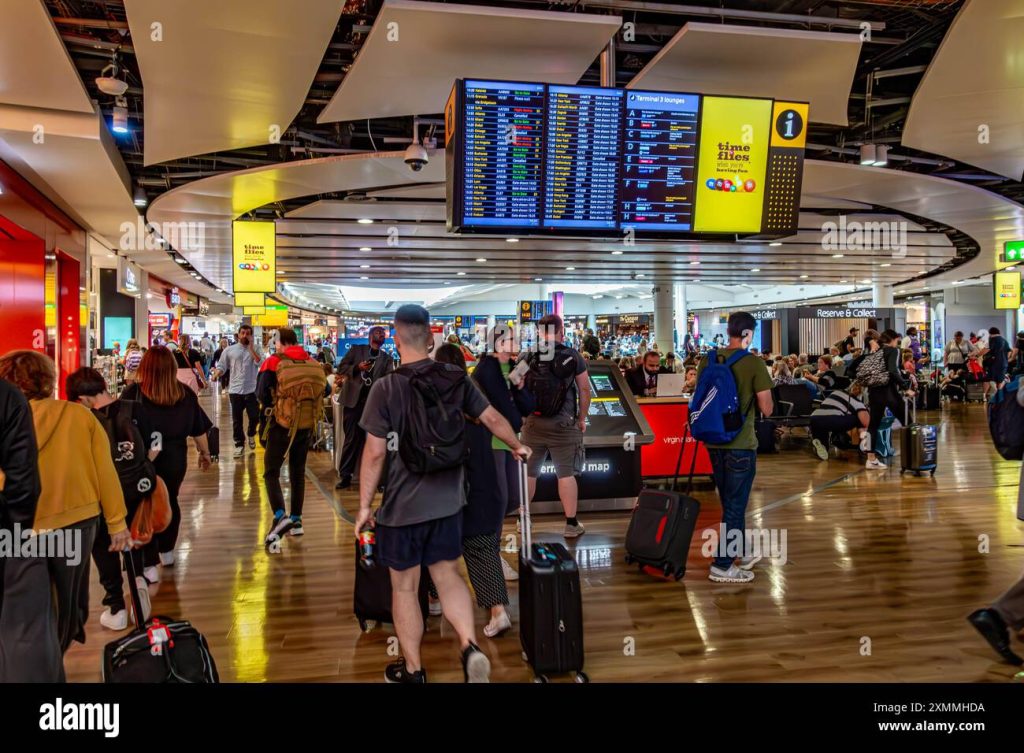
Widespread travel disruptions have suddenly gripped international hubs and domestic terminals alike, leaving hundreds of thousands of passengers navigating turbulent schedules, unexpected cancellations, and mounting logistical chaos. Modern travelers are discovering that the global transportation machine operates on razor-thin margins where a localized hiccup swiftly triggers nationwide fallout.
Between escalating ticket prices, sudden gate cancellations, and rapid pivots in consumer behavior, navigating transit has shifted from an exercise in routine leisure to a high-stakes calculation. Travelers today confront an aviation ecosystem stretched to its physical limits, where staffing crunches, unpredictable weather fronts, and geopolitical flare-ups converge into an expensive, exhausting gauntlet.
The Anatomy of a High-Stakes Travel Season
Airport terminals across North America have turned into scenes of profound frustration over recent days. A sudden cascade of operational snarls laid bare the fragile foundation of regional connections, stranding passengers across multiple concourses. In a single chaotic afternoon documented by lehighvalleylive, over 1,177 flights suffered extensive delays while at least 89 departures were canceled outright across the United States. Such systemic travel disruptions illustrate the acute vulnerability of contemporary aviation schedules, where tightly banked aircraft rotations leave no margin for operational error.
When an incoming airframe arrives two hours behind schedule in Charlotte or Chicago, the delay ricochets through secondary and tertiary destinations for the rest of the operational day. Flight crews hit mandatory Federal Aviation Administration duty limits, gates remain occupied by delayed departures, and baggage handling systems buckle under the weight of misrouted luggage. For passengers caught in the middle, the experience delivers missed family gatherings, missed business summits, and out-of-pocket expenses for airport hotels and last-minute ride shares.
Airlines often attribute these widespread logjams to unforeseen air traffic control congestion and isolated storm fronts. Yet industry watchdogs emphasize that carriers continue to schedule capacity near absolute operational thresholds. Without sufficient spare aircraft or reserve crews stationed at regional outposts, any minor disruption rapidly snowballs into a full-scale operational paralysis that leaves travelers sleeping on terminal benches.
Escalating Costs and Fuel Volatility at the Gate
Even when flights run on schedule, passengers are facing severe financial headwinds before ever stepping through the security line. Reporting from KOMO reveals that travelers must prepare to pay significantly higher airfares throughout the upcoming winter holiday season. Both Thanksgiving and Christmas flight costs have climbed steeply, compounded by an aggressive rollout of unbundled fees for basic amenities like carry-on bags, seat selection, and early boarding privileges.
Underlying this price surge is a relentless increase in jet fuel expenditures, heavily influenced by mounting instability across critical energy markets. Geopolitical friction in the Middle East and concerns over escalating regional hostilities involving Iran have rattled petroleum exchanges. These macro conflicts directly translate into costly operating environments that catalyze recurring travel disruptions throughout peak holiday corridors, as airlines protect cash flows by trimming unprofitable routes while passing elevated fuel surcharges straight to consumers.
This economic squeeze mirrors broader international volatility. As regional tensions ripple across key trade corridors and air routes, travelers frequently find their itineraries caught in the fallout of overseas flashpoints, an underlying dynamic thoroughly explored in the investigative analysis of West Bank Shooting Triggers 5 Critical Fallout Realities Ahead of Election. Legacy carriers such as Delta Air Lines and United Airlines, along with consumer monitors at The Points Guy, have cautioned that airfare pricing algorithms are actively squeezing holiday leisure travelers who delay their booking decisions.

Five Critical Forces Transforming the Modern Journey
The global journey is fracturing into distinct extremes. On one side stands operational gridlock and surging baseline fares; on the other lies an aggressive push toward ultra-segmented experiences and calculated budget travel strategies. Here are the five definitive forces currently reshaping the travel ecosystem.
Fragile Air Networks and Immediate Flight Groundings
The modern hub-and-spoke aviation model has become a victim of its own efficiency. As evidenced by the more than 1,177 delayed flights and 89 cancellations recorded across major hubs by lehighvalleylive, isolated weather bottlenecks rapidly amplify into multi-hub travel disruptions across the country. Airlines running high load factors have virtually no spare seats to accommodate stranded passengers on subsequent departures. A missed flight no longer means waiting two hours for the next connection; it increasingly means an enforced multi-day layover at the traveler’s personal expense.
Surging Holiday Fares and Stealth Ancillary Fees
Holiday travel is punishing household budgets with unprecedented ferocity. As detailed by KOMO, analysts tracking winter holiday patterns observe that legacy carriers are extracting yield through aggressive revenue management. Travelers booking Thanksgiving and Christmas getaways face base fare inflation alongside newly invented ancillary charges. Items once considered standard inclusions, from seat assignments to overhead bin access, are aggressively monetized, forcing budget-conscious passengers to pay premium prices simply to keep their traveling party seated together.
Adult-Only Skies and Cruise Partnerships
In response to passenger exhaustion with cramped and chaotic cabins, airlines are experimenting with novel segmentations. Yahoo reported on an unprecedented collaboration between JetBlue and Virgin Voyages to offer a dedicated kid-free flight experience under a specialized vacation promotion. While the offering carries specific requirements tethered to adult-only cruise bookings, it signals a profound shift in consumer appetite. Exhausted travelers are demonstrating a clear willingness to pay premium fares for curated quiet zones, undisturbed transit environments, and segmented inflight cabins designed exclusively for mature passengers.
Tactical Budgeting in High-Demand Destinations
As flight prices surge, travelers are fundamentally altering how they behave once their wheels touch the ground. In an extensive tactical guide, Travel + Leisure broke down how tourists are navigating premier global destinations like Japan on strict budgets without sacrificing cultural or culinary milestones. Driven by historically advantageous exchange rates, savvy jetsetters are abandoning luxury tourist corridors in favor of regional rail networks, local neighborhood eateries, and boutique accommodations. This calculated pivot proves that modern globetrotters are balancing inflated air transport costs by becoming fiercely disciplined budget strategists at their final destinations.
Long-Horizon Wanderlust and the 2027 Horizon
Faced with immediate operational congestion, sophisticated wanderers are looking years ahead to fulfill their wanderlust. National Geographic has already unveiled its comprehensive Best of the World 2027 guide, curating transformative international destinations for travelers driven by historical curiosity, remote wilderness exploration, and sustainable adventures. This multi-year forward planning represents a defensive adaptation: bypassing over-touristed, disruption-prone contemporary routes in favor of highly intentional, deeply researched expeditions mapped out half a decade in advance.
Practical Strategies for Resilient Navigators
Surviving the current climate requires discarding outdated assumptions about air transit. First and foremost, booking the earliest morning departure remains the single most effective hedge against structural delays. Early morning aircraft are generally parked at the gate overnight, shielding them from the cascading afternoon delays that consistently plague the system.
Furthermore, protecting yourself against catastrophic travel disruptions requires proactive maneuvers rather than passive waiting. Investing in standalone, comprehensive travel insurance that includes trip-interruption and cancel-for-any-reason protections provides a financial safety valve that airline customer service desks cannot match. When cancellations strike, bypassing the customer service line at the concourse to reach overseas phone representatives or utilizing digital carrier apps frequently secures rebooking hours before gate agents can process the line in front of them.
Travelers must also treat carry-on luggage as a lifeline rather than a convenience. With baggage transit infrastructure heavily stressed during peak cancellation cycles, checking an essential bag is an invitation to days of separation from medications, vital electronics, and basic clothing. Packing defensively ensures that an unexpected overnight stay at an intermediate hub remains an inconvenience rather than a personal crisis.
Looking Beyond the Terminal Gates
The global tourism industry stands at a decisive crossroads. Surging consumer demand demonstrates that the human impulse to explore, connect, and conduct cross-border commerce remains undiminished by economic volatility or logistical stress. However, as long as underlying infrastructure remains strained, travel disruptions will remain an inevitable companion of the modern journey.
Whether embarking on long-planned holiday reunions, exploring value-driven urban gems across East Asia, or setting eyes on far-off horizons through 2027, the rules of engagement have fundamentally changed. Today’s jetsetter cannot afford complacency. Success belongs to the prepared: those who budget with precision, study operational realities, and navigate volatile skies with vigilance and flexibility.