West Bank Shooting Triggers 5 Critical Fallout Realities Ahead of Election
A deadly confrontation near Hebron has prompted an immediate total lockdown across the territory. With national elections just four days away, the sudden escalation introduces severe political and tactical volatility.
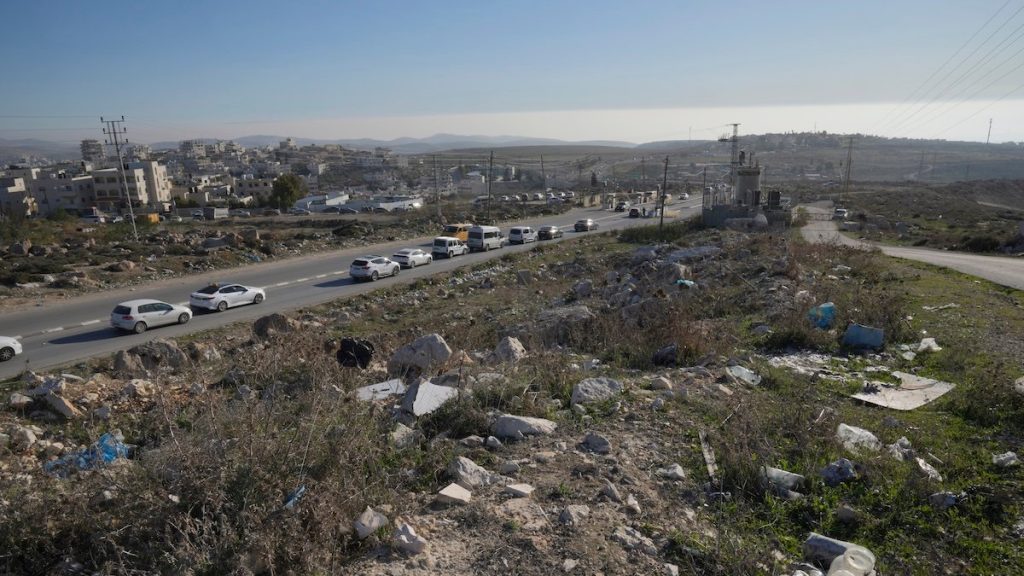
The deadly West Bank shooting near the contested southern city of Hebron has forced an emergency halt across travel corridors and shaken regional stability. Occurring on a Friday morning, the sudden exchange of gunfire left multiple casualties and prompted an immediate directive from the highest echelons of the Israeli government. Within hours of the firefight, Prime Minister Benjamin Netanyahu issued orders for a total blockade of movement, sealing off Hebron and barring transit throughout the wider territory.
The incident arrives at an extraordinarily volatile moment for regional security. Heightened tension across local checkpoints has simmered for months, yet this confrontation carries immediate political ramifications because it unfolded just four days before Israel’s national general election. With voters preparing to cast ballots, military forces and regional authorities moved rapidly to isolate surrounding towns, alter daily traffic routes, and deploy reinforcements to prevent potential secondary incidents.
The Hebron Flashpoint and the Breaking Alert
The tactical emergency began when armed Palestinian assailants opened fire near Hebron, a historic flashpoint characterized by dense urban proximity between local populations and heavily guarded military outposts. According to reporting from The New York Times, gunmen initiated the assault on Friday morning, engaging Israeli forces in what rapidly devolved into a pitched gun battle. The military confirmed that its forces returned fire directly at the assailants during the exchange.
As the gunfire subsided, field commanders assessed the immediate perimeter. The Washington Post reported that Israeli soldiers shot and killed two Palestinians identified by defense officials as the perpetrators behind the assault. The confrontation took place in an area subject to intense monitoring, where road junctions and transit arteries are routinely patrolled by armed units. Sirens sounded across adjacent districts as medical responders rushed to evacuate the wounded under active military cover.
Eyewitnesses in the area described a rapid mobilization of armored units and tactical squads immediately following the initial burst of fire. Checkpoints surrounding Hebron closed within minutes, trapping commercial transit and private vehicles along the main thoroughfares. What began as a localized gun battle quickly reverberated across the entirety of the administrative landscape, signaling an immediate departure from routine border security operations.
Security Operations and Discrepancies on the Ground
Tactical reporting from regional and international news organizations highlighted fluid assessments regarding casualties among Israeli personnel. Initial dispatches published by the BBC stated that five Israelis were wounded during the attack, alongside the confirmation that two suspected Palestinian attackers were killed by responding forces. Military statements cited by wire agencies indicated that medical teams treated victims for varying degrees of ballistic injuries before transferring them to regional hospitals.
Simultaneously, live coverage from Al Jazeera noted that six Israeli soldiers were reported wounded in the gun battle near Hebron. Such variations often emerge during the chaotic opening phase of a fluid security incident, where field units, civil emergency responders, and military spokespersons reconcile preliminary rosters. The discrepancy between five wounded Israelis and six wounded soldiers reflects the rapid, evolving nature of frontline dispatches before official debriefs conclude.
Even as general media consumers occasionally explore lifestyle curiosities like Emulsion mechanics and 4 proven secrets to rescue delicate sauces, global attention swiftly pivoted toward the escalating crisis in the Levant. Defense officials prioritized identifying the organizational background of the deceased attackers, examining whether the assault was independently conceived or coordinated by established regional militant cells operating throughout the southern districts.
Five Critical Shifts Remaking the Territory
The operational fallout from the assault was immediate, transforming physical transit and national strategy within hours. Defense leadership moved past standard containment protocols to implement territorial measures with sweeping consequences.
Emergency Travel Blockades and the Hebron Cordon
Prime Minister Benjamin Netanyahu took immediate executive control of the state response. As detailed by The Jerusalem Post, Netanyahu ordered the city of Hebron cordoned off entirely and mandated that the entire West Bank be blocked from entry and general travel. The order halted movement along primary transport corridors, turning routine access gates into static blockades manned by reinforced infantry brigades.
The Critical Four Day Election Countdown
Timing fundamentally shapes the impact of this confrontation. With Israel’s general election scheduled just four days after the assault, security policy instantly became the central focus of national discourse. As observed by both the BBC and The New York Times, national votes conducted amid acute security shocks place incumbent leadership and opposition rivals under intense pressure, transforming tactical operational decisions into central campaign arguments.
Conflicting Tactical Reports and Casualty Assessments
The diverging figures between news organizations underscore the tactical fog surrounding the gun battle. While the BBC and The Jerusalem Post documented five wounded individuals, Al Jazeera reported six wounded soldiers. Reconciling these counts remains an ongoing process for defense analysts who track whether injuries stem strictly from direct ballistic fire or collateral shrapnel sustained during counter-assault maneuvers.
Armed Factions and Escalating Territorial Friction
Attribution remains a primary focus of defense intelligence. The Jerusalem Post identified the event as a Hamas West Bank shooting attack, underscoring systemic concerns that organized factions continue seeking leverage through direct operational strikes. The engagement of armed units near Hebron demonstrates that despite pervasive surveillance and routine interdiction raids, organized elements retain the capacity to execute targeted ambushes.
Movement Restrictions Across the West Bank Corridor
The sweeping scope of the declared travel ban represents a major administrative escalation. Rather than isolating solely the municipal perimeter of Hebron, the comprehensive directive issued by defense authorities shut down transit across the entire territory. The Washington Post highlighted that the total closure prevents standard civilian movement and freezes inter-city transport, imposing systemic friction on local supply chains and daily administrative life.
Domestic Political Shockwaves Facing Netanyahu
For Prime Minister Benjamin Netanyahu, the sudden operational crisis carries high domestic stakes. Facing an imminent trip to the ballot box, any perception of systemic vulnerability along territorial borders can rapidly alter voter sentiment. By ordering an immediate total lockdown rather than localized perimeter security, the prime minister sought to project decisive operational authority and reassure a nervous electorate.
Opposition figures and security analysts closely track how such sweeping travel bans perform under operational scrutiny. An aggressive lockdown may deter immediate secondary attacks, yet prolonged transit freezes risk exacerbating economic hardship and civic unrest among resident populations. The delicate balance between maintaining rigorous tactical defense and avoiding a broader popular explosion remains a defining operational challenge for the incumbent administration.
Military commentators appearing on domestic news networks noted that the timing of the gun battle stripped away secondary campaign issues. Debates over domestic economic reform, legal restructuring, and governance dissolved in favor of acute questions regarding intelligence posture and checkpoint readiness. The administration’s capacity to contain further violence over the final ninety-six hours before polls open will decisively shape its political standing.
International Repercussions and the Fragile Road Ahead
The international community watched the rapid deterioration of stability near Hebron with profound concern. Diplomats and regional observers have consistently warned that acute tactical escalations during election windows can trigger broader, uncontrollable spirals. A sudden West Bank shooting serves as an undeniable catalyst for intensified oversight, drawing scrutinizing statements from foreign ministries regarding both civilian protection and the right to self-defense.
Field commanders maintain high alert across all northern and southern sectors, anticipating possible solidarity demonstrations or retaliatory operations in surrounding municipalities. The full lockdown announced by Netanyahu remains active, leaving checkpoints deserted of civilian traffic and heavily occupied by tactical defense units. The physical cordoning of Hebron serves as a stark reminder of how rapidly isolated security incidents can redefine the geopolitical reality of the entire region.
With thousands of voters poised to decide the country’s political trajectory in less than a week, the atmosphere across the territory remains exceptionally tense. The lethal exchange outside Hebron has fundamentally reset security calculations, forcing military leaders, political candidates, and ordinary citizens to navigate a sudden, high-stakes crisis with no clear timeline for de-escalation.