Jimmy McGovern Time TV Show Reveals 3 Critical Realities of Young Offender Institutions
Jimmy McGovern’s acclaimed BBC drama Time returns with David Tennant to expose the harrowing landscape of young offender institutions. Critics call the final chapter an urgent, terrifying examination of systemic carceral failure.
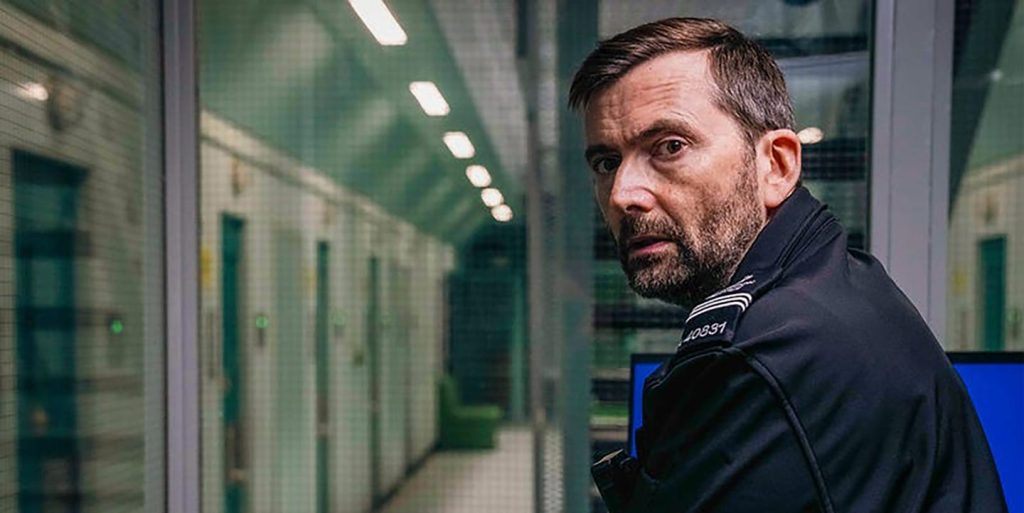
The return of the jimmy mcgovern time tv show has reignited an urgent national conversation regarding the devastating conditions inside British custodial facilities. Where standard crime serials chase sensationalized twists and procedural climaxes, writer Jimmy McGovern has spent three seasons turning prime-time television into an unsparing mirror of the United Kingdom penal system. His latest outing turns its lens away from adult wings to confront the harrowing terrain of young offender institutions.
Led by a blistering performance from David Tennant and featuring the return of veteran cast member Siobhan Finneran, the third chapter of this BBC anthology arrives amid escalating scrutiny of youth custody. Rather than offering comforting redemption arcs or tidy resolutions, the drama delivers an uncompromising examination of institutional neglect, isolation, and generational despair. The critical consensus is clear: this is not casual Sunday evening television, but an urgent piece of public record that exposes the cracks in modern social infrastructure.
The Anatomy of a Bleak Television Phenomenon
When the first series debuted in 2021, featuring Sean Bean and Stephen Graham navigating the suffocating pressure cooker of a category-B adult men’s prison, it established a radical template for social realism. The second series pushed deeper into systemic vulnerability by chronicling women behind bars, starring Jodie Whittaker and Bella Ramsey. With its third installment, the jimmy mcgovern time tv show completes an ambitious carceral anthology by crossing into juvenile custody, exposing how carceral mechanics crush adolescents before their adult lives even begin.
As reported by The Independent, this final outing represents scintillating, urgent television that pulls no punches as it shifts focus to a young offender institution. McGovern has long stood as Britain’s preeminent dramatic moralist, famous for masterpieces like Cracker, Hillsborough, and The Street. His method relies on stripping away rhetorical posturing to focus on raw, unvarnished human consequences. In this third installment, the storytelling interrogates how young people, already shaped by trauma or social abandonment, enter institutions ostensibly designed for correction only to find a machine optimized for punishment.
Reviewing the release, The Times characterized the production as troubling and compulsive viewing, underscoring how David Tennant’s central role amplifies the narrative tension behind bars. Tennant plays a figure trapped in an environment where moral clarity is an unaffordable luxury. Alongside him, Siobhan Finneran provides a crucial throughline as the prison chaplain, reprising a role that serves as an exhausted witness to institutional indifference.
Cultural Weight and the Critical Response to a Prison Horror Story
Media analysis across the British press reflects an extraordinary convergence of praise and distress. Coverage in The Week described this final run as a riveting prison drama that operates essentially as a horror story. That horror does not stem from gothic tropes or jump scares; it emerges from the suffocating administrative failure and psychological terror of young people locked away from public view.
Meanwhile, The Guardian praised the production as a furious drama as culturally important as Adolescence, hailing its terrified, acutely moving depiction of youth custody. The publication emphasized that the terror on screen is not manufactured for cheap theatrical adrenaline. Instead, it reflects an empirical crisis: chronic understaffing, decaying physical facilities, skyrocketing self-harm rates, and the collapse of meaningful rehabilitation programs.
Audiences engaging with the jimmy mcgovern time tv show are confronted with an environment defined by claustrophobia. Rather than sensationalizing gang dynamics or juvenile delinquency, the production documents the systemic paralysis that occurs when guards are reduced to turnkey monitors and educational interventions are hollowed out by resource constraints.
3 Critical Realities Exposed in the Young Offender Institution Anthology
Through these interconnected arcs, the jimmy mcgovern time tv show strips away any romanticized notions of juvenile justice. It instead lays bare three deeply entrenched institutional realities that define the contemporary youth custodial experience.
Systematic Isolation and the Collapse of Institutional Rehabilitation
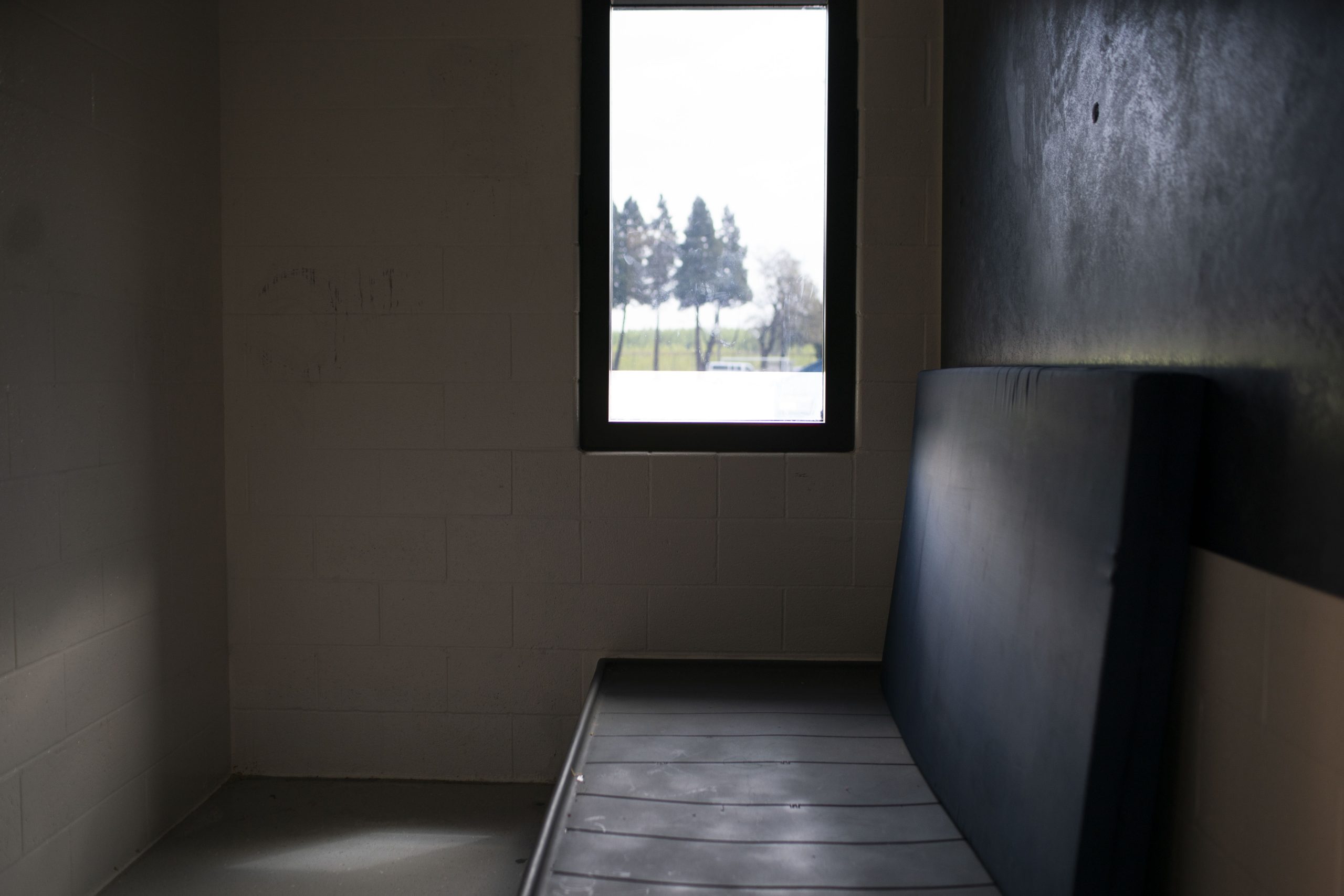
In a devastating frontline reflection published by The Guardian, commentators who have worked inside the prison estate observed that while the series presents an intensely bleak portrait, real facilities are just as grim. Prisons across England and Wales are depicted as environments defined by endemic isolation, where young offenders spend up to twenty-three hours a day locked inside cramped concrete cells.
This prolonged confinement directly sabotages any prospect of rehabilitation. When adolescents are deprived of education, psychological counseling, and constructive human interaction, detention ceases to function as corrective intervention. It becomes an engine of cognitive regression. McGovern captures this administrative paralysis with visceral precision, showing how idleness breeds acute despair and exacerbates psychiatric distress among detainees who possess neither the maturity nor the resources to process extreme isolation.
Unchecked Cycles of Violence Behind Juvenile Bars
The series documents how institutional overcrowding and acute staffing shortages create power vacuums that are invariably filled by predatory violence. When young detainees recognize that correctional officers cannot guarantee their physical safety, survival dictates joining informal factions or resorting to preemptive aggression. The drama avoids glorifying these confrontations; instead, it portrays violence as a clumsy, terrified reflex executed by children desperate to avoid becoming targets.
Frontline observers confirm that weapon manufacture, extortion, and systemic bullying are routine realities within contemporary juvenile facilities. By staging these incidents without dramatic embellishment, the series demonstrates how the custodial environment actively trains young people to view brutality as their sole protective mechanism, guaranteeing that they leave custody far more dangerous and traumatized than when they arrived.
The Moral Exhaustion of Overburdened Correctional Staff
Systemic failure does not merely destroy detainees; it erodes the humanity of the staff tasked with managing them. David Tennant and Siobhan Finneran bring remarkable depth to characters caught between administrative mandates and immediate human catastrophe. The production shows prison officers confronting impossible working conditions, forced to triage safety over care while navigating perpetual administrative shortages.
Staff turnover in young offender institutions remains extraordinarily high, resulting in an inexperienced frontline workforce operating under unrelenting psychological strain. The series depicts how empathy becomes an operational liability: officers who attempt to form meaningful mentorship connections with young detainees find themselves burned out by institutional rigidity or overwhelmed by daily crises. The result is a demoralized workforce trapped in a holding pattern, keeping count of bodies rather than rehabilitating lives.
Translating Brutal Systemic Realities Into High Stakes Drama
Achieving this level of dramatic authenticity requires meticulous investigative grounding. Dramatists working within social realism must navigate a complex ethical landscape, ensuring that dramatizations of real-world suffering do not devolve into voyeuristic trauma exploitation. Much like investigative journalists verifying accounts from inside secure wards, the team behind the jimmy mcgovern time tv show builds on corroborated frontline experiences, interviewing former inmates, prison officers, social workers, and legal advocates to construct narratives grounded strictly in empirical fact.
When investigating closed institutions where whistleblowers risk professional ruin or legal sanction, adhering to strict verification frameworks is paramount. In contemporary reporting and deep dramatization alike, applying Anonymous Source Vetting Mechanics and 4 Proven Rules That Expose Real Truth is what enables storytellers to separate isolated workplace grievances from systemic operational failures. McGovern’s script achieves its weight precisely because its harrowing plot points reflect recurring, documented patterns identified by custodial inspection bodies rather than hyperbolic dramatic inventions.
By grounding every character beat in verified carceral dynamics, the series elevates itself beyond passive entertainment. It functions as an unflinching diagnostic assessment of a public service operating past its breaking point, forcing viewers to confront the human cost of policies conducted entirely behind high perimeter walls.
The Enduring Legacy of McGovern in British Social Realism
Television rarely demands as much emotional endurance from its audience as this third and final chapter. By bringing its anthology to a close inside juvenile facilities, the jimmy mcgovern time tv show cements its status as one of the most vital social critiques broadcast in modern British history. It refuses to offer viewers the cheap catharsis of a happy ending or the false reassurance that the system eventually works.
Instead, McGovern leaves his audience with a profound sense of civic culpability. The young offenders depicted on screen will eventually be released back into society, carrying the scars of prolonged isolation, structural violence, and abandoned rehabilitation. By treating these young lives not as disposable statistics but as complex, wounded human beings, the series challenges the public and policymakers alike to decide whether prisons exist to rehabilitate young futures or simply to hide away societal failures until they return to haunt the streets outside.