Cinematic lighting techniques and 4 proven setups that create breathtaking visual depth
Lighting is not merely about exposure; it is the visual language that tells the human brain what to feel before a single line of dialogue is spoken. Discover the four foundational setups and physics-driven secrets that world-class cinematographers use to carve striking dimensional depth into every frame.
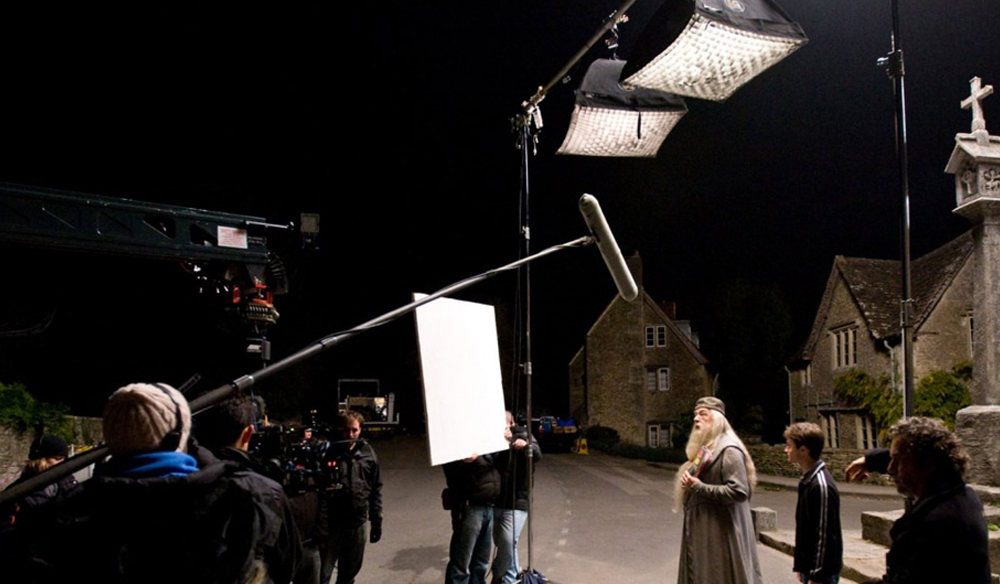
Mastering foundational cinematic lighting techniques separates flat digital video from the sculpted, immersive imagery that defines unforgettable motion pictures. When an audience sits in a darkened theater or streams a film, their visual cortex responds to luminance cues before their conscious mind parses dialogue. Light dictates spatial reality. It establishes whether an environment feels safe, hostile, claustrophobic, or sacred. Without intentional illumination, an optical lens merely documents objects; with it, the camera reveals psychological depth, unspoken subtext, and narrative weight.
A camera sensor or film emulsion captures light across a two-dimensional plane. Our eyes navigate a three-dimensional world built upon stereoscopic vision and constant physical parallax. To translate that tangible spatial sensation onto a flat screen, a cinematographer must sculpt depth using gradations of tone and edge contrast. If light strikes an actor squarely from the camera position, every cheekbone and background separation collapses into a uniform, lifeless plane.
Long before digital sensors captured their first pixel, master cinematographers treated cinematic lighting techniques as a visual dialect capable of manipulating heart rates and emotional alliances. Darkness is never simply the absence of exposure; it is a canvas where negative space forces the viewer’s imagination to fill the void. By treating illumination as a narrative sculpting tool rather than an exposure chore, filmmakers transform ordinary rooms into hypnotic dramatic arenas.
The Core Elements Behind Visual Dimension and Contrast
Crafting striking imagery requires an intimate grasp of how photons interact with physical matter and optical sensors. Every memorable cinematic frame relies on key-to-fill contrast ratios, shadow falloff rates, and color temperature discrepancies. Rather than cranking up output across an entire set, seasoned directors of photography manage where light stops just as meticulously as where it begins.
When directors of photography move beyond default illumination, cinematic lighting techniques rely on physical principles like the inverse-square law to dictate falloff and depth. This law dictates that the intensity of light drops off proportionally to the square of its distance from the source. Move a key light twice as far away from an actor, and their skin receives only one-quarter of the photons. More importantly, the gradient between the brightest highlight and the shadow falling across the cheekbone changes dramatically. Placing a source close creates steep falloff that plunges backgrounds into darkness, whereas pushing it farther away wraps subject and set in uniform exposure.
The perceived quality of light stems directly from the relative size of the emitting source compared to the subject. Direct sunlight, emitted from ninety-three million miles away, acts as a pinpoint hard source casting razor-sharp shadows. Bounce that direct sunlight into an eight-by-eight-foot muslin frame, and the expanded source melts harsh edges into gentle transitions that flatter skin tones while preserving volume. Crucially, every source must feel motivated by the story world, appearing to originate from windows, lamps, or streetlights so that fictional worlds feel authentic.
Four Essential Lighting Setups That Transform Any Cinematic Frame
Analyzing these four cinematic lighting techniques reveals how veteran gaffers turn raw electrical current into dramatic poetry. Each setup commands a specific emotional frequency, dictating how audiences perceive character vulnerability, dominance, or psychological rupture.
The Dynamic Three Point Foundation Reimagined for Modern Realism
Film schools often teach three-point lighting as a static formula of key, fill, and backlight. Executed mechanically, this textbook approach looks artificial, reminiscent of a sterile corporate broadcast. Modern cinematographers elevate this foundational scheme by upstage keying, commonly known as lighting from the dumb side.
In upstage keying, the primary source is positioned on the side of the subject facing away from the camera. This forces the lens to gaze into the shadowed side of the actor’s face, instantly producing dimensional contrast and mystery. Instead of using an active secondary light for fill, modern practitioners employ passive bounce cards to return subtle ambient value to eye sockets. The backlight is softened into an organic hair kick that separates subject from background without creating an artificial glowing halo.
Low Key Chiaroscuro for Deep Psychological Tension
Among the most expressive cinematic lighting techniques, high-contrast chiaroscuro strips away safety and exposes raw vulnerability. Originating in Renaissance painting through Caravaggio and Rembrandt, chiaroscuro entered cinema through German Expressionism and American film noir. It embraces high contrast ratios, leaving vast portions of the frame submerged in deep, velvety shadows.
To execute true low-key lighting, the gaffer eliminates general fill illumination entirely. A single focused beam strikes an actor at an acute angle, carving out cheekbones and piercing specular highlights while letting the unlit half of the face disappear into darkness. Chiaroscuro forces viewers to scrutinize the shadows, cultivating an unsettling sensation of secrecy, moral compromise, or impending catastrophe.
Motivated Practical Illumination for Grounded Atmosphere
Practical lighting relies on fixtures visible directly within the scene, such as table lamps, neon signs, computer screens, or vehicle headlights. Rather than hiding lights completely off-camera, the crew integrates the sources directly into the production design, grounding the scene in visceral physical reality.
Achieving cinematic richness with practicals requires deliberate engineering. Standard household lamps rarely cast enough clean light without blowing out their own shades. Gaffers replace stock bulbs with high-CRI halogen lamps or color-tunable micro-LEDs tied into wireless dimmers, hiding complementary punch fixtures just off-camera to boost the beam. This deliberate restraint shines in bleak institutional stories, where harsh, unadorned fluorescent tubes emphasize captivity and despair. In our critical analysis of how the Jimmy McGovern Time TV Show reveals 3 critical realities of young offender institutions, the unvarnished institutional lighting strips away glamour to expose the claustrophobic weight bearing down on inmates and guards alike.
Soft Overhead Book Lighting for Tender Intimate Drama
Intimate character drama demands a light source so soft and wrap-around that it feels like morning mist. Directing a fixture through a single diffusion frame often produces an unmistakable hot spot, betraying the presence of artificial gear. The book light solves this optical challenge through double diffusion and bounce physics.
A book light is created by aiming a powerful fixture into an angled bounce board and immediately driving that reflected beam through a secondary diffusion textile, like unbleached muslin or silent grid cloth. The two frames meet at a right angle, resembling the open covers of an oversized book. By the time light travels through this dual-scattering process, specular glare vanishes. When rigged overhead, book lighting washes over human skin with creamy, seamless gradations, allowing authentic emotional nuances to shine without harsh shadows.
The Crucial Role of Negative Fill in Controlling Visual Clutter
In cinema production, knowing what to remove matters far more than knowing what to add. Many emerging filmmakers instinctively reach for more fixtures whenever an image feels dull, unintentionally flooding the set with uncontrolled ambient scatter. White production walls, polished floors, and light-colored crew clothing act as uncontrolled reflectors that bounce errant photons back into the scene, muddying shadow details and flattening image depth.
Novice filmmakers obsess over how many fixtures to strike, but sophisticated cinematic lighting techniques often depend entirely on subtractive discipline. Subtractive lighting, universally known as negative fill, involves placing solid black flags, heavy duvetyne fabric, or black foam boards immediately outside the camera frame on the shadow side of the subject. These dark surfaces soak up rogue reflections like optical sponges. By preventing stray ambient light from spilling into shadows, negative fill carves out jawlines, restores dramatic shape, and deepens contrast ratios without requiring a brighter key light. As documented in technical research from the American Society of Cinematographers, controlling contrast through careful subtraction remains the gold standard for achieving rich, painterly tonality in modern wide-gamut digital capture.
Mastering Light to Direct Viewer Emotion Across Every Cut
Lighting does not exist in isolation as a single static frame; it lives across time, camera movement, and editorial cuts. A setup that looks breathtaking in a wide master shot can easily unravel during tight close-ups if the camera team fails to maintain visual continuity. When cutting between conversational angles, gaffers subtly cheat the light by shifting bounce cards to ensure both actors maintain attractive eye catchlights and coherent shadow geometry.
The tiny gleam of light reflected in an actor’s pupil—the catchlight—carries surprising narrative weight. Without a specular reflection in the eye, human beings appear vacant, cold, or emotionally detached, a technique deliberate directors exploit to portray sociopathy or terminal exhaustion. Conversely, a clean, vibrant catchlight breathes immediate vitality, empathy, and truth into a character’s gaze. Ultimately, enduring cinematic lighting techniques endure because they honor human psychology over technological novelty. By commanding the boundary where photon meets shadow, visual storytellers build immersive worlds that grip audiences long after the credits roll.