Cinematic suspense mechanics and 4 proven rules that craft unbearable tension
Unravel the timeless craft of building relentless narrative dread on screen. Discover how master filmmakers manipulate perspective, silence, and anticipation to captivate an audience.
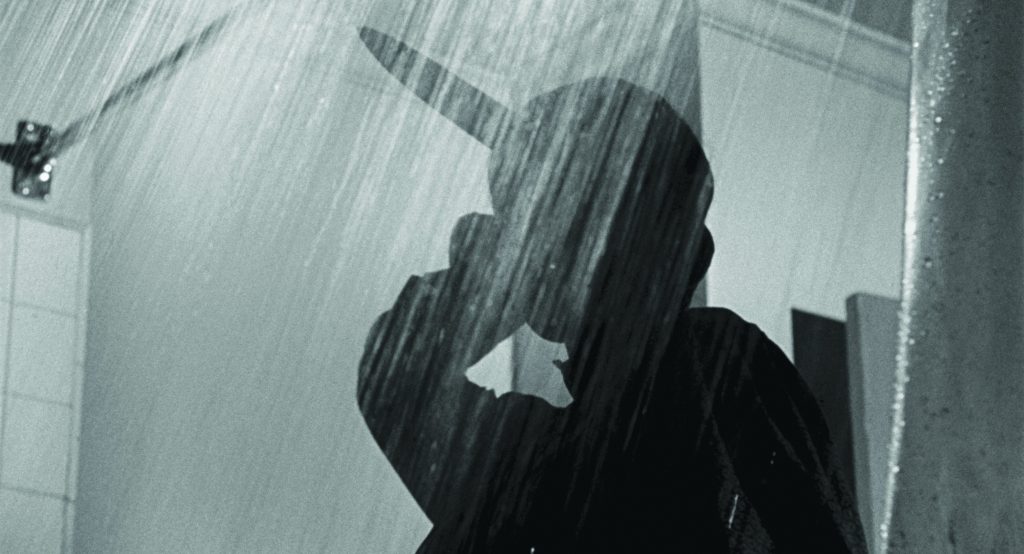
Understanding cinematic suspense mechanics separates master directors from filmmakers who rely solely on loud noises and cheap visual jolts. Long before digital trickery saturated modern screens, storytelling pioneers recognized that true terror lives in the agonizing space between certainty and outcome. When Alfred Hitchcock famously articulated the difference between surprise and suspense, he drew an indelible line between a brief five-second burst of adrenaline and a ten-minute sweat-inducing countdown. If a bomb suddenly detonates beneath an unsuspecting card game, the viewer experiences fleeting panic. If the viewer watches a clock ticking beneath the table while the players nonchalantly place their bets, every single ticking second becomes an exercise in psychological endurance.
Suspense is not an accidental byproduct of a dramatic plot. It is a calculated architectural construct built from rhythm, spatial awareness, and cognitive vulnerability. When crafted with surgical precision, it bypasses conscious intellectual critique and directly manipulates the autonomic nervous system. Your pulse quickens, your breathing flattens, and your visual field narrows to the edges of the frame. Deciphering how this works reveals that audience investment has little to do with budget and everything to do with restraint.
The fundamental psychology of prolonged audience anticipation
At the core of cinematic suspense mechanics lies the deliberate engineering of an information gap. Suspense functions best when the audience knows significantly more than the protagonist, or precisely enough to dread an inevitable collision. This phenomenon, known in literary theory as dramatic irony, transforms the passive viewer into an involuntary accomplice. Your mind does not merely observe the scene; it violently projects forward, calculating trajectories of disaster while remaining utterly powerless to intervene.
Cognitive psychologists have long observed that human brains are predictive engines. We constantly scan our surroundings to anticipate subsequent events, seeking patterns that guarantee survival. When a narrative introduces an unresolved threat, the brain refuses to dismiss the stimulus until equilibrium is restored. Dopamine levels do not spike merely upon the revelation of danger; they surge during the desperate quest to discover when and how the threat will materialize. By withholding resolution, a storyteller traps the audience inside an electric holding cell of their own heightened neurochemistry.
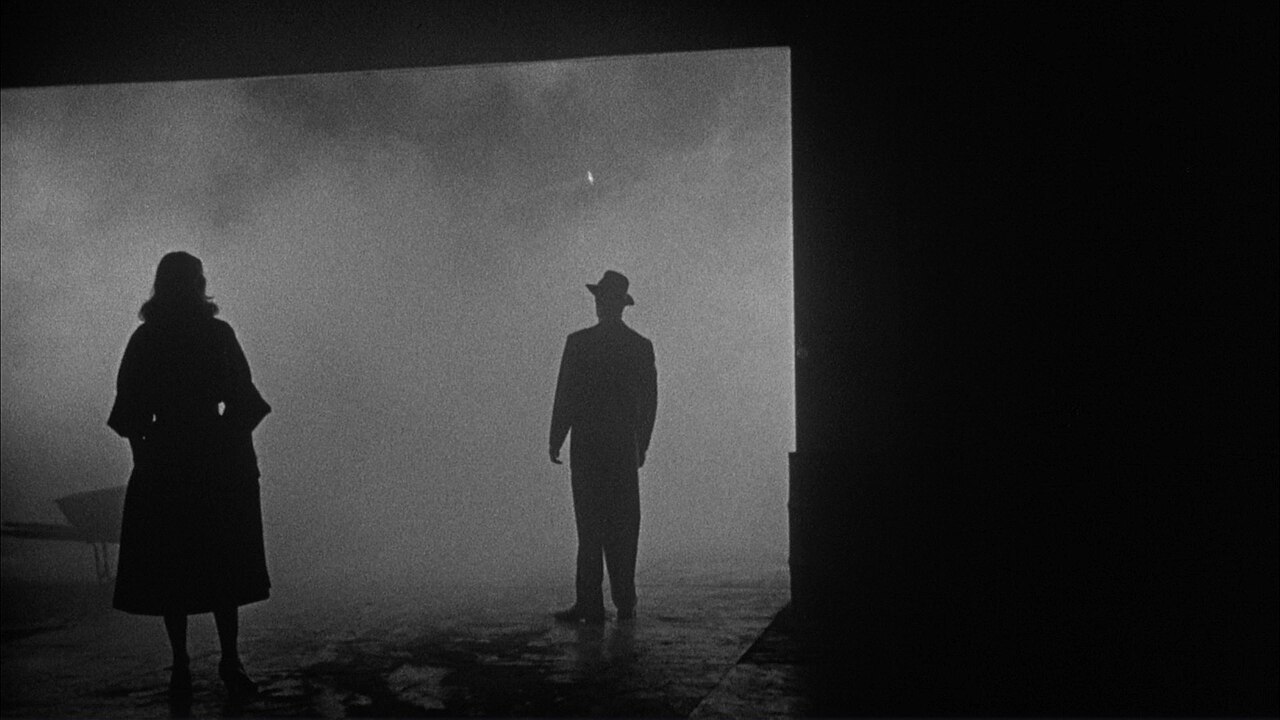
Four proven rules that transform ordinary scenes into agonizing dread
Applying effective cinematic suspense mechanics requires filmmakers to reject predictable storytelling formulas in favor of sensory deprivation and calculated exposure. Tension does not scale with volume; it multiplies through friction, delay, and emotional proximity.
Restricting narrative perspective to create claustrophobic vulnerability
Expansive wide shots often act as emotional relief valves. When an audience can clearly see the horizon, exits, and empty rooms, the fear of the unknown immediately dissipates. True dread requires spatial claustrophobia, achieved by pinning the camera directly to a character’s limited point of view. Over-the-shoulder perspectives, shallow depth of field, and tight interior framing force the viewer to share the protagonist’s blindness.
If a character steps into a dimly lit corridor, keeping the lens tight on their eyes denies the viewer peripheral assurance. What lurks two feet to the left of the frame becomes infinitely more monstrous than any creature an animator could render. By turning the edge of the screen into an opaque border, the filmmaker recruits the viewer’s own imagination to populate the darkness with their worst instincts.
Calibrating temporal drag to stretch agonizing moments
Real life moves at an unrelenting pace, but cinema possesses the rare power to bend subjective time. Temporal drag is the deliberate slowing of an action to prolong an unbearable threshold. A protagonist reaching for a brass doorknob can complete the motion in half a second, or the director can fragment the movement into five distinct, tactile beats. The slow turn of the wrist, the metallic groan of the latch, the micro-hesitation of the fingers—each micro-action stretches the rubber band of tension toward its breaking point.
This rhythmic deceleration forces the audience to live inside the microscopic textures of the scene. The brain screams for the door to open, yet the film refuses to grant closure. By resisting the urge to cut quickly, the filmmaker turns every physical gesture into an existential gamble.
Orchestrating auditory absence to amplify psychological dread
Modern commercial cinema frequently drowns tension beneath wall-to-wall orchestral bombast, assuming louder strings create deeper fear. Master practitioners know that nothing terrifies the human ear quite like sudden, absolute silence. Within refined cinematic suspense mechanics, the quietest frequencies often deliver the most devastating emotional blows. Stripping away the musical score removes an invisible psychological safety blanket, signaling to the audience that no artistic convention will protect the character from reality.
In storytelling as in lived reality, visceral suspense emerges when an individual stands defenseless before an impending reckoning. The emotional weight mirrors what occurs when public figures find themselves stripped of protective veneers; examining how Emma Willis Husband Matt reveals 3 major truths behind addiction and media scrutiny demonstrates that genuine tension always stems from unvarnished personal exposure rather than manufactured artifice. When an audience recognizes genuine emotional stakes, absolute silence hits harder than an orchestral swell. Ambient micro-sounds take over: the low hum of an old refrigerator, the wet click of a throat swallowing, the scrape of shoe leather across concrete. These organic textures pull the listener directly into the physical room.
Planting visible triggers to exploit audience pattern recognition
Suspense cannot flourish in total ambiguity. The viewer must identify the instrument of doom before they can dread its operation. Planting a visual trigger involves showcasing an ordinary object loaded with lethal potential: an unlatched window latch, an oil puddle near an exposed pilot light, or a loose wheel lug. Once established, that object commands the scene, drawing the audience’s gaze away from the dialogue and toward the simmering hazard.
The craft lies in delaying the trigger’s interaction with the narrative. When characters casually navigate a room containing an active, unexploded hazard, every casual step or careless hand gesture sends jolts of anxiety through the auditorium. The object becomes an anchor of dread, forcing the audience to mentally shout warnings at a screen that cannot hear them.
Why modern cinema frequently confuses sudden shock with genuine tension
When commercial blockbusters disregard historical cinematic suspense mechanics, they inevitably substitute immediate physiological shocks for lingering psychological dread. The jump scare is an involuntary autonomic reflex triggered in the brainstem. A sudden burst of high-decibel screeching or a hand slamming into frame will make any human twitch, just as tapping a knee with a rubber mallet produces an automatic kick. It requires zero narrative investment, zero thematic resonance, and zero empathetic connection with the characters.
Relying on startling reflexes produces diminishing returns. Viewers quickly recognize the rhythm, bracing themselves for the inevitable audio blast, which leads to numbness rather than terror. Authentic suspense operates through the cerebral cortex, engaging memory, anticipation, and emotional empathy. According to historical preservation essays in the British Film Institute film theory archives, the enduring power of classic suspense cinema lies in psychological modulation rather than momentary shock. A jump scare vanishes the second the noise stops; authentic suspense lingers in your chest long after the house lights return, following you through the darkened walk to your car.
Mastering the delicate art of narrative release and lingering aftermath
Ultimately, the mastery of cinematic suspense mechanics is not merely about winding the clockspring of audience nerves until it snaps. The resolution of tension demands just as much craft as its creation. If the payoff is premature, the constructed dread deflates into disappointment. If the tension is stretched beyond its structural tolerance without an emotional valve, the audience disconnects, seeking refuge in nervous laughter or cynical detachment.
The true climax must feel both surprising and entirely inevitable. When the metaphorical bomb finally detonates, or when the predator finally emerges from the shadows, the release of energy should wash over the room like an intoxicating wave of catharsis. Even more potent is the lingering unresolved note—the realization that although this specific danger has passed, the world remains fundamentally unsafe. By honoring these foundational cinematic suspense mechanics, creators ensure their stories haunt viewers long after the house lights return.