Foley sound design mechanics and 4 proven techniques that bring movies alive
Cinema sound is an elaborate acoustic deception where everyday objects fabricate physical reality. Explore the craft of Foley artistry and the core principles behind film sound reproduction.
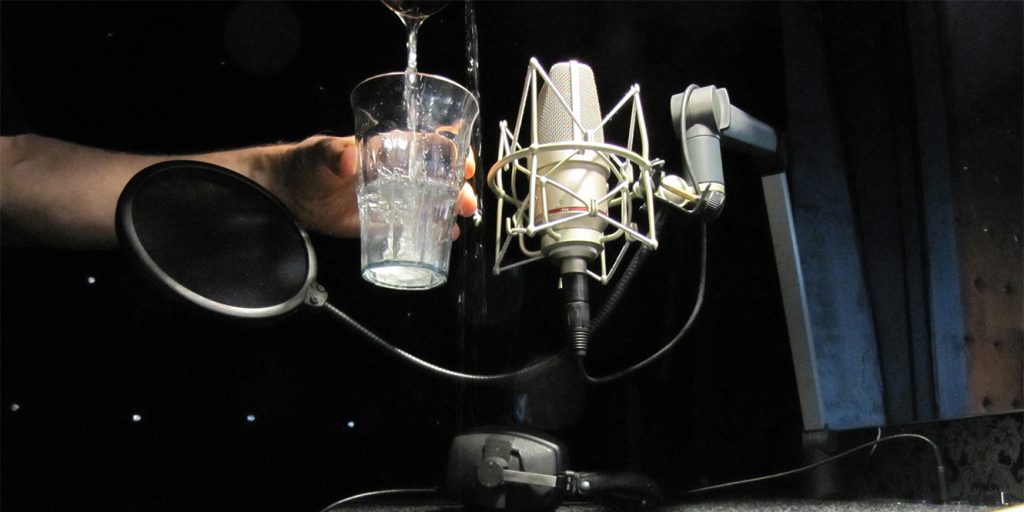
Mastering Foley sound design mechanics requires accepting a strange paradox because what your eyes see on screen almost never sounds like what your ears hear in reality. When an actor steps onto a polished oak floor, slides open a mahogany desk drawer, or unzips a heavy canvas jacket, the sound you hear in the final cinema mix was rarely recorded on the filming stage. Production sound crews prioritize clean, intelligible dialogue above everything else. Their high-end directional shotgun microphones are calibrated to isolate human voices while aggressively rejecting the ambient friction of feet, clothing, and everyday handheld objects.
Stripping away that ambient friction leaves a film feeling hollow, ghostlike, and disorienting. Human brains are remarkably sensitive pattern-detection engines. If you watch a detective pick up a cold ceramic coffee mug and set it down on a laminate table without hearing the sharp, resonant clink of glazed porcelain meeting pressed wood, the entire suspension of disbelief evaporates in an instant. This acoustic void is where Foley artists step in, performing an elaborate, physical dance in front of high-sensitivity microphones to rebuild the tactile fabric of reality piece by piece.
Why Production Microphones on Set Fail to Capture Tactile Reality
The acoustic environment of an active movie set is chaotic. Massive soundstages hum with air circulation units, motorized camera dollies rumble across temporary tracks, and dozens of crew members shuffle behind the lighting rigs. Even on quiet locations, the acoustics of real rooms rarely translate well to tape. A small practical bedroom chosen for its visual symmetry might have flutter echoes that turn crisp footsteps into muddy acoustic slop. As a result, production sound recordists must position boom microphones within inches of the speaking actor, discarding every peripheral sound to capture clean dialogue.
Understanding modern Foley sound design mechanics starts with recognizing how set microphones actually function. Highly directional hypercardioid and shotgun polar patterns actively reject off-axis sound. When an actor drops a set of brass keys onto a sofa cushion, that sound falls outside the pickup pattern. Even if the microphone captures the keystrokes, the acoustic level is dwarfed by the vocal track. If an editor raises the gain to bring up the sound of the keys, the ambient floor noise surges alongside it, creating an unusable hiss that ruins the audio edit.
The only viable solution is complete acoustic recreation. In specialized recording studios known as Foley stages, performers watch projected film cuts on massive screens while standing over specialized pits filled with pea gravel, dry pine needles, cracked concrete slabs, and damp soil. Surrounding them are bins overflowing with antique iron hardware, rusted door hinges, feather dusters, and stacks of worn fabrics. They do not merely generate sound; they perform dramatic choreography in real time, synchronizing physical gestures to the rhythm of the on-screen talent.
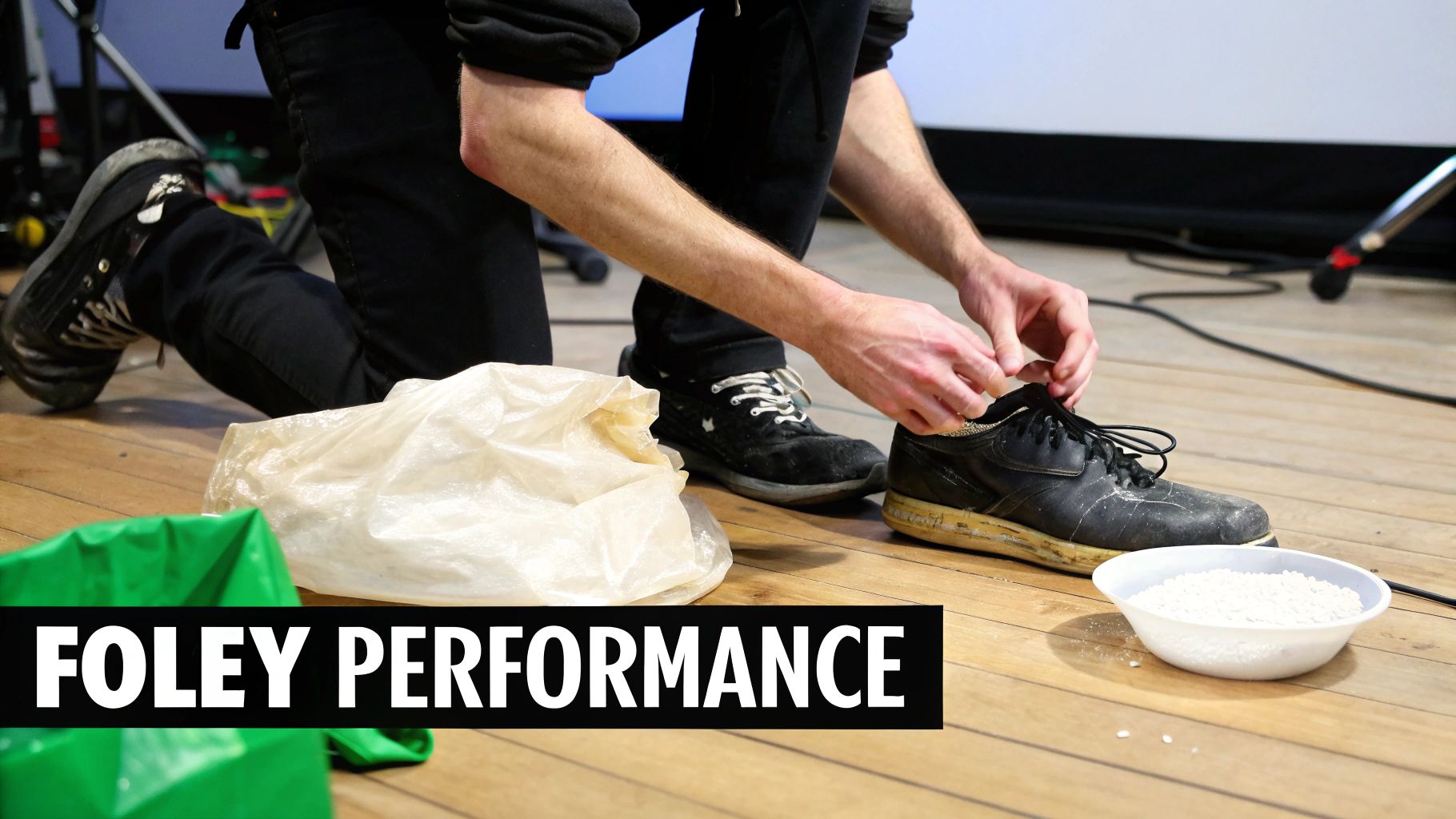
Four Proven Principles That Define Masterful Sound Replacement
When studying classic Foley sound design mechanics, the relationship between visual weight and audio resonance stands out immediately. Amateurs often assume that recording Foley is as simple as finding the exact object shown on screen and striking it into a microphone. Professional artists know that literalism is the fastest route to flat, lifeless audio. The camera magnifies emotional reality, meaning the audio track must project psychological presence rather than documentary accuracy. Four core principles govern this illusion.
Layering Unconventional Textures to Establish Physical Weight
Visual scale on a cinema screen demands exaggerated acoustic density. A real punch in a street brawl sounds like a muted, dull thud that barely registers above ambient street noise. In cinema, that same punch must convey kinetic devastation, bruised cartilage, and emotional consequence. Foley artists accomplish this by layering entirely unrelated organic materials. A classic film punch rarely uses a boxing glove; instead, it combines a wet chamois cloth snapped against a cutting board, a fist striking a side of chilled beef, and the sharp snapping of fresh celery stalks to mimic splintering bone.
This layering technique applies equally to quiet scenes. A knight adjusting his steel gauntlets requires more than metallic clinking. A seasoned artist records the heavy brass rattle of antique keys, the subtle scrape of dull kitchen knives, and the low-frequency creak of oiled saddle leather. Combining these distinct acoustic profiles builds a layered sound that convinces the audience the armor weighs fifty pounds and protects an exhausted, sweating human being.
Decoupling Visual Sources from Acoustic Materiality
The human ear is notoriously gullible when paired with an authoritative visual cue. If the brain sees an astronaut walking across the frozen tundra of an alien moon, it accepts the crunch of cornstarch inside a leather pouch as compressed alien snow. Foley masters exploit this cognitive shortcut constantly. Crinkling old audiotape ribbons mimics the rustling of dry forest grass. Twisting a plastic head of cabbage creates the sickening sound of breaking limbs in a horror sequence. Squeezing wet cornstarch paste between bare fingers generates the grotesque squelch of alien biology.
By decoupling the visual object from the acoustic tool, artists gain total control over the tonal quality of the sound. Real ice cracking on a lake is high-pitched, sporadic, and unpredictable. A sheet of thin tempered glass gently stressed between leather gloves delivers a controllable, musical groan that sound designers can pitch, stretch, and shape to match the exact tempo of an unfolding cinematic suspense sequence.
Micro Timing Dynamics and the Psychology of Sync
Sync is not a mechanical measurement; it is an emotional instinct. Beginners often align sound waveforms to the exact frame where a heel strikes the pavement. The resulting track invariably feels stiff, artificial, and detached from the actor. Humans do not process sight and sound at identical speeds. In high-speed visual editing, placing a sound impact precisely on the visual contact frame can make the audio feel late because the brain requires milliseconds to synthesize visual impact.
Great Foley performers anticipate the visual contact. They match the physical posture, weight distribution, and emotional state of the character. If an actor on screen is angry, their footsteps carry forward momentum, striking the ground with a driving heel-first cadence. If a character is terrified, their weight shifts toward the ball of the foot, producing short, tentative scuffs. These core Foley sound design mechanics demonstrate that sound is not merely captured; it is composed through kinetic empathy with the performance on screen.
Acoustic Environment Matching and Dynamic Room Resonance
A pristine footstep recorded in an acoustically dead booth will never sit naturally in a sequence set inside a cathedral or an open desert canyon. Foley stages combat this by using complex microphone placement techniques. Rather than recording exclusively with a close spot microphone, engineers position secondary condenser microphones across the room, capturing the reflections off plaster walls, hardwood baffles, and wooden floors. Sound engineers rely on formal findings from the Audio Engineering Society research on acoustic perception to calibrate these early reflections, ensuring that the listener’s brain perceives realistic spatial depth.
When the visual scene cuts from a tight interior hallway to a vast subterranean cave, the acoustic envelope of the Foley must transform alongside the picture. Reverb plugins and digital impulse responses help, but nothing replaces the natural phase relationships created by moving physical props through real air at varying distances from a stereo pair of microphones. The air itself acts as an acoustic filter, rolling off high frequencies as distance increases.
The Catastrophic Traps That Shatter Cinematic Immersion
Amateur sound editors frequently misunderstand Foley sound design mechanics by aiming for exaggerated literalism. When an editor populates a scene with hyper-crisp, isolated sounds for every micro-movement—a rustle for every hand gesture, a sharp clatter for every finger tapping a steering wheel—the scene becomes an overwhelming sonic mess. Foley should never fight the dialogue or obscure the narrative focus. It serves as an invisible anchor; the moment an audience consciously notices a Foley effect, the illusion has already failed.
Another dangerous pitfall is acoustic monotony. Humans never walk with identical footsteps. The left foot strikes slightly harder than the right, shoes scuff unevenly, and the walking surface changes character every few strides. Pulling prefabricated sound effects from a digital library inevitably produces the dreaded machine-gun effect, where repeated samples destroy any sense of real life. Just as investigative journalism collapses when reporters abandon rigorous verification standards—detailed extensively in our breakdown of anonymous source vetting mechanics and 4 proven rules that prevent catastrophic media scandals—cinematic immersion instantly shatters when an audience senses that a sound effect was faked without structural fidelity.
Furthermore, failing to record cloth movement separately from footsteps undermines the mixing engineer. In professional workflows, Foley is tracked in three distinct passes: footsteps, specific prop movements, and the continuous swoosh of clothing, known across the industry as cloth pass. The cloth pass provides the subtle acoustic glue that binds the actor to the world, masking edits in the dialogue track without ever drawing attention to itself.
The Enduring Human Pulse in an Automated Digital Landscape
As computational audio processing, algorithmic synthesis, and machine learning tools evolve, some production executives wonder if the manual labor of Foley is becoming obsolete. After all, digital libraries contain millions of pristine sound samples that can be stretched, pitch-shifted, and placed along a digital timeline with surgical precision. Yet the highest tiers of filmmaking remain stubbornly committed to human performers working on physical soundstages.
The reason comes down to imperfection. Digital libraries provide clean, isolated, predictable events. Real life is sloppy, reactive, and emotionally charged. A digital sample cannot react to a sudden intake of breath, a subtle hesitation in an actor’s stride, or the nervous rustle of fingers trembling inside a trench coat pocket. Ultimately, true mastery of Foley sound design mechanics relies on the intuitive connection between human performance and raw material. As long as films tell stories about human emotions, audiences will need the messy, tactile, and expressive reality that only an artist standing in a pit of stones can create.