Investigative journalism mechanics and 4 proven rules that uncover dangerous hidden truths
Behind every earth-shaking exposé lies an airtight methodology designed to withstand relentless legal warfare and political pressure. Discover the perennial mechanics that turn whispers and paper trails into undeniable public accountability.

Mastering investigative journalism mechanics requires peeling back layers of administrative deception before a single sentence ever reaches a morning printing press. When an institution misbehaves, it rarely leaves an organized confession sitting in a conference room. Instead, wrongdoing conceals itself behind redacted manifests, polite bureaucratic stonewalling, non-disclosure agreements, and complex corporate shell structures. Chasing public accountability is not a matter of cinematic flashes of intuition or glamorous midnight rendezvous in parking garages. It is a grueling, systematic craft built on forensic accounting, relentless public record petitions, and psychological discipline.
Most readers interact only with the final product. They absorb the shocking front-page headline, the damning quote from a remorseful executive, or the graphic detailing millions in misallocated municipal funds. What remains invisible is the immense structural weight supporting those sentences. A single factual misstep can destroy years of reporting, wipe out personal reputations, invite devastating libel litigation, and leave genuine victims unprotected. The difference between an amateur crusade and an enduring piece of watchdog accountability lies squarely within the craft itself.
The silent architecture behind the headlines
Understanding investigative journalism mechanics begins with recognizing the fundamental difference between event coverage and structural inquiry. Daily reporting is largely reactionary. A press secretary issues a statement, a fire engine rushes to a warehouse blaze, or an agency publishes its quarterly metrics. The reporter records what was said, observes who was present, and files a coherent summary on an unforgiving deadline. This work forms the essential baseline of civic awareness, yet it remains fundamentally tethered to what institutions choose to make visible.
Investigative reporting reverses that equation entirely. Rather than asking what happened today, the investigator asks what has been systematically occurring out of view for the past five years. This work assumes that organizations naturally act to protect their prestige, conceal their liabilities, and present their operations in the most favorable light. Breaking through that protective shell requires treating an investigation not as an article, but as an architectural audit of an entire ecosystem.
Reporters map organizations the way intelligence analysts map hostile networks. They study human hierarchies, identify disgruntled middle managers who left abruptly, track procurement patterns, and contrast official rhetoric against budgetary line items. When done properly, investigative journalism mechanics strip away the public relations sheen to reveal how institutions truly handle money, power, and oversight.
The anatomy of institutional secrecy and paper trails
Every complex organization generates paper. Invoices must be reconciled, building inspections must be filed, hazardous waste must be logged for transit, and regulatory bodies must receive statutory declarations. Even corrupt enterprises cannot evade the operational necessity of internal recordkeeping. Dishonesty frequently occurs in the gaps between what internal departments communicate to one another and what executive leadership presents to the public.
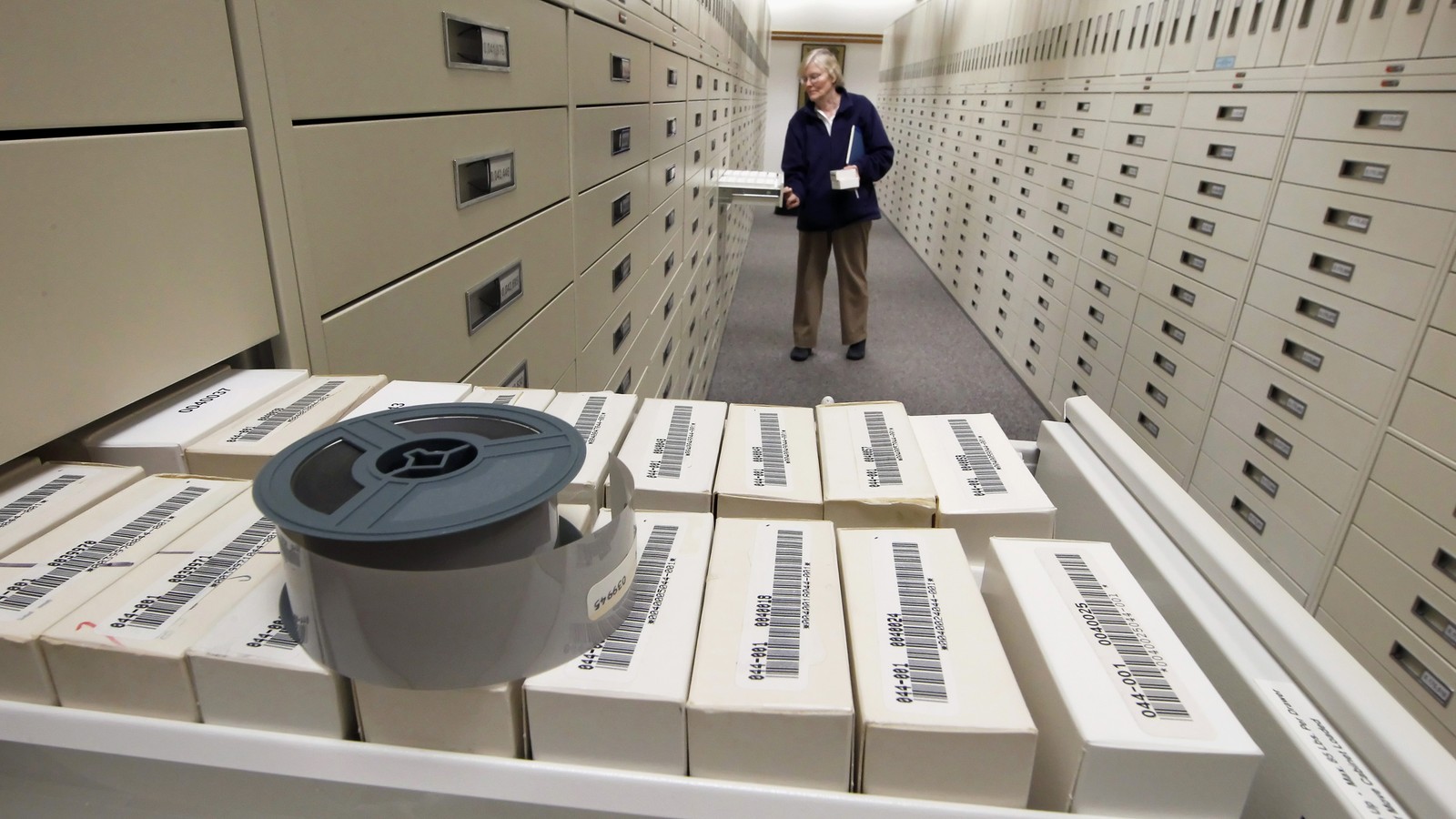
The most reliable starting point is rarely an anonymous tip. It is the unglamorous world of public registries. Land deeds reveal hidden real estate portfolios purchased through blind trusts. Licensing boards document disciplinary actions settled quietly away from civil courts. Court dockets contain discarded exhibits from mundane commercial disputes that inadvertently expose toxic internal cultures or off-the-books liabilities.
Navigating this labyrinth demands an uncompromising grasp of open records legislation and administrative procedure. Bureaucrats frequently deny initial requests on boilerplate exemptions, gambling that the reporter will move on to an easier subject. Overcoming these barriers requires understanding the exact statutory definition of a public record, crafting pinpoint queries that cannot be evaded through semantic loopholes, and appealing denials with statutory precision.
Four proven rules that safeguard investigative breakthroughs
At its operational core, investigative journalism mechanics rely on disciplined protocols that separate verifiable malfeasance from partisan gossip. Without rigid rules, an inquiry collapses under the weight of confirmation bias or external legal pressure. Seasoned investigative teams treat these four fundamental practices as non-negotiable operational standards.
Rule one demands that paper trails corroborate fallible human memory
Whistleblowers provide the spark, but documents provide the steel. Human memory is inherently fragile, subjective, and vulnerable to emotional distortion. A source may genuinely believe they witnessed financial embezzlement when they actually witnessed an unusual but completely legal accounting consolidation. Relying solely on human testimony, no matter how earnest or highly placed the individual, is an invitation to catastrophe.
Every major factual assertion must rest upon documentary corroboration. If a source claims that an industrial plant knowingly discharged chemical runoff into a municipal watershed, the reporter must locate the internal laboratory reports, safety committee meeting minutes, or supply chain purchase orders for the neutralizing agents that were never deployed. Documents do not forget dates, alter their stories under interrogation, or experience changes of heart when threatened with termination.
Rule two builds an uncompromising fortress around source security
Whistleblowers risk their careers, personal relationships, and occasionally their physical safety to expose institutional wrongdoing. Safeguarding their identity is a supreme ethical mandate echoed in the foundational principles of the Society of Professional Journalists Code of Ethics. Carelessness with digital footprints or sloppy note handling can permanently ruin an informant long before an investigation sees print.
Seasoned investigators never communicate with sensitive sources through workplace email addresses, cellular voice networks, or corporate messaging apps. They employ end-to-end encrypted channels on dedicated devices, conduct meetings in neutral locations away from surveillance infrastructure, and scrub document metadata before circulating files internally. While fast-breaking newsrooms lean on rapid triage—a craft detailed in our guide on breaking news verification mechanics and 4 proven rules that prevent costly public panic—investigative desks must operate on an entirely different temporal cadence where operational security supersedes the urge to publish quickly.
Rule three interrogates the hidden motives behind friendly leaks
Information rarely arrives without an agenda. When an insider volunteers a briefcase of unredacted files or points an investigator toward a suppressed audit, the immediate question must not be what the documents say, but why this specific person wants them published right now. Leaks are frequently weaponized by internal factions seeking to sabotage a rival executive, secure a lucrative defense contract, or preempt an even more damaging regulatory revelation.
Recognizing a source’s motive does not mean discarding their evidence. True information remains true regardless of who delivers it. However, identifying that motive alerts the reporter to what might have been deliberately omitted from the cache. If an executive hands over incriminating records concerning a colleague, the investigative team must actively search for the counter-balancing files that the leaker conveniently failed to disclose. These investigative journalism mechanics turn raw whistleblowing into bulletproof legal testimony that survives intense pre-publication scrutiny.
Rule four executes an exhaustive prepublication audit against every syllable
Before an exposé goes to press, the reporting team must conduct a meticulous, line-by-line adversarial audit. In elite newsrooms, this process involves checking every single word, figure, and assertion against a primary source document. If a draft states that an agency official owned three properties in an adjacent county, an auditor must pull the exact county parcel records and physically verify the signatures on each deed.
This phase culminates in the formal confrontation memo, often referred to as a no-surprise letter. The targets of the investigation are presented with detailed, granular summaries of every finding and granted adequate time to respond. This is not merely a legal hedge against defamation claims. It is the final verification test. If the target produces an obscure legal waiver or an internal policy document that disproves an accusation, the story is saved from a catastrophic retraction before the public ever sees it.
How modern data forensics transforms legacy gumshoe reporting
The image of the rumpled gumshoe reporter spending months rifling through dusty archive boxes has not vanished, but it has evolved dramatically into digital data forensics. Today’s most impactful projects examine datasets consisting of millions of rows, tracking everything from international maritime movements to complex campaign finance networks. Data literacy is no longer an optional specialty for the newsroom oddball. It is central to the trade.
Spreadsheets allow reporters to detect systemic patterns that human observers could never spot through anecdotal interviews alone. By cross-referencing public employee overtime databases against building keycard access logs, reporters can pinpoint ghost payroll fraud running across dozens of municipal facilities. By scraping corporate filings across multiple sovereign jurisdictions, international consortia untangle transnational money-laundering schemes designed to defeat traditional single-jurisdiction law enforcement agencies.
Yet, data without contextual street reporting is perilous. Numbers in a database can be mislabeled, entry codes can change between administrative administrations, and software updates routinely corrupt legacy inputs. Quantitative findings must always be validated by physical reporting in the field. Mastering these investigative journalism mechanics protects reporters from defamation lawsuits and preserves public trust when challenging powerful entities.
The enduring defense of open societies
At a time when information moves at the speed of an algorithm and institutional messaging is polished by armies of public relations strategists, the slow, rigorous craft of investigation is often underappreciated. It requires organizational courage, financial stamina, and journalists willing to withstand months of dry, tedious archival work with no guarantee of a usable story at the finish line.
Yet without this deliberate, methodological pressure, power operates entirely unchecked. Public institutions rot from within when shielded from scrutiny, and corporate malfeasance thrives in the shadows of public indifference. Ultimately, solid investigative journalism mechanics stand as an indispensable civic shield, holding systemic overreach accountable through sheer methodological discipline.