Cast iron seasoning mechanics and 4 proven rules that build flawless nonstick cookware
Transform rough black metal into an indestructible nonstick surface using foundational culinary physics. Discover how molecular polymerization and temperature control eliminate kitchen frustration forever.
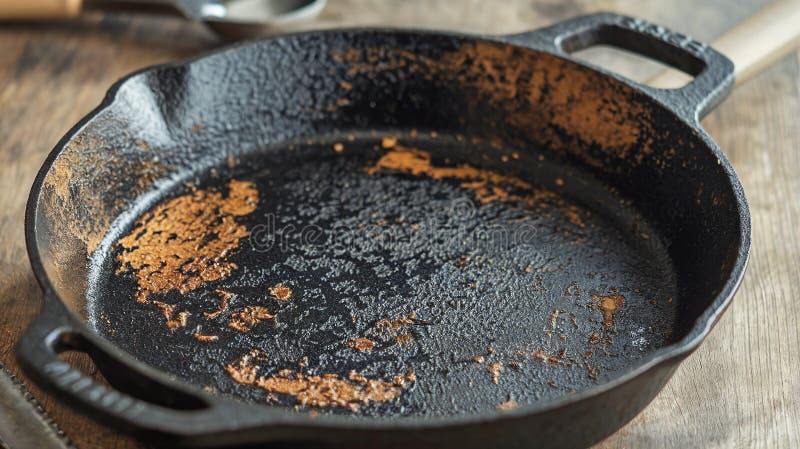
Mastering cast iron seasoning mechanics transforms an ordinary heavy skillet into a slick, heirloom-grade cooking instrument capable of releasing delicate eggs with effortless grace. Generations of kitchen folklore have shrouded this humble piece of cast iron in superstitious anxiety, convincing cooks that a single drop of soap or an accidental water droplet will destroy years of effort. The reality is far more forgiving and infinitely more fascinating. Seasoning is not a fragile coat of dried grease waiting to be washed away; it is a tough, engineered polymer bonded directly to crystalline iron.
When you understand the exact physical and chemical forces at play inside the oven and on the stovetop, you stop guessing. You no longer need to tiptoe around your skillet or wonder why your seasoning turns sticky, chips into black specks, or develops rusty patches after an evening meal. By treating your pan as a responsive metallurgical substrate rather than an inscrutable antique, you gain complete control over its surface behavior, durability, and daily nonstick efficiency.
The Molecular Alchemy of Oil Polymerization and Carbon Bonding
Look at raw cast iron under a microscope and you will see that it resembles a jagged lunar landscape rather than a polished mirror. The metal is poured into sand molds, leaving behind millions of microscopic fissures, jagged carbon peaks, and open pores. If you place a cold, raw cut of protein onto this unseasoned topography, expanding meat fibers sink into those microscopic crags, form chemical bonds with bare metal ions, and cement themselves to the pan. Searing turns into tearing.
At the microscopic level, cast iron seasoning mechanics rely on thermal polymerization rather than simple oiling. When liquid fats are exposed to prolonged heat and oxygen, fatty acid chains break down through autoxidation. The molecules cross-link with one another, weaving short liquid hydrocarbons into expansive, three-dimensional solid matrices. Research highlighted by the American Chemical Society chemistry insights confirms that heating polyunsaturated fats past their smoke point induces thermal autoxidation, transforming liquid lipids into tough plastic-like polymers.
This newly formed polymer does not simply rest on top of the pan. It forms intimate mechanical anchor points within the microscopic valleys of the iron. Subsequent heating rounds add microscopic layers of carbonized matter, filling voids until the jagged surface transforms into a glass-smooth floor. The resulting dark glaze is insoluble in water, impervious to mild detergents, and mechanically resilient enough to deflect metal spatulas.
Why Most Kitchens Botch the Fundamental Fat Selection
The culinary internet remains flooded with debates regarding which oil produces the ultimate skillet finish. Enthusiasts frequently advocate for exotic drying oils like pure cold-pressed flaxseed oil, citing its high concentration of linolenic acid. While flaxseed oil does polymerize rapidly into an exceptionally hard film, that extreme hardness presents a fatal drawback. Without sufficient elasticity, a brittle polymer coat cracks and flakes off in large sheets under the rapid thermal expansion of daily stovetop cooking.
Navigating oil selection is the foundation of dependable cast iron seasoning mechanics because smoke points and iodine values dictate polymer durability. Fats with excessively low iodine values, such as beef tallow or butter, contain high ratios of saturated fatty acids that struggle to cross-link into a resilient polymer matrix. They leave pans feeling greasy rather than slick. Conversely, oils that are too fragile create an eggshell surface that shatters during rough scraping.
The sweet spot lies in everyday, moderately unsaturated cooking oils possessing neutral refining profiles and elevated smoke points. High-quality grapeseed oil, standard vegetable oil, and pure refined canola oil provide the optimal balance of linoleic and oleic fatty acids. They polymerize thoroughly without turning excessively brittle, providing a resilient baseline that can flex as the iron beneath contracts and expands across wide temperature swings.
Four Proven Rules That Engineer an Indestructible Skillet Surface
When home cooks respect foundational cast iron seasoning mechanics, everyday culinary friction vanishes in favor of consistent, high-heat performance. Building an impenetrable seasoning layer does not require arcane rituals or multi-day baking marathons. It demands surgical discipline across four non-negotiable operational rules.
Apply Oil Thin Enough to Look Completely Dry
The single most destructive mistake cooks make is leaving excess liquid fat in the pan before heating. Seasoning is a multi-layered nano-scale laminate, not a thick varnish. If you pour oil into a warm skillet and leave a visible puddle or glossy sheen, the heat cooks the liquid oil from the outside while the bottom layer remains insulated. The result is a gummy, amber-tinted sludge that traps dust, smells rancid, and ruins your pan surface.
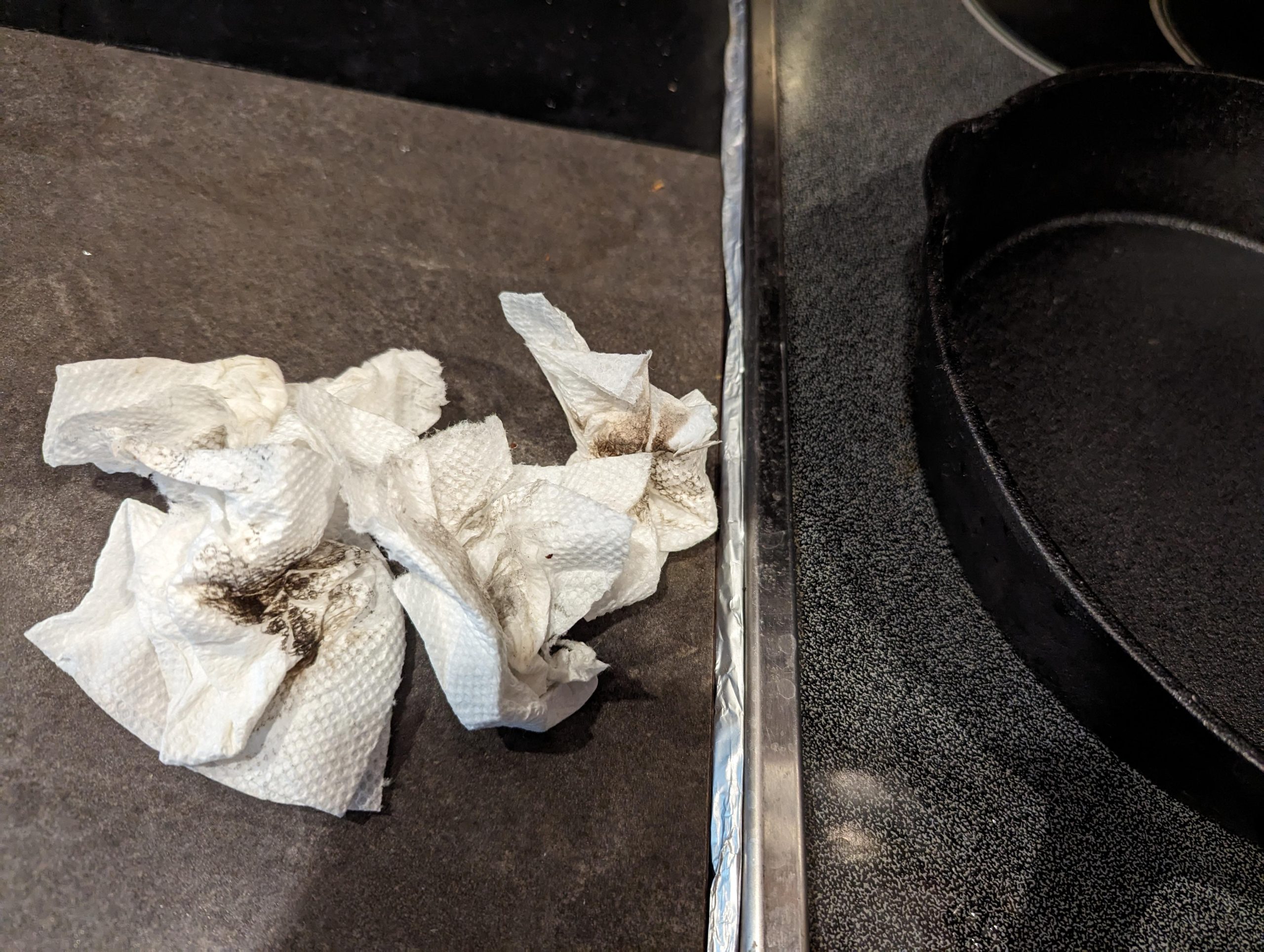
Applying ultra-thin lipid coatings sits at the very heart of durable cast iron seasoning mechanics, guaranteeing that heat penetrates evenly. Pour roughly half a teaspoon of oil into the warm iron, rub it vigorously into every square centimeter with a shop towel, and then take a completely clean, dry cotton cloth to wipe the skillet out as if you made an accidental spill. You must polish the metal until it looks completely matte. The microscopic trace amount of oil remaining trapped in the iron pores is the exact volume required for flawless polymerization.
Bake Beyond the Smoke Point for Total Polymerization
Fats cannot cross-link into resilient carbonized networks if the thermal energy remains below their decomposition threshold. Stopping the heat prematurely halts autoxidation midway, producing a sticky semi-solid sludge instead of a hardened glaze. You must push past the smoke point to force volatile organic compounds out of the lipid matrix, leaving behind only the carbon-rich polymer backbone.
Place the wiped-dry skillet upside down inside an oven heated to roughly twenty-five degrees above the specific oil smoke point. For grapeseed or canola oil, this means baking at 230 degrees Celsius (450 degrees Fahrenheit) for a full sixty minutes. Turning the pan upside down prevents any overlooked droplet from pooling on the cooking floor. Let the iron cool down slowly inside the closed oven so the newly formed crystalline polymer settles without thermal shock stress.
Preheat Slowly to Prevent Microscopic Heat Fractures
Cast iron is an exceptional heat sink, but it is a mediocre heat conductor compared to aluminum or rolled copper. Placing a cold skillet immediately over a roaring gas flame or induction burner creates severe localized thermal gradients. The metal directly over the burner expands aggressively while the outer rim remains cold and rigid, generating immense internal shearing force.
This thermal shock not only risks warping or cracking the casting itself, but it also compromises the microscopic bond between your seasoning layer and the underlying metal crystals. Spend five to eight minutes warming your skillet over low heat before turning the dial to searing temperatures. As the base absorbs energy gradually, heat distributes evenly outward, allowing the iron substrate and the polymer glaze to expand in unison.
Clean Aggressively With Mild Surfactants Without Fear
The pervasive taboo against washing cast iron stems from nineteenth-century lye-based soaps that chemically digested organic fats. Modern dishwashing detergents are synthetic surfactants designed to encapsulate free-floating surface oils without altering cured polymers. Leaving burnt carbon residues, food debris, and degraded cooking grease on a pan does not build seasoning; it creates an unsanitary, carbonaceous crust that eventually peels away under your food.
Scrub your skillet after every use using warm water, a non-scratch scrub pad or chainmail scrubber, and mild dish soap. Remove every burnt carbon particle until the cooking surface feels silky and uniform under your fingertips. Rinse the metal, dry it thoroughly on a warm stovetop burner for two minutes to vaporize residual moisture, and rub an invisible wipe of fresh oil onto the warm surface before putting it away.
Troubleshooting Sticky Residue and Acid Corrosion in Real Time
Even seasoned veterans encounter cookware anomalies when cooking acidic ingredients or misjudging burner heat. A long reduction of wine, tomato paste, or citrus sauce can corrode bare iron sites if the seasoning laminate is young or unevenly cured. The acid hydrolyzes weak bonds in under-polymerized layers, yielding a metallic aroma and pale, dull patches along the pan bottom.
Just as rigorous investigation requires separating folklore from verified evidence—a mindset deeply explored in the guide to news verification mechanics and 4 proven rules that prevent catastrophic reporting errors—restoring vintage cookware demands factual chemistry over old wives’ tales about dish soap. You do not need to take power tools or wire wheels to a pan that looks slightly degraded. If the surface becomes sticky from excessive oil, place it back in the oven at high heat for another hour to finish cross-linking the gummy remnants.
Even when a pan turns gummy or dull, basic cast iron seasoning mechanics offer a predictable diagnostic roadmap for immediate revival. If surface acid has etched the seasoning down to bare grey metal, scour the affected zone with coarse kosher salt and a splash of water to level the rough edges. Dry the pan completely, apply an invisible layer of oil, and perform a quick twenty-minute stovetop cure over medium-high heat until the exposed metal darkens and blends into the surrounding glaze.
Long Term Care Rituals That Protect Generational Cookware
A cast iron skillet is never truly finished; it is a living culinary surface that evolves with every meal you prepare. While dedicated oven cures build a foundational baseline, the thickest, slickest seasoning layers develop through routine high-heat cooking. Frying potatoes, searing dry steaks, baking cornbread, and blistering vegetables deposit microscopic layers of carbonized fat every time the metal warms.
Avoid boiling plain water or steaming vegetables in newly seasoned pans during their first few months of active rotation. Water vapor can find tiny microscopic pinholes in young polymers and prompt oxidation on the bare metal underneath. Prioritize dry, lipid-rich cooking methods until the dark patina transitions from a bronze tint into a deep, obsidian black finish.
Practicing sound cast iron seasoning mechanics bridges rustic culinary tradition and modern food science, turning bare metal into a generational kitchen treasure. Cast iron rewards patience, discipline, and understanding. When you eliminate guesswork, honor molecular chemistry, and maintain your equipment with calm confidence, that heavy skillet will effortlessly outlive every modern synthetic pan in your home.