Apple Store Rush Sparks 4 Crucial Moves to Secure the New iPhone Duo
A sudden surge in traffic hit Apple retail channels as buyers scrambled to configure orders ahead of the iPhone Duo deadline. Here is the operational breakdown behind the scramble and how the digital queue works.
Millions of eager consumers flooded the official Apple Store platform this morning as Cupertino established hard deadlines for its most radical mobile hardware transition in nearly a decade. The sudden flurry of activity across the United Kingdom and global markets follows a formal announcement introducing the iPhone Duo, an ambitious product reveal that represents Cupertino’s latest push into dual-screen mobile computing. With pre-order windows opening on an aggressive schedule, retail servers recorded massive traffic spikes as prospective buyers rushed to configure their devices and lock in purchasing credentials before digital queues solidify.
According to reports from 9to5Mac and MacRumors, Apple instituted a strict cutoff deadline for its preparatory checkout workflows, forcing customers to finalize their payment methods, trade-in valuations, and carrier financing agreements ahead of the official launch window. This pre-configuration mechanism, known internally as the Get Ready phase, gives registered shoppers an accelerated path through checkout when the digital doors formally swing open. However, missing that precise preparatory window introduces significant delays, potentially pushing shipping estimates from launch day back by several weeks.
The sudden surge in interest caught broader consumer attention when search queries centered on retail availability spiked across England, Scotland, and Wales. Shoppers faced unexpected prompts urging them to complete verification routines before regional inventory locks into place, directing millions of prospective buyers straight to the Apple Store digital portal to secure their place in the logistical pipeline.
The Midnight Cutoff and the Digital Line at Cupertino
For years, product pre-orders followed a predictable, chaotic pattern characterized by crashed checkout pages, stalled shopping bags, and frozen credit card authorisations. In response, Apple rebuilt its retail architecture to front-load the administrative burden of buying a flagship device. The current pre-order architecture enables buyers to select their specific storage tier, choose their preferred finish, verify carrier status, and receive pre-approval for hardware installments well in advance of the product actually going live.
As documented by MacRumors, Apple set an explicit deadline for this staging phase, shutting down the Get Ready workflow several hours prior to the official pre-order start time. Once that cutoff passes, the backend infrastructure closes configuration options entirely, effectively freezing customer carts while engineering teams balance regional server nodes and finalize initial shipment allotments across distribution hubs.
This strict operational boundary explains why retail traffic escalated so rapidly. Buyers who failed to set up their pre-orders before the published cutoff must navigate the general queue alongside millions of unverified shoppers, dramatically increasing the friction of the transaction and risking immediate backorders. By transforming pre-orders into a two-stage operational procedure, Apple shifted the traditional launch-day scramble into a preliminary administrative race.
Hardware Stacking From iPhone Duo to the HomeView Display
The intense traffic across Cupertino’s digital storefront is not occurring in a vacuum. Just forty-eight hours before the iPhone Duo pre-order announcement, Apple surprised industry analysts by unveiling the HomeView smart display, a dedicated $299 smart home controller, as detailed by 9to5Mac. The rapid sequencing of these releases created unprecedented compound traffic, placing fresh pressure on Apple Store infrastructure across Europe and North America as two distinct consumer demographics converged on the same transaction channels simultaneously.
While the HomeView smart display represents an aggressive attempt to command the domestic ambient computing market, the iPhone Duo marks a profound transformation in personal mobility. According to Apple Newsroom, the company positioned the dual-display device under the banner of opening up to new possibilities, signaling that the hardware bridges traditional smartphone form factors with tablet-grade productivity workflows.
When major technology firms implement systemic architectural changes to hardware pipelines, consumer behavior shifts rapidly across international retail corridors. Just as cultural and geopolitical policy changes trigger ripple effects across sovereign borders, analyzed thoroughly where the Azerbaijan School Hijab Ban Triggers 4 Major Crises Across Baku and Ankara, sudden shifts in flagship hardware ecosystems generate immediate friction across global logistics networks. When hundreds of thousands of users attempt to purchase high-value technology simultaneously, minor software bottlenecks can translate into massive operational delays.

4 Critical Preparations Buyers Must Complete Before Pre-Orders Open
Navigating modern hardware releases requires precise execution rather than casual browsing. TechRadar outlined an actionable framework detailing the operational measures required to secure launch-day delivery rather than suffering multi-week delivery slippages. Implementing these four steps determines whether an order is processed instantly or delayed by administrative verification failures.
Lock Down Financing and Carrier Verification Early
Carrier connection remains the single largest point of failure during high-volume digital checkouts. Buyers intending to finance their devices through wireless network agreements must ensure their account details, personal identification numbers, and primary account holder privileges are verified before the queue opens. Bypassing this preliminary verification forces Apple checkout servers to contact third-party carrier databases during peak load, an external network dependency that frequently times out when thousands of requests strike network gateways concurrently.
Secure Accurate Trade-In Valuations Through the Official App
Trade-in quotes fluctuate based on device condition and retail promotions, making real-time appraisal during checkout an unnecessary risk. By saving a pre-configured cart inside the Apple Store mobile application, users freeze their quoted trade-in value, preventing recalculation errors during server spikes. Furthermore, completing this step generates the return kit paperwork automatically, ensuring that promotional trade-in credits apply directly to monthly installment billing without requiring manual post-purchase intervention.
Configure Default Payment and Shipping Destinations
Relying on manual credit card input during a high-stakes checkout process almost guarantees inventory loss. Apple Pay remains the fastest pathway through retail processing nodes because it eliminates the need for dynamic card verification value validation and external banking redirect screens. Verifying default shipping addresses and billing contacts inside the account profile ensures that the transaction completes in a single biometric confirmation, entirely bypassing standard merchant payment gateways.
Beat the Strict Get Ready Cutoff Window
The definitive factor separating launch-day recipients from backordered customers is adherence to the staging cutoff window. As confirmed by both 9to5Mac and MacRumors, Apple systematically closes the preparation workflow hours before the actual pre-order trigger time. Customers must assemble their shopping bag, receive soft credit approvals, and lock in device configurations well ahead of this digital curfew, because once the portal enters maintenance mode, no adjustments can be introduced until pre-orders launch globally.
Why UK Search Traffic Spiked Ahead of the Queue
The sudden concentration of search volume across the United Kingdom reflects specific regional dynamics governing modern consumer electronics distribution. Unlike domestic United States releases where carrier subsidies dominate retail behavior, UK buyers frequently purchase high-end smartphones unlocked directly through corporate retail channels to leverage flexible European SIM contracts. Consequently, British shoppers rely far more heavily on direct manufacturer pipelines than on telecom carrier stores.
Currency fluctuations and post-Brexit import handling have also heightened sensitivity around launch-day pricing and allocation caps. When Apple revealed the pre-order timeline for the iPhone Duo, UK consumers quickly realized that local distribution centers maintain tighter physical inventory buffers compared to larger continental warehouses. This geographical scarcity catalyzed urgent queries, driving queries for the Apple Store to unprecedented levels across the United Kingdom as prospective owners sought clarity on trade-in terms and fulfillment estimates.
Furthermore, the overlapping rollout of the $299 HomeView smart display compounded retail interest. Many British smart home enthusiasts sought to combine their purchases or evaluate how the new dual-screen mobile hardware interacts with Apple’s emerging domestic platform, generating an unusual surge in mid-week retail exploratory browsing that overwhelmed local support forums and community channels.
The Strategic Evolution of Modern Digital Storefronts
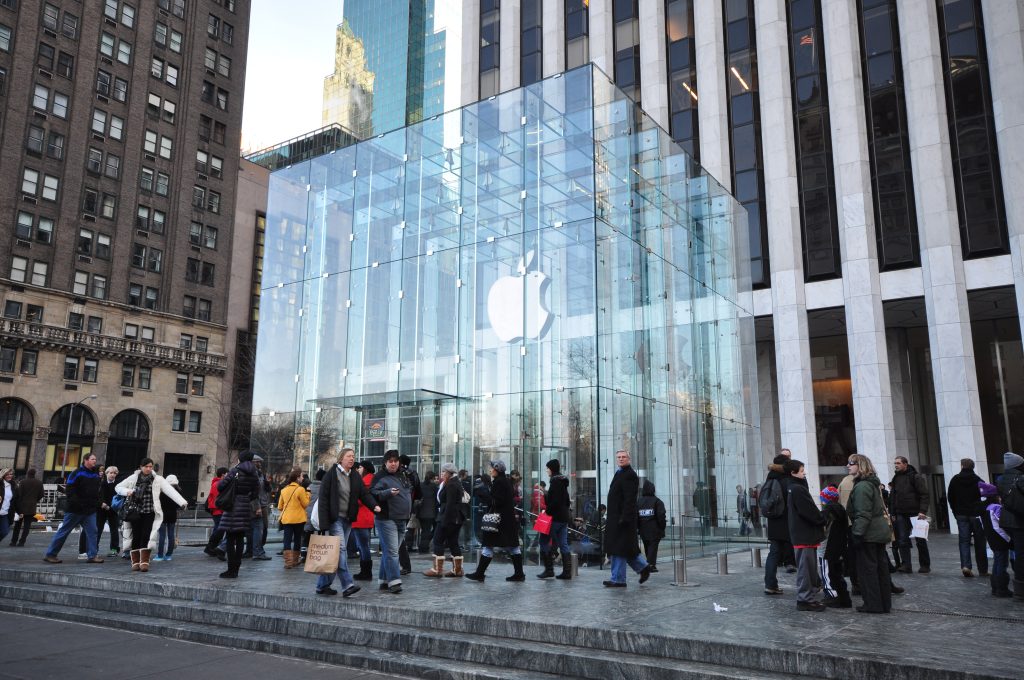
The logistical infrastructure underlying global consumer launches has evolved far beyond the days when crowds physically pitched tents outside flagship locations on Regent Street or Fifth Avenue. While physical flagship locations still serve as experiential marketing hubs, the modern Apple Store operates as a high-frequency algorithmic clearing house designed to process hundreds of thousands of transactions per second across heavily distributed cloud architectures.
By forcing customers through structured preparation funnels, Cupertino effectively decentralizes server stress over several days rather than absorbing a catastrophic distributed denial of service event during a thirty-second launch window. The introduction of the Get Ready protocol represents a masterclass in queue management, turning impatient consumer energy into orderly, pre-authenticated transaction packets ready for instantaneous execution.
As the countdown to the iPhone Duo pre-order concludes, the retail apparatus faces its most critical hardware stress test since the introduction of the first all-screen form factors. For consumers, navigating this technical landscape requires precision, early preparation, and strict adherence to administrative cutoffs. Those who executed their configurations prior to the deadline will see their hardware dispatch promptly, while those who hesitated will watch shipping dates drift deeper into the coming months.