Newsroom Verification Mechanics and 4 Proven Rules That Expose Costly Media Hoaxes
When breaking events flood digital channels with conflicting claims and synthetic media, raw speed becomes a dangerous liability. Discover the forensic newsroom verification mechanics that separate verified truth from catastrophic editorial blunders.
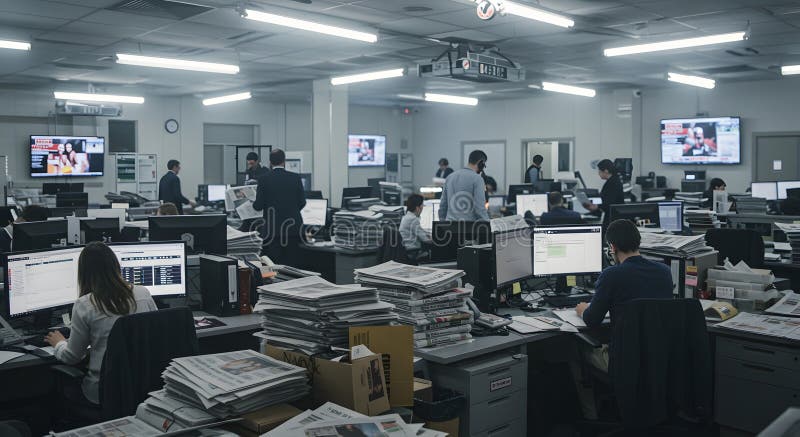
Understanding real newsroom verification mechanics separates credible journalism from reckless amplification when chaotic breaking events flood modern digital channels. In an environment where any smartphone can broadcast live footage and synthetic generation tools fabricate plausible official statements within seconds, the opening minutes of a crisis are fraught with landmines. The historic urge to be first collides violently with the mandate to be accurate. When an erroneous alert can destabilize financial markets or incite public panic, verification is no longer an administrative footnote performed right before publication. It is the core intellectual combat of the newsroom.
Journalism was once defined almost exclusively by access—who had the direct phone numbers of cabinet ministers, police commanders, and corporate whistleblowers. Today, access is democratized, weaponized, and frequently forged. Information reaches assignment desks not in measured drips from trusted wire tickers, but as an overwhelming torrent of scraped video clips, unvetted social media claims, leaked documents of dubious origin, and coordinated astroturfing campaigns designed to deceive reporters under deadline pressure. Navigating this labyrinth demands far more than journalistic intuition. It requires a repeatable, forensic operational doctrine.
The Fragile Architecture of Fast Information
Speed creates an intoxicating illusion of competence. In the frantic opening minutes of an unfolding crisis, the news ecosystem functions like an echo chamber with a megaphone attached. A single unverified post on an open platform gets quoted by an online aggregator, cited by a regional affiliate, and suddenly appears on national broadcast chyrons as confirmed fact. This cycle of churnalism bypasses the essential skepticism upon which investigative reporting was founded. The underlying architecture of digital news distribution rewards velocity over veracity, creating systemic vulnerabilities that bad actors exploit with surgical precision.
When editors abandon strict newsroom verification mechanics, even seasoned reporters fall prey to synthetic media and weaponized leaks. Sophisticated disinformation does not announce itself with cartoonish distortions. It slips into existing editorial blind spots, mimicking the precise font, filing conventions, and bureaucratic vocabulary of genuine corporate press releases or government statements. Reporters who rely on surface-level visual checks or single-source confirmations become unwitting vectors for falsehoods. Reversing this degradation requires introducing structural friction into the reporting pipeline. Friction is not the enemy of breaking news; it is the sole protective barrier keeping a masthead from self-destruction.
Four Proven Principles That Guard Journalistic Truth
Applying modern newsroom verification mechanics requires treating every incoming file, video, and claim as an adversarial puzzle. The objective is never simply to ask whether a piece of evidence looks authentic, but rather to interrogate how it came into existence, who benefits from its circulation, and whether physical laws corroborate its claims.
Reverse Tracing the Digital Chain of Custody
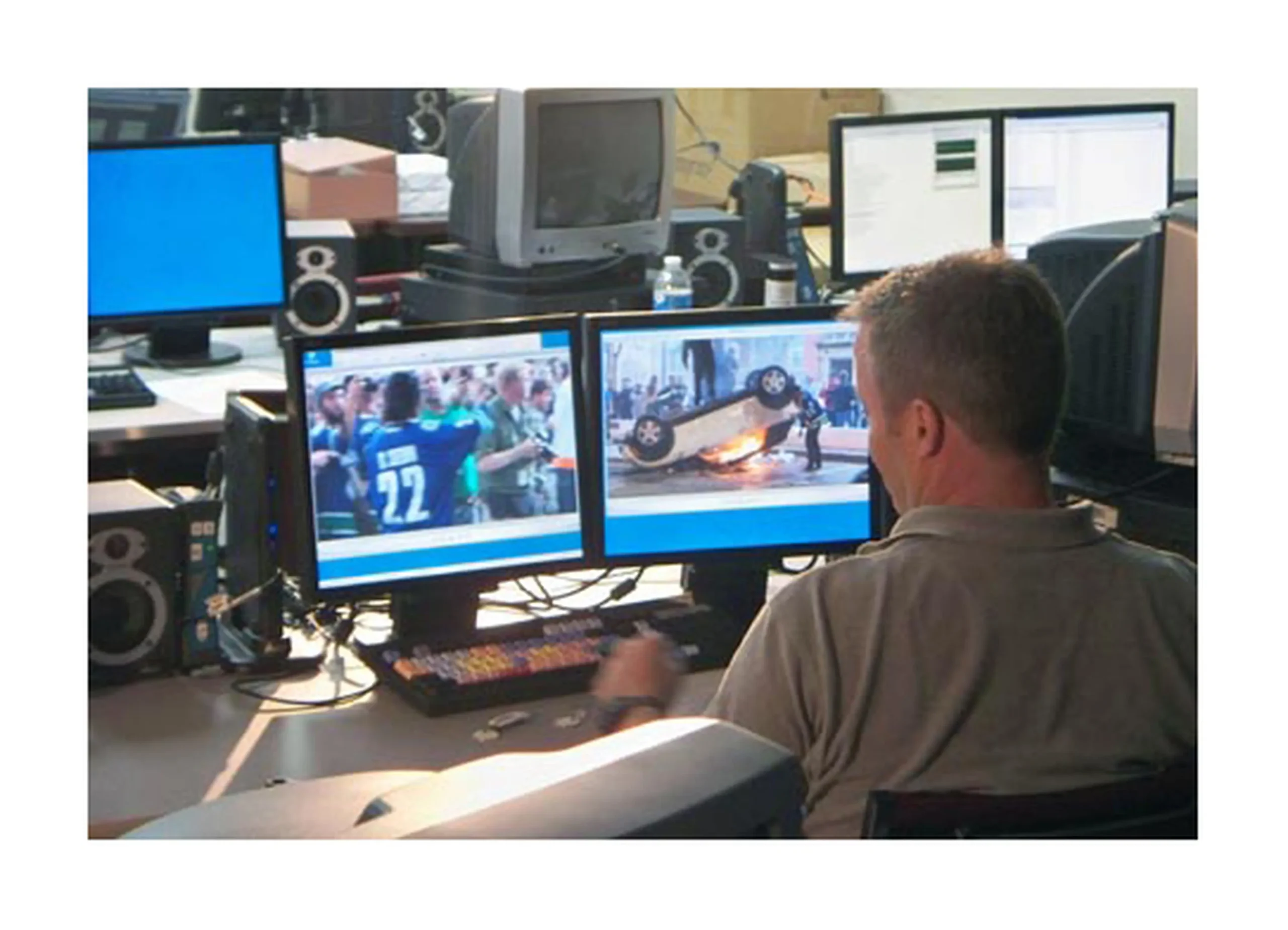
Every digital artifact leaves a trail, yet breaking news desks routinely make the catastrophic mistake of evaluating scraped or re-uploaded media. When an explosive video showing an industrial disaster or street skirmish surfaces, the first imperative is finding patient zero—the earliest instance of the file appearing anywhere online. Scraped videos lose their native exchangeable image file format data, commonly known as EXIF metadata, as social platforms strip timestamps, camera serial numbers, and geographic coordinates during server-side compression.
Forensic verification desks counter this by deploying reverse image search engines, cross-referencing thumbnail caches, and tracing unique file hashes across decentralized networks. Tracking a file back to its primary uploader often reveals that what was promoted as live footage from an active conflict is actually repurposed video from a military exercise conducted years earlier in another hemisphere. Establishing the authentic chain of custody ensures that reporters analyze original evidentiary material rather than third-generation digital counterfeits.
Corroborating Primary Eyewitness Accounts Without Contamination
Human memory during catastrophic stress is notoriously malleable, making eyewitness testimony both indispensable and perilous. A bystander who genuinely believes they saw an event may have absorbed key narrative details from nearby crowds or mobile notifications during the chaotic aftermath. Professional desks maintain a strict operational distinction between primary observers who witnessed an event directly and secondary commentators repeating secondhand hearsay.
Interviewers must actively avoid contaminating witness recall. Posing leading questions such as asking whether a suspect was wearing a specific color jacket introduces subconscious bias into the record. Instead, investigators ask open-ended questions, requesting spatial descriptions of where the subject stood, what sounds preceded the commotion, and what obstacles blocked their line of sight. By independently interviewing multiple disconnected witnesses before their stories coalesce into a shared narrative, reporters isolate true points of convergence while discarding sensational embellishments.
Stress Testing Documents Against Bureaucratic Architecture
Leaked memos, classified dockets, and confidential executive communications are frequent engines of explosive scoops. Yet bad actors routinely manufacture forged documents to manipulate financial markets or derail political campaigns, which is why rigorous newsroom verification mechanics require cross-checking typography, registration numbers, and administrative protocols against known genuine specimens. A forged document often reveals itself through subtle administrative blunders: an obsolete department seal, a tracking code format that does not match standard bureaucratic filing systems, or inconsistent metadata within the document container.
Beyond physical and digital traits, reporters must verify the bureaucratic trajectory of the document itself. Does the official who supposedly authored the memo possess the legal authority to sign such a directive? Was the document routed through mandatory inter-agency channels before receiving its stamp? Contacting institutional archivism specialists or studying Reuters Institute research on news reliability and editorial workflows highlights that institutional verification often hinges on mundane procedural audits rather than dramatic whistleblower confessions. When administrative protocols do not align with institutional norms, the leak must be treated as contaminated until proven otherwise.
Triangulating Satellite Data with Environmental Clues
When claims originate from inaccessible combat zones or closed regimes, journalists cannot send field correspondents to inspect the scene. Open-source intelligence techniques bridge this gap through environmental triangulation. High-resolution commercial satellite imagery provides an immutable baseline against which claims can be measured. By matching terrain features, building footprints, road layouts, and tree lines seen in ground-level video against orbital passes, reporters establish indisputable geographic certainty.
This spatial verification is paired with chronolocation—the forensic science of determining exact time through environmental physics. Analyzing the length and angle of shadows cast by light poles or buildings allows investigators to calculate the exact azimuth and elevation of the sun at the moment of recording. When these calculations contradict the claimed time of an event, or when historical weather records show clear skies on a day a viral video depicts drenching rain, the alleged narrative collapses under the weight of physical science.
Subtle Editorial Traps That Break Investigative Integrity
A breakdown in newsroom verification mechanics often stems from the seductive pull of confirmation bias. When a breaking development aligns perfectly with an investigative reporter’s preexisting hypothesis or matches the editorial stance of a publication, critical faculties naturally drop their guard. This phenomenon is particularly dangerous during fast-moving political cycles where competing interests constantly float weaponized leaks. When scrutinizing high-stakes political races, as explored when Michelle Tafoya Faces 4 Crucial Shifts in a Tight Minnesota Senate Clash, reporters cannot merely transcribe campaign pronouncements; they must interrogate underlying data and sourcing before echoing claims.
Another treacherous trap is reliance on single-source verification under the guise of an exclusive scoop. Anonymous insiders, regardless of their past reliability, carry their own agendas, blind spots, and factional allegiances. Elevating an uncorroborated leak to banner-headline status without independent paper trails or second-source confirmation exposes the entire newsroom to severe reputational damage. The competitive terror of getting beaten by a rival outlet frequently prompts editors to greenlight stories on the shaky defense that others are reporting it. Aggregation is not corroboration; multiplying an error across five networks does not convert it into truth.
Institutionalizing Verification into Daily Newsroom Habits
Editorial accuracy cannot depend solely on the heroic diligence of individual reporters working in isolation. It must be woven into the bureaucratic infrastructure of the publication itself. Leading newsrooms implement pre-publication verification checklists that mandate specific evidentiary thresholds before any high-impact assertion can move to copy editing. These protocols specify precisely how many independent sources must verify a claim, who must review technical metadata, and what legal reviews must take place before hitting publish.
Mastering these newsroom verification mechanics transforms an editorial desk from a passive megaphone into an active forensic filter. Audiences do not ultimately remember which digital outlet published an unsubstantiated rumor ninety seconds ahead of everyone else. They remember which organization consistently told the truth when confusion reigned. In an informational ecosystem increasingly polluted by automated deception, the most radical and competitive advantage a newsroom possesses is uncompromising verification rigor.