Film score leitmotif mechanics and 4 proven rules that forge unforgettable cinema
Great film scores do not merely accompany drama; they manipulate memory and emotion through precise thematic architecture. Uncover how recurring musical motifs bypass conscious thought to create timeless cinematic storytelling.
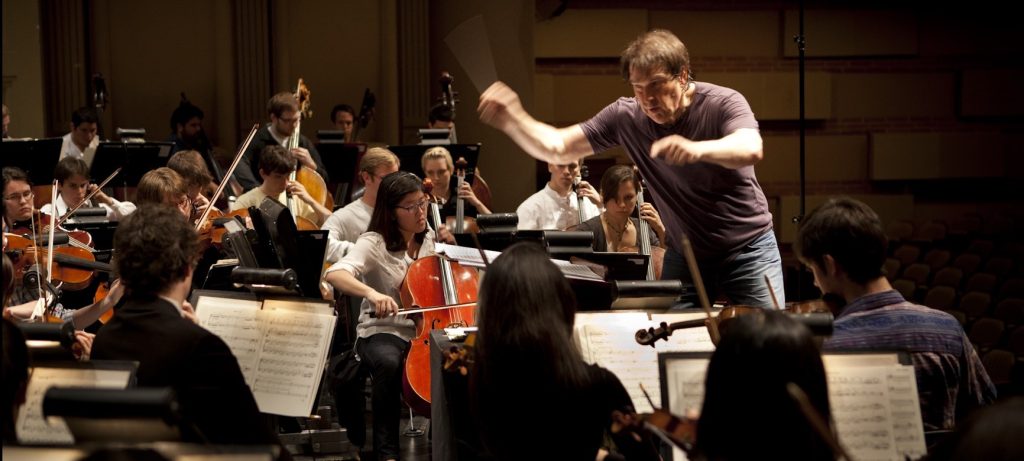
Mastering film score leitmotif mechanics requires understanding how tiny fragments of melody rewire an audience’s nervous system without their conscious awareness. When an iconic theme whispers through a darkened theater, viewers do not merely register acoustic sound waves. They experience an involuntary tightening in the chest, a sudden wave of dread, or an unearned surge of nostalgic triumph. This visceral response is neither serendipitous luck nor sentimental accident. It represents an exacting feat of narrative engineering, forged in nineteenth-century opera and refined across a century of cinematic storytelling.
Screen music rarely succeeds when it acts as an obedient pet trotting behind the picture, mimicking every visual beat. Effective cinematic composition operates as an invisible narrator possessing secret knowledge about what characters fear, cherish, or conceal. The leitmotif—a compact, recurring musical phrase bound to a distinct character, dramatic theme, physical setting, or philosophical concept—serves as cinema’s ultimate emotional compass. When dissected into its foundational moving parts, this artistic discipline functions with the calibrated precision of fine clockwork.
The Acoustic Architecture of Narrative Memory
To understand how thematic musical fragments seize human memory, one must explore how the mind decodes auditory patterns in real time. The human brain is a compulsive pattern recognition machine, rapidly categorizing intervals, metric cadences, and harmonic contours. When a composer binds a distinct musical motif to an on-screen presence, the audience creates an instinctive neural link. Through film score leitmotif mechanics, a bare three-note progression ceases to be an academic arrangement of frequencies and transforms into a living dramatic identity.
Historic research preserved by The Film Music Society historical research archives illustrates how early dramatic scoring moved past simple mood enhancement toward intricate, character-specific thematic tapestries. Mood music functions like temporary wall paint, shifting shades to reflect fleeting tension before disappearing into the background. A true thematic motif, however, exhibits an organic life cycle. It is introduced, tested by dramatic trials, fractured under pressure, and reborn alongside the protagonist. If a production treats its musical themes like rigid corporate logos pasted onto scenes whenever someone appears, the narrative collapses into cartoonish monotony. True magic occurs when the musical theme shifts while keeping its essential DNA intact.
The Psychoacoustics Behind Thematic Recall
Every memorable cinematic theme depends on psychoacoustic tension and release. The human ear continually anticipates what comes next, predicting pitch resolution, tempo shifts, and dynamic swells based on deeply ingrained acoustic conditioning. Master composers manipulate these baseline expectations through calculated rhythmic pauses, harmonic subversions, and subtle shifts in tonal density. In a brilliantly scored scene, the audience perceives emotional resolution a heartbeat before the instruments complete the phrase.
Striking this balance requires rigorous structural equilibrium. Just as culinary masters know that foundational balance requires careful technical handling—much like how Emulsion stability mechanics and 4 proven rules that prevent disastrous broken sauces govern the fragile equilibrium between fats and liquids—scoring artists recognize that narrative power depends on acoustic proportions. An over-orchestrated thematic statement suffocates intimate dialogue, while a weak musical phrase fails to carry epic screen stakes. The emotional gravity of a film lives within these sonic ratios, demanding an instinct for timing and tonal weight that few ever master.
Four Proven Principles That Elevate Musical Themes Across Cinema
Composing an enduring thematic statement requires strict artistic discipline rather than wandering creative impulse. Composers who study film score leitmotif mechanics rely on foundational principles to make sure their musical themes serve story development rather than competing against the picture.
Melodic Distillation and Rhythmic Identity
An effective cinematic motif must remain unmistakable even when stripped of all orchestration, harmony, and dynamic polish. The greatest themes in film history can be whistled by an untrained child or tapped out on a single wooden tabletop. This staying power comes from an uncompromising rhythmic profile rather than complex pitch acrobatics. Consider an ominous two-note pulse alternating in a relentless march, or an ascending brass call that instantly cuts through explosive sound effects.
When a melody demands thirty bars of elaborate counterpoint before establishing its core identity, it cannot function as a flexible cinematic device. Master composers strip their themes down to lean musical molecules, often containing between two and six notes. This economy gives the composer dramatic agility, letting the motif thread through conversational lulls, frenetic chase sequences, or silent character glances without overwhelming the dramatic frame.
Harmonic Recontextualization Across Character Arcs
A static musical theme belongs in an advertising commercial, not across a rich narrative journey. The true power of film score leitmotif mechanics reveals itself when a familiar melody survives drastic harmonic shifts to reflect a character’s internal transformation. A bright major-key brass fanfare heard during an idealistic hero’s youth can be dragged through mournful minor-key suspensions when that same character falls into bitter cynicism or moral decay.
By transforming the harmonic foundation beneath the melody while preserving its rhythmic profile, the composer reveals psychological shifts that the script cannot explicitly state. The protagonist may speak calm words of confidence, yet a dissonant bass pedal note informs the audience that terror is unraveling their resolve. This harmonic friction creates dramatic irony, offering viewers a direct window into the character’s internal conflicts that defies outward appearances.
Timbral Migration and Instrument Characterization
Instruments carry emotional connotations that reach well beyond their pitch registers. A motif played on an unaccompanied English horn conveys quiet isolation, whereas the same intervals blasted across eight unison French horns express unstoppable military dominance. Through intentional timbral migration, composers migrate a theme between different instrument families to signal shifting power balances, hidden allegiances, or mortal danger.
When a delicate woodwind melody unexpectedly returns within distorted analog synthesizers or violent metallic percussion, the audience senses profound narrative change without requiring dialogue. The physical grain of the sound bypasses intellectual processing entirely. It strikes the listener on a sensory level, grounding thematic transformation in physical sound reality. A composer who understands timbral weight can dismantle a character’s heroic facade with a single raspy cello bow, reordering the audience’s emotional allegiance in seconds.
Subconscious Masking and Dynamic Restraint
The most sophisticated expression of a musical motif is the version the listener never consciously identifies. Skilled composers embed thematic clues deep inside ambient textures, tucking rhythmic fragments into underlying percussion tracks or concealing pitch intervals within sweeping woodwind runs. This approach plants emotional seeds long before the dramatic climax arrives.
When the complete theme finally rings out during a pivotal narrative turning point, the emotional release feels earned rather than forced. The brain recognizes that it has lived with this musical fragment across earlier acts, unleashing profound emotional catharsis. Reaching this summit requires exceptional dynamic control, holding back the urge to blare the primary theme at maximum volume every time a character enters the frame. Restraint transforms music from decorative garnish into storytelling sinew. When a composer withholds the climactic resolution until the absolute zenith of the third act, the audience experiences an overwhelming sensation of narrative homecoming.
The Destructive Trap of Thematic Overexposure
Nothing drains dramatic power faster than overplaying a musical theme until it becomes an annoying nuisance. When film score leitmotif mechanics are abused through thoughtless repetition, the soundtrack transforms into a blunt instrument that belittles the audience. Modern viewers instinctively push back against being instructed on how to feel every minute, and unrelenting thematic assault produces sensory fatigue.
Master composers treat their themes like precious dramatic currency, spending them with deliberate frugality. If an emotional beat works best through bare ambient room tone or pure silence, the thematic motif belongs in reserve. Complete silence within an auditorium resets the auditory field, ensuring that the eventual return of a thematic phrase strikes with raw dramatic authority. Knowing when to withhold music is just as critical as choosing which chords to write. An unyielding wall of sound blunts emotional sensitivity. Leaving space between thematic statements allows the cinema hall to breathe, granting the audience room to absorb the narrative impact.
Orchestrating an Enduring Cinematic Legacy
Long after a movie leaves cinema auditoriums and home video displays, its musical architecture lives on in public memory. Studying film score leitmotif mechanics demonstrates that timeless themes endure not because of showy technical complexity, but through their alignment with human vulnerability and storytelling truth.
Cinema remains an extraordinary sensory partnership where image and acoustics elevate one another into something greater than the sum of their parts. When an artist builds a musical motif with patient craft, emotional authenticity, and fluid flexibility, the score outlives its physical medium. It becomes an enduring soundtrack to human experience, resonating across generations long after the theater lights come up and the screen goes dark. The true triumph of film music is its power to turn fleeting light on a silver screen into lasting memories etched permanently in human hearts.