UTSA Football Faces 3 Critical Developments After Shocking Alamodome Rappelling Fall
A pre-game rappelling accident at the Alamodome sent one person to the hospital just before kickoff, casting an urgent spotlight over San Antonio athletics. Here is an in-depth breakdown of the emergency response, the Week 7 Navy matchup, and key program developments.
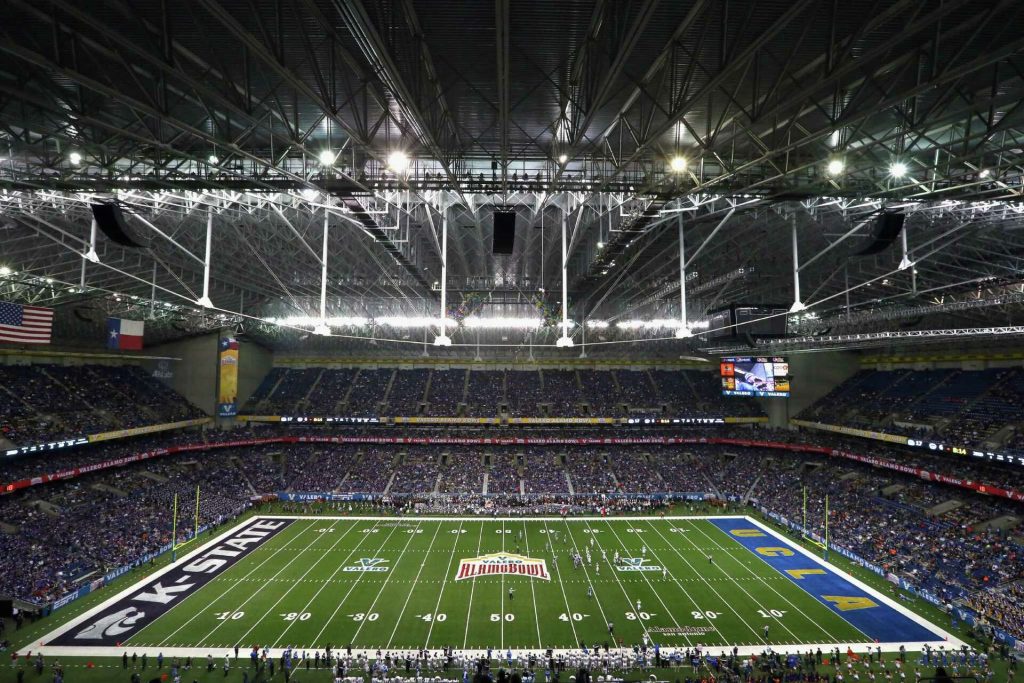
Concerns surrounding UTSA football surged rapidly on Saturday after an alarming pre-game stunt led to an immediate emergency response inside the Alamodome. What was designed to be an electric pre-kickoff spectacle ahead of a critical Week 7 collegiate clash transformed into an urgent medical rescue. Spectators filed into the multi-purpose indoor facility expecting high-intensity gridiron action against the Navy Midshipmen on October 17, 2026, only to witness first responders rushing onto the stadium floor following a severe rappelling mishap.
As confirmed by local news reports, the San Antonio Fire Department transported an individual to an area medical facility for emergency care. The accident instantaneously reframed the mood across San Antonio, bridging discussions of stadium event safety protocols with the competitive demands facing the Roadrunners. Balancing high-stakes athletic competition against real-world human emergencies is an unenviable task for university administrators, facility managers, and players alike.
The Pre-Game Alamodome Emergency and Rapid Medical Response
The distressing sequence unfolded during scheduled pre-game activities before kickoff. As reported by KSAT, witnesses who arrived early for the UTSA football matchup watched in disbelief as an individual fell from a rappelling line inside the Alamodome. While pre-game aerial entries and stunt exhibitions frequently animate major collegiate football broadcasts, the inherent physical risks of high-angle rigging inside domed venues materialized in seconds.
First responders assigned to the stadium acted immediately. San Antonio Fire Department personnel deployed specialized medical aid right at the descent site, stabilizing the victim before conducting rapid transport to a nearby hospital. Witnesses seated throughout the lower bowls described an abrupt hush enveloping the concourse as stadium personnel cordoned off the staging area. While municipal agencies refrained from immediately publishing detailed medical charts or identifying private personnel records, officials confirmed that the individual was hospitalized following the vertical fall.
The incident demonstrated the vital necessity of on-site tactical medics during mass-spectator events. The Alamodome routinely accommodates tens of thousands of cheering fans for marquee sporting fixtures, meaning medical emergency routes and perimeter staging areas must operate with unyielding coordination. The instantaneous mobilization of emergency crews prevented cascading panic across the lower seating sections, permitting medical staff to extract the injured individual without disrupting overall venue safety integrity.
Safety Standards and Pre-Game Spectacle Risks Under Scrutiny
Pre-game theatrics have long represented a beloved fixture of major college athletic presentations. From parachutists descending into outdoor stadiums to tactical personnel rappelling from indoor rafters, athletic departments leverage dramatic choreography to electrify crowds and celebrate institutional traditions. However, high-altitude drops and mechanical rigging demand zero-margin-for-error precision. An unexpected fall inside a municipal facility prompts immediate operational questions regarding equipment calibration, attachment checks, and third-party vendor oversight.
Municipal operators and risk managers are now positioned to evaluate how aerial demonstrations are conducted across future events in San Antonio. Stunt sequences inside cavernous venues like the Alamodome involve intricate tension lines, structural harnesses, and manual belay mechanisms suspended dozens of feet above concrete floors or artificial turf. When mechanical equipment malfunctions or human coordination slips, the consequences turn grave within a fraction of a second.
Facility stakeholders and event organizers routinely operate under rigorous municipal safety codes, yet this pre-kickoff hospital transport underscores the fragile balance between high-flying entertainment and spectator-adjacent liability. As municipal regulators examine safety thresholds during large-scale UTSA football events, university leaders and venue staff must systematically review whether existing pre-game staging protocols provide sufficient failsafes to avert catastrophic falls.
3 Critical Factors Defining the Roadrunners On-Field and Campus Trajectory
Even as first responders handled the pre-game emergency, the campus community faced an intense national spotlight on UTSA football as competitive demands collided with stadium realities. Navigating sudden disruption requires immense operational discipline across an athletic department.
Navy Clash Demands Maximum Tactical Discipline Under Stress
On the gridiron, the Week 7 collegiate battle between Navy and UTSA football required extraordinary mental poise from coaching staffs and student-athletes. The Navy Midshipmen arrive with a renowned, precision-oriented ground attack that relentlessly punishes teams lacking situational focus. When external stadium crises disrupt typical warm-up timelines, keeping student-athletes grounded becomes an immense coaching challenge.
Teams facing sudden institutional adversity must pivot seamlessly between logistical anxiety and competitive tactical execution. This delicate balance of resilience mirrors major sports franchises restructuring their strategic blueprints under duress, a dynamic explored in depth when Aucas Shakes Global Soccer With 4 Major Strategic Breakthroughs on the international soccer stage. In San Antonio, executing disciplined defensive containment against Navy’s option reads became an absolute necessity as the Roadrunners fought for momentum in the American Athletic Conference standings.
Defensive Anchor Tai Leonard Steps Forward as a Proven Leader
Sustaining defensive resilience under mid-season pressure requires veteran trench leadership. Defensive tackle Tai Leonard has personified that steady presence throughout his collegiate tenure. As documented by UTSA Athletics, Leonard has served as a cornerstone on the defensive front since his arrival on campus in 2022, an inaugural season where he collected Conference USA All-Freshman Team honors.
Leonard’s technical evolution on the interior line represents a quintessential development blueprint. By controlling gaps, occupying double teams, and maintaining leverage at the point of attack, anchoring the trenches has become indispensable for UTSA football throughout multiple conference transitions. Against an assignment-heavy rushing opponent like Navy, Leonard’s interior awareness and veteran voice provide the tactical stability required to neutralize sustained drives.
Wider Athletic Momentum Unfolds Across the San Antonio Campus
The energy surrounding UTSA’s fall campaign extended well beyond the Alamodome turf during an exceptionally active weekend for San Antonio athletics. Campus programs demonstrated competitive vigor across multiple sports circuits, highlighted by notable performances in individual intercollegiate action.
As reported by UTSA Athletics, junior Enzo Vargas and sophomore Timeo Bretin each punched their tickets to the singles semifinals at the UTR Sports College Circuit tournament. Their parallel postseason surge underscored an athletic department generating competitive traction across multiple disciplines simultaneously. While gridiron developments naturally draw vast television audiences, individual achievements across the tennis courts illustrate the growing athletic footprint of the university across Texas and beyond.
Next Steps for Alamodome Operations and San Antonio Athletics
As the immediate shock of Saturday’s rappelling accident gives way to formal administrative debriefs, the focus transitions toward regulatory accountability and operational evolution. The San Antonio Fire Department’s swift response undoubtedly mitigated a volatile emergency, but the structural inquiry into how the fall occurred inside the Alamodome is only beginning. Stadium management, contracted entertainment vendors, and local authorities will scrutinize rigging certifications, inspection logs, and communication chains to ensure complete transparency.
On the competitive side, the Roadrunners must maintain focus across the demanding second half of their regular-season slate. Handling emotional shocks before kickoff challenges athletic maturity, yet seasoned leaders on both sides of the ball provide the structural framework needed to withstand distractions. Moving into forthcoming home dates, officials and athletic administrators analyze the operational reverberations for UTSA football going forward, ensuring that public spectacles never again eclipse the paramount obligation of human safety inside San Antonio’s premier arena.