Strait of Hormuz News Reveals 5 Critical Flashpoints in the US and Iran Standoff
Tehran has formally urged Washington to accept a seven-day proposal to reopen the Strait of Hormuz amidst sharp military rhetoric. Here is an investigative breakdown of the diplomatic standoff and its global ramifications.
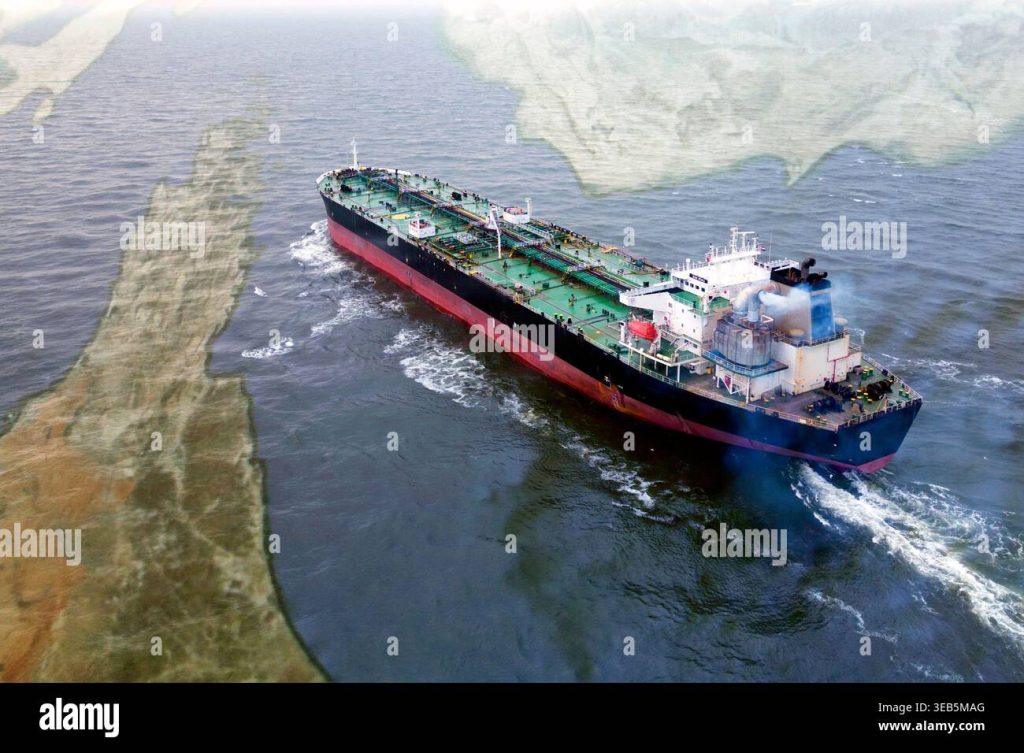
Surging strait of hormuz news captured global attention this week as escalating tensions between Washington and Tehran reached a pivotal crossroad over maritime security. Diplomatic channels and military headquarters are operating on high alert after Iranian officials formally urged the United States to consider a negotiated pathway to reopen the strategic waterway. With commercial navigation restricted and international energy markets holding their breath, the situation presents a dangerous mix of diplomatic overtures and bellicose warnings that threaten broader regional equilibrium.
The standoff intensified as Iranian leadership tabled specific terms, seeking a temporary ceasefire while simultaneously demanding broader concessions regarding American military deployments across the Persian Gulf. Observers tracking the latest strait of hormuz news understand that while Tehran has publicly suggested economic stabilization is within reach, its leadership has coupled those proposals with severe warnings against future Western military action, daring adversaries to test its defensive posture.
The Urgent Diplomatic Standoff at the World Critical Chokepoint
The geopolitical temperature surged dramatically when Iranian authorities reiterated that the closure of maritime traffic through the Strait of Hormuz does not have to be permanent. As reported by Reuters, Iran urged the United States to accept an active proposal designed to reopen the waterway, asserting that mutual disengagement could restore stability to maritime commerce. The corridor handles roughly one-fifth of global petroleum transit, turning any disruption into an immediate shockwave for energy distribution networks from East Asia to Western Europe.
Reporting from NewsNation confirmed that Iranian negotiators have placed a structured seven-day deal before Washington decision-makers. Tehran has framed this proposal as a critical window to halt escalating strikes and reestablish safe transit channels. However, the offer carries significant friction. American defense officials and political leaders view the timeline with profound skepticism, suspecting Tehran is seeking immediate breathing room to regroup its coastal defense assets and maritime interdiction systems rather than pursuing an enduring peace.
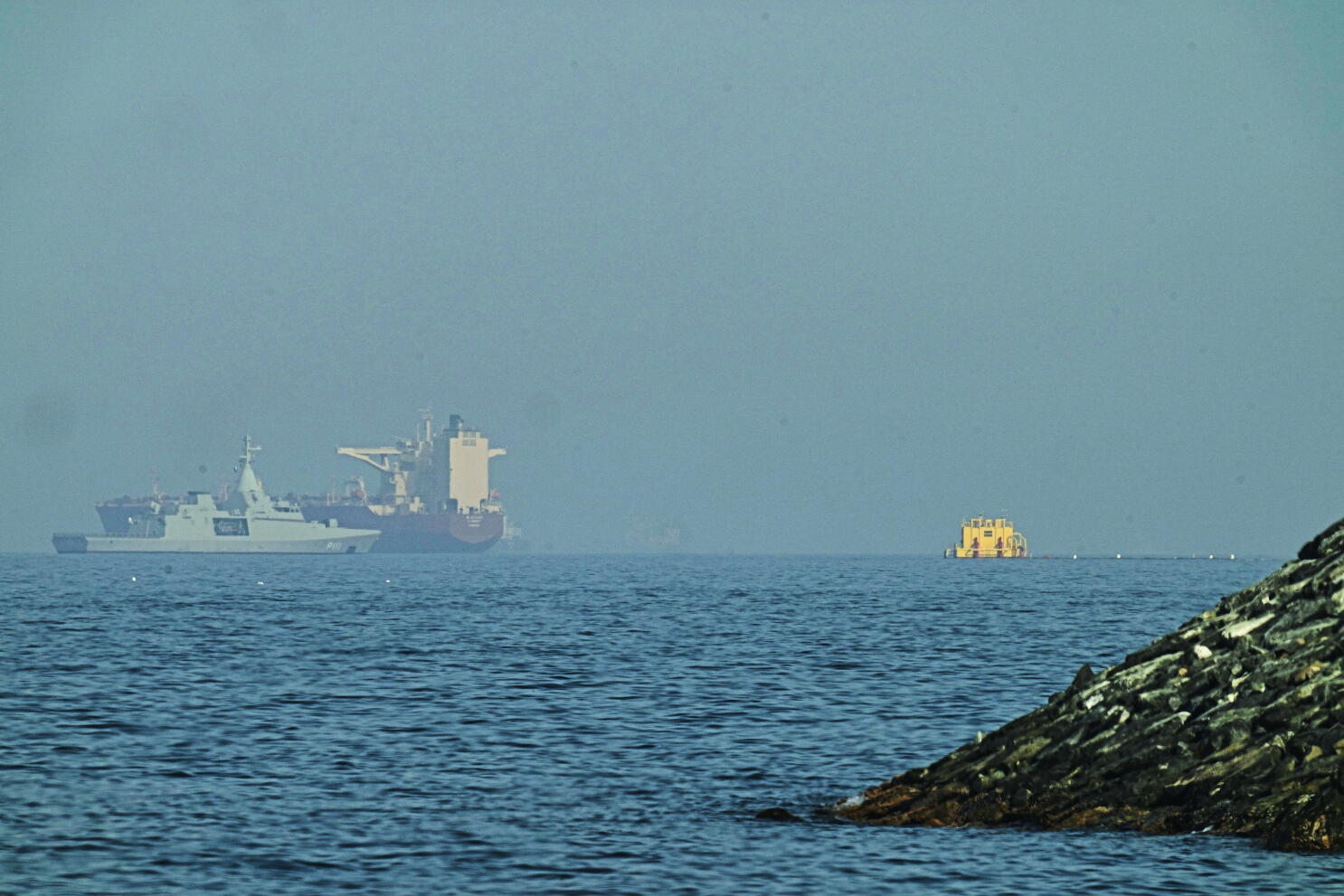
According to coverage broadcast by CBS News, conditions surrounding the reopening of the shipping lane and the implementation of a seven-day ceasefire remain firmly on the table. The negotiation architecture involves overlapping regional theaters, stretching from Iranian coastal batteries to missile units operating deep within allied territories. For commercial fleets, following the strait of hormuz news has become a matter of immediate operational survival, with maritime insurance syndicates suspending coverage or imposing prohibitive premiums across the Gulf of Oman.
Inside 5 Major Geopolitical Pressures Reshaping the Conflict
Understanding the current stalemate requires untangling a series of compounding strategic pressures. Tehran is leveraging maritime access not simply as a military lever, but as a broader economic fulcrum designed to reshape the security perimeter of the Persian Gulf.
The Demands for American Troop Withdrawal
Tehran has directly linked maritime freedom of navigation to the broader presence of American armed forces across the region. As reported by Fox News, Iranian representatives proclaimed that the global economy will improve dramatically if the United States removes its military forces from the Middle East. Iranian officials have sought to cast American carrier strike groups and regional bases as the fundamental source of instability, arguing that domestic inflation and global energy shocks stem directly from foreign militarization—a reality frequently emphasized across strait of hormuz news reports examining energy flows.
By framing the withdrawal of American forces as a remedy for global market volatility, Iran is attempting to appeal directly to Western domestic political concerns, including midterm election pressures and persistent cost-of-living anxieties. Yet, senior defense planners in Washington maintain that abandoning regional bases would effectively surrender the Persian Gulf to regional dominance, leaving vital shipping lanes without deterrence.
Maritime Security and Ceasefire Guarantees
The seven-day ceasefire framework detailed by CBS News and NewsNation highlights Tehran desire to test American diplomatic resolve under acute pressure. Under the proposed parameters, Iran would halt interdiction actions in exchange for an immediate cessation of hostile action against Iranian infrastructure and command hubs. The proposal places the burden of public de-escalation on the White House, attempting to force American leadership to choose between military deterrence and commercial security.
The mechanics of verifying such a brief truce present immense operational obstacles. Naval commanders stationed in Bahrain must determine whether coastal missile batteries, drone swarms, and fast-attack craft are standing down or merely lying in wait. A seven-day window provides minimal room for robust verification, creating fears that tactical miscalculations could rapidly breach the agreement within hours of implementation.
The Shadow of Regional Proxy Expansion
The confrontation in the narrow strait cannot be decoupled from secondary conflict theaters across the Middle East. Primary reporting from CBS News emphasized that active hostilities involve Yemen and Houthi forces, whose anti-ship ballistic missile campaigns have already choked navigation through the Red Sea and the Bab el-Mandeb strait. Any sustained closure of Hormuz effectively completes a maritime double-choke, trapping commercial transit between two heavily armed regional vectors.
Saudi Arabia and neighboring Gulf states find themselves trapped in an uncomfortable strategic middle ground. While these nations depend heavily on uninterrupted oil exports, they remain deeply vulnerable to retaliatory drone strikes and missile barrages. Managing high-stakes regional conflict demands an exceptional capacity to absorb pressure and counter multiple tactical threats simultaneously. Much like navigating high-pressure competitive environments where tactical resilience matters—a dynamic seen when Caty McNally Shows 3 Major Strengths In Fierce Wuhan Battle—both superpowers are testing limits under relentless public scrutiny, highlighted in ongoing strait of hormuz news regarding regional stability.
Superpower Alignments and the Moscow Factor
The geopolitical chessboard expanded significantly with sharp warnings concerning major power dynamics. As reported by Fox News, Donald Trump warned that aggressive action against Moscow could push Russia into a much closer, overt alliance with Iran. The former president cautioned that heavy-handed measures risk cementing a unified front between Tehran and the Kremlin, transforming a regional maritime confrontation into a broader global coalition standoff.
Tehran has shown zero hesitation in matching this geopolitical maneuvering with visceral rhetoric. Iranian officials openly dared the United States to launch further military interventions, issuing the provocative warning to try your luck in response to hints of sustained offensive campaigns. This combination of superpower alignment anxieties and unyielding defiance dominated strait of hormuz news cycles following public statements by Donald Trump, illustrating how rapidly the crisis could pull in outside nuclear powers.
Economic Brinkmanship and Global Oil Vulnerability
Energy analysts continue to emphasize the catastrophic economic ripple effects tied to Hormuz navigation. The Fox News reporting on energy prices underscores that crude oil benchmarks fluctuate violently with every official statement issued by Tehran and Washington. Tanker operators have rerouted vessels on long, expensive detours around the African continent, driving up consumer transport expenses and threatening to rekindle inflationary pressures.
Tehran calculation relies on weaponizing this global pain threshold. By signaling that economic relief is tied directly to American military compliance, Iranian strategists hope to pressure international trade blocs to lobby Washington for a settlement. Global shipping conglomerates and domestic consumers bear the direct brunt of this maritime squeeze, leaving energy traders monitoring strait of hormuz news for supply disruption signals before placing future contracts.
Washington Strategic Dilemma and the Path Forward
The United States administration faces a treacherous set of strategic alternatives. Accepting Tehran seven-day deal could instantly reduce immediate oil volatility and open a humanitarian passage for stranded merchant vessels. Yet doing so on Iranian terms risks legitimizing the unlawful obstruction of international waterways, setting an untenable precedent that naval blackmail produces political concessions.
Conversely, rejecting the proposal outright and pursuing kinetic enforcement against coastal batteries invites massive asymmetric retaliation. Tehran arsenal of anti-ship cruise missiles, loitering munitions, and naval mines could turn the narrow waterway into an impassable shooting gallery for months. Whether backchannel intermediaries can transform the fragile seven-day proposal into a comprehensive maritime security agreement remains an unsettled calculation as strait of hormuz news continues to set the tempo of international diplomacy.