Diesel Fuel Shock Sparks 4 Major Economic Clashes That Threaten Energy Markets
A historic price spike in heavy distillates has forced unprecedented diplomatic concessions between Washington and Moscow. From struggling Midwestern pastures to Capitol Hill hearing rooms, the resulting fallout is rocking international energy security.

Soaring costs for diesel fuel have unleashed severe tremors across American agriculture and ignited an unexpected diplomatic realignment between Washington and Moscow. What originated as a quiet regional squeeze on commercial inventories has erupted into an aggressive geopolitical scramble, unsettling domestic supply chains from the Great Plains to global shipping lanes. When the baseline expense of operating heavy machinery and commercial transport surges past manageable thresholds, the broader financial foundation begins to buckle under the strain. In response to unprecedented market stress, the White House executed a sudden policy shift, agreeing to ease specific Russian energy sanctions in exchange for Moscow releasing emergency distillate reserves into global commerce. The maneuver caught international partners off guard, triggered outrage across Capitol Hill, and exposed the fragile vulnerabilities underpinning contemporary industrial distribution.
The Oklahoma Heartland Facing an Unprecedented Cost Squeeze
The human dimension of this supply crisis is unfolding acutely across rural America, where heavy agricultural equipment requires continuous energy inputs to operate. In cattle country, the relentless price escalation has stripped producers of their working margins, turning routine seasonal chores into existential financial gambles. As reported by ABC News, the rapid escalation in operational overhead has pushed veteran farmers and livestock handlers into survival mode across the southern plains.
“It’s probably the most stressful time in my life,” Scott Belden told ABC News, describing the psychological and economic toll of fueling essential equipment on his Oklahoma ranch. For livestock operations like Belden’s, tractors, feed trucks, and irrigation pumps cannot be idled without immediate catastrophic impacts on herd health. Producers must purchase middle distillates at spot market rates regardless of profitability, absorbing compounding losses as their delivery trucks run on historic operational premiums.
Agricultural production sits at the base of the global supply network, meaning that localized input shocks inevitably cascade into broader consumer inflation. When the sheer cost of agricultural diesel fuel has turned annual balance sheets upside down, the downstream consequences ripple directly into processing plants, regional auctions, and grocery retail shelves. The immediate financial strain reflects broader structural vulnerabilities in the debt and liquidity structures that maintain small-scale industrial businesses during periods of sharp monetary volatility.
Macroeconomic researchers monitoring these compounding pressures note that rapid spikes in foundational inputs frequently intersect with broader credit contractions. Understanding how regional commercial pressures foreshadow macroeconomic crises requires reviewing Yield curve inversion mechanics and 4 proven indicators that reveal hidden economic danger, which demonstrate how severe supply-side dislocations erode capital stability long before headline consumer metrics register the damage. For independent producers navigating surging debt servicing and bloated input bills, the ongoing escalation represents a direct threat to commercial solvency.
The Controversial Sanctions Relief That Bypassed Washington Consensus
Confronted with an intensifying domestic backlash over logistics inflation, the executive branch opted for a high-stakes foreign policy intervention rather than waiting for conventional refining adjustments. NBC News revealed that Donald Trump eased targeted sanctions against Russian energy interests, announcing that Vladimir Putin agreed to release vital distillate reserves to counteract the domestic price surge. The unexpected pivot bypassed established diplomatic protocols, catching traditional energy allies and regulatory agencies entirely unprepared.
As commercial transport fleets struggled under prohibitive pump rates, the administration prioritized short-term retail relief over the strict enforcement of international economic embargoes. According to NBC News, the agreement was constructed around the premise that immediate Russian product releases would break the refining bottleneck that has paralyzed domestic distribution corridors. The decision marked a stark departure from the multilateral sanctions architecture erected to constrain Moscow’s export revenues following its full-scale invasion of Ukraine.
Energy analysts immediately questioned the operational mechanics governing the bilateral accord. A detailed investigation by Reuters examined what the bilateral arrangement between Trump and Putin actually entails, identifying critical ambiguities regarding payment clearance mechanisms, maritime compliance, and physical delivery pathways. The White House justified the unilateral concession by citing the urgent necessity of stabilizing commercial logistics, arguing that domestic consumer stability supersedes rigid diplomatic orthodoxy as retail rates for commercial diesel fuel breached historical benchmarks across North American freight hubs.
3 Critical Fracture Points Created by the Emergency Distillate Accord
The bilateral pact between Washington and Moscow has fractured international diplomatic alignment and triggered fierce institutional pushback across multiple fronts. By reintroducing Russian refined product into Western distribution channels, the emergency arrangement has destabilized legislative relationships, altered maritime logistics, and revealed deep structural deficits in global refining capacity.
Capitol Hill Revolts as Bipartisan Lawmakers Draft Legislative Roadblocks
The domestic political blowback arrived swiftly as lawmakers from both major parties moved to reassert congressional jurisdiction over foreign trade sanctions. Politico reported that a House Democrat introduced a bipartisan bill specifically crafted to block the implementation of the administration’s agreement with the Kremlin. The legislative counteroffensive reflects deep institutional anxiety over the erosion of statutory sanctions authority and the strategic implications of granting Moscow commercial leverage during an ongoing European conflict.
Legislative leaders behind the measure argue that bypassing congressional oversight establishes a dangerous precedent, rewarding hostile state actors at the exact moment international sanctions regimes were designed to restrict their sovereign cash reserves. Bipartisan sponsors emphasized that granting unilateral executive concessions over Russian diesel fuel undermine long-term national security priorities, creating perverse incentives for geopolitical rivals to exploit future domestic commodity crunches. The measure seeks to freeze the issuance of sanctions waivers, demanding that any structural shifts in energy embargo policy undergo mandatory committee review.
The Strategic Diversion to Türkiye and Shifting Black Sea Flows
The physical routing of the emergency supplies has introduced complex logistical entanglements throughout Eastern Europe and the Mediterranean basin. As reported by Ukraïnska Pravda, citing Reuters investigations, Türkiye will receive a designated portion of the refined volumes negotiated under the bilateral accord. Ankara’s inclusion as an intermediary hub highlights the complex diplomatic geometry governing Black Sea maritime logistics and energy distribution.
Turkish refining facilities and transit ports have increasingly served as commercial intermediaries for re-routed Russian commodities since the onset of international sanctions. Incorporating Turkish maritime terminals into the supply chain facilitates product blending and re-flagged tanker transport, but it simultaneously obscures the physical origin and sovereign taxation of the cargo. Independent monitoring networks note that confirming that deliveries of maritime diesel fuel will be routed into Turkish terminals raises significant regulatory questions for European border agencies committed to stringent product tracking and compliance verification.
The Vulnerability of Global Refining Infrastructure and Freight Corridors
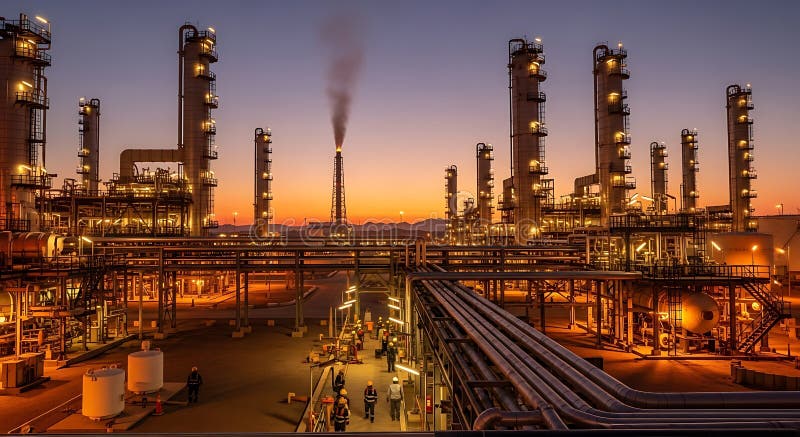
The necessity of seeking external bilateral accords underscores an underlying structural weakness in domestic and Western refining capacity. Over the past decade, dozens of complex refineries across North America and Western Europe have decommissioned hydrocracking and desulfurization capacity due to tightening environmental regulations, corporate consolidation, and shifting capital investment strategies toward renewable diesel. Consequently, the refining capacity required to convert heavy crude into ultra-low sulfur distillates has diminished significantly.
When unexpected outages hit domestic refining units or when commercial demand surges during harvest and peak shipping seasons, existing infrastructure cannot rapidly increase output. The domestic refining network lacks the surge margin needed to offset sudden disruptions without triggering steep regional price premiums. Relying on sudden foreign policy revisions to address refinery shortfalls demonstrates that without sustained domestic processing investment, commercial transport corridors remain chronically vulnerable to external geopolitical shocks.
Geopolitical Fallouts and the Long Road Ahead for Global Logistics
The fallout from this emergency arrangement extends far beyond current domestic freight bills, complicating international security alliances and exposing the conflicting priorities of economic statecraft. European partners, who bore massive fiscal and industrial costs to detach their economies from Russian pipeline gas and refined petroleum, have reacted to the bilateral deal with profound skepticism. The sudden easing of restrictions by Washington risks unraveling years of carefully coordinated transatlantic trade enforcement, signaling that economic pain thresholds can swiftly fracture diplomatic unity.
Energy market strategists observe that temporary supply injections fail to resolve the core structural deficits bedeviling modern industrial logistics. Without a substantial expansion of refining capacity, investment in railway infrastructure, and clear regulatory pathways for domestic distillers, the international trade of diesel fuel remains tethered to erratic diplomatic bargaining. Emergency sanctions relief functions as an unstable tourniquet, offering fleeting price respite while deepening strategic dependencies on sovereign adversaries who view energy flows as an instrument of asymmetric leverage.
The unfolding confrontation between the White House, congressional leaders, and international partners demonstrates that energy security cannot be separated from geopolitical strategy. From the commercial pastures of Oklahoma where family operations fight mounting operational costs to maritime choke points in the Black Sea, the current crisis illuminates how a sudden scarcity of refined diesel fuel can quickly dismantle established foreign policy orthodoxies. As Capitol Hill gears up for a protracted legislative fight to reverse the sanctions waiver, global freight networks face an uncertain future defined by volatile operating margins and unpredictable international maneuvers.