Breaking news triage mechanics and 4 proven rules that prevent disastrous reporting errors
When crisis strikes, the line between journalistic triumph and catastrophic retraction comes down to operational discipline. Discover how seasoned newsrooms filter chaos, verify raw claims, and maintain unflinching accuracy under extreme deadline pressure.

Mastering breaking news triage mechanics separates credible newsrooms from chaotic rumor mills when fast-moving events shatter ordinary publishing cycles. When an explosion echoes through a downtown corridor, an emergency siren blares across a metropolitan grid, or an unexpected institutional resignation blindsides the public, information does not arrive in neat, verified paragraphs. It erupts as an incoherent blizzard of raw police radio dispatches, panicked bystander videos, breathless hearsay, and calculated online manipulation. In that volatile crucible, the instinct to publish instantaneously fights against the fundamental imperative to report truthfully.
The tension between velocity and accuracy represents the core challenge of modern journalism. Anyone with a smartphone can broadcast unfiltered confusion to millions within seconds, meaning the legacy value of professional reporting is no longer instantaneous transmission. The true value lies in editorial filtering. Understanding the underlying breaking news triage mechanics allows editors to build an operational shield against sensory overload and premature conclusions, ensuring that speed never outpaces verifiable facts.
The relentless pressure cooker of the modern news desk
During the opening minutes of a major incident, the newsroom environment changes instantly. Adrenaline spikes across the assignment desk, multiple audio monitors clash in the background, and social media feeds refresh with thousands of contradictory eyewitness assertions. The human brain naturally craves narrative resolution, especially during crises. Reporters and desk editors experience an intense psychological pull to connect disparate dots and assemble a coherent storyline before the factual foundation actually exists.
This psychological vulnerability is where disastrous reporting errors take root. Early reports from chaotic scenes are almost universally flawed. Initial estimates regarding casualty counts, the number of individuals involved, geographic perimeters, and causal factors routinely swing wildly from reality. When a news desk treats velocity as its sole metric of success, it surrenders its editorial immune system to the chaos of the street. Developing institutional patience requires deliberate structural design rather than mere good intentions.
Cognitive friction and the signal filtering process
A resilient newsroom treats incoming raw data not as emerging news, but as unrefined industrial runoff that requires rigorous distillation. Incoming signals arrive across three distinct channels: tactical emergency chatter, distributed crowdsourced media, and official institutional statements. Each channel carries inherent distortion. Tactical radio transmissions reflect chaotic snapshots rather than confirmed findings. Eyewitness videos capture authentic visual fragments while missing critical situational context. Official spokespersons often issue guarded or outdated talking points while scrambling to grasp developments themselves.
To prevent raw speculation from leaking onto live broadcasts or digital feeds, mature editorial teams introduce intentional cognitive friction into their publishing pipeline. This friction is not bureaucratic delay; it is a rapid, systematic interrogation of every data point before it enters public awareness. When news organizations formalize their breaking news triage mechanics, they replace ambient panic with repeatable diagnostic routines, allowing reporters to identify genuine signals while discarding the surrounding noise.
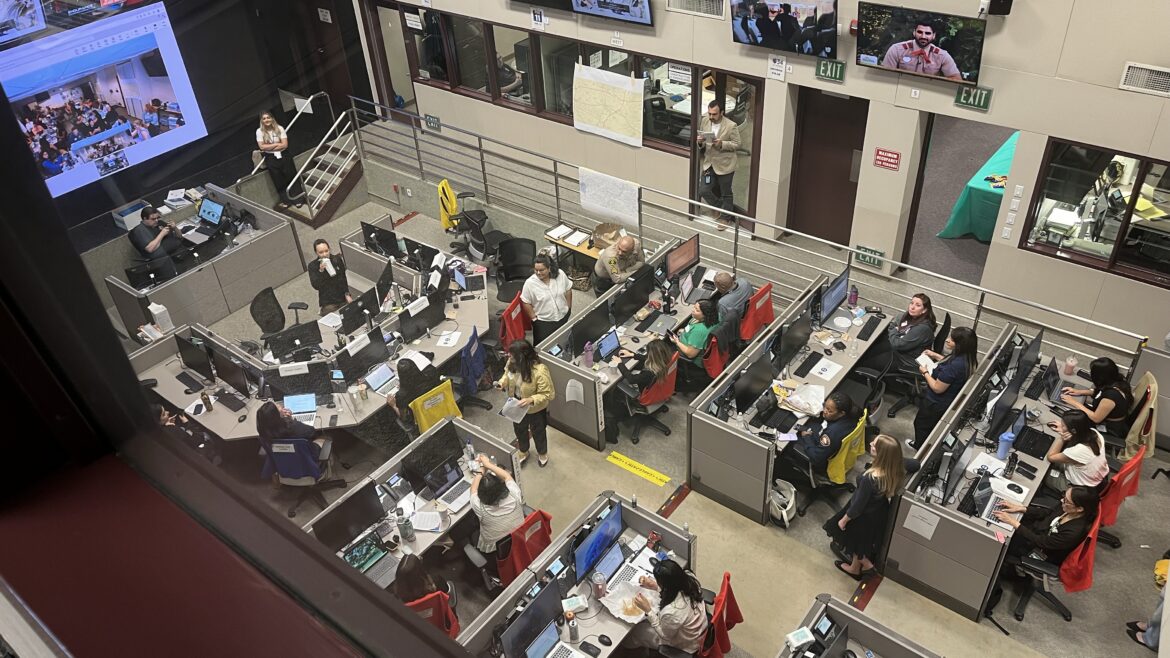
Four proven rules that preserve accuracy under breaking pressure
The four core principles that govern reliable breaking news triage mechanics function as structural shock absorbers against adrenaline-fueled missteps, anchoring newsrooms to empirical reality when external pressures tempt them toward speculation.
The discipline of dual independent primary attributions
The internet creates an insidious echo chamber where a single unverified claim can appear in thousands of separate social media posts within minutes. Inexperienced desks frequently fall into the trap of assuming that volume equates to validation. Five hundred social accounts repeating the identical assertion does not constitute five hundred corroborating sources; it constitutes a single, unverified rumor amplified across a digital canyon.
Professional triage mandates that no critical fact is broadcast or published without dual independent primary attributions. Primary attribution requires direct contact with individuals who have firsthand knowledge of the event, such as on-the-record emergency commanders, attending medical directors, or vetted primary witnesses. Furthermore, independence demands that these two sources did not derive their information from one another. Tracing the origin of a claim back to its primary root exposes informational incest before it poisons an entire news cycle.
Transparent boundary setting and explicit uncertainty framing
One of the most profound editorial fallacies is the belief that admitting uncertainty signals weakness. In high-stakes reporting, clearly demarcating the boundaries of what is known versus what remains unconfirmed is the ultimate demonstration of journalistic authority. Instead of issuing definitive declarations that must later be quietly amended, disciplined journalists utilize explicit boundary framing to protect their readers from false assumptions.
Just as an observer studying curveball aerodynamics mechanics and 4 proven forces that forge unhittable movement understands that invisible pressures dramatically alter a projectile’s flight path, a veteran editor recognizes that early chaotic reporting invariably curves away from initial assumptions. Adopting explicit uncertainty framing means stating clearly: “Authorities have confirmed an active response at this location; however, official casualty numbers and incident causes have not been verified.” This transparent discipline preserves audience trust while events continue to shift.
The mandatory quarantine of tactical emergency scanners
Emergency responder radio chatter is irresistible to digital desks eager for rapid updates, but broadcast scanner audio represents raw tactical field communications, not investigative truth. Responders arriving at an unfolding incident communicate split-second impressions, hypothetical threats, unvetted caller tips, and fragmented descriptions simply to coordinate personnel. Treating these tactical transmissions as public facts has repeatedly led to catastrophic misidentifications of innocent suspects and wild exaggerations of public danger.
A rigorous news desk maintains an absolute quarantine around tactical emergency scanners. Information gathered from radio monitors must be treated strictly as internal guidance to direct reporters in the field, never as raw reporting material for immediate publication. Unless an emergency services commander confirms a detail via an official briefing, on-record interview, or verified agency dispatch, scanner chatter remains quarantined within the verification log.
Centralized gatekeeping authority under single-editor command
During an active breaking event, consensus-driven editorial meetings create paralysis, while distributed publishing privileges create anarchy. When multiple producers, social media managers, and digital writers possess unvetted authority to publish developing updates simultaneously, institutional discipline breaks down immediately. A single rogue post attributing an unconfirmed death toll can undo hours of meticulous, disciplined reporting.
Resilient desks institute a centralized command structure. All incoming verification logs funnel toward a dedicated triage gatekeeper—typically a senior standards editor or seasoned desk director. This individual does not conduct field interviews or write copy; their sole operational responsibility is enforcing standards, challenging verification claims, and providing the final green light before any new factual assertion touches public channels. Centralizing this authority removes emotional pressure from individual reporters and creates an unyielding editorial firewall.
The anatomy of a systemic editorial breakdown
Examining modern publishing collapses reveals what happens when editors abandon established breaking news triage mechanics in a reckless sprint for social media engagement. Consider the anatomy of a textbook media failure during an active municipal emergency. A local bystander posts a shaky video showing smoke billowing from a municipal building, claiming an intentional attack has taken place. Within minutes, an unverified social media aggregator account repurposes the footage with an inflammatory headline.
A regional digital desk, terrified of appearing late to the story, takes the bait. Rather than deploying phone calls to dispatch centers, civil engineers, or primary responders, the desk publishes a web alert: “Suspected attack underway.” Wire aggregators pick up the phrasing, citing the regional outlet. Within twenty minutes, major national cable channels run chyrons echoing the unvetted speculation. When the fire department finally releases its initial briefing an hour later, the truth emerges: a mechanical transformer failure sparked an electrical fire in an empty maintenance bay.
The resulting damage is devastating. Public panic ensues, emergency dispatch phone lines are overwhelmed by terrified callers, and the news organizations involved spend the next forty-eight hours issuing humiliating retractions. The fundamental failure was not bad luck; it was a total collapse of editorial process. By treating secondary digital noise as primary truth and discarding the dual-source rule, the newsroom traded decades of hard-won institutional trust for thirty minutes of ephemeral web traffic.
Cultivating resilient operational verification workflows
Preventing these failures requires building structural muscle long before a crisis occurs. Editorial leadership must treat breaking news operations as a technical discipline requiring rigorous practice, explicit documentation, and unwavering cultural support. Reporters must know with total certainty that their editors will back them when they hold back a story to confirm the facts, even if competing outlets rush ahead with unconfirmed whispers.
Newsrooms achieve this stability by grounding their daily routines in established industry frameworks, including the Society of Professional Journalists Code of Ethics guidelines, which explicitly instruct practitioners to verify information before releasing it and to use special care when dealing with unconfirmed reports. Implementing living verification documents where every incoming assertion is timestamped, color-coded by verification status, and explicitly tied to a verified primary source prevents ambiguity across rotating shifts.
Ultimately, embedding systematic breaking news triage mechanics into daily editorial operations transforms raw information gathering into an enduring public trust. In an era drowning in rapid speculation and automated noise, audiences do not need journalists to be thirty seconds faster than an algorithmic feed. They need journalists to be right. When newsrooms honor the mechanics of verification over the temptation of immediate reaction, they deliver the definitive clarity an informed democracy requires.