NBA League Pass Drives 4 Crucial Shifts That Stun Traditional Viewers
A dramatic spike in streaming demand reveals a fragmented sports media landscape where traditional cable, over-the-air antennas, and sportsbook promotions collide. Here is why accessing live basketball has never felt more complicated.

Securing access to NBA League Pass has suddenly transformed into a high-stakes puzzle as the new regular season schedule intensifies across North American arenas. Millions of basketball supporters who simply want to sit down and watch their favorite franchises find themselves navigating a labyrinth of local broadcast rights, national television windows, digital service subscriptions, and commercial sportsbook cross-promotions. What was once a straightforward choice between a cable package or an official out-of-market streaming tier has fractured into a multi-platform scramble.
The timing of this digital rush coincides with early-season benchmark games on the basketball calendar. Official game summaries from NBA.com highlighting matchups like the Cleveland Cavaliers and Philadelphia 76ers show fans attempting to balance traditional broadcasts with standalone digital access. As the Emirates NBA Cup and national showcase games begin crowding the calendar, viewers are confronting the reality that watching a full slate of professional basketball requires strategic planning rather than a single remote control.
The Fragmentation of Modern Basketball Broadcasts
The core dilemma facing sports audiences today is distribution dispersion. As reported by Sportico, NBA League Pass represents only one piece of an increasingly fragmented sports television architecture where every single game is theoretically streamable, but only if viewers hold the correct combination of credentials. Rather than consolidating basketball games into a unified portal, the current media ecosystem distributes matches regionally across legacy cable systems, bespoke streaming applications, and even old-school over-the-air terrestrial airwaves.
For decades, fans relied on regional sports networks (RSNs) to carry the bulk of non-national games. As those regional networks undergo financial restructuring or exit linear television entirely, teams have taken drastically different paths to reach local households. Some franchises have returned to local broadcast affiliates, requiring fans to purchase digital television antennas. Others have launched proprietary direct-to-consumer apps with dedicated monthly fees. Meanwhile, national games remain partitioned between legacy giants like ESPN, international streaming partners like DAZN in select markets, and traditional broadcast channels. This fragmentation turns simple game-day viewing into an exercise in platform management.
Betting Giants Drive Unprecedented Acquisition Strategies
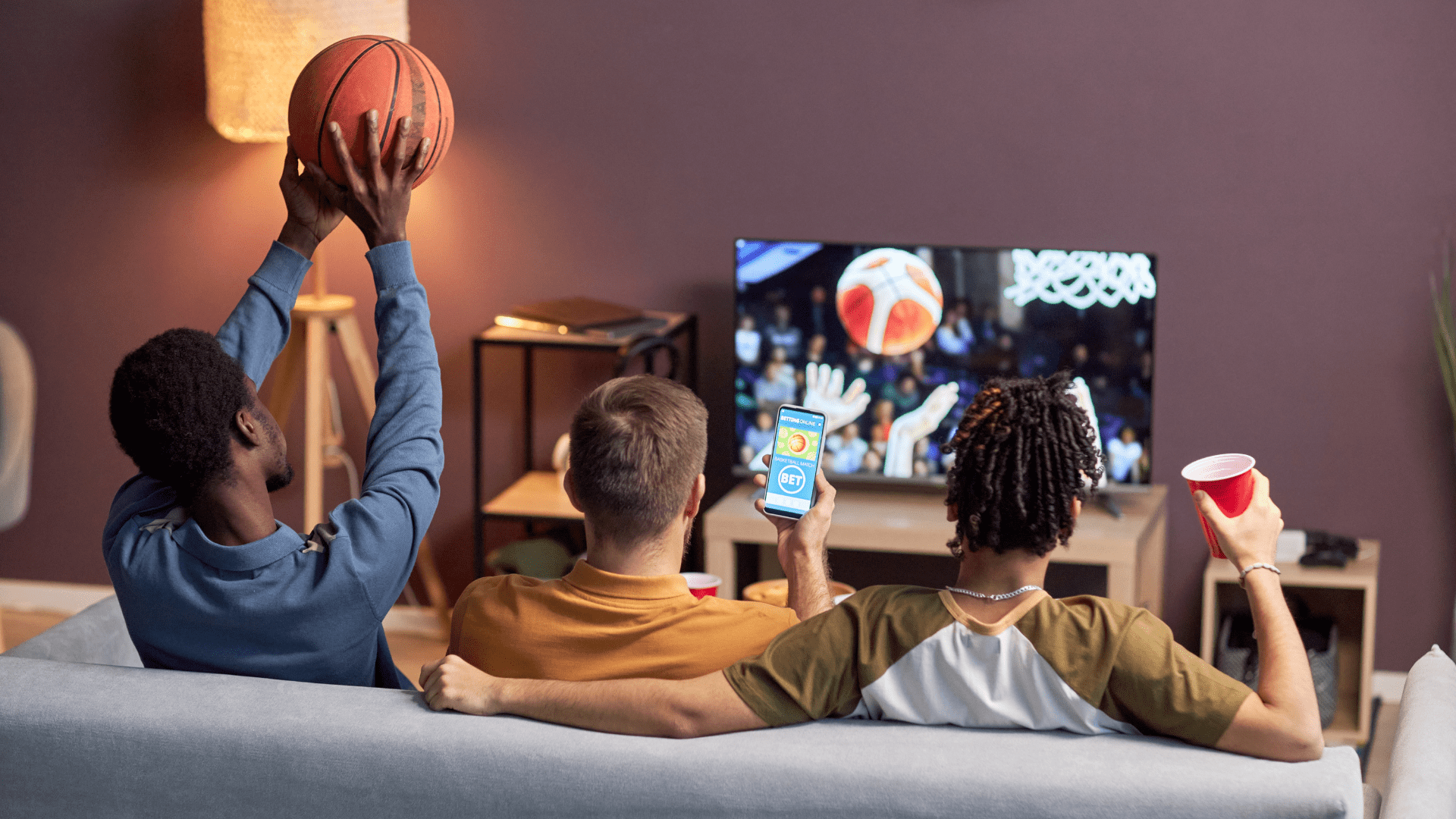
Recognizing the friction and monetary fatigue facing basketball fans, external commercial operators have rushed to fill the void. Sportsbooks have aggressively stepped into this landscape, offering promotional access to NBA League Pass alongside introductory betting credits to capture high-intent sports consumers. Rather than treating streaming rights purely as premium entertainment inventory, major betting platforms now view out-of-market basketball games as an ideal user-acquisition vehicle.
Detailed reporting from CBS Sports, Rocky Top Insider, and Russell Street Report highlights how operators like DraftKings have rolled out promotional packages offering 200 dollars in bonus bets bundled with free streaming subscriptions. These promotions were engineered around a packed weekend sports schedule, aligning with College Football Week 8 clashes like Tennessee versus South Carolina, the MLB postseason featuring World Series Game 1 and Brewers-Rays matchups, and Friday night basketball games. The move demonstrates how corporate sports gaming brands are effectively subsidizing digital sports access to capture market share.
4 Crucial Realities Changing How Fans Watch Every Game
Navigating the modern basketball broadcast landscape requires an understanding of how league policy, media contracts, and corporate partnerships interact. These four structural shifts define the contemporary viewing experience.
Broadcast Fragmentation Across Local and National Airwaves
The modern viewing apparatus forces fans to distinguish sharply between out-of-market and in-market rights. Sportico notes that regional broadcasts are now split across a dizzying array of formats. While out-of-market coverage remains digitally centralized, in-market fans frequently encounter blackout restrictions on the league’s flagship platform. Depending on where a supporter lives, watching the local franchise might require an over-the-air antenna, a standalone regional streaming pass, or an expensive cable tier. The fantasy of a single application streaming all 82 games for any given team remains legally and commercially impossible under current rights agreements.
The Cross-Sport Promotional Land Grab
Streaming packages have become the premier carrot for sports betting user acquisition. Outlets such as Rocky Top Insider and Russell Street Report observe that sportsbooks are bypassing conventional advertising to directly absorb the subscription costs for new registrants. This cross-promotional tactic highlights why NBA League Pass has become a high-value currency in sportsbook marketing campaigns. By providing access to out-of-market basketball alongside high-profile events like college football rivalries and the World Series, gaming companies turn streaming access into a powerful retention funnel for active sports bettors.
In-Season Tournaments and Calendar Realignment
League programming itself has transformed to generate higher early-season engagement. The introduction of the Emirates NBA Cup alongside traditional regular season schedules creates distinct broadcast tiers that demand special viewing destinations. As NBA.com schedule data reveals, premier early-season contests such as the Cleveland Cavaliers squaring off against the Philadelphia 76ers are deliberately framed as event television. Broadcast partners prioritize these marquee showcases, meaning game distribution fluctuates weekly between national networks and digital packages. When attempting to unify these disparate entertainment elements into a coherent experience, broadcast planners often run into structural bottlenecks. In an unexpected parallel from the world of culinary science, Emulsion stability mechanics reveal 4 proven secrets to stop heartbreaking sauce breaks, illustrating how easily complex mixtures separate without the proper stabilizing bonds. Media rights executives currently face a similar stabilizing challenge, attempting to keep casual audiences from dropping out entirely as viewing options break apart.
Shifting Consumer Economics and Subscription Fatigue
For basketball purists trying to track every out-of-market roster, NBA League Pass remains the primary digital bridge, but consumer economics are reaching a saturation point. When viewers must tally the combined costs of broadband internet, regional sports network fees, linear national sports channels, and league-specific subscriptions, the cumulative expense can easily surpass the price of legacy cable bundles. This financial pressure explains why promo code incentives and bundled deals generate immediate search spikes. Fans are actively looking for alternative entry points to avoid paying full retail rates for fragmented digital access.
The Broader Trajectory of Direct Consumer Sports Media
The current turbulence surrounding basketball streaming is not an isolated phenomenon; it represents a transitional phase for professional sports at large. The era of effortless sports consumption on a single cable tier has ended, but the fully realized direct-to-consumer paradise has yet to arrive. Leagues find themselves caught between lucrative legacy rights fees and the necessity of building digital relationships with younger, mobile-first audiences.
Ultimately, the evolving role of NBA League Pass reflects a broader transition in global sports media. Rather than operating merely as a niche streaming destination for hardcore out-of-market fans, the platform is functioning as a crucial testing ground for dynamic ad insertion, betting integrations, and personalized multi-view feeds. As leagues negotiate future media rights cycles, the direct relationship with the viewer will dictate how sports content is valued, packaged, and monetized.
For the average fan sitting on the couch on a Friday night, the immediate challenge remains practical rather than philosophical. Watching a full season requires an inventory of local antennas, regional apps, national television logins, and digital packages. Whether delivered through direct subscriptions or sportsbook promotions, NBA League Pass continues to anchor modern basketball culture, serving as the central pipeline for fans determined to watch every possession regardless of geography.