Megan Fox Ignites 3 Major Storms Over Risque Baseball Ads and Internet Rumors
A simultaneous collision of prime-time sports commercial backlash, provocative artistic launches, and viral misinformation put Hollywood star Megan Fox back into global headlines. Here is the investigative breakdown of how three separate controversies exploded at once.
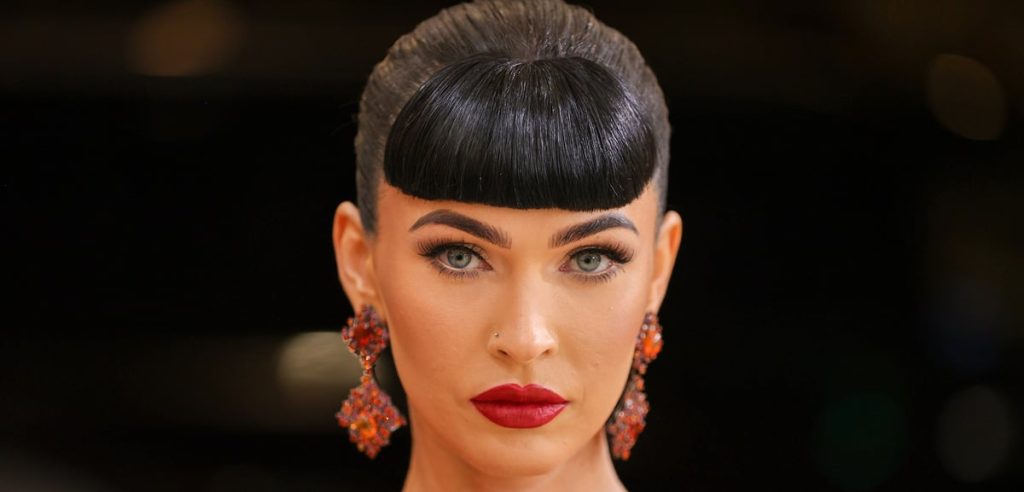
Pop culture phenomenon Megan Fox became the center of an intense national conversation this week across multiple distinct media battlegrounds. Rather than a single promotional event driving interest, the sudden spike represents an unusual cultural convergence where sports broadcasting standards, digital misinformation, and high-concept personal branding clashed simultaneously. Postseason baseball traditionalists found themselves unexpectedly confronting provocative late-night commercial spots, while algorithmic gossip channels fabricated high-profile celebrity drama that necessitated direct rebuttals from the music industry.
Understanding this multifaceted media storm requires dissecting how distinct consumer audiences collided. A television audience settling in for championship-caliber athletic competition was abruptly introduced to aggressive pharmaceutical marketing, even as digital audiences grappled with provocative photo spreads and debunked screenshots fabricated to mimic authentic celebrity statements. By examining the facts across verified reports from InStyle, the New York Post, News.com.au, Yahoo, and HOLA, the anatomy of this multi-layered public controversy becomes remarkably transparent.
The Anatomy of a Multi Front Cultural Lightning Rod
Modern celebrity cycles rarely remain contained within a single vertical. In the span of roughly forty-eight hours, discussions surrounding entertainment marketing, family-friendly sports presentation, and the integrity of online discourse all pointed directly back toward the same public figure. What makes this particular sequence notable is the stark contrast between the venues in which these events played out.
On one side sat legacy broadcast television, a medium that still commands tens of millions of simultaneous viewers during October sports tournaments. On the other sat hyper-accelerated digital networks where fabricated viral tweets spread unchecked until formal corrections are issued. Navigating between these two arenas was an intentional, self-directed visual campaign staged to accompany a major website launch, demonstrating how modern public figures maintain autonomy over their visual narrative even as external corporate campaigns deploy their image for shock value.
Prime Time Pushback and the MLB Playoff Commercial Backlash
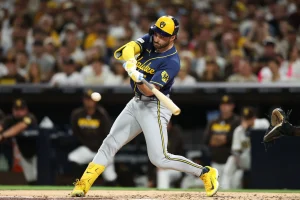
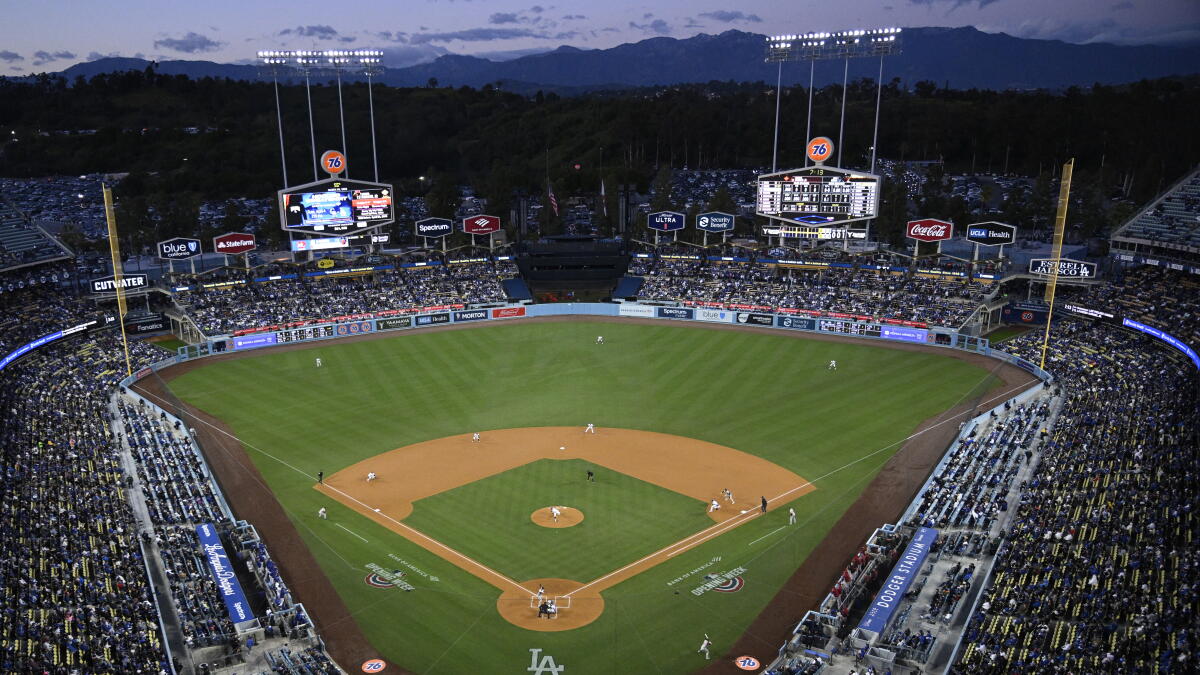
The most public friction occurred not on social media feeds, but across living rooms tuned into Major League Baseball postseason broadcasts. According to reporting by the New York Post, baseball royalty openly voiced severe frustration regarding the promotional spots aired during commercial breaks. Atlanta Braves legend Dale Murphy, alongside his son, publicly blasted networks for integrating mature, risqué advertisements into family-oriented baseball broadcasts.
The controversy centered on high-profile promotional spots, specifically highlighting commercials starring Megan Fox advertising erectile dysfunction treatments, as well as provocative commercials featuring Sydney Sweeney for the prediction platform Novig. Dale Murphy and other traditional baseball fans argued that the postseason has historically served as a generational viewing bridge where parents and children watch high-stakes sports together without anticipating overt sexual health dialogues or risqué creative themes.
Advertising executives have increasingly leveraged provocative celebrity endorsements to capture wandering viewer attention during live sporting events, where audiences traditionally avoid commercial skipping. However, the decision by network programmers to intersperse explicit clinical topics alongside fast-paced baseball innings triggered significant pushback from viewers who felt broadcast standards had deteriorated in favor of shock-value ad revenue.
The 3 Core Drivers Behind the Sudden Cultural Firestorm
Dissecting why this sudden convergence resonated so aggressively across mainstream news channels reveals a structural clash between branding, broadcast ethics, and social media velocity. A closer look at the visibility of Megan Fox requires parsing three independent developments that happened to peak within the exact same weekly news window.
Provocative Artistic Branding and the Hundred Dollar Bill Shoot
Just days before the television commercial outcry, Fox orchestrated a striking visual statement on her own digital platforms. As reported by InStyle, official photographs released on October 12 captured visuals of Megan Fox weeping amidst stacks of hundred-dollar bills while styled in vintage pink lingerie. Coming immediately after the debut of her new personal website, the conceptual photo shoot commanded instant viral attention across fashion and pop-culture outlets.
The creative choice to juxtapose crying with excessive physical wealth offered a subversive critique of contemporary fame, financial success, and emotional vulnerability. Rather than relying on standard commercial glamour, the imagery leaned heavily into retro visual aesthetics to disrupt passive scrolling. The shoot immediately drove substantial direct traffic to her newly minted platform, proving that deliberate artistic provocation remains an extraordinarily effective instrument for personal digital brand building.
Generational Clashes Over Prime Time Sports Advertising
The second driver stemmed directly from the institutional expectations of Major League Baseball broadcasts. Baseball maintains one of the oldest median viewer demographics in professional American sports, yet commercial buyers continuously seek younger, digital-native demographics through bold consumer campaigns. When the New York Post documented Dale Murphy condemning the provocative spots, it crystallized a long-standing tension between legacy sports culture and modern boundary-pushing advertising.
Viewers expecting traditional truck promotions or soft drink commercials were instead confronted with direct-to-consumer erectile dysfunction campaigns fronted by high-glamour Hollywood stars. The resulting cultural whiplash prompted widespread debate among sports analysts regarding where network censors and marketing agencies should draw the line when broadcasting to multi-generational audiences during prime-time athletic fixtures.
Malicious Digital Misinformation and Viral Fabrications
The third and perhaps most chaotic component of the controversy emerged from the darker corners of social platforms. Fabricated screenshots designed to mimic legitimate posts began spreading across entertainment feeds, claiming that Machine Gun Kelly had publicly expressed profound regret over his past relationship dynamics while unexpectedly dragging actress Dakota Johnson into the narrative.
The untrue claim that Kelly regretted losing Megan Fox gained swift traction among casual readers who failed to verify the authenticity of the graphic. As documented by News.com.au, Yahoo, and HOLA, Machine Gun Kelly issued a blunt, immediate response to shut down the viral fabrication. Kelly publicly debunked the forged screenshot, setting the record straight and illustrating how vulnerable contemporary celebrity discourse remains to malicious digital hoaxes engineered purely to harvest engagement metrics.
Digital Architecture and the Economics of Algorithmic Provocation
The modern media ecosystem thrives on rapid narrative aggregation, where disparate stories are stitched together by algorithms to maximize audience retention. When an individual dominates multiple trending categories simultaneously, algorithmic recommendation engines create an echo chamber that magnifies public curiosity far beyond the scale of any individual event.
In any craft requiring delicate balancing acts, timing and environmental conditions dictate success. Just as understanding Sourdough fermentation mechanics and 4 proven rules that create extraordinary wild crumb demands respect for biological boundaries and heat, orchestrating modern celebrity campaigns demands navigating the sensitive friction points between commercial disruption and public tolerance. When those lines are crossed without careful calibration, commercial messaging quickly mutates into widespread media controversy.
| Controversy Component | Primary Medium | Key Stakeholders | Core Grievance or Narrative |
|---|---|---|---|
| MLB Playoff Commercials | Prime-Time Broadcast TV | Dale Murphy, Network Advertisers | Mature erectile dysfunction ads airing during family sports |
| Lingerie and Cash Campaign | Digital Platform Launch | Fashion Press, Global Followers | Artistic visual subversion utilizing currency and vintage style |
| Viral Social Hoax | Algorithmic Social Feeds | Machine Gun Kelly, Online Fans | Fabricated tweets alleging romantic regret and relationship fallout |
Furthermore, commercial ventures fronted by Megan Fox capitalize on systemic disruption by placing provocative themes directly into spaces traditionally characterized by conservative corporate decorum. Whether promoting tele-health services or luxury aesthetics, the financial returns on cultural polarization continue to outpace conventional, safe advertising strategies.
Media Friction and Shifting Boundaries in Modern Entertainment
Ultimately, the synchronized debates revolving around Megan Fox underscore the fractured reality of contemporary fame. Public figures no longer navigate isolated promotional cycles; their likenesses, artistic endeavors, and personal histories are continually repurposed across television airwaves, direct-to-consumer platforms, and automated disinformation mills.
The pushback led by sports icons like Dale Murphy demonstrates that legacy audiences still desire clear boundaries between adult marketing concepts and shared family entertainment. Simultaneously, Machine Gun Kelly’s necessity to debunk digital fabrications serves as a sobering reminder of media literacy deficits among digital consumers who consume manipulated imagery without verification.
Between the deliberate artistic expressions engineered for personal brand platforms and the corporate commercial contracts purchased during high-stakes athletic events, the boundaries of modern entertainment continue to dissolve. This week proved that when glamour, traditional athletics, and viral misinformation intersect, the resulting cultural friction commands global attention with unprecedented speed.