Cinematic suspense mechanics and 4 proven rules that build unbearable narrative tension
True suspense is an excruciating calculation of time, geometry, and withheld information. Unpack the directorial craft that turns ordinary scenes into unbearable psychological pressure cookers.
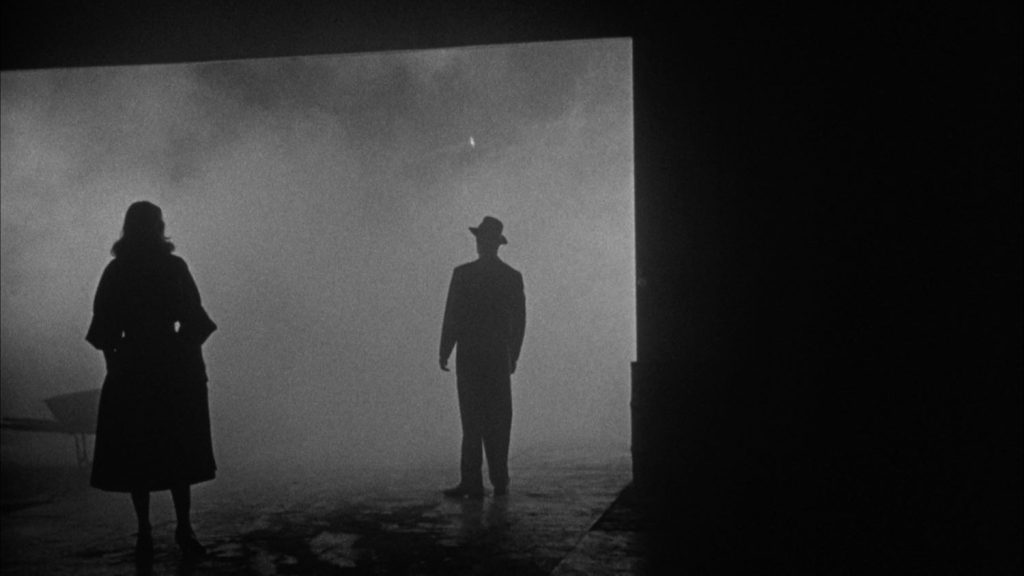
Mastering cinematic suspense mechanics requires understanding that genuine dread is rarely born from what leaps violently out of the dark. Shock is a momentary autonomic reflex, a neurological flinch that vanishes the moment the audio peak decays. Suspense is something entirely different. It is an excruciating, slow-burning psychological contract negotiated between the storyteller and an audience desperate to look away yet utterly incapable of doing so.
When dissected through the prism of cinematic suspense mechanics, Hitchcock’s timeless aphorism about the bomb beneath the table reveals a profound truth about human psychology. If an explosive detonates under an unsuspecting poker table, the audience receives fifteen seconds of surprise. But if the director shows the bomb ticking under the floorboards first and then lets the card game proceed, those mundane conversations about aces and kings become electrifying agonies of anticipation. That deliberate difference separates transient thrills from unforgettable cinema.
The Psychology Behind Narrative Anticipation
Great narrative dread operates on an evolutionary exploit. Human brains are predictive engines, constantly projecting immediate futures to avoid hazards and optimize survival. When a narrative feeds the audience specific puzzle pieces while deliberately severing the protagonist’s ability to see them, the viewer’s cognitive architecture begins to fire in overdrive. Dopamine surges not when a reward or threat resolves, but during the heightened state of uncertainty that precedes it.
This neurological friction generates a visceral physical response. Breathing shallowly, shoulders locking up, pupils dilating in the dark auditorium—these are not accidental reactions. They are direct physiological outcomes orchestrated by optical framing, rhythmic cutting, and tonal frequency. A director does not merely present a story. A master of tension commands the physiological baseline of an entire room.
Consider how classic thrillers treat time. In real life, sixty seconds pass with indifferent uniformity. On screen, sixty seconds can stretch into an eternity when an audience tracks a hand reaching toward a doorknob while knowing a lethal threat waits on the other side. The camera controls temporal perception, transforming chronological seconds into elastic emotional units.
Information Asymmetry and the Geometry of Dread
Every scene that makes an audience sweat relies on a precise calculation of who knows what, and when they learned it. Information asymmetry is the invisible engine of tension. The director holds three distinct vantage points: the audience, the protagonist, and the antagonist. The manipulation of these three lines of sight determines whether a sequence feels terrifying, tragic, or hollow.
This deliberate cognitive gap forms the structural spine of cinematic suspense mechanics, transforming the passive viewer into an involuntary co-conspirator. When the camera drifts away from a cheerful family dinner to reveal a cracked basement window in the background, the director plants an emotional debt. The audience must carry that knowledge alone. The characters continue laughing, passing salt, and making small talk, while the viewer feels an urge to scream through the screen.
Restricting perspective yields equal power. By anchoring the lens strictly over the shoulder of an isolated character in a hostile environment, the director forces the audience to inhabit their sensory deprivation. We see only what they illuminate with a flashlight beam. We hear only what pierces the suffocating ambient silence. Omniscience breeds agonizing anticipation, while intense claustrophobic subjectivity breeds claustrophobic paranoia. Both rely on deliberate information rationing.
Four proven principles governing narrative dread
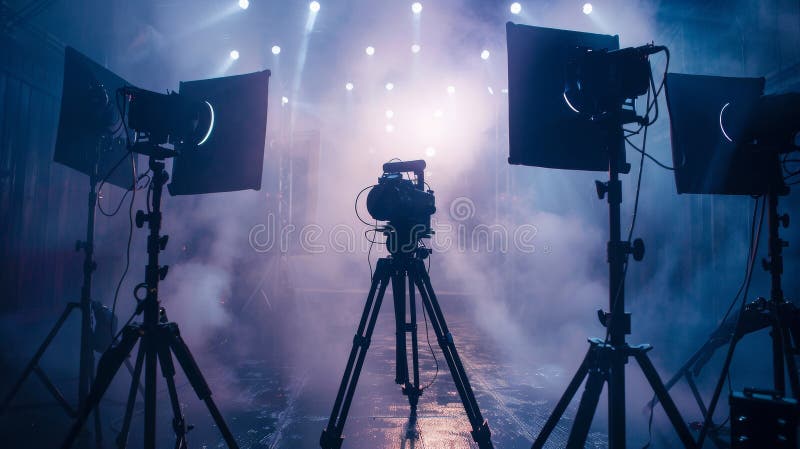
Applying cinematic suspense mechanics with absolute precision demands rigorous command over four core storytelling dimensions.
Weaponize information asymmetry over cheap shock value
Surprise relies on concealment, whereas authentic suspense thrives on disclosure. The most gripping sequences announce the threat early, establish the stakes unmistakably, and then force the audience to wait. When an audience knows that an assassin has slipped poison into a whiskey glass, the simple act of a character raising that tumbler toward their lips carries infinitely more dramatic weight than a sudden, unheralded sniper round crashing through a windowpane. Shock numbs the senses over repeated exposures, but anticipation compounds exponentially.
Stretch temporal elasticity through rhythmic micro actions
Time must become physical clay in the edit suite. When narrative danger peaks, master storytellers break sweeping actions down into microscopic, rhythmic components. The turning of a rusty brass key inside a lock cylinder, the slow condensation dripping down a refrigeration pipe, the dragging step of worn boot leather across grit—each isolated micro-action elongates the space between cause and effect. This subjective distortion of real-time observation sits at the center of cinematic suspense mechanics. By denying the story its inevitable kinetic climax for several agonizing beats, the filmmaker turns the human desire for resolution into an unbearable itch.
Confine physical and psychological spatial geography
Tension dissipates across expansive horizons unless boundaries exist to trap it. Spatial constriction forces characters into inescapable confrontations with their circumstances and their own unraveling sanity. Whether the setting is a stalled elevator shaft, a single room with a locked door, or a vehicle traveling across a desolate highway with a sputtering engine, physical limitation compresses the dramatic energy. The audience must perceive the perimeter instantly. When the geography of danger is simple and clear, the psychological claustrophobia becomes absolute.
Subvert narrative expectations before delivering the delayed payoff
Dread goes stale if it moves on railroad tracks. The human mind quickly adapts to predictable rhythm, and an audience that maps a scene ahead of time detaches emotionally. To maintain genuine grip, the narrative must offer micro-resolutions that appear to defuse the danger, only to reveal an even deeper trap. A character evades the initial patrol only to drop their keys onto the floorboards. The false relief opens a momentary vulnerability in the viewer, making the subsequent escalation strike with twice the emotional resonance.
The Acoustic Architecture of Cinematic Tension
Visuals frame the trap, but sound springs it. Sound designers recognize that sophisticated cinematic suspense mechanics rely far more on the terror of negative acoustic space than on aggressive orchestral swells. A blaring symphonic crescendo signals that the threat has arrived, releasing the audience from anticipation. In contrast, dropping the soundtrack away entirely forces the human ear to hunt through the sonic darkness for minuscule survival cues.
Low-frequency rumbles, subtle sub-bass hums, and the exaggerated presence of mundane foley work directly on the nervous system. The sound of a character’s own accelerated heartbeat or the heavy intake of air held behind clenched teeth creates an acoustic intimacy that dissolves the distance between viewer and screen. Drawing inspiration from deep historical analyses such as the British Film Institute archive on narrative suspense, one finds that legendary directors consistently treated silence as an active, volatile weapon rather than empty audio space.
Just as peak athletic execution relies on kinetic sequencing—where Basketball jump shot mechanics and 4 proven rules that unlock pure accuracy depend on an unbroken chain of balance and kinetic release—cinematic tension relies on an identical synchronization of audio-visual impulses. Cut too early, and the pressure collapses. Cut too late, and the audience grows restless. The kinetic release of an edit must land at the exact psychological peak where the nervous system can endure no further delay.
Fatal Misconceptions That Drain Dramatic Momentum
When amateur directors misunderstand cinematic suspense mechanics, they often confuse manic pacing with genuine narrative pressure. Rapid-fire cutting, deafening music cues, and relentless sensory overload do not produce tension. They produce exhaustion. Without calibrated valleys of quiet observation, an audience cannot register peaks of dread. Contrast is the lifeblood of anticipation.
Another ruinous error is failing to establish genuine human vulnerability. If the character trapped on screen is an invulnerable caricature who reacts to existential peril with flippant one-liners, the audience instinctively checks out. We cannot fear for someone who does not fear for themselves. Suspense requires authentic stakes. It demands characters whose flaws, fragility, and desperate desires make their survival matter deeply.
Finally, visual noise often destroys suspense before it can breathe. Frantic handheld camera shakes and disorienting angles do not convey urgency. They obscure spatial clarity. If the viewer cannot determine where the exit is, where the threat hides, and how far the hero must travel to reach safety, the emotional calculus collapses into confusion. Spatial lucidity is not boring; it is the essential scaffolding upon which narrative terror is built.
The Enduring Legacy of Calculated Cinematic Dread
Cinema evolves continuously, adopting new visual effects, higher resolutions, and intricate digital canvases. Yet the fundamental engineering of suspense remains remarkably unchanged from the earliest silent reels. The human heart rate still responds to the ticking clock, the locked door, the withheld revelation, and the solitary figure walking into an inevitable confrontation.
Ultimately, the mastery of cinematic suspense mechanics reveals that human imagination will always outstrip visual spectacle in manufacturing authentic terror. By providing the audience with just enough information to construct their own worst-case scenarios, the director lets the viewer do the heaviest lifting. The screen provides the spark, the frame establishes the boundary, but the human mind builds the blaze.