Maria Sakkari Faces 3 Critical Tests in a High Stakes Wuhan Open Clash
When Maria Sakkari walked onto the hard courts of the Dongfeng Voyah Wuhan Open against Donna Vekic, search monitors registered an immediate spike across North America. Here is the tactical breakdown behind her late-season surge.
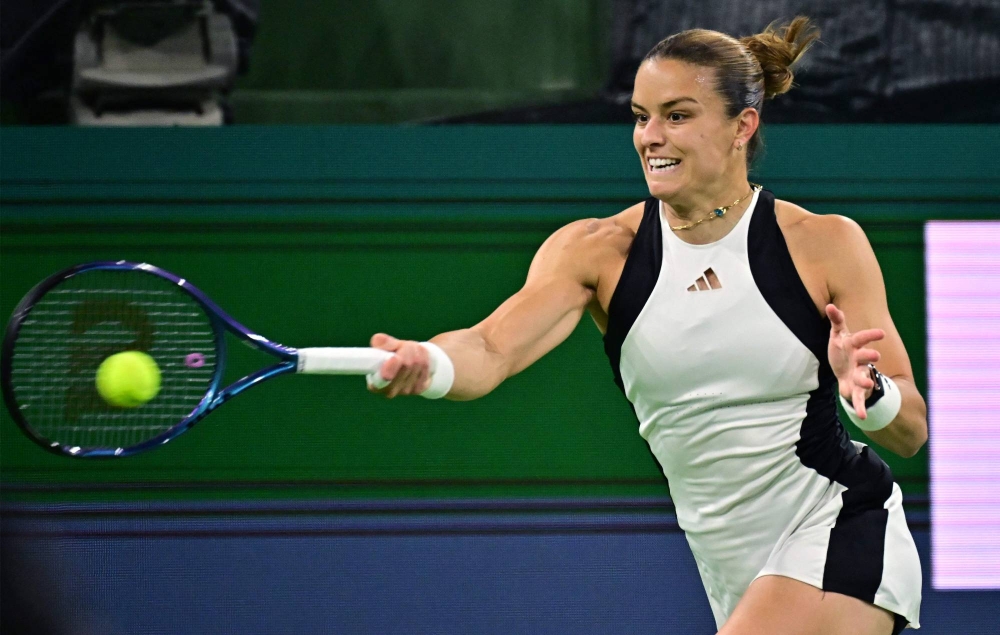
Greece's Maria Sakkari hits a forehand return to USA's Coco Gauff during their ATP-WTA Indian Wells Masters women's semi-final tennis match at the Indian Wells Tennis Garden in Indian Wells, California, on March 15, 2024. (Photo by Frederic J. BROWN / AFP)
The sudden overnight search surge surrounding Maria Sakkari caught global sports monitors off guard as thousands of North American tennis followers scrambled for real-time updates. What appeared at first glance to be a routine tournament scheduling alert quickly transformed into a trending flashpoint. As live score trackers at Tennis.com and official feeds from WTA Tennis registered intense movement, the Greek superstar stepped onto the hard courts of the Dongfeng Voyah Wuhan Open to face Croatian standout Donna Vekić in a blockbuster first-round encounter.
Early-round pairings at WTA 1000 events rarely carry such heavyweight magnitude. Both competitors bring deep Grand Slam resumes, ferocious baseline weapons, and an unyielding physical intensity that transforms opening fixtures into masterclasses of tactical endurance. With Sky Sports carrying international live coverage and international spectators refreshing live point-by-point stats, the digital interest around the Greek stalwart surged past expected seasonal thresholds. To understand why this single match commanded such widespread attention, one must look beyond the scoreboard and dissect the converging pressures of late-season tennis.
The Sudden Surge Behind the Wuhan Spotlight
Search engines witnessed a sharp, localized spike in North America as the opening rounds of the Asian swing got underway in Central China. The Dongfeng Voyah Wuhan Open has historically served as a decisive proving ground where elite players battle through fatigue, race against the calendar, and secure crucial ranking points ahead of year-end showcases. When live sports platforms updated their match centers with alerts for Maria Sakkari vs Donna Vekić, casual viewers and dedicated tennis analysts simultaneously flooded feeds to verify tournament brackets and match times.
Broadcast coverage on Sky Sports brought high-definition urgency to the occasion, capturing intense player entrances and electric shot-making that immediately filtered into global social timelines. According to live feeds maintained by WTA Tennis, the duel featured blistering baseline exchanges from the very first service game. Matches between seasoned top-tier professionals frequently produce explosive rallies, but the timing of this matchup gave it elevated significance. Both athletes arrived in Wuhan needing statement wins to anchor their momentum in the closing stretch of an arduous tour schedule.
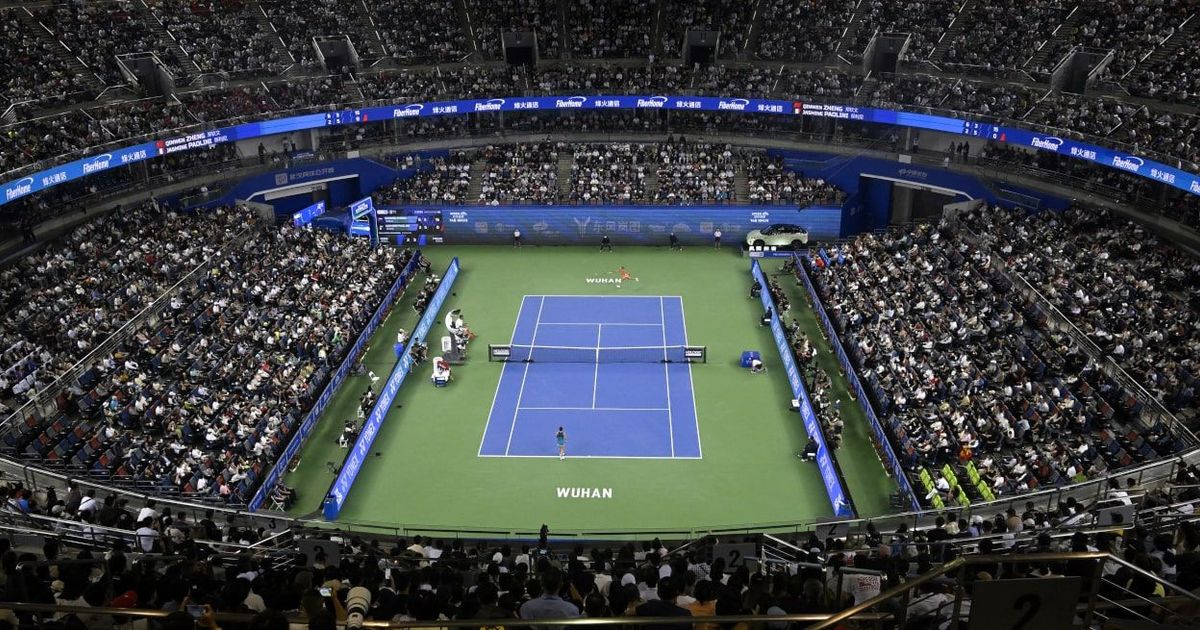
Unpacking the Dongfeng Voyah Wuhan Open Clash
Navigating the draw at the Dongfeng Voyah Wuhan Open requires extraordinary mental stamina. The tournament hosts a dense concentration of world-class talent, where an unseeded draw or an unlucky preliminary placing can pit Grand Slam finalists against one another before the tournament reaches its midway point. In this instance, as Maria Sakkari prepared to take center court against Donna Vekić, spectators were treated to a matchup that easily could have headlined a tournament final on any weekend of the season.
The statistical overview presented by Tennis.com underlined the narrow margins separating the two competitors. Vekić entered the contest with her trademark flat groundstrokes and blistering first serve, while the Greek powerhouse brought her signature athletic recovery and punishing heavy topspin. Every break point carried outsized psychological weight. Tournament records tracked by TennisMajors emphasize how unforgiving Wuhan’s fast-playing hard surfaces can be to anyone hesitating on defensive transition. For tennis enthusiasts tracking every ball strike through digital scorecards, the clash developed into an edge-of-the-seat battle where neither competitor yielded territory without an exhaustive rally.
Three Critical Dimensions Defining This High Stakes Encounter
Analyzing elite modern tennis requires dissecting how technical execution intersects with psychological clarity. Against an opponent with the firepower of Vekić, competing at standard baseline efficiency is insufficient. Surviving and advancing demands that Maria Sakkari operate with flawless geometric precision while handling unrelenting pressure from both sides of the court.
Tactical Aggression Against Heavy Groundstrokes
Vekić has long possessed one of the purest flat backhands on the women’s tour, coupled with an aggressive forehand that punishes short balls mercilessly. To counter this, the tactical blueprint demanded proactive court positioning rather than reactive counter-punching. Instead of dropping four meters behind the baseline to absorb pace, the tactical priority centered on stepping into the court, taking rising balls early, and using angled cross-court forehands to push the Croatian outside the tramlines.
When baseline exchanges stretched past seven shots, the physical edge shifted. The key lay in maintaining depth. Deep, heavy balls kept Vekić pinned behind her baseline, denying her the forward momentum necessary to step inside and pull the trigger on down-the-line winners. By varying service placements and dialing up kick serves out wide, service games provided a necessary launchpad to control tempo.
Mental Resilience and the Commitment to Play Without Fear
A player’s technical talent is only as dependable as the psychological framework supporting it under duress. Weeks before arriving in China, official tournament dispatches highlighted how Maria Sakkari resolved to compete without lingering hesitation. In reflections documented by US Open editorial coverage, she openly addressed the necessity of playing without fear when facing top-tier opposition. She acknowledged that hesitation often proves far more destructive than aggressive errors, underscoring an intentional shift toward trusting her instincts when points tighten.
That psychological commitment mirrors the elite competitive mindset observed across major sporting arenas. When high-stakes pressure mounts, trust in preparation becomes paramount, a dynamic mirrored in team sports such as when Josue De Paula Ignites 4 Critical Reasons the Dodgers Trust Him in October during championship postseasons. For an elite tennis singular talent, performing without self-doubt on break points is the ultimate separator between an early exit and a deep tournament run.
Physical Durability in Late Season Asian Swing Contention
October on the WTA calendar is notorious for testing aerobic thresholds. After months of transcontinental travel spanning Melbourne hard courts, European clay, British grass, and the North American summer swing, physical reserves run dangerously low. Wuhan’s humid conditions combined with high ball-speed conditions require supreme conditioning.
Explosive lateral movement represents the bedrock of this athletic identity. Tracking down drop shots, resetting rallies from defensive corners, and transitioning from lunging defense into offensive striking require world-class footwork. When matches stretch into grueling deciding sets, physical fatigue often manifests as sloppy footwork and missed service returns. Maintaining supreme physical discipline through extended three-set battles remains the ultimate competitive equalizer.
What This Autumn Campaign Means for the WTA Hierarchy
The closing chapters of the tour calendar are defined by ranking stabilization and tournament qualification races. At a prestigious event like the Dongfeng Voyah Wuhan Open, securing decisive victories for Maria Sakkari represents much more than a routine tournament progression. Each round navigated awards substantial ranking dividends that protect seeding viability for the upcoming Grand Slam cycle in Australia.
The WTA landscape currently features extraordinary parity. Rising teenage prodigies and established veterans trade victories on a weekly basis, meaning that a momentary slump in autumn can drop a player several seeding tiers before the new year arrives. Establishing authority against accomplished peers like Vekić sends a clear message across the locker room: the established core of elite athletes will not surrender their positions easily. The points collected in Wuhan provide essential insulation, ensuring high tournament seedings that simplify early-round draws at major championships.
The Broader Trajectory of Greek Tennis on the Global Stage
Beyond individual tournament match sheets, these high-profile battles hold historical significance for sports development in Greece. Over the past decade, Greek presence at the highest tiers of international tennis transformed from an occasional anomaly into a permanent fixture. As a pioneering figure for women’s tennis in her homeland, every televised showcase covered by international broadcasters like Sky Sports serves as an inspirational catalyst for younger generations picking up racquets in Athens, Thessaloniki, and beyond.
Ultimately, the enduring legacy of Maria Sakkari rests upon her refusal to yield an inch from the baseline. Whether grinding through high-humidity marathons in Wuhan or facing down break points on show courts in New York, the philosophy remains grounded in relentless work ethic and tactical bravery. As the Dongfeng Voyah Wuhan Open unfolds, global tennis observers will continue tracking every service hold and baseline winner, watching an athlete prove once again that playing without fear is the only pathway to staying at the summit of world sport.