Maillard reaction mechanics and 4 proven rules that prevent disastrously bland crusts
A pale, gray piece of meat is the silent tragedy of home cooking. By understanding the thermodynamic science of surface browning, you can transform everyday ingredients into culinary triumphs.
Mastering Maillard reaction mechanics is what separates a limp, gray piece of protein from a showstopping culinary triumph coated in an intensely savory crust. We have all stood over a stove, watching in dismay as an expensive cut of beef turns pale and watery rather than developing that deep, mahogany exterior we craved. That disappointing gray band represents lost flavor, wasted texture, and a fundamental misunderstanding of how heat transforms food at the cellular level.
Great cooks rarely rely on luck when they apply heat to a skillet. They recognize that real culinary mastery stems from controlling invisible chemical processes that govern aroma, color, and mouthfeel. Browning is neither an accident nor simple burning; it is an intricate thermodynamic dance between heat, moisture, and molecular composition. When you decode the physics occurring in the first millimeter of your food, you immediately stop guessing and start engineering restaurant-quality textures across every meal you make.
The hidden chemistry behind that golden brown savoriness
When you examine Maillard reaction mechanics under a microscope, you find a dazzling cascade of chemical collisions rather than a single event. First identified by French physician and chemist Louis-Camille Maillard in 1912, this transformation unfolds when reducing sugars collide with the free amino acids of proteins under specific thermal conditions. Unlike simple caramelization, which involves only the thermal degradation of pure carbohydrates at elevated temperatures, this reaction demands the interplay of both nitrogenous compounds and simple sugars.
The sequence begins around 280°F (138°C) and accelerates aggressively up to 330°F (165°C). As thermal energy agitates the surface molecules, the carbonyl group of a sugar molecule reacts with an amino acid’s amino group to create unstable glycosylamine compounds. These intermediate molecules rapidly rearrange into Amadori compounds, which then fracture, combine, and polymerize into hundreds of volatile flavor aromatics and dark pigments called melanoidins.
These resulting compounds produce complex sensory profiles that human palates instinctively register as appetizing. You detect notes of roasted nuts, cocoa, toasted bread, rich broth, and earthy malt. However, push the temperature past 355°F (180°C) for too long, and you risk tumbling into pyrolysis—the thermal decomposition that creates bitter, acrid carbon rather than succulent savory complexity. Controlling this precise thermal window is where culinary artistry meets hard science.
The deadly moisture trap that sabotages surface browning
Understanding this thermal barrier is central to Maillard reaction mechanics because water is the ultimate heat sink. In amateur kitchens, the number one culprit behind rubbery, gray chicken breasts and pale pork chops is invisible surface humidity. Liquid water cannot exist above 212°F (100°C) at standard atmospheric pressure. Until every molecule of surface water has evaporated, your food remains trapped beneath this thermal ceiling, well short of the 280°F required to trigger golden browning.
This hurdle boils down to a fundamental physical principle known as the latent heat of vaporization. It takes roughly 1 calorie of energy to raise 1 gram of water by 1°C, but it requires an enormous 540 calories to convert that same gram of water from boiling liquid into vapor. When you drop a wet piece of meat into a roaring pan, that immense thermal energy does not sear the muscle fibers. Instead, the pan expends its energy boiling away surface moisture, effectively steaming your protein inside a puddle of its own juices.
To overcome this thermodynamic bottleneck, you must wage war on moisture before the meat ever touches metal. Surface dryness determines whether your skillet starts browning instantly or spends two critical minutes boiling the exterior while overcooking the tender interior.
Four proven rules to command the browning process
Transforming ordinary ingredients into flavor powerhouses requires deliberate technique rooted in physical chemistry. By implementing these four foundational principles, you dictate exactly how heat interacts with your food rather than leaving your crust to chance.
Strip every drop of ambient moisture from the surface
Relying on a quick dab with a paper towel right before cooking is an incomplete strategy. Muscle tissue is roughly seventy-five percent water, and capillary action constantly pushes fluids toward the exterior. For thick proteins like steaks, pork loins, and poultry breasts, you need systematic dehydration.
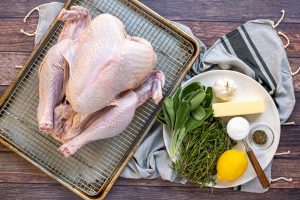
The most effective method is an uncovered overnight dry-brine on an elevated wire rack in your refrigerator. The cold, circulating refrigerator air functions as a natural dehumidifier, drawing ambient water away and forming a thin, tacky surface skin known as a pellicle. When this bone-dry exterior hits a hot cooking surface, browning initiates within seconds rather than minutes, sealing in tenderness without creating a thick, overcooked gray band beneath the crust.
Respect thermal mass over raw flame intensity
A roaring burner beneath an insubstantial pan is a recipe for culinary disappointment. When cold food lands on lightweight cookware, the surface temperature instantly plummets, extinguishing the thermal threshold necessary for rapid browning. The pan takes too long to recover its heat, letting internal juices seep out and flood the cooking zone.
You must prioritize thermal mass by utilizing heavy cast iron, carbon steel, or thick clad stainless steel. These dense materials store substantial heat reserves. Even when confronted with a chilled 16-ounce ribeye, a preheated heavy pan shrugs off the temperature dip, maintaining the sustained energy required to keep surface sugars and amino acids reacting vigorously without interruption.
Manipulate surface pH to speed up golden pigmentation
A fascinating quirk within Maillard reaction mechanics involves the electrical charge of proteins and the role of alkalinity. Amino groups must be unprotonated to react efficiently with reducing sugars. In acidic environments, excess hydrogen ions bind to these amino groups, severely stalling the reaction and leaving food pale despite prolonged exposure to heat.
According to Michigan State University food science researchers, shifting your food slightly toward an alkaline state accelerates browning exponentially. This principle is why Bavarian pretzels are dipped in lye or baking soda solutions prior to baking, yielding their iconic deep amber sheen. In savory cooking, a minuscule pinch of baking soda dusted over finely chopped onions cuts their caramelization time in half, and a delicate dusting on chicken wings guarantees unmatched crispness.
Avoid premature pan crowding to maintain dry contact
Greed is the enemy of crisp texture. Placing too many items into a skillet simultaneously traps evaporating water between the food pieces. As that moisture struggles to escape, it condenses against the pan walls and falls back onto the cooking surface, transforming an intended sear into a miserable braise.
Ensure at least one inch of breathing room around every piece of protein. If steam cannot drift freely upward into your kitchen ventilation, it will remain trapped around your ingredients. Cook in disciplined batches, wiping out pooled grease or liquid between rounds, and keep previously browned pieces resting on a warm rack while you finish the remainder.
Pan metallurgy and why thin cookware guarantees pale food
Cookware choice alters the reality of Maillard reaction mechanics by determining how much stored heat energy is transferred instantly upon contact. Flimsy non-stick aluminum pans might feel effortless to clean, but their low thermal mass and polymer coatings inherently limit safe operating temperatures. Teflon begins degrading at 500°F (260°C), emitting hazardous fumes just as you reach the optimal sear zone.
In contrast, heavy carbon steel and bare cast iron possess remarkable volumetric heat capacity. While iron is actually a mediocre conductor of heat compared to copper or aluminum, its density enables it to act as a thermal sponge, soaking up heat over a ten-minute preheat and releasing it with unyielding force. Clad stainless steel offers the best of both worlds, pairing responsive aluminum cores with rugged, non-reactive steel cooking surfaces that produce incredible fond.
That golden, caramelized residue left stuck to the bottom of a stainless skillet is pure concentrated flavor. Deglazing those sticky particles with wine, stock, or aromatic vinegar lifts those complex melanoidins into a velvety reduction. To take this step even further, understanding culinary emulsion mechanics and 4 proven rules that prevent disastrous sauce separation allows you to mount cold butter into those acidic pan juices without splitting, yielding a luxurious pan sauce that captures every drop of roasted complexity.
How to rescue an uneven sear before bitterness sets in
Skilled cooks who comprehend Maillard reaction mechanics do not panic when browning appears patchy; they adapt. Uneven browning typically stems from uneven pan contact. As proteins heat up, muscle fibers contract violently, causing flat cuts of meat to curl, bow, or lift away from the metal surface, creating air gaps that insulate the food from direct heat transfer.
The solution is active intervention. Use a heavy cast iron chef’s press, the back of a flat stiff spatula, or small parchment rounds weighted down with a ramekin to keep continuous, uniform contact across the entire surface for the first sixty seconds of cooking. This early weight locks the surface flat before thermal rigidity sets in.
If one side of your pan runs noticeably hotter than the other due to uneven burner elements, gently slide the meat across the metal surface rather than flipping it prematurely. If you notice a particular corner creeping past deep amber toward scorched charcoal, lower your burner heat immediately and introduce a generous knob of cold unsalted butter along with woody herbs. The cold dairy fats temper pan surface temperatures while milk solids brown gently, basting the pale spots and evening out color without burning the delicate meat underneath.
Transforming everyday cooking through chemical control
Once you respect Maillard reaction mechanics as an exact thermodynamic negotiation, your relationship with the stove changes forever. You stop viewing cooking as a passive exercise of waiting for a timer to ring and begin reading visual and aromatic cues with scientific clarity. You notice how the sound of a sizzle changes pitch from a dull, wet sputtering to a sharp, dry crackle as moisture departs.
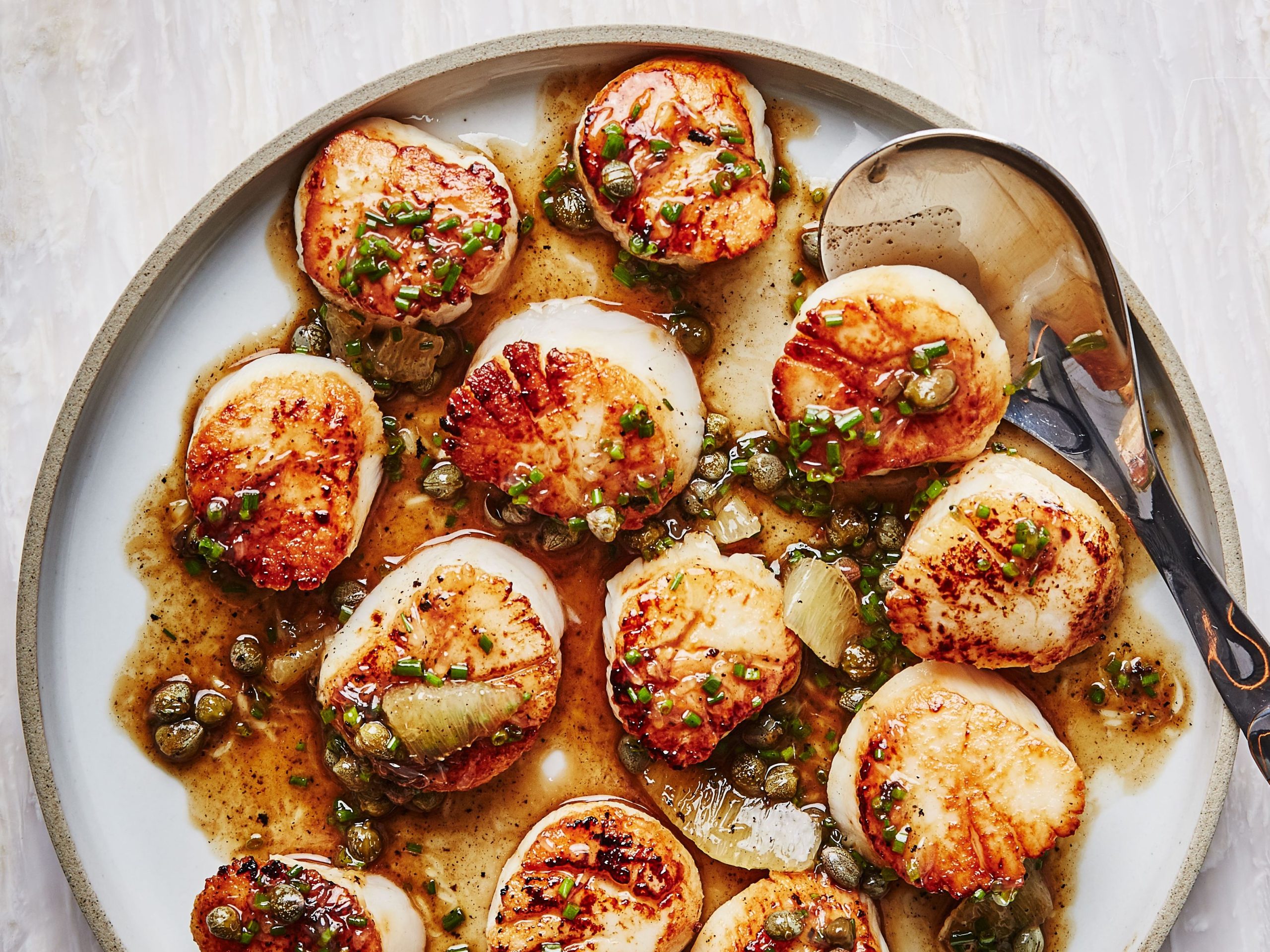
Every ingredient you handle possesses an inherent potential for flavor that only proper temperature management can unlock. Whether you are roasting root vegetables to bring out earthy undertones, searing sea scallops to create crisp golden rims, or building an unforgettable crust on a prime cut of beef, the foundational rules never alter. Banish surface moisture, harness thermal mass, regulate pan spacing, and command the temperature boundary. When you respect the physics, extraordinary flavor takes care of itself.