Meat Brining Mechanics and 4 Proven Rules That Prevent Disastrously Dry Roasts
Discover how cellular physics and ionic diffusion transform lean proteins into exquisitely juicy roasts. Master the science of moisture retention and eliminate chalky, dry meat forever.
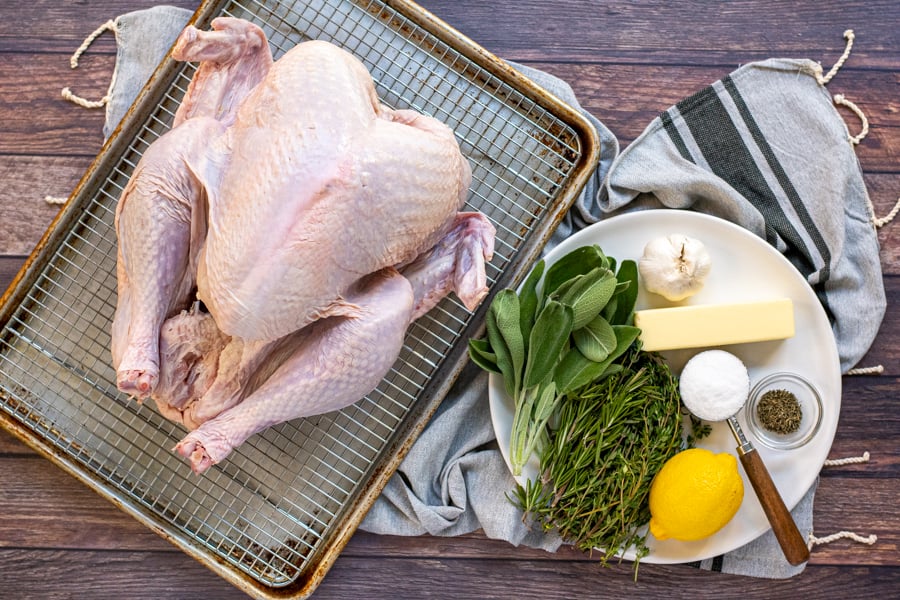
Mastering meat brining mechanics transforms how home cooks understand moisture, turning notoriously temperamental proteins into tender, impeccably seasoned culinary centerpieces. Every cook has experienced the quiet heartbreak of carving into a Thanksgiving turkey crown or a thick-cut pork loin only to encounter chalky, parched muscle fibers that demand an emergency bath of gravy. The conventional advice to simply pull the meat off the heat five degrees early rarely solves the underlying challenge. Lean muscle cuts naturally surrender substantial liquid when exposed to roasting temperatures, regardless of how vigilantly you monitor an instant-read probe.
Animal muscle tissue consists of roughly seventy-five percent water trapped inside a dense framework of filament proteins called actin and myosin. As thermal energy penetrates the meat, these proteins undergo progressive denaturation. Around one hundred and twenty degrees Fahrenheit, the protein coils begin to unfold, and as temperatures push past one hundred and forty degrees, they coagulate into tight, rigid knots. This contraction acts like a microscopic vice, wringing free capillary water out of the cells and forcing it toward the surface where it rapidly evaporates into the oven cavity.
How Salt Ions Reshape Protein Architecture
When evaluating meat brining mechanics, many cooks wrongly assume that simple osmosis does all the heavy lifting. In standard textbook osmosis, water moves across a semipermeable membrane from an area of low solute concentration to one of high solute concentration in an attempt to equalize osmotic pressure. If meat cells behaved as pure osmotic membranes, placing a chicken breast in heavily salted water would actually dehydrate the flesh immediately by drawing internal juices out into the saline solution.
The real magic occurring beneath the skin involves electric charges and protein solubility. Table salt dissolves in water into positively charged sodium ions and negatively charged chloride ions. These tiny ions diffuse deep into the meat tissue along a concentration gradient. Once inside the muscle bundles, the chloride ions bind to the protein filaments, imparting a negative charge to the actin and myosin structures. Because like charges repel, the tightly packed protein strands push away from one another, creating substantial microscopic voids within the cellular matrix.
As these filaments loosen and partially dissolve, their capacity to retain moisture multiplies exponentially. The newly expanded protein scaffold can trap up to twice as much free water, locking it in place via physical surface tension and capillary action. When heat is subsequently applied during roasting, the denatured proteins no longer contract into dense, moisture-expelling ropes. Instead, they form an open, gelatinous matrix that holds onto liquid even when cooked to safe pasteurization temperatures. This structural transformation represents the foundation of meat brining mechanics, elevating basic seasoning into molecular engineering.
The Fundamental Battle Between Wet and Dry Brining
Understanding modern meat brining mechanics requires settling the persistent debate between liquid submersion and surface salting. For decades, traditional holiday recipes instructed cooks to submerge twenty-pound birds into five-gallon buckets of ice-cold salt water, often scented with peppercorns, rosemary sprigs, and apple cider. While wet brining reliably inflates meat weight through hydrostatic absorption, much of that gained weight consists of plain tap water. When the bird hits the pan, that excess moisture dilutes the rich, savory glutamates and fat-soluble flavor compounds naturally present in the flesh, yielding a texture that can feel spongy rather than genuinely succulent.
Dry brining, which professional kitchens refer to as curing or salting by equilibrium, operates on an identical ionic premise but delivers dramatically superior culinary results. When you distribute coarse salt evenly over raw protein, the salt grains pull a small volume of protein-rich cellular moisture to the exterior via capillary draw. The salt then dissolves in this extracted surface liquid, forming an intensely concentrated brine droplet right against the muscle wall. Within hours, that concentrated droplet diffuses back into the interior fibers through Fickian diffusion, carrying the sodium and chloride ions into the deep tissue while leaving the surface clean and dry.
Just as bio-mechanical forces govern structural resilience under sudden loading—a principle explored in depth regarding Deceleration Mechanics and 4 Proven Rules That Prevent Devastating Knee Injuries—the structural resistance of animal muscle tissue responds to physical strain and ionic flux under uncompromising scientific laws. When you eliminate unnecessary external water from the preparation phase, you prevent structural waterlogging while simultaneously preparing the skin for peerless crisping.
Four Essential Rules for Flawless Brining Precision
Applying meat brining mechanics successfully in a domestic kitchen requires deliberate control over concentration, geometry, and thermal exposure. Follow these four structural guidelines to maximize tenderness and flavor density without compromising safety.
Calculate Salt by Muscle Mass Rather Than Water Volume
Traditional wet recipes specify a cup of kosher salt per gallon of liquid, an arbitrary ratio that disregards the physical density of the protein being treated. To achieve repeatable, restaurant-grade results, transition entirely to weight-based measurements using a digital kitchen scale. For optimal water retention without harsh saltiness, target a total salt concentration between one percent and one point five percent of the meat weight. For delicate poultry breasts, one point one percent provides a delicate seasoning threshold, whereas denser muscle groups like whole beef roasts or bone-in pork shoulders thrive at one point three to one point five percent. Weighing both meat and salt ensures the interior reaches exact seasoning equilibrium without risking an inedibly salty outcome.
Allow Adequate Diffusion Time for Complete Core Penetration
A complete grasp of meat brining mechanics reveals that speed is the natural enemy of uniform salinity. Salt ions travel through cold raw muscle tissue at an average pace of roughly one centimeter every twenty-four hours. If you season a thick roast an hour before placing it in the oven, you merely create a salty surface crust while leaving the center completely untouched by ionic relaxation. For single chicken breasts and individual chops, four to eight hours in the refrigerator proves sufficient. For thick beef cuts, whole chickens, and bone-in roasts, allow twenty-four to forty-eight hours. Massive centerpieces like whole holiday turkeys demand a minimum of forty-eight to seventy-two hours of refrigerated resting to enable the ions to travel fully to the deepest bone-adjacent fibers.
Balance Sugar and Aromatics for Surface Caramelization
While salt ions are microscopic enough to diffuse rapidly through cell walls, aromatics and sugars behave completely differently. Flavor molecules from garlic cloves, whole peppercorns, and woody herbs possess large, non-polar molecular structures that cannot penetrate dense muscle tissue, regardless of how long the meat rests in a brine. Sugar molecules, however, act as powerful humectants that bind free water at the surface while lowering the temperature threshold required for non-enzymatic browning. Incorporate a modest amount of raw sugar or brown sugar—never exceeding zero point five percent of total meat weight—primarily to accelerate exterior Maillard reactions during the final roasting blast without scorching the exterior.
Air Dry the Exterior Thoroughly Before Applying Heat
The single greatest hazard of improper brining is soggy, rubbery skin. Water consumes staggering amounts of thermal energy to evaporate; one gram of liquid water requires approximately two thousand two hundred and sixty joules of heat energy to convert into steam. If your protein goes into the pan or oven carrying wet exterior moisture, the roasting environment will steam the skin rather than fry it in its own rendered fat. After the diffusion phase concludes, place the meat completely uncovered on an elevated wire rack in the coldest part of your refrigerator for the final twelve to twenty-four hours. The circulating dry air dehydrates the outermost epidermal layers, yielding translucent, parchment-like skin that shatters into paper-thin crisps the instant it contacts intense heat.
Diagnostic Solutions for Common Brining Pitfalls
Even seasoned home cooks occasionally encounter frustrating inconsistencies when working with commercially processed proteins. Supermarket poultry is frequently pre-injected with a hidden saline solution, labeled cryptically on packaging as enhanced or basted with up to a fifteen percent solution. If you apply a standard one-point-five percent dry brine to an already injected piece of poultry, the cumulative sodium load will overpower the meat and cause an unpleasantly mushy, ham-like cellular breakdown. Always check the primary ingredient label or consult reputable USDA Food Safety and Inspection Service guidelines on brining to confirm you are starting with pure, untreated meat before calculating your salt ratios.
If you mistakenly leave a lean cut in a wet brine bath too long, the concentrated saline environment will eventually break down structural myofibrillar proteins completely, turning the outer perimeter of the meat into a soft, gelatinous paste. When time gets away from you and you need to salvage over-brined pork chops or chicken parts, soak the meat in cold, fresh water for sixty minutes to draw surface salts outward, then pat it aggressively dry with paper towels before searing over high heat.
Ultimately, respecting meat brining mechanics frees home cooks from dry poultry breasts, leathery pork chops, and unpleasant textural collapse. By moving away from arbitrary liquid mixtures and leaning into the predictable realities of ionic diffusion, protein denaturation, and evaporative chilling, you guarantee that every centerpiece roast emerges from the oven tender, structurally stable, and bursting with its own concentrated natural flavor.