Google Play System Update Glitch Sparks Confusion with 3 Critical Android Surprises
Android owners woke up to an update dated January 1, 2027, triggering widespread bewilderment across Samsung, OnePlus, and Motorola devices. Behind the harmless date mix-up lies Google’s intricate modular operating system architecture and an aggressive global ecosystem push.
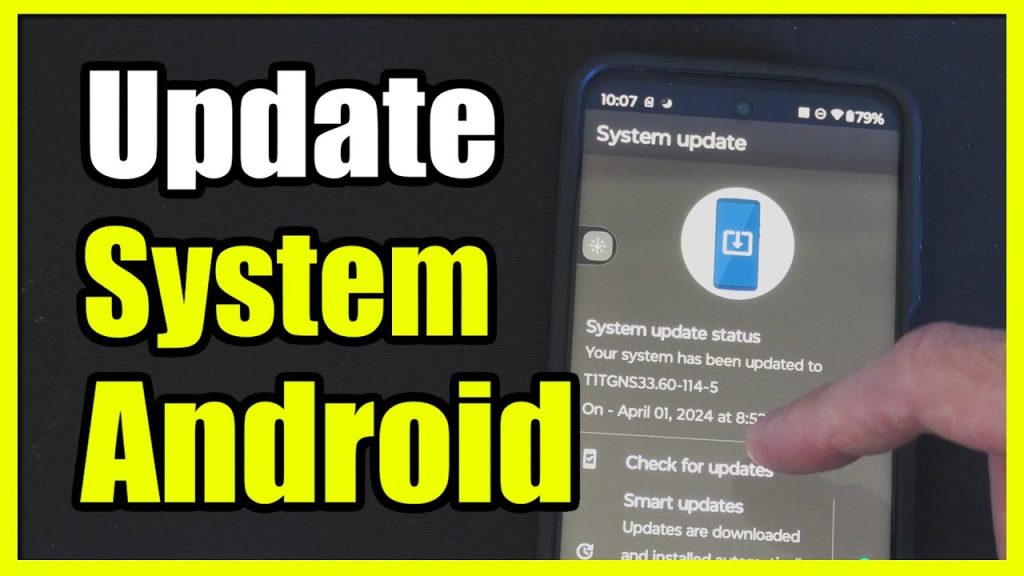
When an unexpected Google Play system update arrived on flagship phones this week, millions of users blinked twice at their screens. Across technical forums, social media channels, and community support boards, Android owners began circulating screenshots of a bizarre anomaly that seemed to defy the calendar itself. Devices across multiple major manufacturers were suddenly claiming their software was fully secured and updated to January 1, 2027. What initially appeared to be a catastrophic software glitch or an elaborate user prank turned out to be an authentic, wide-scale distribution anomaly originating straight from Mountain View.
While mainstream smartphone owners wondered whether their hardware had inadvertently warped three years into the digital future, technical observers recognized the fingerprints of Google’s complex, modular backend delivery pipeline. Far from being a destructive system failure, the timestamp mix-up provides a rare, transparent window into how modern Android maintenance actually operates behind the scenes, bridging core firmware patches with independent component servicing.
The Bizarre 2027 Time Travel Glitch Across Modern Handsets
Reports quickly mounted after users discovered that the recent Google Play system update carried a perplexing timestamp that skipped clean past the present decade. As documented extensively by Android Authority, owners of diverse hardware families, most notably Samsung Galaxy devices alongside hardware from OnePlus and Motorola, began noticing the January 1, 2027 label in their software verification menus. Rather than showing a routine monthly patch status, the settings panel confidently asserted that the device was operating on software created years ahead of schedule.
The scale of the rollout prompted immediate analysis from hardware-specific publications. According to investigative coverage from SamMobile, Galaxy users exploring their One UI interface received a payload measuring approximately 100MB. Even internal test environments and bleeding-edge test builds reflected the anomalous 2027 date marker. Despite the jarring label, affected devices continued operating smoothly, navigating cellular networks, authenticating biometric passes, and handling secure transactions without operational hitches.
Android Police soon confirmed that the occurrence was rooted in an informational metadata mix-up rather than a compromised kernel build. Google continually deploys multiple Play system updates every single month to introduce minor background features, streamline APIs, and remediate underlying OS bugs across hundreds of distinct device models. During this specific deployment cycle, an uncorrected chronological string slipped through staging pipelines into public release channels, instantly propagating the futuristic date stamp across three continents before engineers could arrest the distribution sequence.
Why Modular Infrastructure Triggers These Phantom Timestamps
Understanding how a calendar bug can bypass factory testing requires examining how the modern Android operating system is divided. In the platform’s early years, any critical bug fix or security patch demanded a monolithic over-the-air firmware update. This archaic process required months of qualification, beginning with Google’s source code, traveling through chipset manufacturers like Qualcomm and MediaTek, undergoing carrier testing, and finally landing on end-user hardware. In response to rampant ecosystem fragmentation, Google introduced Project Treble and subsequently Project Mainline, fundamentally separating core OS components from vendor hardware implementations.
As detailed by technical analysts, Google pushes out every Google Play system update independently of full operating system firmware. By packaging critical frameworks into modular APEX and APK containers, engineers can update components like media codecs, network stack resolvers, permissions controllers, and cryptographic engines straight through Google Play infrastructure. This architecture bypasses wireless carrier delays and OEM engineering queues entirely, allowing Google to deploy emergency zero-day vulnerability fixes to billions of connected screens in hours.
However, this speed introduces unprecedented continuous-delivery complexity. Because the underlying package of a Google Play system update delivers essential framework improvements while remaining distinct from the device-level security patch level, the phone must consult cloud staging manifests to verify its current version status. When Google’s staging server publishes an internal manifest containing a future placeholder date, the on-device client accurately reads and displays the metadata it received. The phone did not break, and the operating system was not compromised; rather, the device faithfully rendered a typographical error embedded inside an otherwise functional 100MB background package.
Three Critical Takeaways from Google Expanding Mobile Architecture
The sudden appearance of the 2027 update timestamp arrives at a transformative moment for Google’s mobile platform. Beneath the surface humor of time-traveling smartphones lie three structural realities defining the Android ecosystem today.
Core Ecosystem Modularization and Mainline Control
The central lesson of this week’s software mix-up is the unparalleled reach of Google’s centralized maintenance pipeline. Ten years ago, an errant date string pushed to a Samsung Galaxy device would have been attributed directly to Samsung’s regional engineering teams. Today, observing how a background Google Play system update bypasses months of carrier certification illustrates the absolute authority Google has regained over core operating system components. Mainline modules now govern everything from Bluetooth performance to core identity infrastructure.
This reality also highlights the ongoing tension between polished official channels and independent Android customization. As noted in a deep dive by MakeUseOf, the vast majority of consumers rely entirely on Google Play to safeguard their banking apps, video streaming services, and the polished daily utilities that define their digital lives. Advanced users frequently look outside official storefronts toward open frameworks like Shizuku to command system-level features that Google intentionally sandboxes. Just as complex systems can hide subtle baseline errors, homeowners often discover that Mortgage amortization mechanics expose 4 costly errors that crush household wealth when compound interest schedules are miscalculated over long multi-year horizons. In both personal finance and operating system architecture, minor upstream clerical assumptions inevitably cascade into massive downstream distortions.
Competitive Gaming Push with Google Play Arena in India
While Western engineering desks managed the rollout metadata anomaly, Google was simultaneously executing a major strategic offensive in emerging markets. According to an official announcement published on blog.google, the company launched Google Play Arena, an ambitious tournament platform branded as India’s ultimate mobile gaming championship. India currently represents one of the world’s most vibrant and rapidly expanding mobile gaming populations, with hundreds of millions of players adopting high-performance mobile esports titles.
The introduction of Google Play Arena proves that the platform’s vision stretches far beyond routine background updates and passive storefront cataloging. By organizing large-scale competitive championships directly linked to Play Store titles, Google is seeking to lock in consumer loyalty, incentivize in-app purchases, and forge deeper relationships with top-tier game publishers. The Play ecosystem is evolving into a comprehensive entertainment and competitive arena, making rock-solid backend infrastructure more financially vital than ever before.
Diagnostic Verification Steps for Affected Android Users
For users who woke up to find their device reporting a 2027 date, knowing how to interpret device diagnostics prevents unnecessary troubleshooting measures like factory resets. If your smartphone has received the erroneous build, verify your status through the following verification checks:
- Examine the Security Patch Level: Distinguish between your Android Security Patch Level (which reflects the OEM and chipset level firmware) and the Play system field. If your main security patch shows the current month while the Play field reads January 1, 2027, your hardware is entirely safe.
- Avoid Forced Cache Wipes: Wiping Google Play Services data or executing a factory restore will not revert the timestamp, as the manifest data resides in the currently loaded APEX system partition.
- Check Update Availability: Google routinely deploys hotfix metadata over-the-air. Navigating to Settings, opening Security and Privacy, and tapping the update check option will eventually pull down a corrected string once regional servers sync.
Technical communities have verified that verifying your active Google Play system update build inside device settings remains straightforward, and the anomalous date does not invalidate SafetyNet or Play Integrity API attestations. Banking applications, payment gateways, and work profile authenticators continue to function normally because cryptographic handshakes rely on real-time network clocks rather than localized metadata labels.
The Realities of Global Android Fleet Maintenance
Maintaining an active fleet of more than three billion diverse hardware units represents one of the most formidable logistical challenges in computational history. When an engineering team manages codebases that span entry-level processors in developing economies to premium titanium flagships, minor deployment friction is statistically inevitable. Far from signaling operational weakness, the harmless confusion generated by this Google Play system update demonstrates how dependent the entire ecosystem has become on silent, continuous backend orchestration.
As operating systems mature, the traditional boundary between local device firmware and dynamic cloud services continues to blur. The 2027 date mix-up will quickly fade as hotfix manifests overwrite the errant text across global carrier channels. What remains permanent is the underlying philosophy that made the glitch possible: a relentless, invisible network of micro-updates designed to keep the world’s most popular operating system secure, competitive, and continuously evolving.