Gold and Silver Price Decline Triggers 4 Major Shocks Across Global Markets
Precious metals tumbled dramatically as gold slipped under the critical four-thousand-dollar mark and silver hit its lowest close since late 2025. Here is the investigative breakdown of the oil shocks, yield distortions, and physical demand slumps driving the rout.
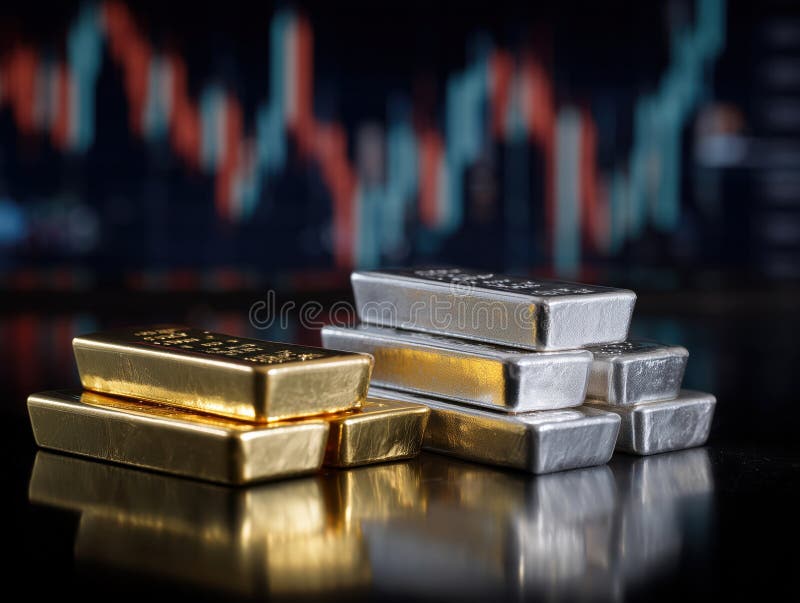
The rapid gold and silver price decline caught institutional trading desks off guard on Friday morning as gold tumbled beneath an essential psychological baseline. After spending late summer and early autumn near historical record valuations, bullion experienced a sudden retreat that shattered short-term bullish technical structures. What began as a moderate repositioning earlier in the trading week turned into an outright liquidation across international derivatives exchanges, catching leveraged retail accounts and institutional hedging books in a synchronized unwinding.
Commodity participants observed gold slipping decisively through key chart parameters while sister metal silver absorbed even heavier percentage damage. Market commentators had widely presumed that late-year macroeconomic uncertainty would keep a sturdy floor under non-yielding monetary assets. Instead, the sudden selloff established a sharply contrasting narrative, reminding investors that precious metals remain highly vulnerable to broader cross-asset liquidations and shifting macroeconomic headwinds.
A Historic Retraction Below Critical Floors
Market data published by Yahoo Finance revealed that spot gold dropped beneath the $4,000 an ounce milestone on Friday for the first time since July, bottoming out at an intraday low of $3,986.85. The speed of the move was particularly striking given that only three weeks prior, bullion had been trading near fresh lifetime records. The sharp downward repricing marked gold’s most severe weekly loss since June, according to market summaries from The Economic Times.
While gold captured the loudest headlines due to its high-profile pricing tier, the damage sustained by silver futures was mathematically far more severe. As reported by The Wall Street Journal, silver futures settled down 4.6% in New York at $54.764 per troy ounce. That print represented the contract’s lowest settlement price since November 2025. Forbes also highlighted that silver slipped to its lowest price of the entire calendar year so far, wiping out months of hard-won industrial and monetary risk premiums in a matter of trading sessions.
The swiftness of the move caught trend-following systematic funds on the wrong side of the tape. Stop-loss orders positioned beneath previous support zones triggered automatically on commercial exchanges, generating cascading volume that fed upon itself and magnified the broader gold and silver price decline across Western commodity bourses.
The Middle East Energy Friction Paradox
The standard textbook theory of precious metals trading asserts that when geopolitical turmoil escalates, capital instinctively rushes toward gold and silver as quintessential safe havens. Yet reporting from Kitco News highlighted a profound paradox unfolding late in the week. Spot gold and silver prices plunged sharply during late U.S. trading even as regional instability along the vital Strait of Hormuz intensified, triggering a massive spike in crude oil benchmarks.
Rather than providing an emergency cushion, the tension in the Strait of Hormuz acted as a catalyst for a distinct market dynamic. The jump in oil prices immediately heightened concerns regarding persistent baseline inflation. If energy inputs spike rapidly, central banks face restricted room to execute further monetary easing. Investors suddenly confronted the reality that benchmark borrowing costs might have to remain higher for longer to absorb the inflationary impulse of costlier energy.
Intriguingly, the Kitco report documented that precious metals tumbled despite softening benchmark sovereign bond yields during that specific late-session window. This rare breakdown of the traditional inverse correlation between bond yields and precious metals underscored the severity of cash-raising operations. Market desks facing energy-related margin calls elsewhere in their portfolios opted to liquidate liquid precious metals holdings to secure necessary capital, complicating the efforts of analysts trying to decipher why the gold and silver price decline accelerated alongside rising crude prices.
Four Decisive Forces Fueling Precious Metal Selloffs
To fully grasp the anatomy of the retreat, one must look beyond single-headline explanations and assess the four intertwined market mechanics responsible for the gold and silver price decline this week.
1. Surging Crude Prices and Inflation Anxiety
Surging energy prices reintroduce friction into global supply chains. When crude oil rallies sharply on Middle East shipping vulnerabilities, trading algorithms reprice the trajectory of international consumer price indexes. Rather than viewing gold as an immediate inflation hedge, macro funds frequently sell bullion in the initial phase of an energy shock because higher inflation raises the opportunity cost of holding non-yielding metals against interest-bearing sovereign debt instruments.
2. The Breached Psychological Threshold of Four Thousand Dollars
The drop below $4,000 per ounce in spot gold—down to $3,986.85—represented far more than an incremental price variation. It broke the dominant psychological anchor that had stabilized the market since July. Once that structural level cracked, quantitative trading desks were forced to rebalance their risk parameters, triggering substantial automated sell programs that overwhelmed existing institutional bids.
3. Silver Futures Sinking to Multi-Month Depths
Silver functions in two distinct arenas, operating both as a monetary alternative and an indispensable industrial input. When industrial commodities show signs of demand exhaustion, silver often leads metals downward. The 4.6% plunge to $54.764 per troy ounce confirmed that silver had dropped to its lowest close since November 2025. This steep drop exposed aggressive margin leverage in futures contracts, accelerating liquidations as commercial traders liquidated speculative long positions to limit downside portfolio damage.
4. Stagnant Consumer Jewellery Demand in Key Asian Markets
Physical buying from top global consumer regions normally steps in to absorb paper market selloffs, but that crucial physical safety net has frayed. Reporting from The Economic Times emphasized that China’s gold jewellery demand has remained under immense pressure throughout 2026, logging its weakest first-half demand in years. Without robust retail jewellery purchasing and wholesale restocking out of major Asian consumption hubs, paper market sell orders met an unusually thin physical bid.
Perception Versus Mechanical Market Liquidity
Financial commentary often assumes that markets trade on clear, direct narratives. Novice observers expect that geopolitical danger invariably equals a rally in bullion. In practice, trading floors operate on plumbing, clearinghouse leverage, and collateral requirements that can completely overwhelm textbook logic. What appears on the surface to be contradictory behavior is often simply the mechanical reality of liquidity management during an abrupt shift in macro sentiment.
Sensory expectations frequently diverge from physical mechanics in high-stress environments. Just as cinematic sound designers construct artificial depth where audiences assume reality is straightforward—in the way Foley sound mechanics reveal 4 brilliant secrets that fool every listener—financial charts often project the illusion of absolute safety right before internal leverage unceremoniously gives way. The ongoing gold and silver price decline illustrates how quickly speculative leverage can unravel when collateral buffers are tested across several asset classes simultaneously.
When crude futures spike, commercial trading firms must allocate substantial liquidity to cover potential short calls on energy derivatives. If secondary accounts are holding deep profits on gold and silver accumulated over prior quarters, those positions become prime candidates for immediate liquidation. Gold and silver are highly liquid markets, allowing funds to access instant liquidity without causing structural distress to less traded credit holdings.
Forward Outlook for Precious Metals Heading Toward Year End
Commodity desks are now recalibrating their strategic frameworks for November and December. The immediate technical objective for gold bulls will be reclaiming and sustaining trade above the breached $4,000 benchmark. Until spot prices can prove stability above that waterline, technical desks will treat corrective rallies as selling opportunities rather than resumption of the long-term uptrend.
For silver, holding the $54 per ounce territory becomes paramount. A sustained breakdown below the late-2025 support levels would point toward an extended consolidation period, especially if global industrial output and consumer electronics manufacturing continue to exhibit uneven growth. Market strategists navigating this gold and silver price decline heading into the final stretch of the year must carefully weigh geopolitical supply shocks against the reality of softer physical demand in Asia and shifting interest rate horizons.
The coming weeks will reveal whether physical buyers in Asia perceive these multi-month lows as an attractive entry point or if institutional liquidity demands will trigger another cascade across exchange floors, ensuring the ramifications of this gold and silver price decline will shape sentiment through year-end.