Gina Hinojosa Sparks 4 Critical Battles in a Fiery Texas Showdown
Democrat Gina Hinojosa is shaking up the Texas gubernatorial campaign against Greg Abbott amid sharp tax disputes and shifting voter coalitions. Here is an inside look at the four major friction points redefining the high-stakes contest.
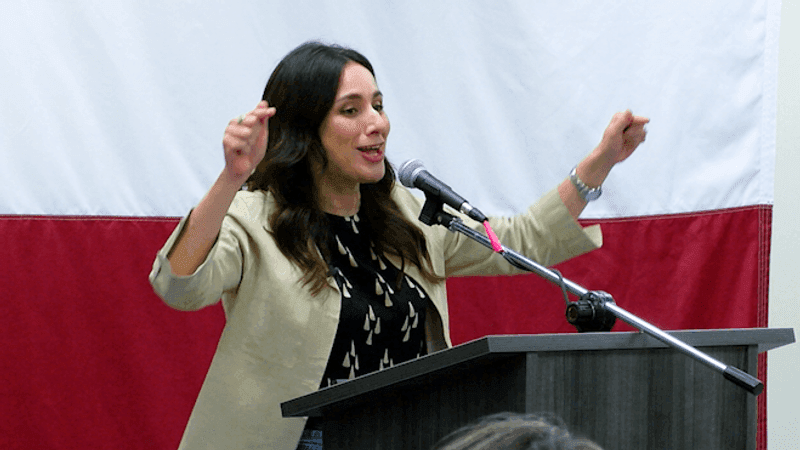
Democratic state representative Gina Hinojosa has ignited a ferocious political battle in Texas, turning what Republicans anticipated as a routine statewide defense into an unexpectedly grueling midterm contest. For decades, Republican dominance in Austin rested on an unyielding conservative firewall and disciplined fundraising machinery. Yet, as primary and general election dynamics accelerate across the state, third-term incumbent Governor Greg Abbott finds himself mounting an aggressive offensive to stave off an energized Democratic challenge.
The sudden escalation has drawn intense national scrutiny. With public polling reflecting a tight contest, Abbott and his campaign leadership have launched fierce attacks against her legislative record. Meanwhile, political observers and veteran strategists note that the state’s shifting suburban demographics and long-simmering debates over public school funding are complicating traditional voting lines. What was once viewed by national party gatekeepers as a low-probability venture has transformed into one of the most watched gubernatorial battlegrounds in the country.
The Brewing Shockwave in Austin and Beyond
The atmosphere surrounding the gubernatorial campaign reflects a noticeable shift from previous election cycles. As reported by KHOU, both candidates have plunged into intense campaign blitzes across critical population corridors. While Abbott travels the state emphasizing parental rights and economic conservatism, Hinojosa has targeted suburban hubs with focused education town halls, including high-profile gatherings in Cypress. These grassroots events have exposed real vulnerabilities within districts that the Republican establishment previously carried by comfortable margins.
This emerging vulnerability is not just an anxiety whispered in Austin corridors. An investigative perspective from The New York Times highlighted deep unease among Republican insiders regarding the Democratic nominee’s expanding reach. In that reporting, conservative figures like Lynn Davenport, a lifelong Republican activist who met Donald Trump backstage at a 2016 Texas rally and stood among demonstrators at the January 6 Stop the Steal rally in 2021, voiced open frustration with establishment governance. When long-standing conservative grassroots leaders begin signaling discontent with current leadership, the political ground inevitably shifts.
Rather than running a conventional statewide campaign reliant solely on urban progressive strongholds, the strategy pushed by Gina Hinojosa seeks to capitalize on these localized conservative rifts. By zeroing in on bread-and-butter community issues such as classroom resources and local governance, her campaign aims to pull disenchanted suburban voters away from Abbott’s column.
Four Critical Flashpoints Redefining the Texas Gubernatorial Showdown
The intensifying clash between the two campaigns centers on four distinct political arenas, each exposing the sharp policy contrasts and institutional pressures driving the race.
The Fierce Clash Over Constitutional Tax Bans
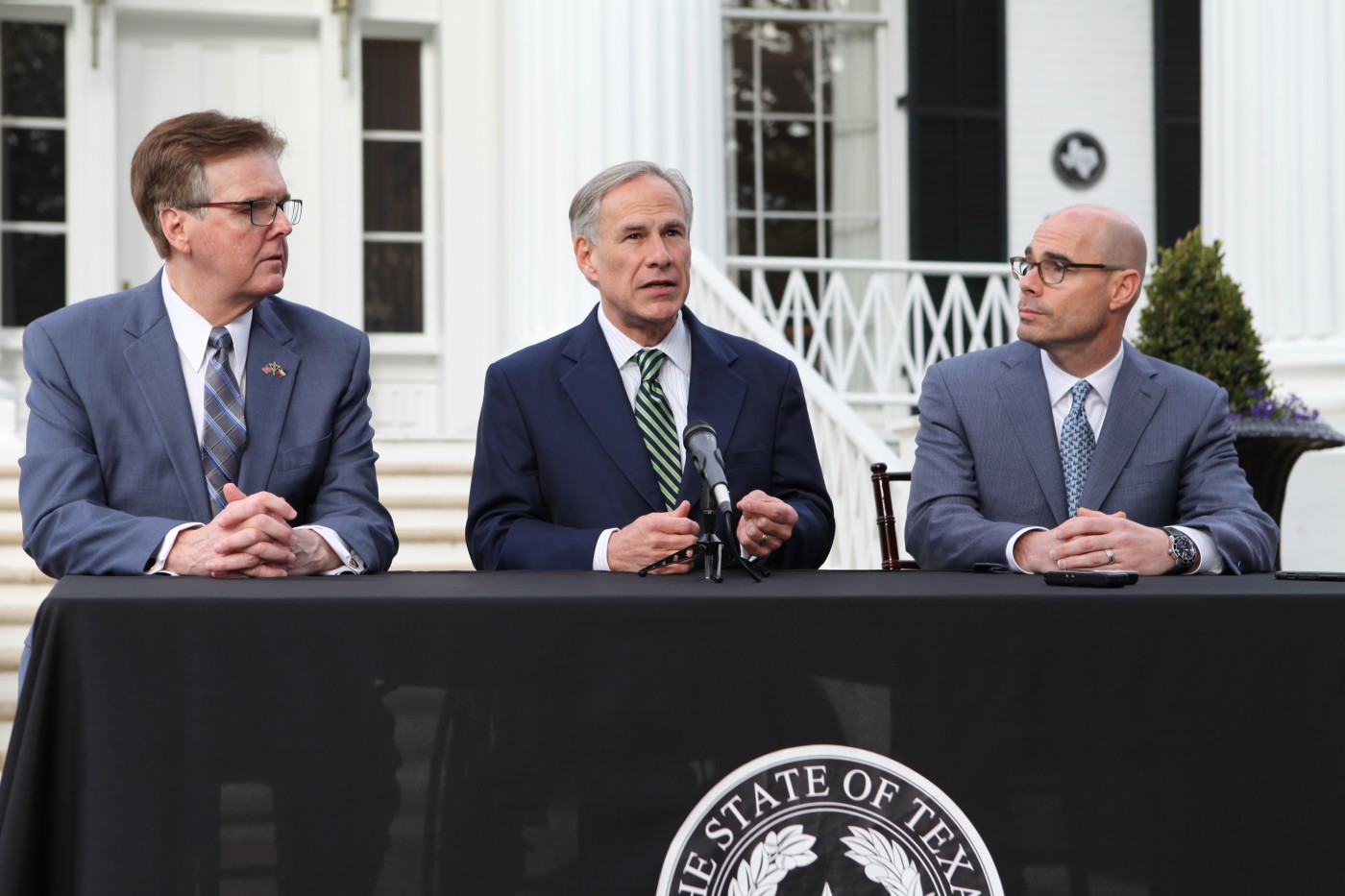
Tax policy has rapidly surged to the center of Abbott’s messaging blitz. As documented by CBS News, Abbott has sharply criticized his opponent over state tax policy, publicly accusing her of supporting a state income tax. The core of this attack traces back to the Texas Legislature’s debates surrounding a constitutional amendment designed to permanently prohibit a statewide personal income tax.
Abbott contends that voting against the constitutional amendment resolution was functionally equivalent to endorsing a new tax on Texas workers. In repeated public appearances covered by CBS News, the governor claimed that Gina Hinojosa was actively attempting to mislead voters about her legislative record. Her campaign and legislative defenders, however, reject the accusation, arguing that constitutional amendments often serve as political posturing that can tie the hands of future lawmakers during fiscal emergencies. In a state where the absence of a personal income tax is treated as an economic pillar, Abbott’s determination to center his messaging on this legislative vote illustrates how urgently he seeks to define his challenger before she consolidates moderate voters.
Grassroots Realignment Inside Conservative Suburbs
Beneath the advertising airwaves lies a more volatile phenomenon: the erosion of monolithic conservative loyalty in the suburban rings surrounding Houston, Dallas, and Austin. The reporting in The New York Times revealed that the momentum behind Gina Hinojosa stems from an unexpected willingness among suburban parents and former party loyalists to cross traditional ideological lines.
Discontent with Abbott’s statewide policy pushes, particularly around educational privatization and central state control over municipal decisions, has alienated segments of the traditional Republican base. Activists who spent years working within conservative organizations are now openly questioning whether the governor’s office represents their community’s immediate priorities. This grassroots friction creates an opening that Texas Democrats have struggled to exploit for three decades, forcing Abbott to dedicate substantial campaign time toward reassuring his own ideological flank.
The Education Policy Battleground from Cypress to the Capitol
Public education has become the primary theater of ideological combat on the campaign trail. During a recent campaign stop highlighted by KHOU, Hinojosa hosted an education town hall in Cypress, focusing directly on public school funding deficits, teacher retention struggles, and state budget priorities.
Abbott responded by reinforcing his signature platform centered on parental rights and school choice initiatives. While the governor frames his agenda as empowering families with alternative educational pathways, opponents argue that voucher initiatives divert critical resources away from struggling public campuses. By framing education as a foundational public service rather than a culture-war wedge, the Democratic campaign is appealing directly to suburban mothers and educators who feel neglected by state leadership.
Simmering Tension Inside National Democratic Ranks
Despite the local momentum, the campaign has not unfolded in complete harmony with national party leaders. As reported by CNN, the campaign of Gina Hinojosa became a central friction point within the Democratic Governors Association (DGA). The clash pitted Kentucky Governor Andy Beshear, who stepped into the role of DGA chair with the hope of elevating his national political stature ahead of future cycles, against party strategists deeply worried about candidate diversity and demographic outreach.
National Democrats raised alarms regarding what some insiders described as a persistent Latino outreach problem within party apparatuses. Critics within the party argued that national leadership was hesitant to commit essential war-chest funding to Texas, questioning whether Beshear and the DGA were fully prepared to back a high-profile Latina candidate in an expensive media market. The dispute underscores the perennial skepticism Texas candidates face from national donors who fear pouring millions into a state that has eluded Democratic statewide victories since the 1990s.
National Democrats and the Strategic Dilemma in Texas
The internal dispute involving Governor Andy Beshear and the Democratic Governors Association illuminates the systemic tug-of-war between state-level insurgency and national risk assessment. According to CNN’s detailed reporting on the DGA rift, national Democrats voiced deep apprehension that institutional party leaders were failing to allocate adequate resources toward high-stakes Southwestern races, even when internal polling suggested unprecedented openings.
For state organizers, national hesitation is an exhausting ritual. Democratic operatives in Texas argue that statewide breakthroughs require sustained capital rather than late-stage triage. When national gatekeepers vacillate, state candidates are forced to spend disproportionate energy courting regional grassroots networks and small-dollar donors to match an incumbent governor backed by an immense campaign war chest.
Just as unexpected tactical shifts catch established hierarchies off guard—much like how Alexandra Eala Seizes 3 Crucial Advantages in a Rapid Wuhan Open Surge on the global sporting stage—political campaigns often disrupt high-level institutional playbooks before party leaders can adapt. In Texas, the sheer speed at which local suburban discontent mobilized against Abbott’s administration outpaced the national party’s calculated investment models, creating a palpable rift between Washington strategy desks and Austin campaign headquarters.
The High-Stakes Path Forward for Texas Voters
As election day approaches, the battle lines across Texas reflect a state caught between entrenched political power and shifting demographic tides. Governor Greg Abbott possesses an extraordinary financial advantage and a reliable electoral coalition anchored in rural counties and traditional conservative strongholds. His strategy depends on portraying his opponent as an out-of-touch Austin liberal whose fiscal views threaten the state’s economic miracle.
The central question is whether Gina Hinojosa can translate this suburban discontent and education-focused grassroots energy into historic turnout on election day. Overcoming Abbott’s formidable statewide apparatus requires consolidating traditional Democratic turnout in major metropolitan centers while chipping away at Republican margins in suburban counties.
Ultimately, the challenge facing Gina Hinojosa will determine whether the political map in Texas is genuinely expanding or whether Abbott’s aggressive counter-offensive will reassert Republican dominance once again. As both candidates traverse the state from Cypress to the Rio Grande Valley, Texas finds itself at a historic crossroads that could reshape national politics for years to come.