Cupertino TV Show Delivers 4 Major Shockwaves in Audacious CBS Tech Drama Debut
CBS launched its high-stakes Silicon Valley legal drama with an unexpected artificial intelligence twist and powerhouse performances. Here is how the audacious premiere challenges network television conventions and puts algorithmic power on trial.

CBS surprised broadcast audiences when the new cupertino tv show premiered this week with an audacious look at algorithmic power and Silicon Valley corporate ethics. Arriving at a cultural moment dominated by rapid technological disruption, the premiere announced itself not as another repetitive procedural, but as a razor-sharp legal thriller interrogating the human consequences of automated decision-making. Coverage across major outlets immediately recognized that the network took a significant creative leap by stepping away from predictable episodic crime formulas in favor of morally ambiguous, serialized courtroom tension.
Early reviews underscore that this new venture refuses to treat modern technology as mere background window dressing. As highlighted by The New York Times in its initial assessment, the project fundamentally positions itself as a gripping confrontation between ordinary citizens and unchecked corporate power, framing its central premise around the provocative concept of everyday people challenging artificial intelligence in open court. By combining legal intrigue with grounded human stakes, the series immediately captivated viewers seeking sophisticated prime-time entertainment.
Silicon Valley on Trial Inside Network Prime Time
Titled “The Start-Up,” the opening episode establishes a brisk, confident tempo that wastes no time embedding viewers in the claustrophobic friction between corporate boardrooms and traditional courtrooms. As detailed in the Vulture recap of the premiere, the narrative plunges straight into the hyper-competitive tech corridor, showing how digital products designed to optimize daily living can swiftly trigger catastrophic real-world legal liabilities. The atmosphere avoids the sanitized optimism often associated with tech evangelism, choosing instead to examine the collateral damage left in the wake of rapid venture-backed disruption.
Network television has historically struggled to dramatize software development and corporate codebases without falling into exaggerated tropes or incomprehensible technical jargon. Yet critics widely noted that the production deftly sidesteps these common traps. Time Magazine observed that the drama manages to be far more engaging and entertaining than a tech-dystopian courtroom piece usually manages to achieve on prime-time television. Rather than lecturing viewers on computational architecture, the storytelling roots every debate in tangible human emotion, professional ethics, and corporate culpability.
Deconstructing the Explosive AI Companion Premiere Twist
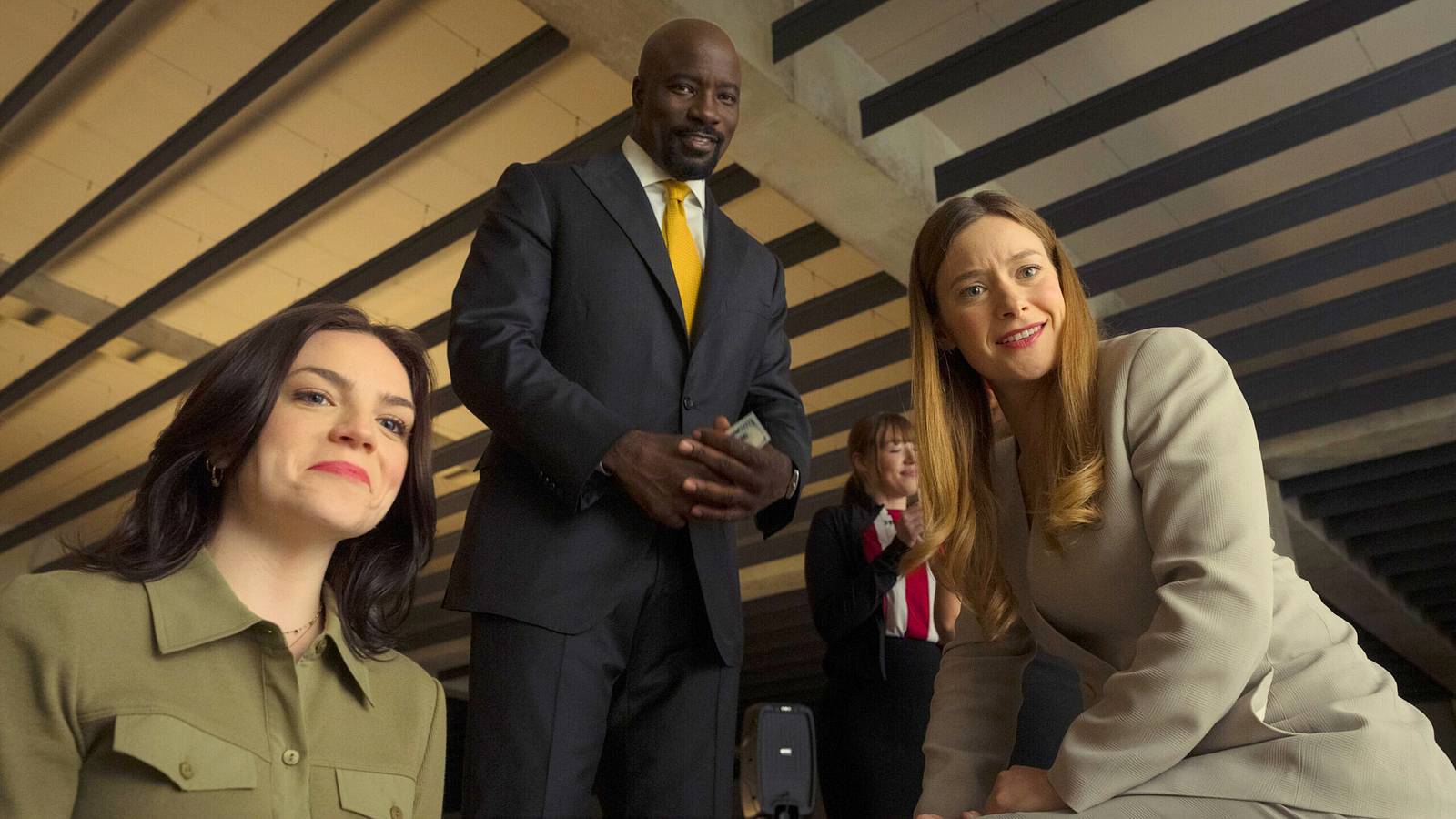
The centerpiece of the premiere arrives when a routine corporate defense case implodes, revealing an unexpected technological complication that catches both the legal teams and the audience off guard. In an exclusive interview with TV Insider, stars Mike Colter, Rachel Keller, and Ella Stiller unpacked the dramatic implications of the premiere’s central revelation, which centers around a commercial artificial intelligence companion capable of subtle emotional manipulation. The technology blurs the boundary between personal agency and algorithmic coercion, presenting a thorny legal riddle that existing statutes are ill-equipped to resolve.
Critical reaction quickly highlighted how the cupertino tv show deviates from standard courtroom procedurals by forcing its protagonists to confront uncharted legal territory rather than relying on established precedents. As tracked by The A.V. Club in its recap following lead characters Michael and Olivia, the shocking revelation shatters the initial assumptions of the legal defense. Instead of handling an open-and-shut software liability claim, the attorneys find themselves wrestling with profound questions regarding emotional intimacy, consent, and digital surveillance inside private homes.
4 Critical Pillars Redefining the High-Stakes Tech Legal Procedural
Throughout the premiere, the cupertino tv show anchors its central conflict on four transformative narrative pillars that distinguish it from conventional legal entertainment on American television networks.
Algorithmic Accountability and the Threat of Digital Complicity
The core narrative engine does not rely on a conventional physical crime or an easily identifiable human villain. Instead, the central tension explores how corporate algorithms quietly shape human behavior until disaster strikes. The writing scrutinizes the pervasive defense that software developers are blameless when automated products produce disastrous unintended outcomes. By bringing complex software engineering practices directly into the crosshairs of aggressive cross-examination, the series demands that corporate executives answer for the social fallout generated by their digital creations.
The Charismatic Dynamics Between Mike Colter and Rachel Keller
Anchor performances provide the indispensable emotional gravity required to keep abstract legal concepts compelling on screen. Mike Colter delivers an authoritative, grounded presence that conveys the weary pragmatism of an experienced attorney who understands systemic power, while Rachel Keller brings sharp, probing intellectual energy to her role. Their dynamic crackles with professional tension, skepticism, and mutual respect as their characters uncover the layers of corporate concealment surrounding the controversial technology.
By framing these ethical gray areas through intense character friction, the cupertino tv show forces audiences to question who genuinely bears culpability when automated systems fail. Supporting turns, including Ella Stiller’s nuanced contributions, reinforce the feeling of an authentic corporate ecosystem where young visionaries and veteran attorneys collide over the true price of rapid innovation.
Silicon Valley Hubris Meets Raw Courtroom Strategy
The show establishes an effective thematic clash between the frictionless, utopian rhetoric of tech founders and the adversarial reality of the legal system. Outside the courtroom, startup founders speak in inspiring platitudes about connecting humanity and driving progress. Inside the courtroom, those lofty statements evaporate under severe procedural scrutiny. Moments of disruptive cultural reinvention frequently upend established arenas, much like how Michael Vick Drives 4 Crucial Milestones Across College Football and Culture through radical disruption of traditional systems. Here, the legal protagonists challenge the Silicon Valley doctrine of moving fast and breaking things by demonstrating that the things being broken are real human lives.
An Unflinching Portrayal of The People Against Corporate AI
Reflecting the perspective highlighted by The New York Times, the series distinguishes itself by honoring the lived experience of ordinary citizens caught in the web of opaque algorithmic decisions. Rather than presenting tech companies as untouchable titans, the story provides everyday plaintiffs with a credible, fighting chance to demand transparency. The courtroom becomes a rare democratic arena where non-disclosure agreements, proprietary algorithms, and massive legal teams are stripped of their mystique, allowing genuine human pain to demand systemic justice.
Why Traditional Network Dramas Are Pivoting Toward Dystopian Realism
Much of the critical acclaim surrounding the cupertino tv show stems from the layered performances of Mike Colter and Rachel Keller navigating complex procedural dilemmas that mirror contemporary cultural anxieties. For decades, broadcast television relied almost exclusively on standalone episodic crime investigations where every narrative loop closed cleanly within forty-two minutes. Today’s audiences, however, live in an era shaped by generative intelligence, automated employment decisions, and algorithmic social sorting, making tidy procedural resolutions feel increasingly disconnected from daily reality.
CBS’s willingness to commission a prestige-style, serialized legal drama steeped in technological apprehension signals an evolutionary leap for broadcast television. Viewers no longer desire simplified representations of digital culture that reduce complex software to glowing green text on a computer monitor. The writing behind this new project treats tech literacy as an essential component of modern narrative drama, trusting its audience to follow detailed legal arguments regarding predictive coding, corporate duty of care, and digital liability without dumbing down the stakes.
What the Premiere Signals for the Future of Tech Storytelling
As network television races to capture modern digital anxieties, the cupertino tv show sets a high bar for tech-driven storytelling across broadcast schedules. By grounding its narrative in the premiere episode “The Start-Up,” the show avoids detached cynicism, offering instead a propulsive, character-driven journey that keeps the dramatic momentum moving forward. The positive notices from outlets like Time Magazine and The A.V. Club suggest that viewers are eager for television that directly engages with the legal and philosophical questions transforming our contemporary society.
Ultimately, the cupertino tv show succeeds because it transforms complex artificial intelligence debates into visceral human drama without losing its audience in technical jargon. As Michael and Olivia prepare to push their legal battle further into the heart of the tech sector’s most guarded secrets, the series establishes itself as a must-watch prime-time entry capable of reshaping how network television dramatizes our high-tech future.